Under Cabinet Kitchen Exhaust Hoods: Enhance Efficiency in Your Space
Under cabinet kitchen exhaust hoods are the unsung heroes of efficient ventilation. While island range hoods steal the visual spotlight, under-cabinet models maximize clearance, fit compact layouts, and deliver robust performance for everyday cooking. Whether you are upgrading a standard home kitchen, outfitting a food truck, or managing a busy commercial diner, selecting the right hood and its accessories directly impacts air quality, safety, and energy efficiency.
This guide goes beyond basic product listings. We break down how to optimize your space, the critical role of grease management, and the technical specifications you need to know in 2026. From choosing the correct CFM rating to understanding fire codes, this article provides actionable insights to help you build a ventilation system that works as hard as you do. For more on this, see our guide on restaurant kitchen exhaust cleaning.
Maximizing Space and Efficiency with Under-Cabinet Designs
In practice, under-cabinet hoods offer a distinct advantage: they save vertical clearance. This is crucial in smaller kitchens where ceiling height is limited, or where you want to keep the sight line open to the room. However, this design comes with trade-offs. Because the hood sits directly above the cooktop, the capture area is narrower than a wall-mounted chimney. To compensate, modern under-cabinet units often utilize deeper canopies and more powerful fans to ensure adequate make-up air and grease capture.
A common mistake is under-sizing the fan power for the layout. If you have a high-output gas range, a standard 100 CFM hood will struggle to clear smoke and steam efficiently. For high-volume cooking, look for units rated between 300 to 500 CFM or higher, even in the under-cabinet form factor.
 Under-cabinet hoods require precise alignment with the cooktop burners for optimal air capture.
The Balance of Aesthetics and Performance
Modern under-cabinet hoods have moved far beyond the basic stainless steel bands of the past. Today’s options include integrated LED lighting, smart voice controls, and sleek matte black finishes. The key to enhancing efficiency is matching the hood’s face size to your range. A standard 30-inch hood is the norm for residential kitchens, but commercial or high-end home setups may require 36-inch or modular configurations.
When evaluating efficiency, consider the ducting path. Shorter, straighter runs with larger diameter ducts (typically 6- to 8-inch) reduce static pressure, allowing the fan to move more air with less noise. In 2026, energy-efficient ECM (electronically commutated motor) fans are becoming standard in premium models, offering up to 50% better efficiency than traditional PSC motors while maintaining lower decibel levels.
Essential Accessories: Grease Filters and Capture Systems
The heart of any exhaust system is the grease filter. These mesh screens trap particulate matter before it enters the ductwork, preventing fire hazards and maintaining fan efficiency. Neglecting these filters is the most common reason for reduced airflow and increased noise in hood systems.
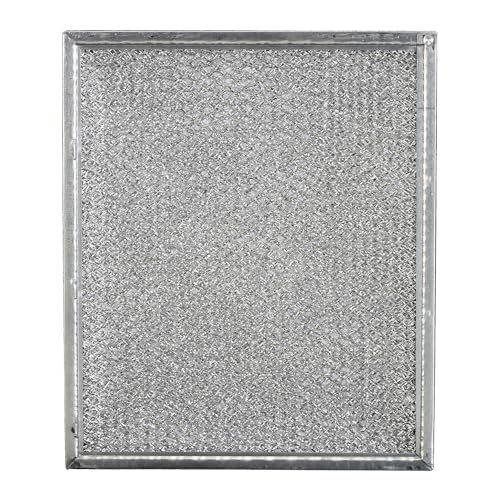
Durable aluminum grease filters are easy to clean and reusable, a staple for residential maintenance.
Choosing the Right Filter Material
Most residential hoods use aluminum mesh filters, which are lightweight, easy to wash in a dishwasher, and cost-effective. For commercial environments, galvanized steel or stainless steel filters are preferred due to their durability and ability to withstand heavy-duty cleaning solutions.
- Aluminum Filters: Best for home kitchens. Easy to find replacements (such as the Broan-NuTone BP55 compatibility options).
- Stainless Steel Filters: Ideal for commercial or high-grease cooking areas. Resistant to corrosion and extreme heat.
- Charcoal Filters: Used only in ductless/recirculating hoods. They trap odors but do not remove heat or moisture, making them less efficient for heavy cooking.
Maintenance Routines for Peak Performance
In practice, checking your grease filter should be part of your weekly kitchen routine. A clogged filter restricts airflow, forcing the fan to work harder and increasing energy consumption. For commercial kitchens, local fire codes often mandate regular inspections of these systems. If you are managing a restaurant, ensuring compliance with industry safety standards is part of a broader safety protocol, but specific ventilation requirements are detailed in fire department codes.
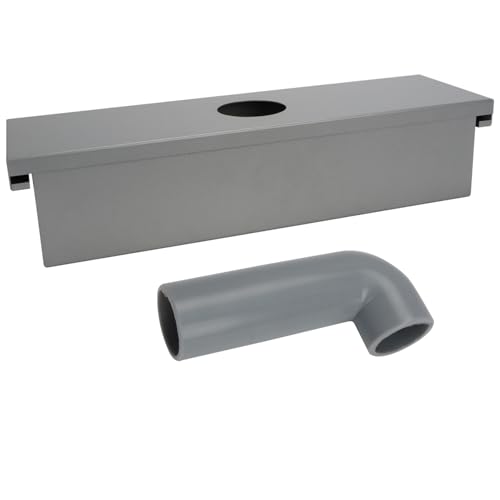 Galvanized grease boxes provide fire-resistant containment for commercial exhaust systems.
Commercial-Grade Solutions for High-Volume Kitchens
For food trucks, concession trailers, and busy restaurants, residential hoods are insufficient. Commercial exhaust hoods are engineered to handle continuous high-heat operations and are built to withstand heavy grease loads. The focus here shifts from aesthetics to durability, fire safety, and code compliance.
 Commercial hoods feature robust steel construction and U-shaped filters for high-grease environments.
Key Features to Look For
When selecting a commercial hood, prioritize these features:
- Material: 304 Stainless Steel is the gold standard for commercial kitchens due to its corrosion resistance. 201 Stainless Steel is more affordable but less durable in humid environments.
- Grease Management: Integrated grease cups and drip pans are essential. Accessories like the Stainless Steel Grease Cup Holder help manage waste efficiently, preventing grease from dripping onto cooking surfaces.
- Fire Safety: All commercial hoods must comply with NFPA 96 standards. This includes proper ducting, fire-rated materials, and often the installation of automatic fire suppression systems.
Managing Grease in Mobile Kitchens
Food truck operators face unique challenges due to space constraints. Compact hoods with detachable filters make it easier to clean on-site. The Imperial 3-1/4" x 10" R2 Premium Range Exhaust Hood is an example of a compact solution, though for true commercial use, you may need a dedicated mobile hood system. Remember, mobile units must still meet local health and safety codes, similar to how specific items have their own regulatory requirements in other transport contexts.
 Deep drip pans maximize grease collection, reducing overflow risks in high-volume kitchens.
Lighting and Safety: Enhancing Visibility and Protection
A range hood is not just about moving air; it’s also about providing safe, bright lighting for the cooking area. Poor lighting can lead to accidents, while incompatible bulbs can damage the hood’s electrical components.
 Vaporproof fixtures are essential for protecting wiring and bulbs in steamy commercial environments.
Why Vaporproof Fixtures Matter
In commercial settings, steam and grease create a corrosive environment for standard light fixtures. Vaporproof lights, such as the Krowne 25-103 Exhaust Hood Vaporproof Light Fixture, are sealed to prevent moisture ingress. This extends the life of the bulbs and electrical connections, reducing maintenance downtime. NSF certification is a critical marker for these fixtures, ensuring they meet food safety standards.
Bulb Selection and LED Upgrades
Replacing incandescent bulbs with LEDs reduces heat output and energy consumption. However, not all LEDs are compatible with range hoods. You need bulbs with the correct base and wattage. The LAOYEBAOHE Range Hood LED Bulb is a popular choice for many residential models, offering daylight white light that enhances visibility without the excessive heat of incandescents.
- Tip: Always check your hood’s manual for maximum wattage. Overloading the circuit can cause damage.
- Safety: Use shatterproof globes in commercial areas. The CHG L10-X020 Wire Guard Bulb Globe Cover protects bulbs from accidental impacts, a frequent issue in busy kitchens.
Smart Technology and Modern Convenience
The 2026 kitchen is increasingly connected. Smart under-cabinet hoods are no longer a niche luxury but a standard feature in new appliance lines. These hoods integrate with home automation systems, allowing for hands-free operation and enhanced efficiency.
 Voice-controlled hoods offer hands-free operation, a significant convenience for busy cooks.
The Benefits of Voice Control
Imagine cooking a complex meal where your hands are covered in oil or flour. Voice control features, compatible with Alexa or Google Home, allow you to adjust fan speed or turn on lights without touching the hood. Models like the Black Range Hood 30 inch with Voice Control exemplify this trend. Beyond convenience, smart hoods can use sensors to detect smoke or grease particles and automatically adjust fan speed, optimizing energy use and maintaining air quality.
Integration with Home Ecosystems
As our homes become more automated, the range hood is becoming a central hub for air quality monitoring. Some smart hoods can sync with air purifiers or HVAC systems, creating a holistic approach to indoor air quality. This is particularly relevant for homes with open-concept layouts, where cooking odors can permeate living areas.
Frequently Asked Questions
What is the ideal size for an under-cabinet range hood?
The hood should be at least as wide as your cooktop. For a standard 30-inch range, a 30-inch hood is the minimum. For wider cooktops or higher heat output, consider a 36-inch hood or a model with a higher CFM rating.
How often should I clean my grease filters?
For a typical home kitchen, wash aluminum filters monthly. If you cook with high grease outputs (like deep frying), check them weekly. In commercial settings, this is often mandated by local fire codes and may require daily or weekly professional inspection.
Can I install an under-cabinet hood in a ductless configuration?
Yes, but with caveats. Ductless hoods use charcoal filters to recirculate air. They are less effective at removing heat and moisture and are not recommended for high-volume cooking. If you must use a ductless system, ensure it has high-quality activated carbon filters and replace them regularly.
Are galvanized steel grease boxes fireproof?
Galvanized steel is non-combustible and highly resistant to heat, but "fireproof" is a misnomer. These boxes are designed to contain grease and prevent it from reaching combustible materials. They must be installed according to manufacturer specifications and local fire codes to ensure safety.
What is the difference between PSC and ECM fan motors?
PSC (Permanent Split Capacitor) motors are traditional and less energy-efficient. ECM (Electronically Commutated Motor) motors are more efficient, quieter, and offer better speed control. ECM motors are increasingly common in 2026 models for their energy savings and performance.
Conclusion
Selecting the right under-cabinet kitchen exhaust hood is about more than just picking a sleek metal band for your kitchen. It’s about creating a system that enhances efficiency, safety, and comfort. By understanding the nuances of CFM ratings, grease management, and lighting, you can transform your cooking space into a functional and safe environment.
Whether you are a home cook looking for smart convenience or a restaurant owner prioritizing code compliance and durability, the key is to match the equipment to your specific needs. Invest in high-quality accessories, maintain your filters rigorously, and consider upgrading to energy-efficient technology. Your kitchen’s air quality—and your cooking experience—will thank you.
Take the next step by assessing your current setup. If your filters are clogged or your fan is noisy, it’s time for an upgrade. Explore our guide to routine upkeep to keep all your home systems running smoothly. For commercial operators, ensure your safety protocols align with industry standards to protect your team and your business.

Hi, I’m Daniel Brooks—a food lover and kitchen gear enthusiast. I enjoy testing cookware, utensils, and gadgets to see what really works in everyday cooking. At PlugChef.com, I share honest reviews, comparisons, and simple guides to help you choose the best tools for a safer, smarter, and more enjoyable kitchen.
Similar Posts