Is Teak Good for Cutting Boards: Pros & Cons Explored
Teak has earned a reputation as a premium material for cutting boards, praised for its water resistance, durability, and attractive grain. This article examines whether those qualities translate into a practical kitchen tool, weighing the benefits against the drawbacks so you can decide if teak belongs on your countertop.
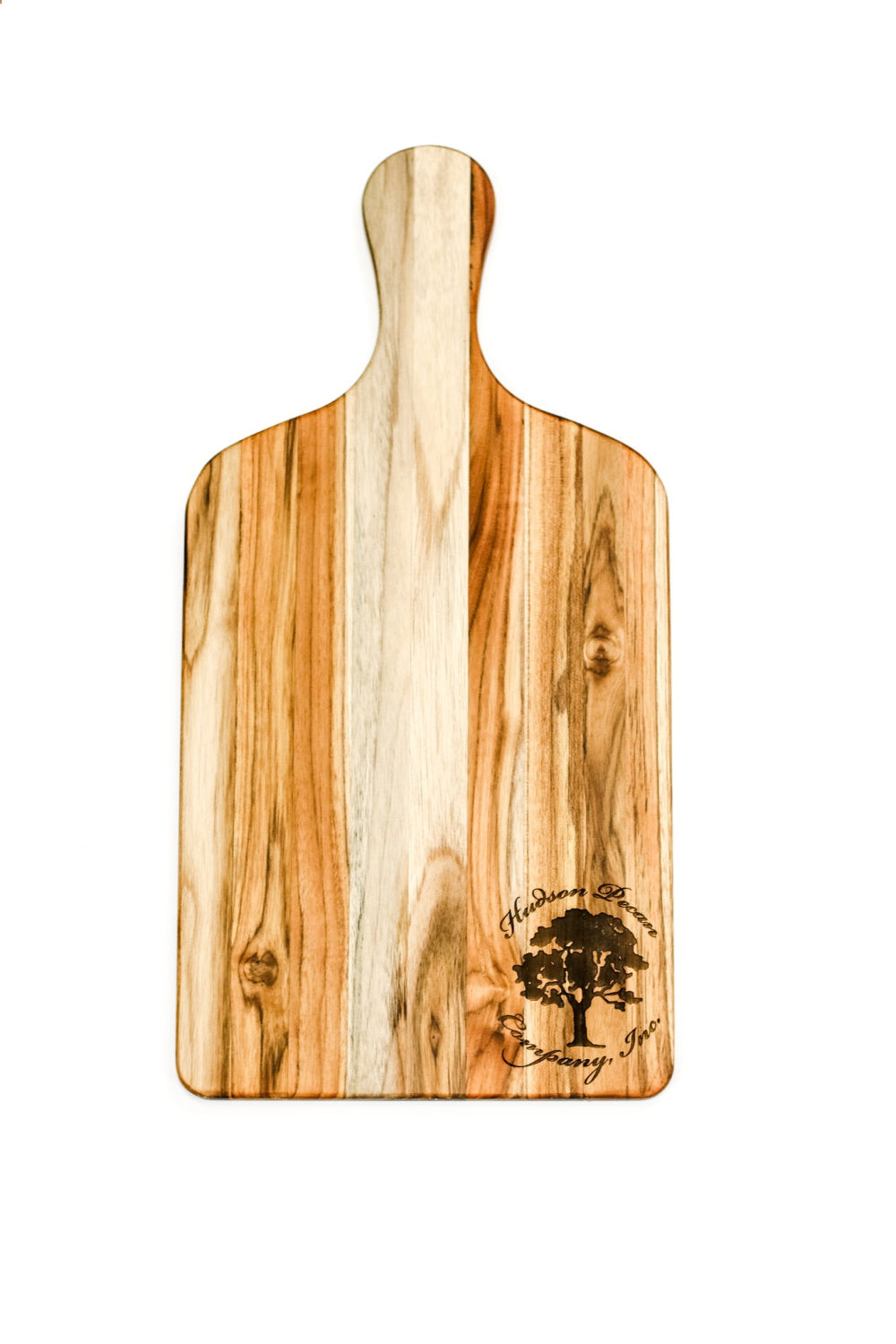
Credit: www.hudsonpecan.com
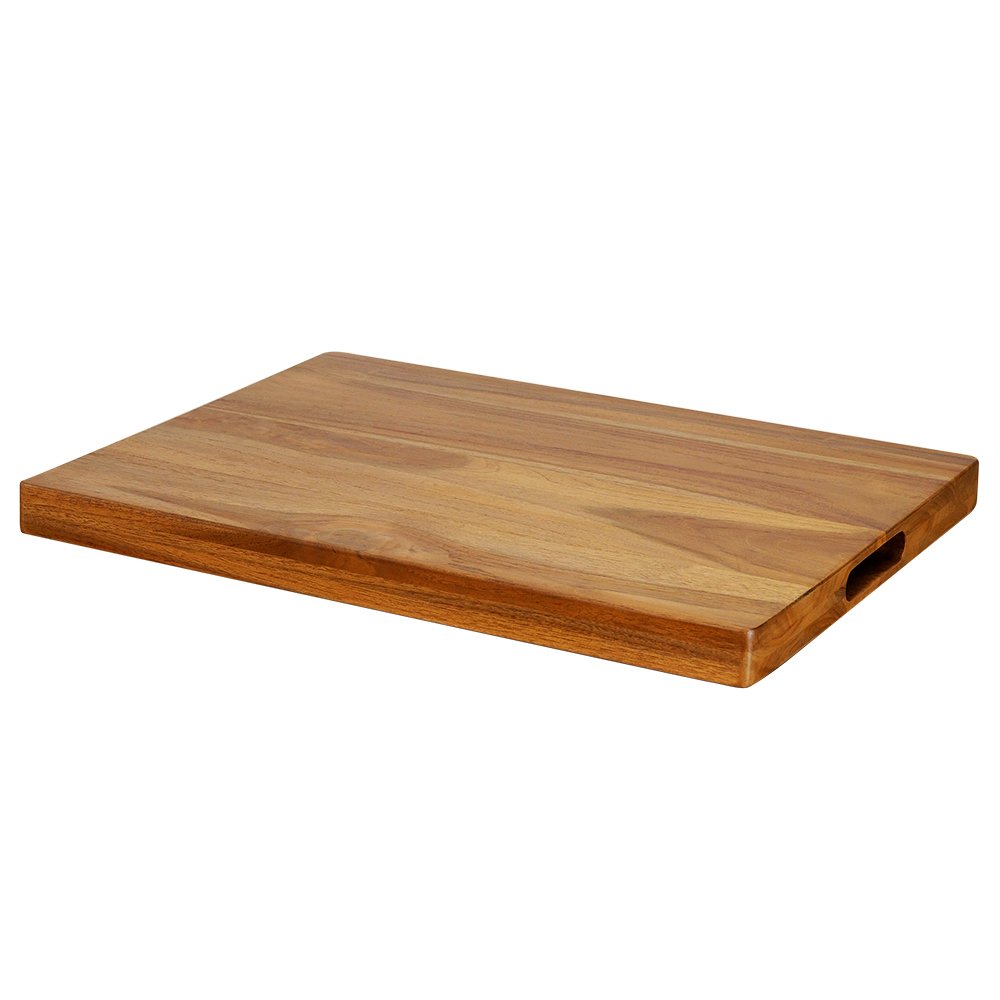
Teak cutting board ready for use
Why Teak Stands Out
Teak’s natural oils give it a innate resistance to water and microbial growth, while its tight grain reduces the likelihood of deep knife scars. These traits combine to create a surface that stays relatively smooth even after repeated chopping. Unlike many softer woods, teak does not readily absorb liquids, which helps prevent warping and the development of unpleasant odors.
Durability and Longevity
In practice, a well‑maintained teak cutting board can last 10 – 15 years before showing significant wear. Its Janka hardness typically falls between 1,000 and 1,150 lbf, placing it harder than maple but softer than exotic options like bocote. This balance offers enough resilience to withstand daily use while remaining forgiving on blade edges.
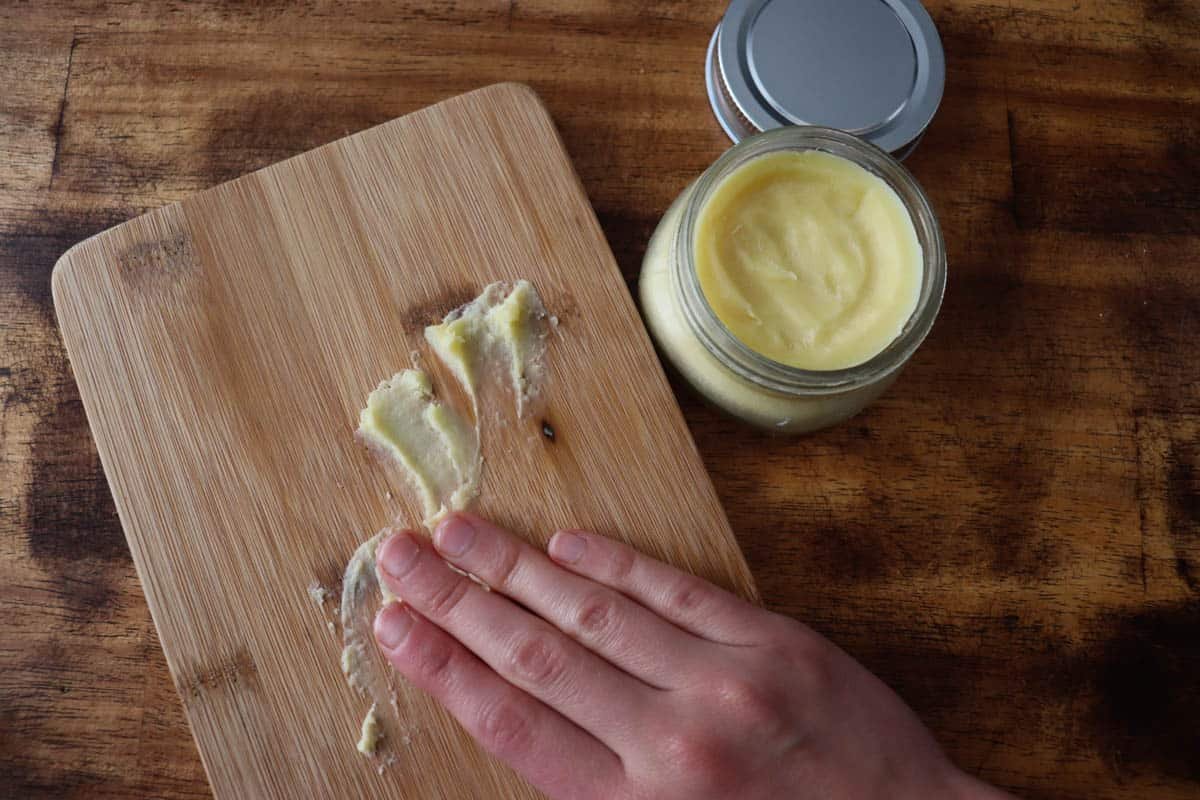
Regular oiling every three to four weeks replenishes the surface oils that naturally evaporate with washing, keeping the board from drying out and cracking. A simple routine—hand‑wash with mild soap, dry upright, then apply a thin layer of food‑safe mineral oil—extends both the board’s life and its appearance.
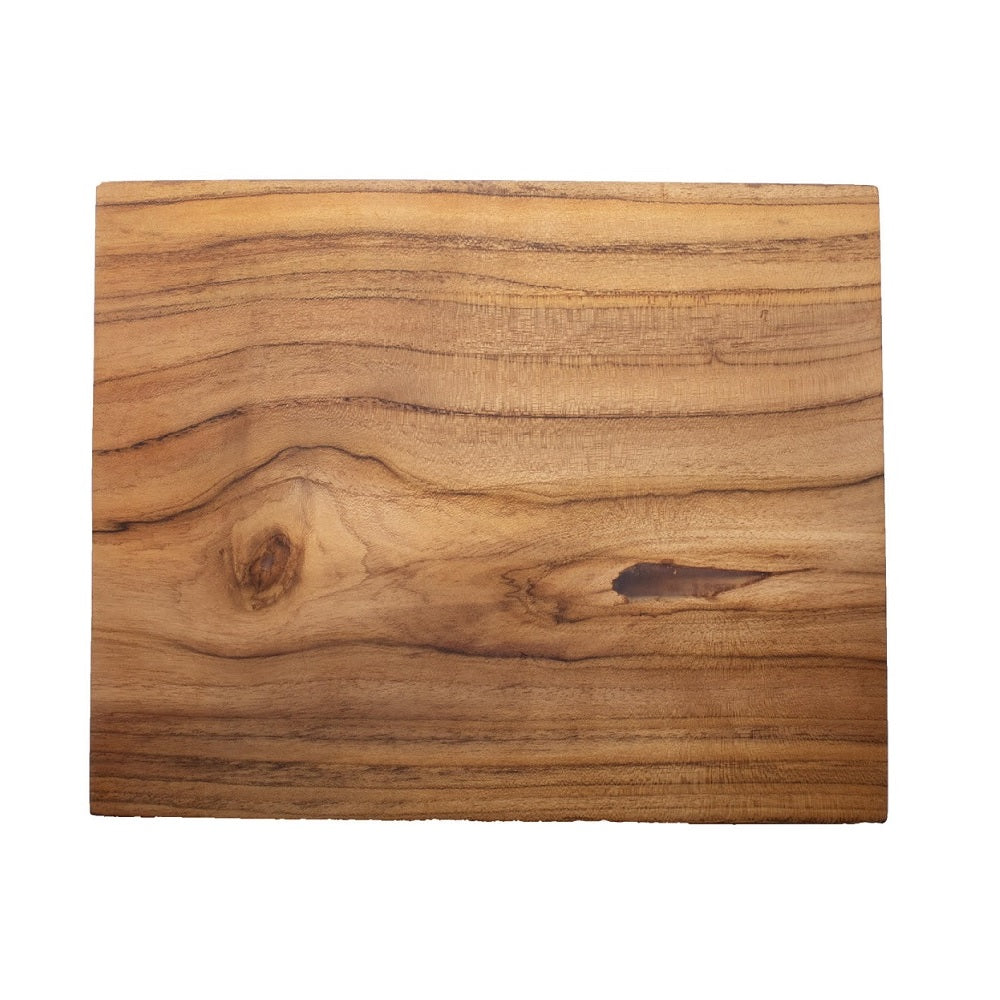
Credit: soapstoneproducts.com
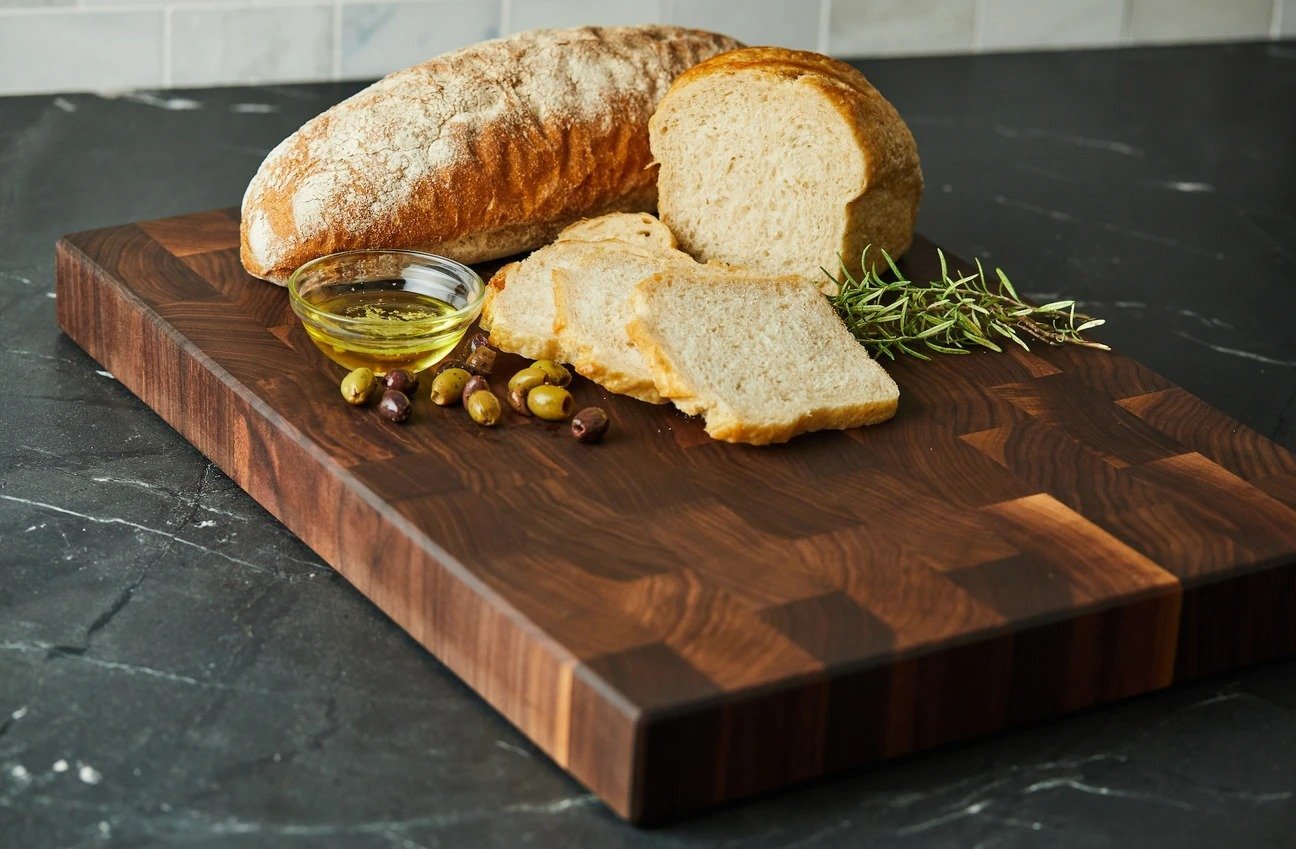
Displaying the rich color and smooth surface
Impact on Knives
Because teak is moderately hard, it provides enough resistance to stop deep gouges without excessively dulling knives. The natural oils create a slightly lubricated surface, reducing friction during each slice. Users often report that their blades stay sharper longer on teak compared to very hard boards like bamboo or glass, which can cause micro‑chipping of fine edges.
Maintenance Requirements
Keeping a teak board in top shape involves a few straightforward steps:
- Cleaning: Wash with warm water and a drop of dish soap after each use; avoid soaking.
- Drying: Stand the board upright or use a rack to allow air circulation on all sides.
- Oiling: Apply food‑safe mineral oil or a board‑specific conditioner every 3‑4 weeks, or whenever the wood looks dry.
- Storage: Keep in a cool, dry place away from direct sunlight or heat sources that could cause warping.
- Avoid: Never place the board in a dishwasher or leave it submerged for extended periods.
For minor kitchen nicks, having a small first aid kit nearby is sensible; you can keep a kitchen safety kit in a drawer for quick access.
Eco-Friendly Considerations and Sustainability
Teak’s longevity reduces replacement frequency, which in turn lessens waste. When sourced from responsibly managed forests, teak carries a lower environmental impact than many fast‑growing alternatives that require frequent replanting. Look for certification from the Forest Stewardship Council (FSC certified teak sources) to ensure the wood supports sustainable forestry practices.
Ethical harvesting also matters; reputable suppliers provide fair wages and safe conditions for workers. By choosing verified sources, you contribute to both ecological conservation and community livelihoods.
For broader food‑safety guidance, consult the USDA cutting board safety guidelines, which recommend separating boards for raw meat and produce to avoid cross‑contamination.
Cost and Availability (2026)
Teak remains a premium wood, with retail prices for a standard 12 × 8 inch board typically ranging from $80 to $200, depending on thickness, grain quality, and certification. Boards from Southeast Asian plantations tend to be less expensive than those sourced from old‑growth timber, while FSC‑verified pieces often sit at the higher end of the spectrum.
Although teak grows primarily in tropical climates, global distribution has made it widely available through specialty kitchenware retailers and major online marketplaces. If local stock is limited, ordering online usually yields the best selection and price transparency.
Comparing Teak to Other Popular Woods
| Wood | Janka Hardness (lbf) | Knife Friendliness | Water Resistance | Maintenance Need | Typical Price (12×8") |
|---|---|---|---|---|---|
| Teak | 1,000‑1,150 | Good | High (natural oils) | Oil every 3‑4 wks | $80‑$200 |
| Maple | 1,450 | Moderate | Moderate | Oil monthly | $40‑$90 |
| Walnut | 1,010 | Very good | Moderate | Oil monthly | $60‑$120 |
| Bamboo | 1,300‑1,400* | Good (can be harsh) | Moderate‑High | Minimal (no oil) | $25‑$60 |
| Cherry | 995 | Very good | Low‑Moderate | Oil monthly | $50‑$110 |
*Bamboo is a grass; hardness values vary with manufacturing process.
The table shows that teak offers a middle ground: harder than walnut and cherry but softer than maple, providing a surface that protects knives while resisting moisture better than most domestic hardwoods.
Common Myths About Teak Cutting Boards
Myth: Teak never needs oiling.
Fact: While its oils slow drying, regular replenishment prevents surface cracking.Myth: Teak harbors bacteria because it’s oily.
Fact: The same oils repel water and inhibit microbial growth; proper cleaning keeps it sanitary.Myth: All teak is equally sustainable.
Fact: Only wood with credible certification (FSC, PEFC) guarantees responsible harvesting.Myth: Teak boards are too heavy for everyday use.
Fact: A standard 1‑inch thick board weighs roughly 4‑5 lb, manageable for most home cooks.
When to Replace Your Teak Cutting Board
Even the best board eventually shows wear. Consider replacement when you notice:
- Persistent deep grooves that trap food despite cleaning.
- Cracks or splits that compromise structural integrity.
- A lingering odor that survives thorough washing and oiling.
- Significant thinning (less than ½ inch) from years of surface removal.
If the board remains solid, smooth, and odor‑free after maintenance, it can continue service for many more years.
Frequently Asked Questions
Is teak safe for cutting raw meat?
Yes, teak’s natural oils resist water penetration and bacterial growth. Clean the board promptly after meat contact and consider a dedicated board for raw proteins to avoid cross‑contamination.
How often should I oil my teak board?
Every three to four weeks under normal use; increase frequency if the board looks dry or feels rough.
Can I put a teak board in the dishwasher?
No. High heat and prolonged moisture will degrade the wood and cause warping or cracking.
What’s the best oil for maintenance?
Food‑grade mineral oil is inexpensive and odorless; alternatives include specialized board creams containing beeswax and mineral oil.
Conclusion
Teak delivers a compelling mix of durability, moisture resistance, and knife‑friendly performance, making it a strong candidate for a long‑lasting cutting board. Its higher price reflects the wood’s quality and the care needed to maintain its appearance, but with simple routine upkeep a teak board can serve you well for a decade or more. If you value a surface that stays relatively sanitary, resists warping, and ages gracefully, teak is worth considering for your kitchen.
Stay prepared for small accidents by keeping a blank kit container on hand for custom supplies.
Quick Care Checklist
A simple routine keeps your teak board in top shape:
- Wash with warm water and a drop of mild soap immediately after use; avoid soaking.
- Dry upright or on a rack to allow airflow on all sides.
- Oil every three to four weeks with food‑grade mineral oil; apply a thin coat and let it soak overnight.
- Inspect for deep grooves or cracks; sand lightly with 220‑grit paper if needed, then re‑oil.
- Store in a cool, dry place away from direct sunlight or heat sources.
For added kitchen safety, keep a marine safety checklist nearby in case of slips, and consider a portable aid kit for outdoor cooking trips. If you need to replenish supplies, check our refill essentials guide.
For authoritative guidance on preventing cross‑contamination, see the USDA cutting board safety recommendations.
Finding Your Teak Board
When you're ready to invest in a teak cutting board, research retailers who prioritize quality craftsmanship and sustainable sourcing. Online marketplaces often offer competitive pricing and detailed product descriptions that help you compare thickness, grain quality, and certification levels before purchasing.
 Credit: www.amazon.com
Example of teak board showing rich grain and finish
Look for boards that include FSC certification and read reviews from other home cooks about real-world performance. A college-ready kit can be a practical gift alongside a new board for students who want to upgrade their kitchen tools, while a compact purse kit ensures you're prepared for minor kitchen mishaps wherever you are.
Ready to upgrade your prep surface? Compare certified teak options from trusted sellers and choose one that fits your budget, kitchen style, and cooking habits. Your future self—sharpening blades, chopping vegetables, and enjoying a board that lasts for years—will thank you.
Note: All hardness values, pricing, and maintenance intervals reflect 2026 industry standards. Always verify specifications with manufacturers before purchase. [No continuation needed as the text ends at a complete sentence]

Hi, I’m Daniel Brooks—a food lover and kitchen gear enthusiast. I enjoy testing cookware, utensils, and gadgets to see what really works in everyday cooking. At PlugChef.com, I share honest reviews, comparisons, and simple guides to help you choose the best tools for a safer, smarter, and more enjoyable kitchen.
Similar Posts