Dot Vehicle First Aid Kit Requirements: Essential Safety Checklist 2026
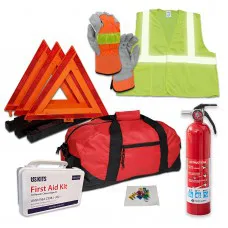
A compliant DOT vehicle first aid kit is more than a regulatory box-check: it’s a critical tool for addressing roadside injuries before emergency services arrive, reducing infection risk, and preventing minor issues from escalating into life-threatening situations. For commercial motor vehicle (CMV) drivers, fleet managers, and owner-operators, missing even one required supply can lead to failed inspections, out-of-service orders, and increased liability in the event of an accident. This checklist aligns with 2026 FMCSA and OSHA guidance to ensure your kit meets federal standards and is ready for any emergency on the road.
Who Is Required to Carry a DOT-Compliant First Aid Kit?
Federal DOT first aid kit rules apply to all commercial motor vehicles operating in interstate commerce, including semi-trucks, passenger buses, hazmat transporters, and any vehicle with a gross vehicle weight rating (GVWR) over 10,000 lbs. Intrastate commercial vehicles (those that do not cross state lines) may be subject to additional state-specific requirements, so check local regulations for your operating region. Personal passenger vehicles are not required to carry DOT-compliant kits, but keeping a well-stocked kit is still strongly recommended for road trip safety.
Core Mandatory Kit Contents (ANSI/ISEA Z308.1 Compliant)
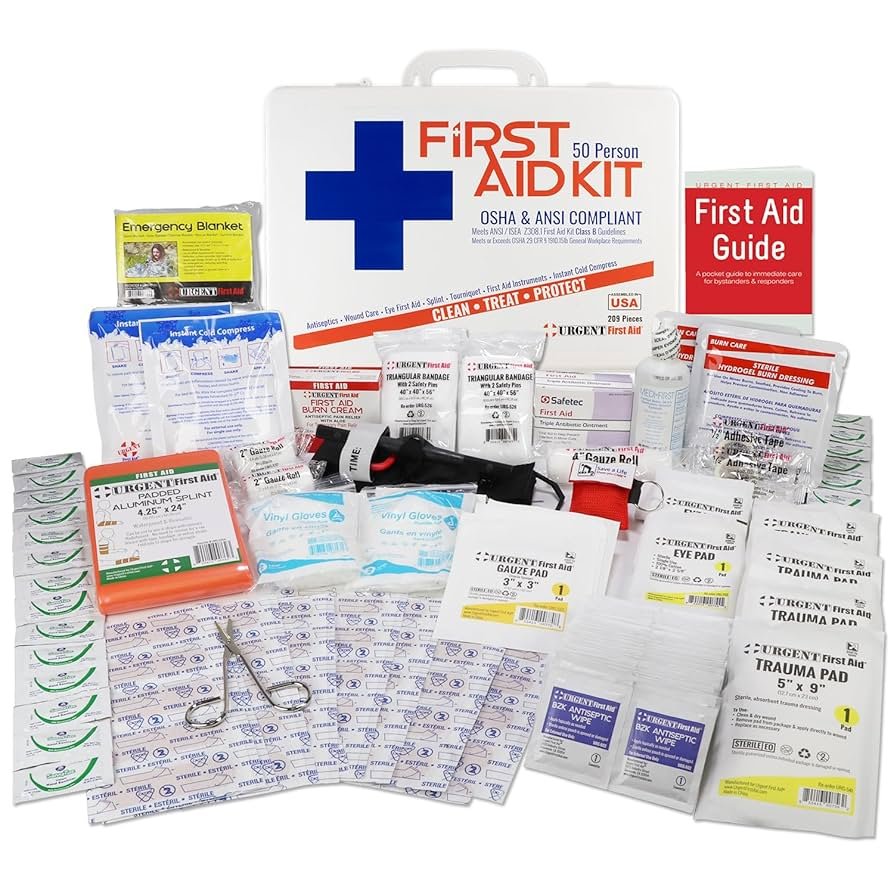
DOT first aid kit requirements are aligned with the ANSI/ISEA Z308.1 standard, the nationally recognized benchmark for first aid supply quality and completeness. These requirements ensure kits are effective for the wide range of injuries common to roadside and commercial driving scenarios. There are two kit classes under the standard, with requirements varying by vehicle use case.
Class A Minimum Requirements (Standard CMVs)
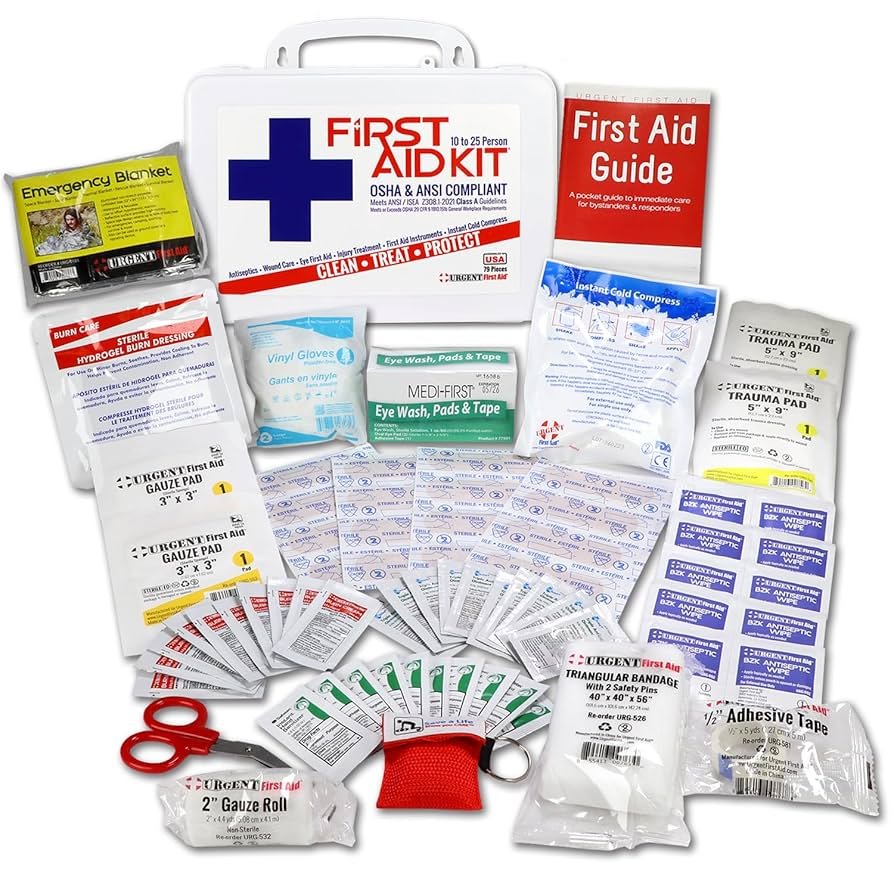
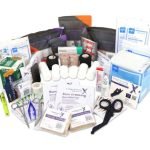
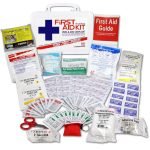
All standard commercial vehicles (non-hazmat, non-passenger carrier) must carry a Class A kit with the following exact supplies:
- 1 plastic bandage roll (1 inch x 5 yards)
- 1 roll of sterile gauze (2 inch x 2 yards)
- 1 roll of adhesive tape (1 inch x 2.5 yards)
- 1 package of sterile gauze pads (4×4 inches, 10 count)
- 1 package of adhesive bandages (assorted sizes, 16 count)
- 1 roll of triangular bandage (40 inch x 40 inch x 56 inch)
- 1 pair of non-latex disposable medical gloves (medium)
- 1 CPR breathing barrier with one-way valve
- 1 pair of blunt-tip scissors (4 inch)
- 1 pair of flat-tip tweezers
- 1 package of alcohol-free antiseptic wipes (10 count)
- 1 tube of antibiotic ointment (0.5 oz)
 This kit meets all 2026 ANSI/ISEA Z308.1 requirements for standard commercial motor vehicles.
Class B Requirements (High-Risk CMVs)
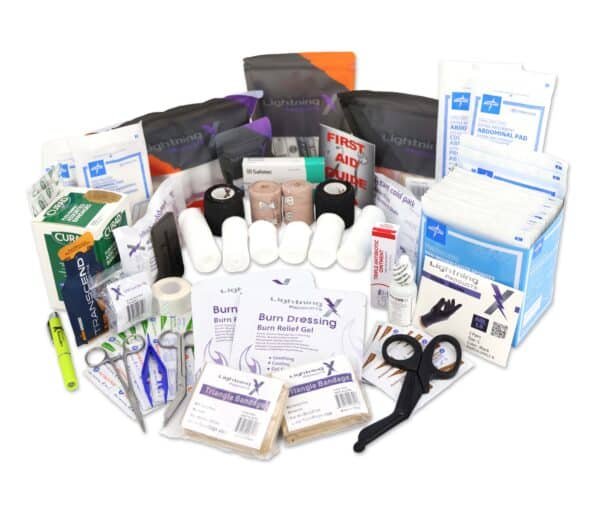
Hazmat transporters, passenger carriers, and vehicles operating in high-risk environments (e.g., construction, remote wilderness routes) must carry a Class B kit, which includes all Class A supplies plus:
- Additional sterile gauze pads and roller bandages for severe bleeding
- Burn dressings and burn gel packets for contact with hot engine or exhaust components
- Elastic bandages for sprains and strains common during pre-trip inspections or tire changes
- Instant cold packs for swelling from minor collisions or falls
- Emergency mylar blankets to prevent shock in cold weather or after serious accidents
- Trauma shears for cutting seatbelts or heavy clothing during extrication
Required Personal Protective Equipment (PPE)
All kits must include non-latex gloves to accommodate latex allergies and reduce bloodborne pathogen exposure per OSHA 29 CFR 1910.1030. A CPR breathing barrier is required for safe rescue breathing during cardiac events. While not mandatory, face shields and eye protection are strongly recommended for responders dealing with bleeding injuries or bodily fluids.
Recommended Additional Supplies for Roadside Emergencies
While not required by DOT, these supplies address the most common roadside incidents and improve outcomes for drivers and bystanders:
- Over-the-counter pain relievers (ibuprofen, acetaminophen) for minor pain and inflammation
- Antihistamine tablets for allergic reactions to insect stings, food, or environmental allergens
- Hand sanitizer and disinfectant wipes for hygiene when soap and water are unavailable
- Emergency contact cards with local EMS, roadside assistance, and fleet dispatch numbers
- A small first aid manual with step-by-step guidance for common injuries
A common mistake drivers make is adding prescription medications (e.g., epinephrine auto-injectors) to the kit without checking with their fleet safety team, as these require specific storage and expiration tracking.
Proper Kit Storage and Maintenance Best Practices
Even a fully stocked compliant kit is useless if it is inaccessible, damaged, or expired. Follow these guidelines to ensure readiness at all times.
Ideal Storage Locations
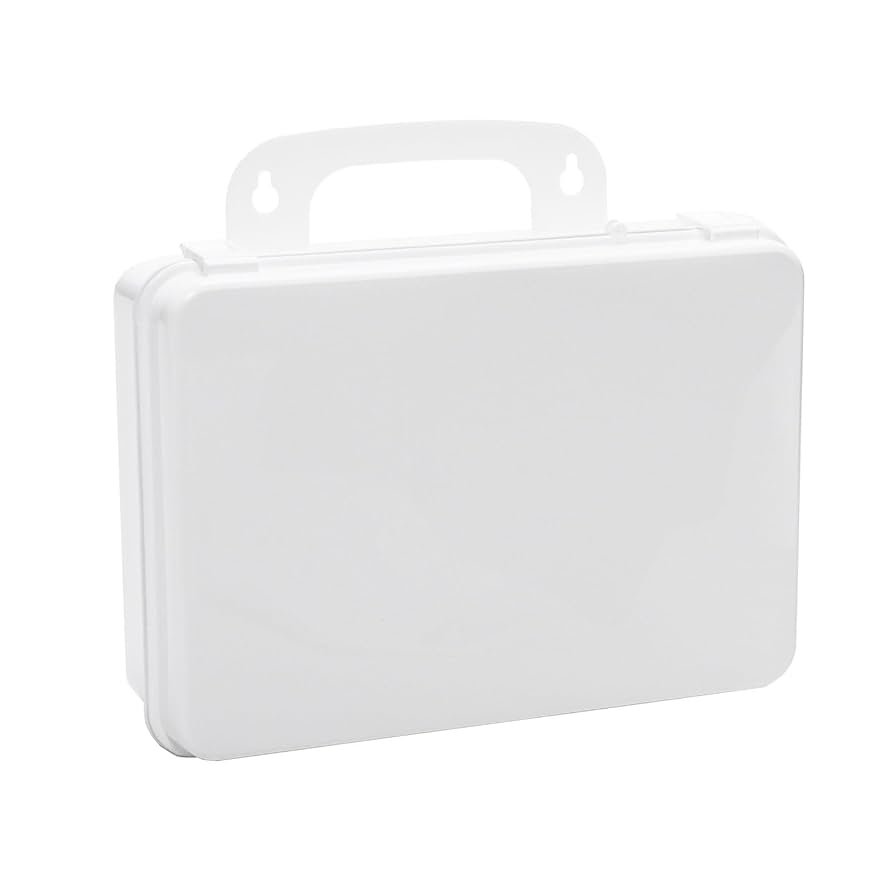
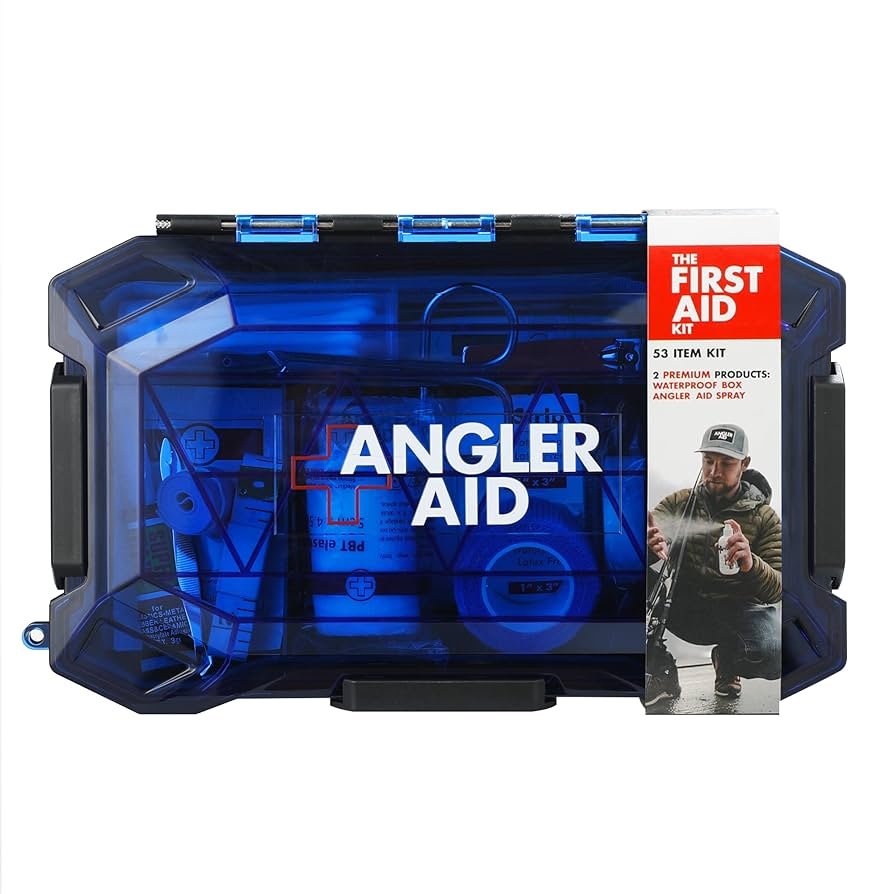
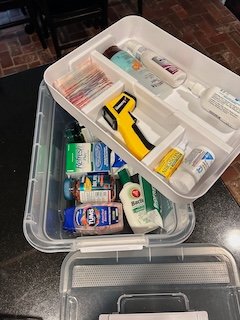
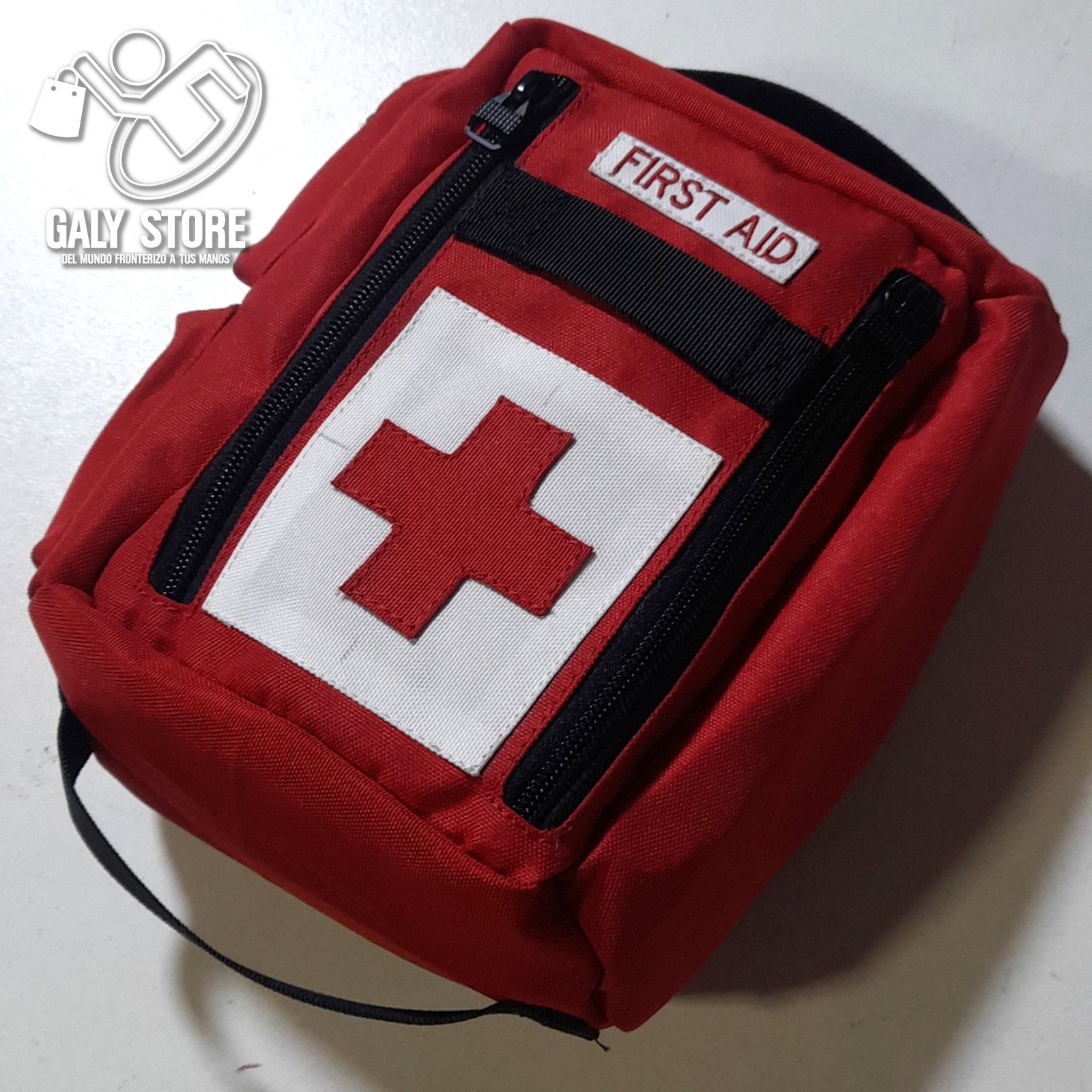
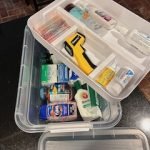
Store the kit in a clearly marked, easily accessible location within the cab, within reach of the driver’s seat. Avoid storing kits in trunks, under seats, or in sleeper berths that are not accessible from the driving area. Never store the kit on the dashboard or in areas exposed to direct sunlight, extreme heat, or freezing temperatures, as this degrades medications, ointments, and adhesive supplies. Many drivers opt for rugged sealable storage to protect kit contents from temperature swings and moisture in uninsulated cab areas rugged sealable storage.
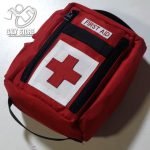
 Proper mounting ensures the kit is reachable within seconds during a roadside emergency.
Inspection and Restocking Schedule
Inspect your first aid kit at minimum once per month, and immediately after any use. During inspections, check for:
- Missing or damaged supplies
- Expired medications, ointments, or antiseptic wipes
- Torn or compromised packaging
- Adequate quantities of all mandatory items
Tape a printed checklist to the inside of the kit lid to streamline inspections. Fleets should maintain digital logs of all inspections and restocks for at least 2 years to meet FMCSA record-keeping requirements. Many teams pair these logs with airtight bulk storage for supplemental road trip supplies like water and snacks, ensuring all safety and travel essentials stay organized.
Expiration Management
Most first aid supplies have a 2–3 year shelf life, while medications and antibiotic ointments typically expire within 1–2 years. Rotate stock by placing newer items behind older ones to ensure older supplies are used first. Never use expired medications or ointments, as they may be ineffective or cause harm. Dispose of expired items properly per local hazardous waste guidelines.
Compliance Tips for DOT Inspections
Failing a first aid kit inspection is one of the most common avoidable deficiencies for CMVs. Follow these steps to pass every time:
Pre-Inspection Preparation
1–2 weeks before a scheduled inspection, conduct a full audit of your kit against the mandatory content checklist. Replace any missing, damaged, or expired items immediately. Ensure the kit is clearly labeled "First Aid Kit" in English (and any additional languages required for your operating region) and is stored in its designated accessible location. For fleets, share the updated inspection log with all drivers operating the vehicle.
During Inspections
DOT inspectors will check for the kit’s presence, accessibility, and compliance with content requirements. Have your inspection log ready to show dates of recent checks and restocks. If an inspector notes a deficiency, address it on the spot to avoid an out-of-service order that could delay deliveries and result in fines. Many fleets use multi-purpose storage sets to keep inspection logs, training certificates, and kit checklists organized alongside safety supplies multi-purpose storage sets.
Record Keeping Requirements
FMCSA requires fleets to retain records of first aid kit inspections, restocks, and driver first aid training for a minimum of 2 years. Records should include the inspection date, inspector name, items replaced, and restock date. Digital record-keeping systems are acceptable as long as they are accessible during audits.
Choosing the Right DOT First Aid Kit for Your Vehicle
Not all first aid kits are created equal, and selecting the right one for your use case will ensure compliance and long-term reliability.
Kit Size and Portability
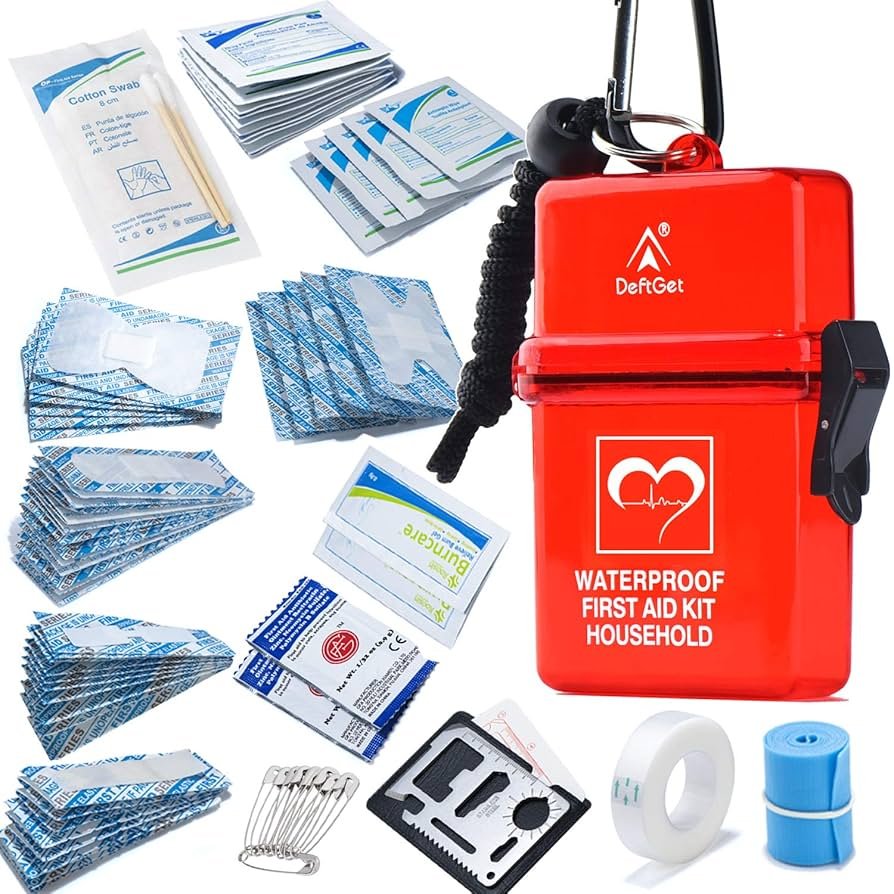
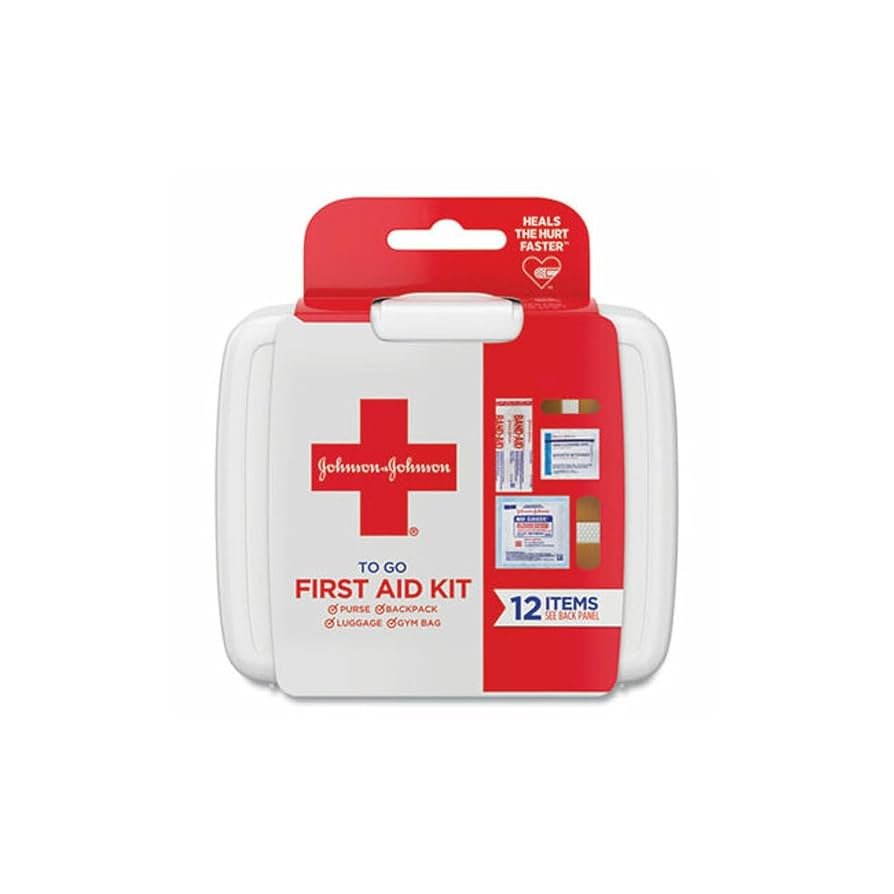
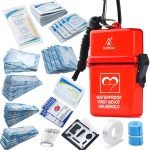
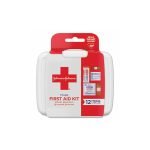
Standard Class A kits are typically compact (8x10x3 inches) and fit in most CMV cabs without taking up valuable space. For vehicles with limited cab space, opt for slim, streamlined kits that can be mounted on the door or under the seat. Many drivers use compact storage options for small supplemental supplies like extra bandages and antiseptic wipes compact storage options. Owner-operators with very small cab space may opt for slim kits that fit in compact storage bins mounted under the passenger seat.
 Look for this official certification mark when purchasing a kit to confirm it meets DOT requirements.
Certified vs. Generic Kits
Only kits explicitly certified to ANSI/ISEA Z308.1 standards meet DOT requirements. Generic retail "road trip" kits often miss critical items like CPR barriers and non-latex gloves, or use low-quality materials that degrade quickly in extreme temperatures. Always look for the ANSI certification mark on kit packaging before purchasing to avoid compliance failures.
Customization for Specific Use Cases
You may add extra supplies to your kit as long as you do not remove any mandatory items. For long-haul drivers operating in remote areas, add extra cold packs, burn dressings, and emergency blankets. For winter routes, add chemical heat packs and hand warmers, stored in insulated storage solutions to maintain effectiveness during long hauls insulated storage solutions. For drivers operating in areas with high insect or plant allergen exposure, add extra antihistamine tablets.
Cost Considerations
Certified DOT-compliant kits typically cost between $15 and $50, depending on size and included extras. Avoid ultra-cheap generic kits, as they often fail compliance checks and use low-quality supplies that break or expire quickly. Investing in a high-quality certified kit reduces long-term risk of failed inspections and improves safety during emergencies.
Frequently Asked Questions
What are the exact DOT first aid kit requirements for 2026?
All CMVs in interstate commerce must carry a first aid kit compliant with ANSI/ISEA Z308.1 Class A standards, including the full list of mandatory supplies outlined above, stored in an easily accessible location in the cab. Hazmat and passenger carrier vehicles may require Class B kits with additional high-risk supplies. These requirements also align with OSHA’s first aid guidance OSHA First Aid Guidance to ensure responder safety and effective injury treatment.
Which vehicles are exempt from DOT first aid kit rules?
Personal passenger vehicles, vehicles under 10,000 lbs GVWR used for non-commercial purposes, and intrastate commercial vehicles that do not cross state lines are exempt from federal DOT requirements, but may be subject to state-specific first aid rules.
Can I use a retail road trip first aid kit for my commercial vehicle?
Only if the kit is explicitly certified to ANSI/ISEA Z308.1 standards and contains all mandatory required items. Most retail road trip kits are designed for personal use and lack critical supplies like CPR barriers and non-latex gloves, so they do not meet DOT requirements.
What happens if I fail a DOT inspection for a non-compliant first aid kit?
Inspectors will issue a deficiency citation requiring you to replace or restock the kit within a set timeframe. In severe cases, the vehicle may be placed out of service until the deficiency is corrected, leading to delayed deliveries, lost revenue, and regulatory fines.
Conclusion
Staying compliant with DOT vehicle first aid kit requirements is a foundational part of road safety and regulatory adherence for all commercial drivers and fleets. A properly stocked, accessible, and up-to-date kit can make the difference between a minor injury and a life-threatening situation during a roadside emergency. Pair regular kit inspections with basic first aid training for all drivers to ensure your team is prepared to act quickly and safely when it matters most.
If you’re refreshing your fleet’s safety supplies this quarter, start with a full audit of your first aid kits against this checklist to eliminate compliance risks and stay prepared for any roadside emergency.

I’m Abby Lu, a passionate home cook who loves simplifying everyday meals. At PlugChef.com, I share product reviews and cooking guides to help you find the best tools for your kitchen.
Related posts:
 Is Nylon Cooking Utensils Safe? Unveiling the Truth
 Is Bamboo Good for Cooking Utensils: Discover the Benefits
 Can You Cut Raw Meat on a Wood Cutting Board Safely?
 Harbor Freight First Aid Kit: Essential Safety Gear for Emergencies
 First Aid Kit Supplies Refills: Essential Items You Must Restock
 10 Person First Aid Kit: Essential Gear for Emergencies
Similar Posts