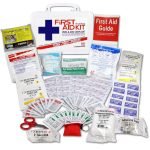
Vintage Military First Aid Kit: Timeless Survival Essentials Revealed
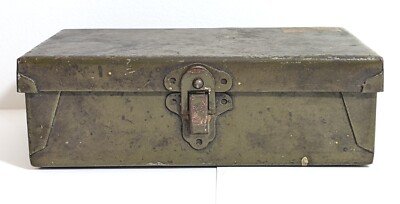
There’s a distinct smell to a 1940s U.S. Army M1917 first aid pouch: aged canvas, faint traces of iodine, and the metallic tang of rusted steel. When you unclasp the worn metal latch and lift the lid, the organized layout of gauze pads, bandage scissors, and antiseptic tins is a masterclass in functional, no-frills design that prioritized saving lives over comfort. Far more than a relic of 20th-century warfare, the vintage military first aid kit is a blueprint for modern emergency preparedness, a coveted collector’s item, and a tangible link to the evolution of battlefield medicine.
For collectors, preppers, and history buffs alike, understanding what these kits contain, how they were built, and why their design has remained relevant for over 100 years reveals lessons that are still applicable to emergency readiness today. We’ll break down the history of military first aid kits, the core components that made them so effective, how to identify and preserve authentic pieces, and how to apply their timeless design principles to your own survival gear.
 A well-preserved M1917 U.S. Army first aid kit from World War II, with original gauze, bandage scissors, and antiseptic tins intact.
Credit: www.ebay.com
A well-preserved M1917 U.S. Army first aid kit from World War II, with original gauze, bandage scissors, and antiseptic tins intact.
Credit: www.ebay.com
The History of Military First Aid Kits: From Battlefield Innovation to Civilian Standard
The first standardized military first aid kits emerged in the early 20th century, but the need for portable, on-the-front-line medical care dates back centuries. During the Napoleonic Wars, soldiers were expected to carry their own basic wound supplies, but there was no uniform standard, and many went without adequate care after injury. It wasn’t until the Crimean War and the work of medical pioneers like Florence Nightingale that formalized first aid training and standardized kits began to take shape for military use.
The U.S. military issued its first official, standardized first aid kit, the M1917, during World War I. This small metal tin contained sterile gauze, adhesive tape, bandage scissors, and a small syringe of morphine for pain management—a revolutionary addition that reduced death from blood loss and infection, the two leading causes of battlefield mortality at the time. These early kits were designed to be small enough to fit in a soldier’s uniform pocket, with every item chosen for maximum utility and minimal weight.
Evolution Through 20th-Century Conflicts
Each major 20th-century conflict drove incremental, life-saving improvements to military first aid kits, shaped by the specific injuries and environmental challenges soldiers faced:
- World War I (1914–1918): The M1917 kit introduced sterile gauze and morphine syrettes, cutting infection-related death rates by an estimated 30% for treated wounds. Kits were stored in heavy steel tins to protect supplies from mud and water in trench warfare.
- World War II (1939–1945): The M1939 kit replaced morphine syrettes with sulfa powder, a groundbreaking antibiotic that reduced infection risk even when sterile supplies were compromised. Canvas pouches replaced metal tins to cut weight for infantry soldiers, and the first standardized tourniquet was added to treat severe limb injuries.
- Korean and Vietnam Wars (1950–1975): Kits expanded to include burn gel, improved compression bandages for treating shrapnel wounds, and the first plastic, watertight containers. The M-1967 Individual First Aid Kit (IFAK) introduced a nylon pouch with elastic loops to keep supplies secure during jungle patrols, a design still used in modern military kits today.
These innovations didn’t stay on the battlefield. By the 1970s, civilian hikers, campers, and workplace safety teams were adopting military first aid kit designs for their own use, drawn to their proven durability and focus on treating the most common, life-threatening injuries first. These military-grade design principles were later adopted by civilian emergency management agencies, and form the basis of current official first aid kit guidance from the CDC for households and workplaces.
 A standard-issue WWII canvas first aid pouch, designed to be lightweight and water-resistant for infantry soldiers.
Credit: www.ebay.ca
A standard-issue WWII canvas first aid pouch, designed to be lightweight and water-resistant for infantry soldiers.
Credit: www.ebay.ca
What’s Inside an Authentic Vintage Military First Aid Kit
Unlike modern civilian first aid kits that often include dozens of unnecessary gadgets, vintage military first aid kits were designed with strict weight and space limits, so every item served a specific, life-saving purpose. Contents vary by era, branch of service, and country of origin, but most 20th-century U.S. and Allied kits share a core set of supplies.
For context, the table below outlines the most common items included in standard-issue U.S. military first aid kits across three major 20th-century conflicts:
| Era | Core Wound Care Supplies | Antiseptics & Medications | Tools & Instruments |
|---|---|---|---|
| World War I (M1917) | Sterile gauze pads, roller bandages, triangular bandages, adhesive tape | Iodine solution, morphine syrettes | Bandage scissors, safety pins, tweezers |
| World War II (M1939) | Gauze pads, elastic bandages, burn dressing, triangular bandages | Sulfa powder, alcohol swabs, burn cream | Tourniquet, spring-loaded clamp, bandage scissors |
| Vietnam (M-1967 IFAK) | Compression bandages, gauze rolls, adhesive tape | Antibiotic ointment, pain relievers | CAT tourniquet, trauma shears, latex gloves |
Core Wound Care Supplies
Bandages and dressings made up the bulk of every vintage military kit, designed to stop bleeding, protect wounds from dirt and debris, and hold dressings in place during movement. Early WWI kits used sterile, individually wrapped gauze pads to cover open wounds, a standard that remains in place for modern military and civilian kits today. Roller bandages were used to secure gauze to limbs, while triangular bandages served a dual purpose as both a pressure dressing for heavy bleeding and a sling for broken arms. Adhesive tape, often included in small, pre-cut strips, was used to secure dressings in wet or muddy conditions where bandages might slip.
Antiseptics and Infection Prevention
Preventing infection was a top priority for military medical staff, as infected wounds were the leading cause of death for injured soldiers before the widespread adoption of antibiotics. WWI kits included small glass vials of iodine solution, which was applied directly to wounds to kill germs, a practice that was eventually phased out as iodine was found to damage healthy tissue. WWII kits replaced iodine with sulfa powder, a topical antibiotic that could be sprinkled directly on wounds to prevent infection, even when sterile supplies were limited. Alcohol swabs were included for cleaning skin around wounds, and small tins of burn cream were added to kits for Pacific theater soldiers facing fire and explosive injuries.
Essential Tools and Instruments
Vintage military kits included only the most essential, multi-use tools to save space and weight. Bandage scissors, with a blunt tip to avoid cutting skin, were used to cut bandages and clothing away from injuries. Tweezers were included to remove shrapnel, dirt, and debris from wounds before dressing. The first standardized tourniquet was added to WWII kits, a simple rope and stick design that was later replaced by the more effective windlass tourniquet used in Vietnam-era kits. Safety pins were included to secure slings and bandages, and small metal clamps were used to fasten dressings in place when adhesive tape was not available.
The Build Quality: Materials and Packaging That Stood the Test of Time
One of the most striking features of vintage military first aid kits is their durability: many kits produced in the 1940s and 1950s are still in usable condition today, a testament to the high-quality materials and thoughtful design that prioritized function over cost. Understanding what made these kits so resilient can help you build better modern emergency storage, too.
Durable, Weatherproof Containers
Early WWI kits were stored in heavy-gauge steel tins, which provided complete protection from moisture, mud, and impact, but added significant weight for infantry soldiers carrying 60+ pounds of gear. By WWII, the U.S. military switched to waxed canvas pouches with leather reinforcement, which were 60% lighter than steel tins while still providing water resistance for jungle and European theater operations. Vietnam-era kits used heavy-duty nylon with waterproof zippers, a material that resisted mildew and tearing in the humid Southeast Asian climate. In practice, many of these original containers are still watertight today, even after decades of storage in non-climate-controlled environments.
Smart, Low-Stress Labeling and Organization
In high-stress combat situations, soldiers needed to find supplies in seconds, not minutes. Vintage kits used bold, high-contrast stenciled markings on the outside of the container, often with red crosses or "FIRST AID" printed in large, easy-to-read letters that could be identified even in low light. Inside, elastic loops and divided compartments kept bandages, tools, and medications in place, so items didn’t shift or get lost when the kit was dropped or jostled. A common mistake new collectors make when restoring kits is removing or painting over original labeling, which drastically reduces the kit’s historical and monetary value—if the original markings are faded, store the kit in a UV-protective case rather than altering it.
Long-Term Storage Lessons from Vintage Design
The original packaging of vintage military kits was designed to protect supplies from moisture, temperature extremes, and physical damage for years at a time. For collectors and preppers looking to replicate this level of protection, the same design principles apply: store kits in a cool, dry place away from direct sunlight, and use airtight sealed storage bins with silica gel packets to control humidity and prevent mold growth on fabric components. These same storage practices are also recommended for preserving dry food reserves for emergency use.
Vintage Military First Aid Kits for Modern Use: Collector, Prepper, and History Buff Guide
Vintage military first aid kits serve three very different audiences, each with unique goals and needs. Whether you’re looking to build a collection, prepare for emergencies, or learn more about wartime medical history, these kits offer unparalleled value.
For Collectors: How to Identify, Restore, and Preserve Authentic Kits
Collecting vintage military first aid kits is a niche but growing hobby, with rare, well-preserved pieces selling for hundreds or even thousands of dollars at auction. To build a valuable, authentic collection, start by learning to spot reproductions: look for official government stamps, MIL-SPEC contract codes, and period-correct packaging for the kit’s stated era. For example, a WWII-era kit should have sulfa powder in small glass vials, not modern plastic packets, and a canvas pouch with leather reinforcement, not synthetic nylon.
When restoring a kit, use only gentle, non-abrasive cleaning methods: a soft, dry cloth for dust, and mild soap and water for surface grime. Avoid harsh chemicals that can damage fabric or rust metal components, and never replace original contents with modern items unless they are clearly marked as replacements. For display, use UV-protective glass cases to prevent fading of fabric and labeling, and add silica gel packets to control humidity. If you’re storing your collection long-term, use dry food storage containers with airtight seals to protect kits from moisture and pests.
For collectors seeking to verify the authenticity of surplus military medical gear, the U.S. Army Center of Military History maintains public records of standard-issue kit markings and contents from every major 20th-century conflict, accessible via their official military history portal.
For Preppers: Timeless Lessons for Your Own Survival Kit
Vintage military first aid kits are a masterclass in minimalist, functional design that avoids the overstuffing common in many modern civilian kits. The core principle of military first aid design is to prioritize supplies that treat the most common, life-threatening injuries first: severe bleeding, burns, and infection. For preppers building a custom kit, start with a durable, compartmentalized container, and use modular storage systems to keep supplies sorted and easy to find in high-stress situations.
Stick to vetted, multi-use items: sterile gauze, roller bandages, a high-quality tourniquet, antiseptic wipes, bandage scissors, and tweezers form the core of any functional kit, and are the same items included in military kits for over 100 years. Avoid cheap, single-use gadgets that take up space and rarely serve a purpose. For everyday carry, the compact design of vintage military pocket kits is mirrored in small, portable storage solutions that fit easily in a work bag or hiking pack for on-the-go supplies.
Note that while the design of vintage kits is still relevant, the medications and sterile supplies included in original kits are almost always expired and should not be used. Replace all consumable items with up-to-date, FDA-approved supplies that meet current safety standards.
For History Enthusiasts: What These Kits Tell Us About Wartime Medicine
Vintage military first aid kits are more than just collections of old supplies—they are physical records of the evolution of modern medicine. The absence of antibiotics in WWI kits, for example, reflects the fact that penicillin was not mass-produced for military use until 1943, and the addition of burn gel to Vietnam-era kits shows how medical staff adapted to the unique injuries caused by napalm and explosive devices.
Changes in kit design also reflect broader shifts in military strategy: the lightweight canvas pouches of WWII were designed for infantry soldiers who needed to move quickly across Europe, while the watertight nylon kits of the Vietnam War were built to withstand the humid, rainy conditions of Southeast Asian jungle patrols. For history enthusiasts, these small design choices offer a tangible, personal connection to the experiences of soldiers on the front lines, far beyond what is covered in textbooks.
Frequently Asked Questions
What is included in an authentic vintage military first aid kit?
Contents vary by era, branch of service, and country of origin, but core items across most 20th-century U.S. and Allied military kits include sterile gauze pads, roller bandages, triangular bandages for slings, adhesive tape, bandage scissors, spring-loaded tourniquets, antiseptic wipes or iodine solution, and sulfa powder for infection prevention. Kits from the Vietnam era often included burn gel and morphine syrettes for pain management. Note that all medications and sterile supplies in kits produced before the 1990s are expired and should not be used for medical treatment.
Are vintage military first aid kits safe to use for modern emergencies?
Most vintage kits are not suitable for direct modern use without significant updates. Sterile dressings and medications have expiration dates, and sterilization standards for metal tools have improved drastically since the mid-20th century. That said, the durable containers and non-medical tools (scissors, tweezers) can be repurposed for a modern kit if thoroughly sterilized, and the kit's organizational layout is an excellent template for building your own functional first aid set.
How can I tell if a vintage military first aid kit is authentic?
Look for official government markings: stamped contract dates, manufacturer logos, and military specification (MIL-SPEC) codes on the container. Original contents will have period-appropriate packaging (e.g., sulfa powder in sealed glass vials for WWII kits, not modern plastic packets). Reproductions often have faded, incorrect markings, or modern fasteners and materials that do not match the kit's stated era. For U.S. kits, reference the U.S. Army Center of Military History's public records of standard-issue medical gear to verify markings.
Are vintage military first aid kits valuable to collectors?
Yes, value depends on three factors: era, condition, and provenance. Kits from World War I and early World War II with original, untouched contents are the most valuable, with rare M1917 kits selling for several hundred dollars at auction. Kits with documented provenance (e.g., belonging to a named soldier or unit) command a significant premium. Even common Vietnam-era kits hold value for collectors, typically selling for $50 to $150 depending on condition.
Conclusion
Vintage military first aid kits are far more than dusty relics of 20th-century warfare: they are a masterclass in functional, life-saving design, a tangible link to the evolution of modern medicine, and a timeless template for emergency preparedness. For collectors, they offer a rare, hands-on connection to military history, with well-preserved, authentic pieces holding significant monetary and historical value. For preppers, their minimalist, no-frills layout and focus on high-impact supplies offer a welcome alternative to overstuffed, gadget-heavy modern first aid kits. And for history enthusiasts, every item in a vintage kit tells a story of innovation, adaptation, and the constant drive to reduce mortality in the most high-stakes environments possible.
Whether you’re looking to start a collection, build your own survival kit, or simply gain a deeper appreciation for the history of emergency medicine, these kits have something to offer. To build a modern, military-inspired first aid kit that balances vintage design principles with up-to-date safety standards, start with a durable, compartmentalized container and prioritize vetted, multi-use supplies that align with current official first aid guidance from the CDC.
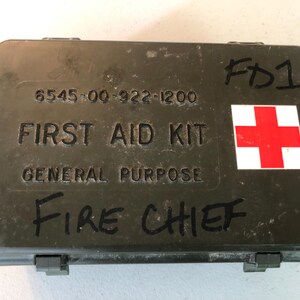 A curated display of vintage military first aid kits from World War II through the Vietnam era, showing design evolution over 30 years.
Credit: www.etsy.com
A curated display of vintage military first aid kits from World War II through the Vietnam era, showing design evolution over 30 years.
Credit: www.etsy.com
If you’re building your own modern survival kit, the layout of these vintage military designs is still the gold standard for organization: keep high-priority supplies like tourniquets and gauze in the most accessible compartment, and store the kit in a cool, dry place using airtight storage containers to protect supplies from moisture and temperature extremes that can degrade sterile materials over time. For collectors looking to expand their collection, focusing on a specific era or branch of service can help you build a cohesive, historically accurate set of kits that tell a clear story of medical innovation over time.
At their core, vintage military first aid kits are a testament to the power of simple, user-centric design: no unnecessary frills, no wasted space, every item chosen for a specific, life-saving purpose. That’s a lesson that applies as much to modern emergency preparedness as it did to soldiers in the trenches of World War I, and it’s why these kits remain just as relevant today as they were 100 years ago.

I’m Abby Lu, a passionate home cook who loves simplifying everyday meals. At PlugChef.com, I share product reviews and cooking guides to help you find the best tools for your kitchen.
Similar Posts