Are Stainless Steel Cooking Utensils Safe? Discover Now!
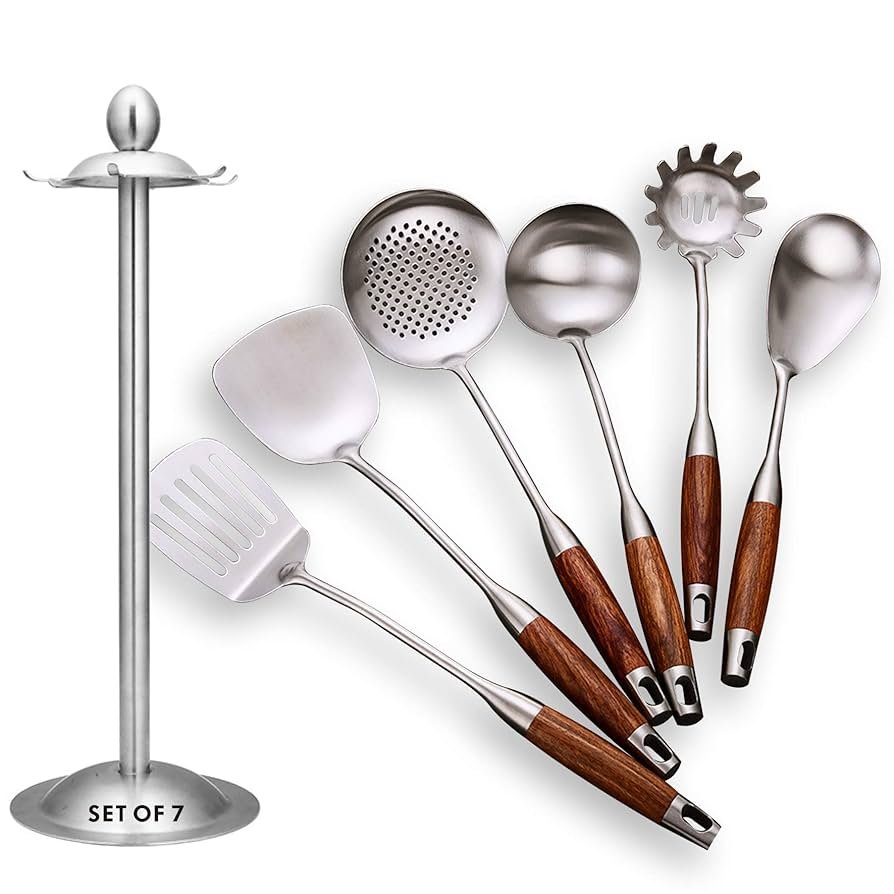
Stainless steel utensils are a staple in many kitchens, prized for their sleek look and reputation for durability. Yet questions linger about whether they truly pose no risk to health, especially when cooking acidic dishes or for those with metal sensitivities. This guide cuts through the marketing claims, explains the science behind stainless steel safety, highlights who should take extra precautions, and offers practical steps to choose and care for utensils that keep your cooking both enjoyable and safe.
What Makes Stainless Steel Utensils Safe?
The safety of stainless steel stems from its alloy composition—primarily iron, chromium, and nickel—which forms a thin, stable oxide layer on the surface. This passive film prevents the metal from reacting with most foods, thereby avoiding metallic tastes and limiting leaching. In practice, a well‑maintained utensil made from food‑grade stainless steel releases only trace amounts of chromium and nickel, levels that regulatory bodies consider negligible for the general population. The oxide layer self‑repairs in oxygen‑rich environments, so normal washing and drying help preserve this protective barrier. For more on this, see our guide on kitchen utensils storage containers with lids.
Common Grades and What They Mean
Not all stainless steel is created equal. Kitchen utensils are typically labeled with grades that indicate the percentage of chromium and nickel:
- 18/10 or 304: 18 % chromium, 10 % nickel. The most common premium grade for cookware and utensils, offering excellent corrosion resistance and a bright finish.
- 18/8 or 304L: Similar corrosion resistance with slightly lower nickel content; often used in budget‑friendly lines.
- 430: 16‑18 % chromium, negligible nickel. Magnetic and less resistant to acidic foods, making it better suited for dry storage or low‑acid tasks.
In practice, a simple magnet test can differentiate: 18/10 and 18/8 are usually non‑magnetic (or weakly magnetic), while 430 will strongly attract a magnet. Choosing a non‑magnetic, 18/10‑labeled utensil reduces the chance of nickel exposure for sensitive users.
Potential Risks: Nickel & Chromium Leaching
While the oxide layer is effective, certain conditions can compromise it. Prolonged contact with highly acidic foods—such as tomato sauce, citrus marinades, or vinegar‑based dressings—may increase the migration of nickel and chromium into the food. Scratches or abrasive cleaning can also damage the passive layer, exposing fresh metal underneath. Studies show that leached amounts remain well below tolerable daily intake levels for most people, but individuals with nickel allergies may experience skin irritation or gastrointestinal discomfort even at low doses. For more on this, see our guide on cooking concepts bamboo cutting board.
A common mistake is using harsh scouring pads or steel wool on stainless steel, which creates micro‑scratches that harbor bacteria and accelerate wear. Switching to a soft nylon brush or sponge preserves the surface and maintains safety over years of use.
Who Should Be Cautious?
If you have a diagnosed nickel allergy, even minimal leaching can trigger contact dermatitis or, in rare cases, systemic symptoms. In such cases, opting for utensils labeled “nickel‑free” (often made from 430 stainless steel or alternative materials like silicone) is advisable. For the general population, routine inspection for deep pits or heavy discoloration is sufficient; replace utensils that show significant damage to avoid potential increased leaching. For more on this, see our guide on vintage military first aid kit.
Comparing Stainless Steel to Other Utensil Materials
| Material | Pros | Cons | Best Use |
|---|---|---|---|
| Stainless steel (18/10) | Durable, rust‑resistant, non‑reactive with most foods, dishwasher safe | Can develop hot spots, may leach trace nickel/chromium if damaged | General cooking, sautéing, boiling |
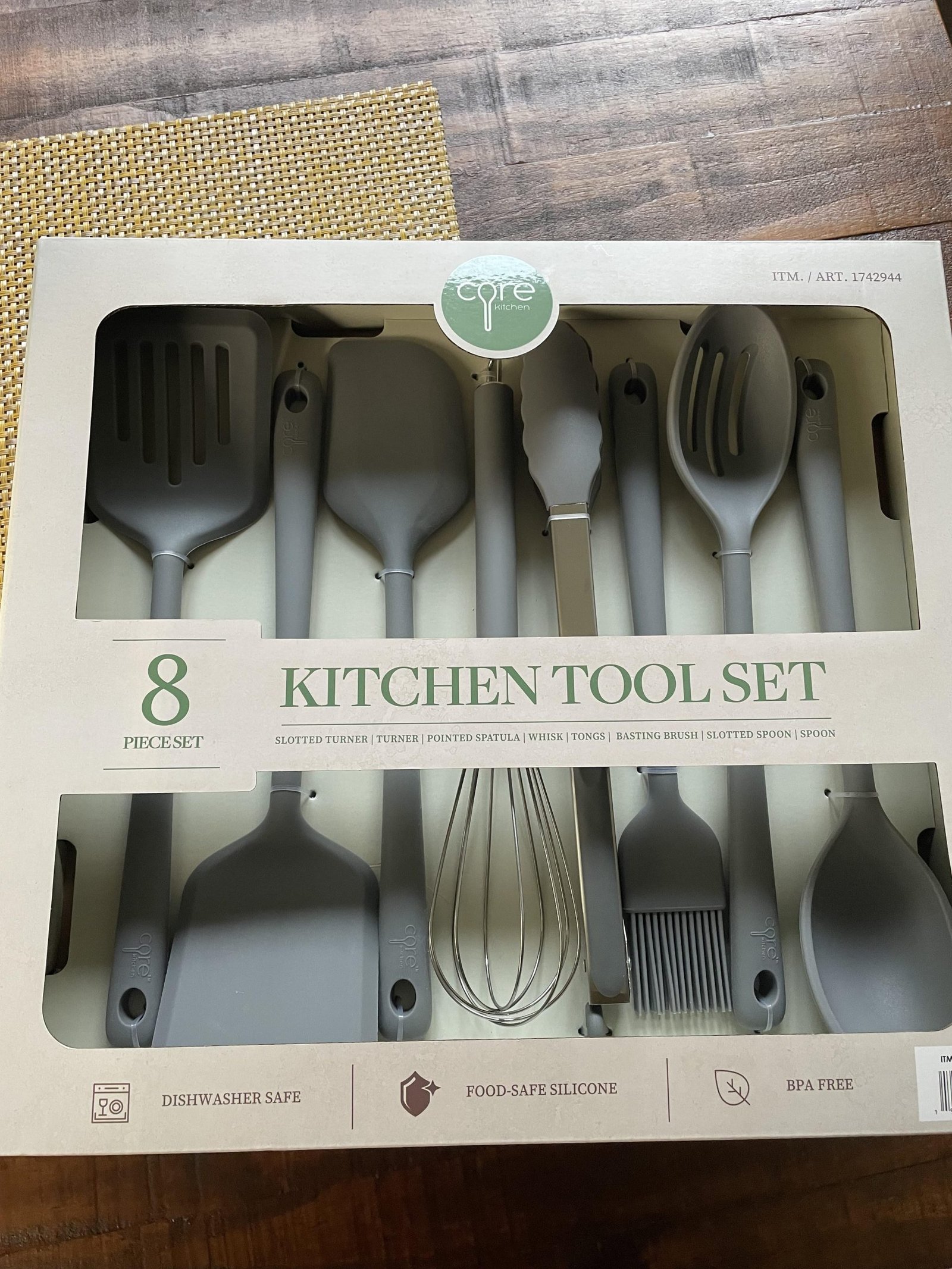
| Silicone | Flexible, heat‑resistant to ~230 °C, non‑scratch, inert | Can retain odors, less sturdy for heavy lifting | Stirring, baking, non‑stick pans |
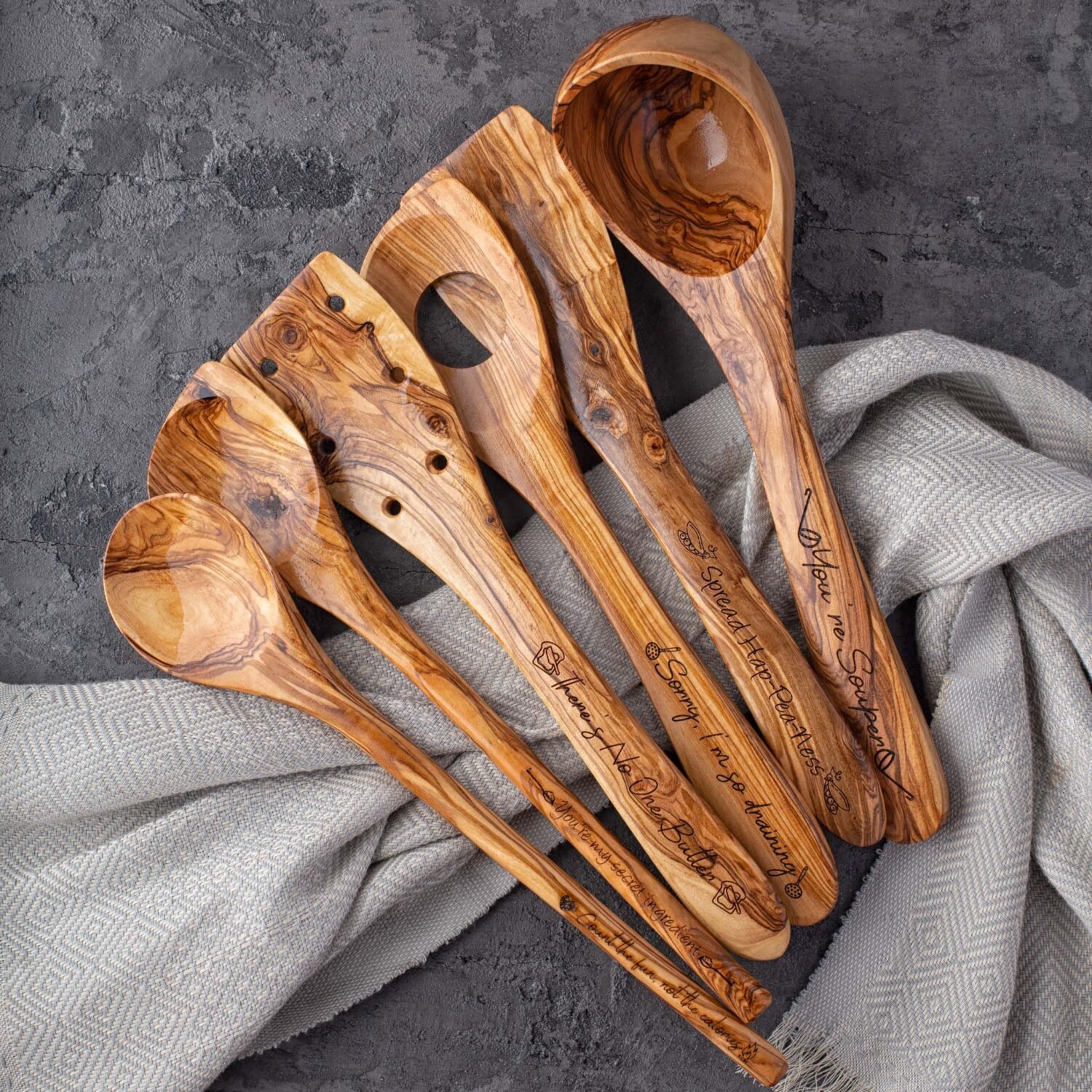
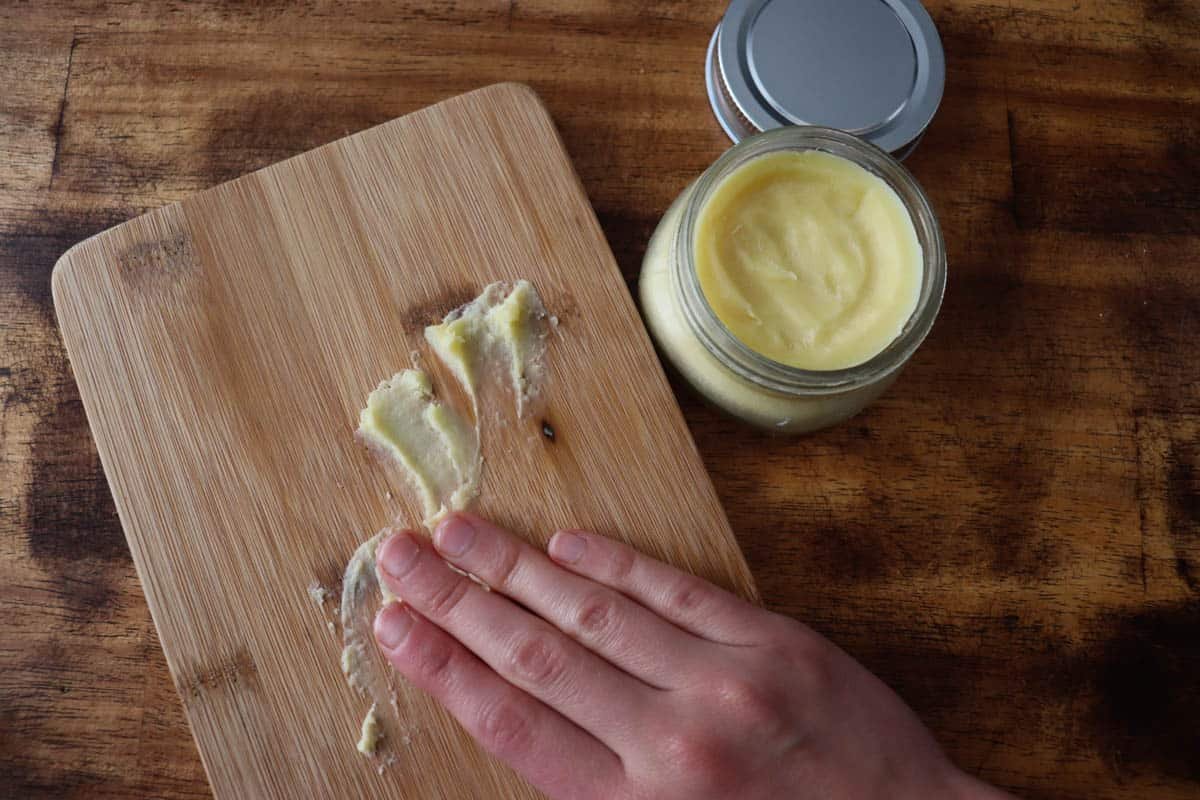
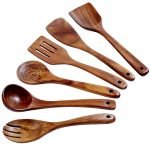
| Wood | Naturally non‑reactive, gentle on cookware | Requires regular oiling, can harbor bacteria if not dried properly | Tossing salads, gentle stirring |
| Cast iron | Excellent heat retention, develops natural non‑stick patina | Heavy, needs seasoning, reactive with acidic foods | Searing, braising, oven‑to‑table |
| Traditional non‑stick (PTFE) | Easy food release, low‑fat cooking | Coating can degrade at high heat, potential fumes if overheated | Low‑fat frying, delicate foods |
In practice, many home cooks keep a core set of stainless steel utensils for high‑heat tasks and turn to silicone or wood when protecting non‑stick surfaces or preparing acidic dishes.
Best Practices for Safe Use & Maintenance
- Choose the right grade – look for “18/10” or “304” on the packaging or stamped on the utensil.
- Avoid abrasive cleaners – use mild dish soap and a soft sponge; skip steel wool or harsh scouring pads.
- Prompt drying – wipe utensils dry after washing to prevent water spots and maintain the oxide layer.
- Moderate heat – while stainless steel tolerates high temperatures, sudden shifts from freezer to flame can cause warping; allow utensils to acclimate.
- Inspect regularly – replace any utensil with deep scratches, pitting, or persistent discoloration.
- Separate tasks – use silicone or wood utensils on non‑stick cookware to preserve both the pan and the stainless steel surface.
Following these steps not only extends the life of your tools but also minimizes any chance of metal migration.
How to Identify High‑Quality Utensils
Beyond grade labeling, consider weight and finish. A substantive heft often indicates thicker gauge steel, which resists bending and distributes stress more evenly. A mirror‑like polish suggests proper passivation during manufacturing; a dull or uneven finish may hint at shortcuts in the oxide layer formation. Trusted brands typically provide material certifications or specify “food‑grade 304 stainless steel” in the product details. When shopping online, check for clear photos of the stamp or engraving; if the seller cannot confirm the grade, it’s safer to look elsewhere. For more on this, see our guide on marine first aid kit contents list.
Frequently Asked Questions
Is it safe to cook acidic foods in stainless steel utensils?
Yes, occasional use with tomato‑based sauces or lemon juice is fine for most people. If you notice a metallic taste or have nickel sensitivity, limit exposure or switch to a coated or silicone utensil for those dishes.
Can stainless steel utensils cause metal poisoning?
Under normal kitchen conditions, the amount of nickel or chromium released is far below levels that could cause toxicity. Only individuals with specific allergies or those using heavily damaged utensils face a heightened risk. For more on this, see our guide on empty first aid kit box.
How often should I replace my stainless steel utensils?
With proper care, high‑grade utensils can last many years. Replace them when you see deep pits, cracks, or persistent staining that cannot be removed with gentle cleaning.
Are there any utensils that are completely nickel‑free?
Some manufacturers produce utensils from 430 stainless steel (low nickel) or use alternative materials like titanium‑coated alloys. Verify the product description for “nickel‑free” claims.
Conclusion
Stainless steel cooking utensils remain a safe, durable option for most households when chosen and maintained correctly. By selecting food‑grade 18/10 or 304 pieces, avoiding abrasive cleaning, and inspecting for wear, you enjoy the benefits of resistance to rust, non‑reactivity with everyday foods, and long‑term reliability. For those with nickel allergies or who frequently cook highly acidic dishes, consider supplementing your kit with silicone, wood, or certified nickel‑free alternatives.
Take a moment now to check the markings on your current utensils—if they read 18/10 or 304 and show no deep scratches, they’re likely serving you well. If you’re unsure, a quick magnet test can confirm whether you’re holding a low‑nickel, food‑grade piece. Proper care today keeps your kitchen tools performing safely for countless meals to come.

Hi, I’m Daniel Brooks—a food lover and kitchen gear enthusiast. I enjoy testing cookware, utensils, and gadgets to see what really works in everyday cooking. At PlugChef.com, I share honest reviews, comparisons, and simple guides to help you choose the best tools for a safer, smarter, and more enjoyable kitchen.
Similar Posts