How to Disinfect Wood Cutting Board: Ultimate Guide

Wood is a porous, organic material that behaves very differently from plastic or metal when it comes to hygiene. While many home cooks believe that wood acts as a natural antimicrobial surface, this is a half-truth that can lead to dangerous cross-contamination if not managed correctly. Bacteria from raw meat, poultry, or eggs can penetrate the grain of your cutting board, surviving daily washing cycles and waiting for the next meal to infect.
This guide provides a rigorous, step-by-step protocol for disinfecting wooden boards safely. We will move beyond basic washing to effective sanitizing methods that kill pathogens without ruining the wood. You will learn how to use vinegar, baking soda, and specialized food-safe sanitizers, alongside critical maintenance routines that prevent warping and mold. Whether you are dealing with a stubborn onion smell or preventing Salmonella after a grill session, these techniques ensure your kitchen remains a safe environment. For more on this, see our guide on cooking concepts bamboo cutting board.
Why Wood Cutting Boards Require Specific Disinfection
Understanding the material science of wood is the first step toward effective cleaning. Unlike non-porous plastic, wood has tiny microscopic capillaries that absorb liquid. When you chop raw chicken, blood and bacterial load enter these pores. Standard rinsing with water and soap removes surface debris but often fails to penetrate deep enough to kill embedded pathogens.
The Myth of Wood’s Natural Sterility
It is a common misconception that certain woods (like cherry or end-grain maple) are inherently sterile. While some wood species contain natural compounds that can inhibit bacterial growth over time, they do not kill existing bacteria. In practice, if you cut raw salmon and then prepare a fruit salad on the same board without a proper disinfection step, you are at risk of cross-contamination. The wood’s "self-sterilizing" reputation is largely an exaggeration; without active intervention, bacteria multiply rapidly in the warm, moist environment of a kitchen. For more on this, see our guide on do titanium cutting boards dull knives.
The Danger of Moisture Traps
The biggest enemy of a wooden board is not just bacteria, but the moisture that allows it to thrive. If water sits in the grain for more than a few hours, it creates a breeding ground for mold and Staphylococcus. This is why the drying process is just as important as the washing process. A board that is washed but stored flat and damp is a hygiene hazard.
Essential Materials for Safe Wood Disinfection
You do not need a pharmacy cabinet full of chemicals to keep your board safe. Most effective disinfectants for wood are found in the standard grocery aisle. However, choosing the right agent for the right job is crucial to avoid damaging the finish or leaving unsafe residues. For more on this, see our guide on vintage military first aid kit.
Food-Safe Natural Agents
- White Vinegar: A weak acid that lowers the pH of the surface, inhibiting many common pathogens. It is gentle on wood finishes.
- Coarse Salt: Acts as a mild abrasive to scrub away food particles and grime without scratching the wood.
- Lemon Juice: Contains citric acid and acts as a natural bleach and deodorizer. It pairs well with salt for scrubbing.
- Baking Soda: A weak base that neutralizes acids (and odors) and acts as a soft abrasive. It is ideal for removing grease and neutralizing acidic food residues.
Commercial and Chemical Options
- Hydrogen Peroxide (3%): An effective oxidizer that kills bacteria and viruses. It is food-safe when used correctly but can bleach light-colored wood if left on too long.
- Food-Grade Mineral Oil: Not a cleaner, but essential for protection. It seals the wood, making the surface less porous and harder for bacteria to penetrate.
- Diluted Bleach Solution: Use with extreme caution. Bleach is effective at killing pathogens but is corrosive to wood over time. It should only be used on heavily contaminated boards and rinsed immediately. For daily use, vinegar or hydrogen peroxide is superior.

Credit: www.thespruce.com
A wooden board prepared with lemon for a natural scrub, illustrating the use of acidic cleansers.
Step-by-Step: How to Disinfect After Raw Meat
This is the most critical cleaning moment. After chopping raw poultry, pork, or beef, you must follow a specific protocol to ensure safety. Do not simply rinse the board.
Step 1: Immediate Scraping
Before the meat juices dry, use a spatula or the back of a knife to scrape off large food particles. Scrape the board toward the sink, not the floor. For more on this, see our guide on marine first aid kit contents list.
Step 2: Hot Water and Soap Wash
Fill a sink or basin with hot water and a few drops of dish soap. Submerge the board and scrub it vigorously with a stiff-bristled brush or a dedicated board scrubber. Pay special attention to the knife groove (the channel where the handle rests), as this is a prime trap for bacteria.
Step 3: Rinsing and Drying
Rinse the board under hot running water to remove soap and debris. Shake it dry, then stand it vertically to allow air to circulate. Do not let it sit flat in a sink cabinet.
Step 4: Sanitizing with Vinegar
Mix one part white vinegar with one part water. Spray this solution generously over the board. Let it sit for 3–5 minutes. The acetic acid helps neutralize odors and kill surface bacteria. Wipe the board with a clean, dry towel.
Pro Tip: For a more potent disinfection after handling particularly risky items like game meat or fish, use a solution of 1 tablespoon of white vinegar per cup of water. Let it sit for a full 5 minutes before wiping.
Deep Cleaning: Tackling Stubborn Stains and Odors
Even with good daily habits, wooden boards accumulate years of stains and odors. A deep clean every few months restores the board to a hygienic baseline.
The Baking Soda and Vinegar Reaction
This method uses the fizzing reaction between acid and base to lift dirt from the wood pores.
- Sprinkle: Cover the entire surface of the board with a generous layer of baking soda.
- Apply Vinegar: Pour white vinegar over the baking soda. The mixture will fizz aggressively. This reaction helps break down grime.
- Scrub: Use a scrub brush to work the mixture into the wood. Focus on stained areas.
- Rest: Let the mixture sit for 5–10 minutes.
- Rinse and Dry: Rinse thoroughly with warm water and dry completely as described in the daily routine.
Using Coarse Salt and Lemon for Odor Removal
For boards that smell strongly of garlic, onions, or fish:
- Sprinkle coarse salt over the board.
- Cut a lemon in half and rub the cut side over the board, working the salt into the wood.
- Let the lemon juice sit for 10 minutes. The citric acid will cut through the odor molecules.
- Rinse with warm water and dry.
This method not only removes the smell but also acts as a mild bleach, helping to fade fresh meat stains.
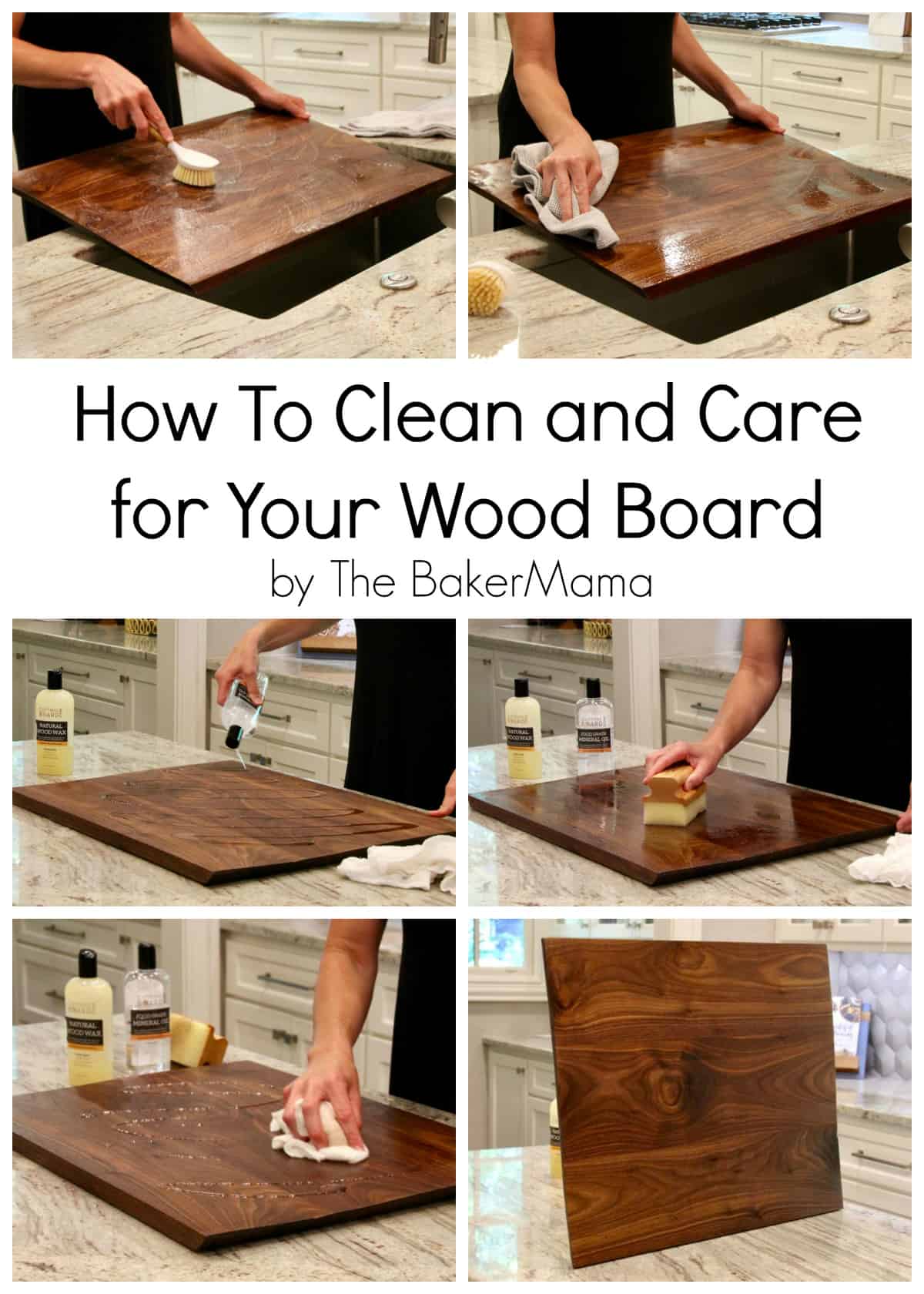
Credit: thebakermama.com
Baking soda and vinegar reacting on a wooden surface, a common deep-cleaning technique for porous items.
Advanced Sanitization: When to Use Hydrogen Peroxide
If you suspect significant bacterial contamination or if you have an immunocompromised individual in the household, vinegar may not be sufficient. Hydrogen peroxide (3% concentration, sold as common household strength) is a stronger oxidizer.
The Protocol
- Spray: Lightly spray the board with undiluted 3% hydrogen peroxide.
- Wait: Allow it to sit for at least 5 minutes. This dwell time is necessary for the chemical to kill pathogens.
- Rinse: Rinse with warm water.
- Dry: Wipe dry immediately.
Caution: Hydrogen peroxide can bleach wood. If you have a light-colored maple board, test it on a small, inconspicuous area first. For dark woods like walnut, this method is usually safe. Avoid mixing hydrogen peroxide with vinegar, as this can create oxygen bubbles and reduce effectiveness for disinfection purposes (though some use it for cleaning power, it is not the standard recommendation for sanitizing).
Storage and Drying: The Most Overlooked Step
You can disinfect a board perfectly, but if you store it incorrectly, you will re-contaminate it or ruin the wood. Moisture is the catalyst for mold and warping.
Proper Drying Techniques
- Stand It Up: Always store your board upright against a wall or in a vertical board rack. This allows air to circulate on both sides.
- No Flat Stacking: Never stack one board on top of another. The trapped moisture between them creates a humid microclimate where mold thrives.
- Avoid Closed Cabinets: Do not put a damp board in a closed cabinet. The lack of airflow will cause the wood to swell and potentially warp within hours.
Choosing the Right Storage Location
- Ventilated Area: If you must store a board flat, place it in a well-ventilated area where air can move across the surface.
- Away from Heat: Keep boards away from ovens or direct sunlight, which can dry the wood out too quickly, leading to cracking.
- Clean Surface: Ensure the rack or wall where you lean the board is clean. Dust and debris can transfer back onto your sanitized surface.
Preventing Future Contamination: The Color-Coding System
The easiest way to prevent cross-contamination is to not need to disinfect as urgently. Adopting a color-coding system for your cutting boards is a professional kitchen practice that works well at home.
Assigning Boards
- Red or Brown: Raw meat and poultry. These boards get the most aggressive disinfection.
- Green or White: Fruits and vegetables. These require standard washing and light sanitizing.
- Blue: Seafood.
- Yellow: Poultry.
- Clear/Unmarked: Baked goods and dry ingredients.
By keeping separate boards for high-risk items, you limit the exposure of your "clean" boards to raw pathogens. This reduces the frequency of deep disinfection required for your vegetable-prep board.
Maintenance: Oiling to Seal and Protect
Disinfection removes germs, but oiling protects the wood. A well-oiled board has a sealed surface that is harder for bacteria to penetrate.
How to Oil Your Board
- Dry Completely: Ensure the board is 100% dry. Water and oil do not mix.
- Choose Food-Grade Oil: Use food-grade mineral oil or a commercial board oil (often a blend of mineral oil and beeswax). Do not use vegetable, olive, or flaxseed oil. These oils go rancid and become sticky, attracting dirt and harboring bacteria.
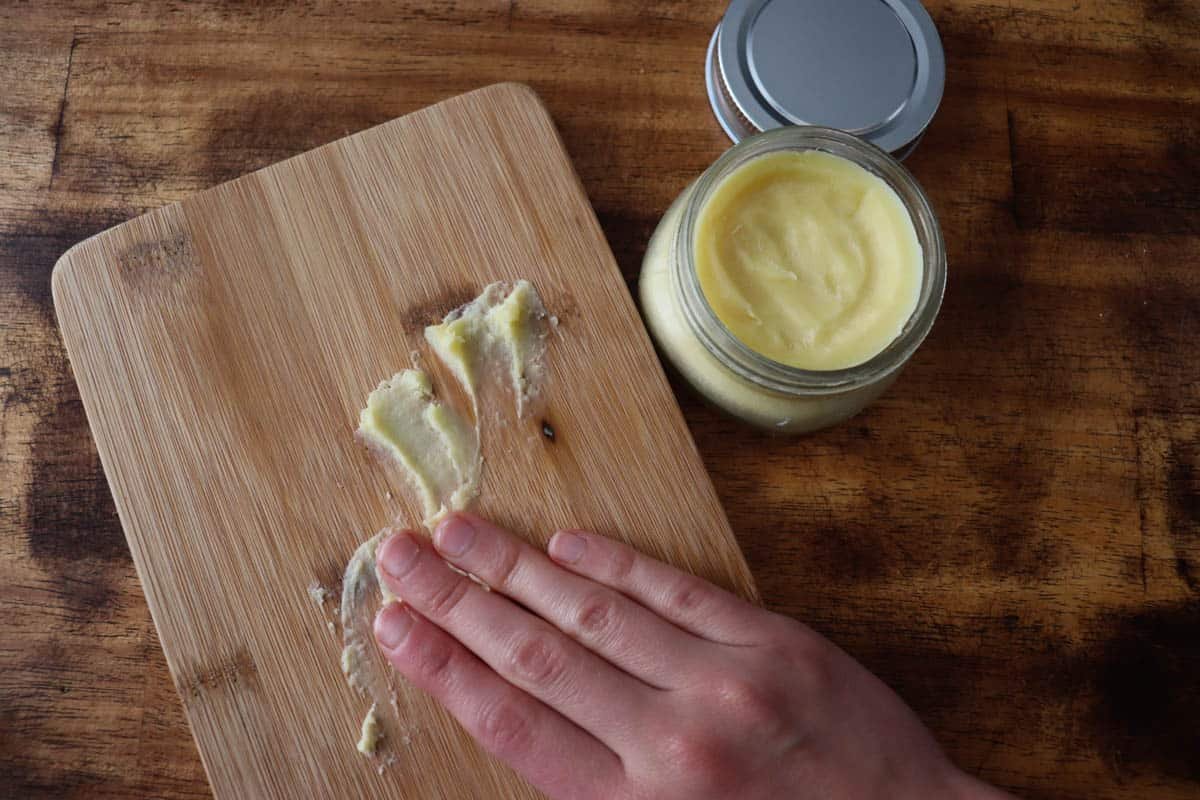
- Apply Generously: Pour a pool of oil on the board and spread it evenly with a clean cloth.
- Soak: Let the oil soak in for at least 2 hours (or overnight for new or dried-out boards).
- Wipe Excess: Wipe away any unabsorbed oil with a clean rag.
Repeat this process every 1–3 months, or whenever the wood looks dry or pale.

Credit: www.realsimple.com
Applying food-grade mineral oil to protect the wood surface and seal the pores.
When to Throw It Out: Signs of End-of-Life
No wooden board lasts forever. There are clear signs that it is no longer safe to use, regardless of how well you clean it.
- Deep Cuts: If you have knife cuts that are deep enough to catch a fingernail, bacteria can live in these crevices where no cleaner can reach. If you cannot sand them out smoothly, replace the board.
- Cracks: Cracks allow water to penetrate the core of the wood, leading to structural failure and mold growth deep inside the material.
- Warping: A warped board does not sit flat on the counter, leading to slipping and making it impossible to clean effectively.
- Persistent Odor: If you have performed the deep clean and oiling routine, and the board still smells like raw meat or mold, the bacteria have infiltrated the wood structure too deeply. Discard it.
Frequently Asked Questions
Can I put a wooden cutting board in the dishwasher?
No. The extreme heat and prolonged exposure to water in a dishwasher will cause wood to warp, crack, and split. Wooden boards must always be washed by hand.
Is it safe to use bleach on wood cutting boards?
It is safe in small quantities for immediate disinfection of raw meat contamination, but it should not be your routine cleaner. Bleach is corrosive to wood and can strip the finish over time. If you use it, rinse it off immediately and thoroughly, then dry the board.
How long do bacteria survive on a wooden board?
Research suggests that Salmonella can survive for several hours on wood surfaces, while E. coli can last up to 17 hours. Because wood is porous, bacteria can penetrate deeper than on plastic. This is why rapid disinfection after handling raw foods is critical. For the latest on food safety guidelines, check resources from the FDA food safety page.
What is the best wood for a cutting board?
Hardwoods like maple, cherry, and walnut are ideal. They are dense enough to resist knife marks and have tight grain structures that limit liquid penetration. Avoid softwoods like pine, which are too porous and can splinter easily.
Conclusion
Maintaining a hygienic wooden cutting board is a balance between aggressive disinfection and gentle care. By adhering to the protocol of immediate washing after raw meat use, regular deep cleaning with vinegar and baking soda, and consistent oiling, you extend the life of your kitchen tools and protect your household from foodborne illness.
Do not rely on the myth that wood cleans itself. Take active steps: scrub, sanitize, stand upright to dry, and oil regularly. If you are looking to expand your kitchen safety kit beyond just the board, consider evaluating your general preparedness with a comprehensive first aid kit for college or a similar home emergency setup to ensure you are ready for any minor injury that might occur while cooking. Prioritize your hygiene habits today for safer meals tomorrow.

Hi, I’m Daniel Brooks—a food lover and kitchen gear enthusiast. I enjoy testing cookware, utensils, and gadgets to see what really works in everyday cooking. At PlugChef.com, I share honest reviews, comparisons, and simple guides to help you choose the best tools for a safer, smarter, and more enjoyable kitchen.
Similar Posts