Washer Dryer Under Kitchen Counter: Maximize Space with Top Covers
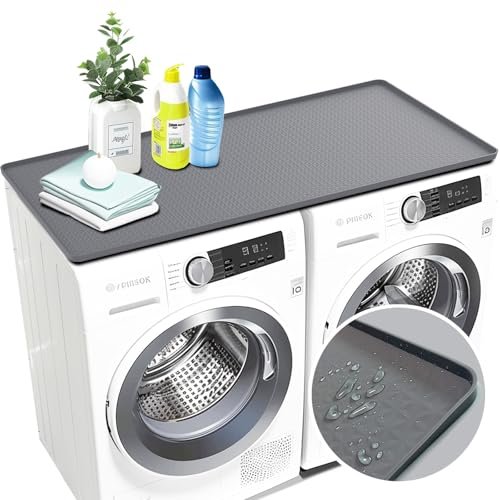
Putting a washer dryer under the kitchen counter is one of the most effective ways to reclaim floor space in modern homes. This layout works especially well in studio apartments, small kitchens, or laundry rooms where every square foot counts. By tucking the appliances beneath the counter, you create a cleaner visual line and free up the area above for cabinets, countertops, or extra storage. The key is choosing the right protective covers, mats, or countertop units that fit your specific measurements and usage habits.
Why a Top Cover or Protector Matters
Appliance tops take a beating. Detergent bottles, lint, moisture, and accidental spills can degrade surfaces over time. A dedicated cover or mat acts as a sacrificial layer, preserving the appliance’s finish and making cleanup simpler. Beyond protection, many covers double as a functional folding surface, turning the top of your washer or dryer into a temporary workspace. In practice, users report that a non-slip mat keeps items from sliding off during vibration cycles, and a waterproof barrier prevents floor damage from the occasional leak. For more on this, see our guide on best blenders for smoothies under 100.
Selecting the Right Fit for Your Space
Before purchasing, measure the depth, width, and height of your appliances and the under-counter clearance. Standard full-size washers and dryers are typically about 27 inches wide, but compact or stackable units vary. Look for covers labeled “universal fit” if your measurements fall within the 27–27.5 inch range, but always verify the listed dimensions against your own. Adjustable or trim-friendly designs offer more leeway if your space isn’t perfectly standard.
2‑Tier Countertops for Added Organization
A 2‑tier countertop adds a raised platform and often includes an adjustable shelf beneath. This configuration is ideal for storing detergent, fabric softener, dryer sheets, and folding baskets within easy reach. The upper shelf can hold frequently used items, while the lower shelf accommodates heavier bottles or bulk supplies. When selecting a 2‑tier unit, check that the shelf height is adjustable; this lets you customize the gap between tiers to accommodate taller appliances or larger baskets. For more on this, see our guide on kitchen hood cleaning certification online.
 Two-tier design with walnut finish and adjustable shelf for laundry storage
Silicone Mats and Drain Pans: Waterproof Floor Protection
Silicone mats and drain pans are the most common choice for protecting kitchen flooring from water, lint, and vibration. A waterproof mat beneath the washer and dryer catches spills, condensation, and small leaks before they reach the floor. Many models also feature anti-vibration properties, which reduce noise and prevent the appliances from “walking” across the floor during operation. For renters or those avoiding permanent installations, a simple mat can be placed and removed without tools or adhesives.
 Waterproof silicone drain pan positioned under appliances to catch leaks and spills
 Anti-vibration mat reducing noise and appliance movement during cycles
Protective Covers for Appliance Tops
Top covers serve a dual purpose: they shield the machine’s surface from scratches, heat, and detergent residue, while providing a stable, often non-slip platform for folding clothes or placing supplies. Silicone covers are prized for their ease of cleaning—most can be wiped down with a damp cloth or mild detergent. Wooden or composite countertop-style covers offer a more permanent, stylistic upgrade but may require more care to avoid water damage. Choose a material that matches your willingness to maintain it and the overall aesthetic of your kitchen. For more on this, see our guide on kitchen brushes for cleaning.
 Dark gray waterproof cover protecting appliance top in kitchen setting
 Heavy-duty mat providing stable, non-slip surface for appliance tops
 Wooden countertop with anti-slip pads and sleek black design
 Two-piece leak-proof covers designed for standard washer and dryer tops
Countertop Materials: Wood, Composite, and Their Trade-offs
Wooden countertops, like the VEVOR model, bring warmth and a high-end look to the laundry area. They’re durable but can warp if exposed to frequent moisture, so a protective mat or liner is recommended beneath any wet items. Composite or laminate surfaces resist moisture better and are often easier to sanitize, making them suitable for high-traffic laundry rooms. Consider your lifestyle: if you frequently deal with spills, a moisture-resistant material with a sealed surface will save long-term upkeep.
Installation and Safety Tips
Always follow the manufacturer’s installation guide. Ensure there’s at least 1 inch of clearance on all sides for proper airflow and venting. Use a level to check that the appliances sit evenly; an unlevel washer can cause excessive vibration and noise. If you’re adding a countertop or shelf, verify that the combined weight of the appliances plus the cover won’t exceed the cabinet or floor load rating. For rented spaces, adhesive-free mats and freestanding covers avoid permanent modifications. For more on this, see our guide on commercial kitchen hood cleaner.
Frequently Asked Questions
Can I use a washer dryer cover on a compact or stackable unit?
Yes, many covers and mats are marketed as “universal fit,” but always check the width and depth dimensions against your specific model. Compact units may be narrower (often 24 inches), so a cover designed for standard 27‑inch appliances will hang over the edges.
Do I really need a waterproof mat under my washer and dryer?
If your appliances are older or you’ve noticed condensation or the occasional drip, a waterproof mat is a low-cost insurance policy. It protects your kitchen flooring from water damage and makes cleanup quick—just wipe the mat off or toss it in the sink. For more on this, see our guide on industrial kitchen cleaning companies.
How do I keep the appliance top from sliding during the spin cycle?
A non-slip silicone mat or a cover with a textured surface prevents movement. Some users also place a thin rubber pad beneath the appliance feet for extra grip.
What’s the typical lifespan of a silicone washer dryer cover?
With regular cleaning and avoiding sharp objects, a quality silicone cover can last several years. Exposure to high heat from the dryer’s vent may degrade the material faster, so keep the cover away from direct vent airflow if possible.
Conclusion
Integrating a washer dryer under your kitchen counter, paired with the right top cover or protective mat, transforms a cramped laundry area into an organized, functional space. Silicone mats deliver reliable waterproof protection and vibration damping, while 2‑tier countertops add valuable storage for laundry essentials. Wooden or composite countertops offer style and durability, provided you choose a moisture‑resistant material and use a liner for wet items. Measuring your appliances, considering your daily usage patterns, and selecting a cover that fits both your dimensions and aesthetic will ensure a seamless setup. Prioritize non-slip, easy‑clean surfaces to keep your routine running smoothly and your kitchen looking tidy.
Explore the range of covers, mats, and countertops available and find the combination that best fits your kitchen layout and laundry habits. A well-chosen setup not only maximizes space but also extends the life of your appliances and simplifies your weekly chores.
CTA: Ready to optimize your kitchen laundry space? Browse top-rated washer dryer covers and mats online to see which style fits your home and budget.
Quick Comparison: Cover Types at a Glance
| Feature | Silicone Top Covers | Wooden Countertops | Drain Pans | 2‑Tier Countertops |
|---|---|---|---|---|
| Primary Use | Protect appliance tops | Style + protection | Floor protection | Storage + protection |
| Moisture Resistance | High | Low–Medium | Very High | Low (unless coated) |
| Vibration Damping | Good | Poor | Good | None |
| Installation Time | Minutes | 15–30 minutes | Minutes | 30–60 minutes |
| Maintenance Level | Low | Medium | Low | Medium |
| Aesthetic Impact | Modern, neutral | Warm, premium | Hidden | Open, organized |
| Best For | Daily-use kitchens | Design-focused spaces | Older appliances | Small laundry rooms |
Before You Buy: A 6‑Step Buying Checklist
Use this checklist to ensure your selection matches your needs before finalizing a purchase.
- Measure your appliances — Record width, depth, and height. Standard units are 27 inches wide; compact models are often 24 inches. Note the clearance above the machine for ventilation.
- Check ventilation requirements — Confirm your dryer needs at least 1–2 inches of clearance on the sides and back. A countertop that blocks airflow can overheat the unit and shorten its lifespan.
- Assess moisture exposure — If you frequently deal with spills or condensation, prioritize waterproof or moisture‑resistant materials. Wood can swell; laminate and silicone handle moisture better.
- Consider load capacity — Heavy wooden countertops add weight. Ensure your under‑counter cabinetry can support the combined load of appliances plus the countertop.
- Plan for cleaning access — A drain pan should be easy to slide out for wiping. Silicone covers should lift off cleanly without tearing. Avoid adhesive‑backed mats in rented properties.
- Verify return policies — Check the retailer's return window and condition requirements. If your measurements were off, you'll want flexibility to exchange for a better fit.
Maintenance Tips to Extend Cover Life
A protective cover is only as good as the care you give it. Follow these simple practices to keep your setup looking and functioning well over time.
- Clean after heavy use — Wipe down silicone covers weekly with a damp cloth and mild dish soap. Avoid abrasive pads that can scratch the surface.
- Inspect for wear — Check edges and corners monthly for tears, curling, or discoloration. Replace the cover before damage spreads to the appliance surface.
- Dry thoroughly — After cleaning, allow mats and covers to air‑dry completely before repositioning. Trapped moisture can promote mold or mildew growth, especially in humid climates.
- Store spares flat — If you have a backup cover or mat, store it rolled or folded without sharp creases to prevent permanent deformation.
- Keep vents clear — Never place covers over dryer exhaust ports. Blockage causes overheating, which damages both the appliance and the cover material.
Troubleshooting Common Fit Issues
| Problem | Likely Cause | Solution |
|---|---|---|
| Cover keeps sliding off | Insufficient friction on appliance top | Add a non‑slip pad between appliance and cover |
| Condensation forms under mat | Inadequate ventilation or airflow | Raise the appliance slightly using felt pads to create an air gap |
| Wood countertop warping | Frequent exposure to moisture | Add a silicone liner underneath; avoid placing wet items directly on wood |
| Cover edges curling up | Heat damage from dryer exhaust | Move the cover away from vent airflow or switch to a heat‑resistant material |
| Appliance "walking" across floor | Vibration exceeds mat grip | Use a thicker anti‑vibration mat or tighten leveling feet |
Long‑Term Durability: What to Expect
Silicone covers typically last 3–5 years with regular use. They may discolor slightly over time but retain their protective function.
Wooden countertops can last 10+ years if sealed and kept dry. Refinishing the surface every few years maintains the finish and extends usability.
Drain pans are low‑maintenance and often last the lifetime of the appliance. Inspect for tears annually; replace if the material thins or cracks.
2‑Tier countertop units depend on material quality. Metal frames with laminate tops are generally durable; plastic components may crack or fade with extended sun exposure.
Investing in a higher‑quality initial purchase often pays off in reduced replacement frequency and sustained performance.
Room Design Considerations for Under‑Counter Layouts
When arranging the washer and dryer beneath your kitchen counter, think about the broader room flow. A common mistake is placing the appliances in a spot that obstructs foot traffic or cabinet access. Instead, position them where daily use aligns with your workflow—near the kitchen sink for water access, or adjacent to a cabinet for detergent storage.
Keep these design principles in mind:
- Maintain sight lines — The under‑counter placement should not block views into the kitchen or into adjacent rooms. Transparent or light‑colored covers help preserve an open feel.
- Preserve cabinet access — Ensure that drawer and door operations aren't impeded by the appliances or their covers. Test by opening and closing cabinets fully after installation.
- Plan for future changes — If you might relocate or replace appliances later, avoid permanent fixtures. Use freestanding covers and non‑adhesive mats that can be easily removed.
- Match your kitchen style — A dark gray silicone mat blends with modern, minimalist kitchens. A walnut countertop complements traditional or farmhouse designs. Choose a finish that feels cohesive rather than utilitarian.
Energy Efficiency and Ventilation
Proper ventilation isn't just about comfort—it affects energy efficiency and safety. When a dryer operates with restricted airflow, it works harder to reach the target temperature, increasing energy consumption and wear on the heating elements. The Department of Energy recommends cleaning dryer vents at least annually to maintain optimal performance.
For under‑counter installations, ensure the following:
- The dryer exhaust path is unobstructed and leads to the exterior of the home.
- Lint traps are cleaned after every load—lint buildup is a leading cause of residential fires.
- The space beneath the counter has some form of air circulation, even if just a small vent gap.
Improper ventilation not only wastes energy but also creates a fire hazard. Treat vent maintenance as a routine safety task, not an optional chore.
Where This Fits in Your Home Organization Strategy
Placing the washer and dryer under the kitchen counter is one tactical decision within a broader home organization plan. If you're looking to streamline other areas of your home, consider how your laundry setup connects to adjacent tasks—dishwashing, food prep, and general tidiness.
A compact kitchen with integrated laundry means you can move laundry items directly to storage without crossing the entire home. This flow matters in small spaces where unnecessary walking adds up over time. Think about where folded clothes naturally end up—closets, bedrooms, or storage drawers—and position the under‑counter units accordingly.
If your kitchen is part of an open‑plan living area, the aesthetic of your cover and countertop choices becomes part of the overall design language. A well‑chosen cover can look intentional rather than incidental, supporting a clean visual narrative throughout the space.
Final Recommendation
The right washer dryer under‑counter setup balances protection, organization, and style. Start with accurate measurements and a clear understanding of your moisture and ventilation needs. From there, select a cover type that matches your lifestyle: silicone for low‑maintenance daily use, wood for premium aesthetics, or a 2‑tier countertop for maximum storage. Follow the maintenance tips above to extend the life of both your covers and your appliances.
This isn't a one‑time decision—reassess your setup annually as your needs change. A small adjustment today prevents larger problems down the road. Choose carefully, install thoughtfully, and enjoy the streamlined space you've created.

Hi, I’m Daniel Brooks—a food lover and kitchen gear enthusiast. I enjoy testing cookware, utensils, and gadgets to see what really works in everyday cooking. At PlugChef.com, I share honest reviews, comparisons, and simple guides to help you choose the best tools for a safer, smarter, and more enjoyable kitchen.
Similar Posts