How to Care for Bamboo Cooking Utensils: Expert Tips
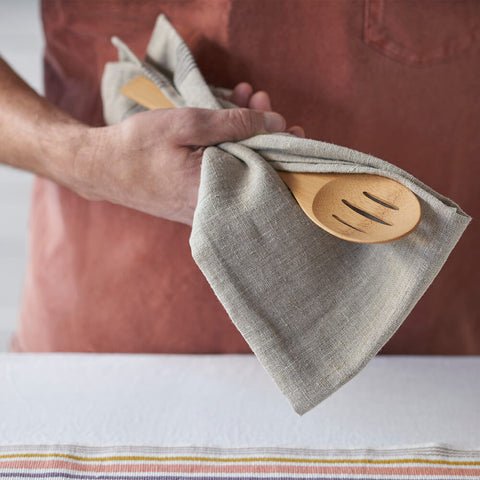
Bamboo utensils bring a light, renewable touch to the kitchen, but they need specific care to stay smooth, odor‑free, and safe for food contact. This guide walks you through every step—from the first wash to responsible disposal—so your tools stay reliable for years.
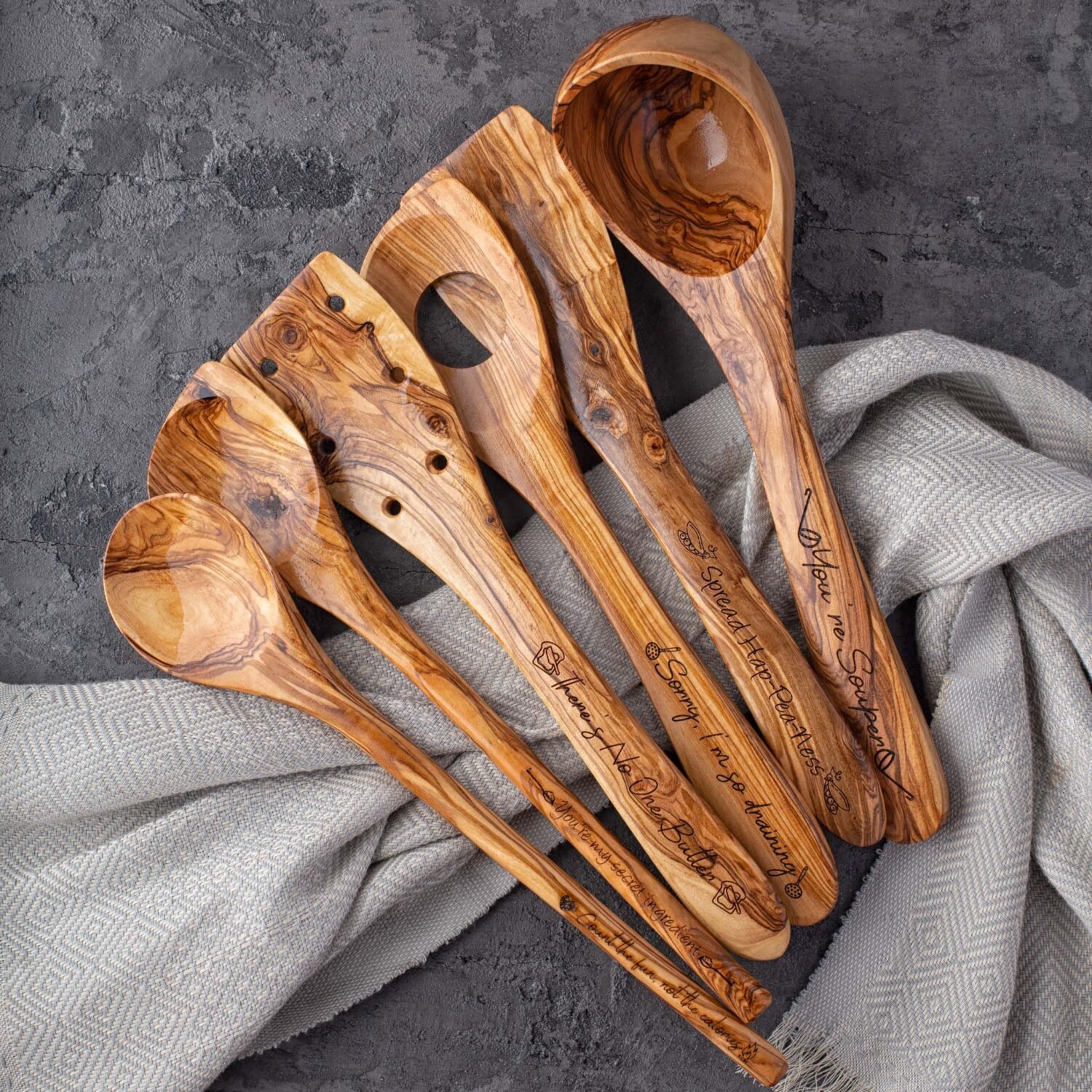
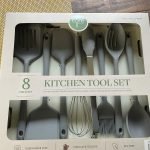
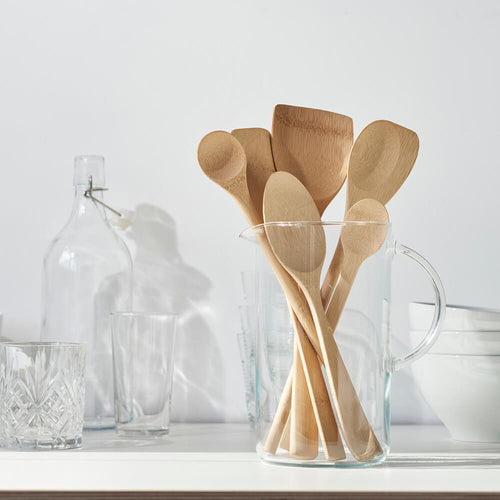
 A variety of bamboo spoons, spatulas, and tongs ready for use.
Understanding Bamboo as a Kitchen Material
Bamboo is a grass, not a wood, which gives it a unique combination of strength and flexibility. Its fibers run longitudinally, making it resistant to cracking when handled correctly, but it can absorb water and swell if left wet. The natural silica in bamboo provides mild antimicrobial properties, yet those benefits diminish if the surface becomes rough or oily buildup traps food particles. For more on this, see our guide on cooking concepts bamboo cutting board.
Initial Preparation: Cleaning and Oil Treatment
Before first use, rinse each utensil under warm water to remove any manufacturing dust. Wash with a drop of mild dish soap and a soft sponge, avoiding abrasive pads that can fray the fibers. Pat dry with a lint‑free towel and let the pieces air‑dry completely.
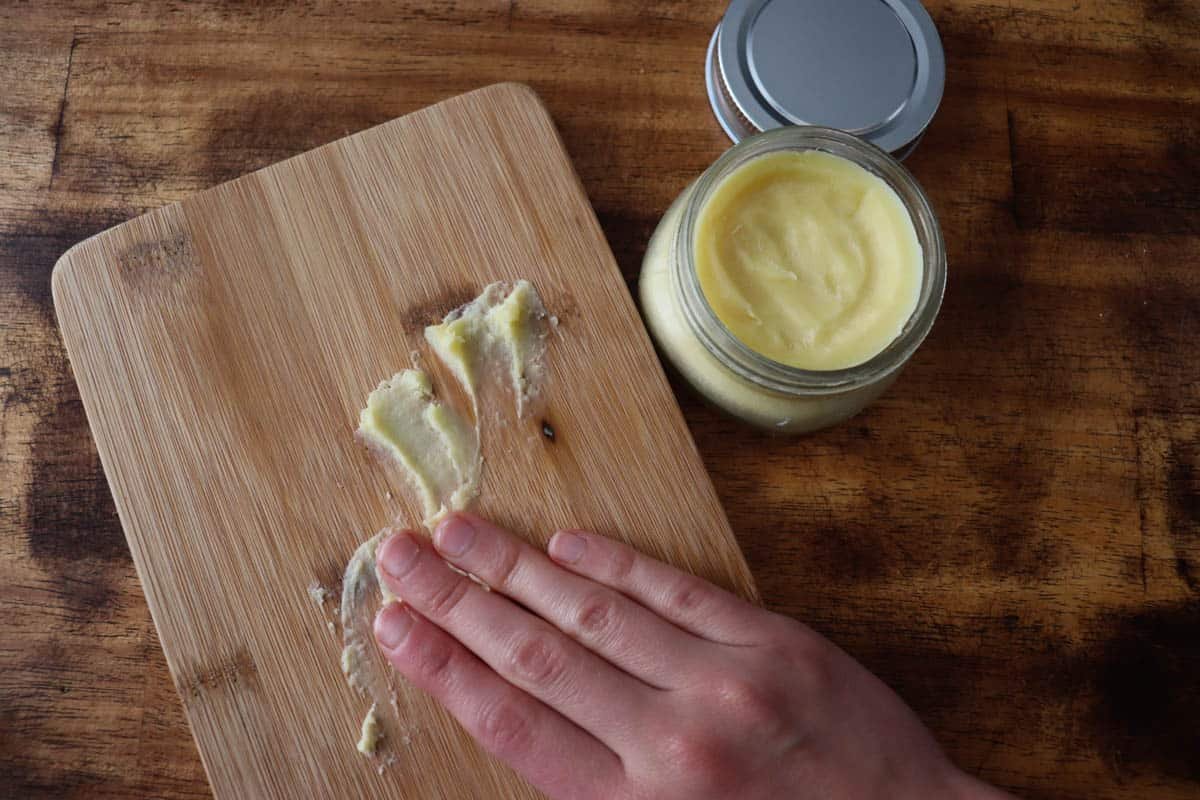
Next, apply a food‑grade mineral oil or specialized bamboo oil. Pour a small amount onto a clean cloth and rub it into the entire surface, paying extra attention to the handles and any joints. Let the oil soak for at least two hours, then wipe off excess. This initial seal reduces the likelihood of early cracking and prepares the utensil for regular use. For more on this, see our guide on easy care first aid kit.
Tip: Store the oiled utensils in a dry drawer; the oil will continue to penetrate over the next 24 hours.
 Applying oil helps prevent cracking and keeps the surface smooth.
Daily Cleaning Routine
After each cooking session, wash bamboo utensils promptly with warm water and a gentle soap. Use a soft sponge or cloth; avoid steel wool or harsh scouring pads that can create micro‑scratches where bacteria hide. Rinse thoroughly to eliminate soap residue, which can become sticky over time.
Dry immediately with a clean towel, then leave the utensils upright in a well‑ventilated area to ensure any hidden moisture evaporates. Never leave them to soak in the sink, as prolonged water exposure weakens the fibrous structure and encourages warping. For more on this, see our guide on kitchen utensils storage containers with lids.
Deep Cleaning and Stain Removal
Even with daily care, occasional stains or lingering smells can appear. For light discoloration, make a paste of baking soda and water, apply to the affected area, and let it sit for five minutes before gently scrubbing with a soft cloth. Rinse well and dry.
For tougher stains—such as turmeric or tomato sauce—rub the spot with a half‑cut lemon, let the citric acid work for a few minutes, then rinse. The acid helps break down pigment without damaging the bamboo. For more on this, see our guide on vintage military first aid kit.
To neutralize odors, submerge the utensils in a solution of equal parts water and white vinegar for ten minutes, then rinse and dry. Activated charcoal placed in a sealed container with the utensils for a few hours also absorbs stubborn smells.
Maintenance: Oiling and Inspection
Re‑oil your bamboo tools once a month, or more often if you notice the surface looking dry or dull. Use the same food‑grade mineral oil, applying a thin layer with a cloth and letting it absorb for a couple of hours before wiping off excess. This keeps the fibers supple and reduces the chance of cracks forming. For more on this, see our guide on marine first aid kit contents list.
While the oil soaks, inspect each utensil for signs of wear:
- Fine scratches – smooth with 400‑grit sandpaper, then re‑oil.
- Small splinters – sand lightly, remove dust, and oil.
- Visible cracks – stop using the piece; minor cracks can sometimes be stabilized with oil, but deep splits warrant replacement.
Regular checks catch problems early and extend the utensil’s service life.
Repairing Minor Damage
When a utensil develops a slight crack or rough spot, sanding followed by oiling often restores functionality. Use fine‑grit sandpaper (400–600) to gently smooth the area, always sanding with the grain to avoid creating new frayed edges. Wipe away dust with a dry cloth, then apply mineral oil as described above. Let the piece cure overnight before returning it to the kitchen.
If the damage compromises structural integrity—such as a split that runs the length of the handle—retire the utensil to prevent bits from breaking off into food. For further reading, see cdc.gov.
 When unusable, bamboo can be composted to return nutrients to soil.
Storage Best Practices
Protect bamboo from humidity and temperature swings by storing it in a dry, cool drawer or utensil holder. Avoid placing them near the stove, dishwasher, or sink where steam and splashes are common. A dedicated bamboo utensil crock with good airflow works well, but ensure the bottom remains dry; standing water promotes mold.
For travelers or those with limited kitchen space, a compact travel gear set—like the one featured in our lightweight backpacking first aid kit guide—offers a practical way to keep bamboo tools safe on the go.
Common Mistakes to Avoid
- Dishwasher use – high heat and harsh detergents cause warping and surface degradation.
- Extended soaking – bamboo absorbs water quickly; limit contact to a few minutes during washing.
- Abrasive cleaners – steel wool or scouring powders create micro‑grooves that harbor bacteria.
- Neglecting oil – without periodic conditioning, the surface dries out, leading to cracks.
- Storing while damp – even a slightly moist utensil can develop mold in a closed drawer.
Adopting these habits keeps your bamboo tools looking and performing like new.
Extending Lifespan and Knowing When to Replace
With attentive care, a quality bamboo spatula or spoon can last three to five years, sometimes longer. Factors that shorten lifespan include frequent exposure to high heat (e.g., leaving a utensil resting on a hot pan), aggressive scraping on cast iron, and inconsistent oiling.
Replace a utensil when:
- Cracks exceed 2 mm in width or run along the handle.
- The surface remains rough despite sanding and oiling.
- Persistent odors remain after deep cleaning.
- The utensil shows significant splintering that could contaminate food.
When it’s time to part ways, consider eco‑friendly disposal options outlined below.
Eco‑Friendly Disposal
Bamboo is biodegradable, making composting a natural end‑of‑life path. Before composting, remove any metal fasteners, silicone tips, or synthetic coatings that won’t break down. Break larger pieces into smaller chunks to speed decomposition, then add them to your backyard compost bin or municipal green‑waste program.
If composting isn’t available, check whether your local recycling facility accepts bamboo; some treat it as clean wood waste. Otherwise, repurpose the utensils as garden markers, plant stakes, or craft materials—giving them a second useful life before they return to the earth.
Frequently Asked Questions
How often should I oil my bamboo utensils?
A monthly application of food‑grade mineral oil is sufficient for most home kitchens. Increase frequency if you notice the surface looking dry or if you use the utensils daily with high‑heat cooking.
Can I use olive or coconut oil for conditioning?
These oils can turn rancid over time, leading to unpleasant smells and sticky residues. Stick to refined, food‑grade mineral oil or a specifically formulated bamboo oil for best results.
Are bamboo utensils safe for acidic foods?
Yes, bamboo’s natural resistance to acid makes it suitable for tomatoes, citrus, and vinegar‑based sauces. Prompt cleaning after acidic contact prevents any potential surface degradation.
What should I do if my utensil develops a white, powdery residue?
That’s likely mineral oil that has oxidized. Wash the piece with warm, soapy water, dry thoroughly, and re‑oil with fresh mineral oil to restore a smooth finish.
Is it safe to bake with bamboo utensils?
Bamboo can withstand moderate oven temperatures (up to roughly 200 °F/93 °C) for short periods, but direct exposure to broiler flames or prolonged high heat will cause warping and cracking. Use them for stirring or serving, not as baking implements.
Conclusion
Caring for bamboo cooking utensils is straightforward when you follow a few consistent habits: wash promptly, dry thoroughly, oil monthly, inspect for wear, and store in a dry place. Avoid common pitfalls like dishwasher use and prolonged soaking, and address minor damage early with sanding and re‑oiling. When the tools reach the end of their useful life, composting or repurposing lets them return to the environment responsibly.
By treating your bamboo spoons, spatulas, and tongs with the respect they deserve, you’ll enjoy their lightweight feel, natural beauty, and sustainable benefits for many meals to come. Keep your kitchen green, functional, and ready for the next culinary adventure.

Hi, I’m Daniel Brooks—a food lover and kitchen gear enthusiast. I enjoy testing cookware, utensils, and gadgets to see what really works in everyday cooking. At PlugChef.com, I share honest reviews, comparisons, and simple guides to help you choose the best tools for a safer, smarter, and more enjoyable kitchen.
Similar Posts