Full Tang Knife Set: Elevate Your Culinary Experience with Precision
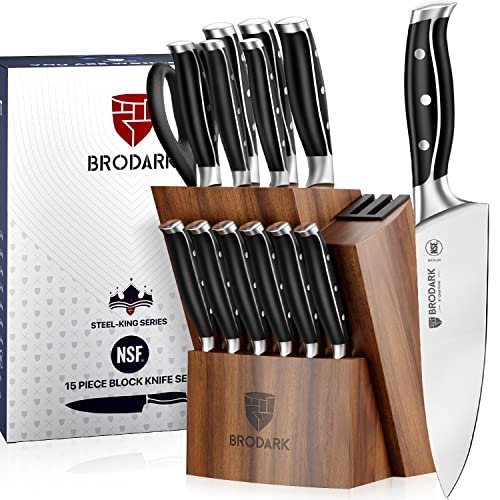
Investing in a high-quality knife set is often the single most transformative upgrade a home cook can make to their kitchen. While many entry-level sets prioritize cost over construction, a full tang knife set offers a distinct mechanical advantage: the blade's spine extends all the way through the handle. This design principle, favored by professional chefs and serious enthusiasts alike, provides superior balance, durability, and control that partial tang or drop forge alternatives simply cannot match.
In this comprehensive guide, we explore why the full tang construction matters, break down the specific steel alloys you should look for (from German 1.4116 to Japanese high-carbon), and review top-performing sets that balance professional-grade performance with everyday usability. Whether you are looking to replace worn-out drawers of mismatched blades or curating a dedicated professional toolset, understanding the nuances of tang construction, handle ergonomics, and steel properties will help you make a lasting investment. For more on this, see our guide on marine first aid kit contents list.
What Is a Full Tang Knife? Understanding the Construction
To understand the value of a full tang set, you must first visualize the internal structure of a kitchen knife. In a full tang design, the metal of the blade continues uninterrupted through the entire length of the handle. You will typically see this exposed strip of steel running down the center of the handle, often secured by rivets or pins that also attach the handle scales.
The Advantages of Full Tang Design
From a practical standpoint, full tang construction offers three critical benefits over partial tang (where the metal stops partway into the handle) or drop forge designs:
- Superior Balance: Because the weight is distributed evenly from the tip of the blade to the end of the handle, the knife pivots smoothly at the heel. This "neutral balance" reduces wrist fatigue during prolonged chopping tasks.
- Enhanced Durability: The continuous steel spine is significantly harder to break or snap. In a partial tang knife, the stress point is often where the metal stops inside the handle; in a full tang knife, the handle is an attachment point, not a weak link in the blade's structural integrity.
- Heavier Weight for Control: Full tang knives are generally heavier. For many cooks, this extra mass provides a "heavy in the hand" feel that allows for smoother rocking cuts with a chef’s knife, requiring less force to penetrate tough ingredients like squash or root vegetables.
When to Choose Partial Tang Instead
It is important to note that "full tang" is not objectively better for every single task. Partial tang knives are lighter and often used in sets where speed and maneuverability are prioritized over raw power, such as in fine slicing applications. However, for a foundational set that includes heavy-duty tasks like boning, cleaving, or prolonged chopping, the full tang design is the industry standard for reliability. For more on this, see our guide on empty first aid kit box.
 The full tang construction is visible where the metal spine runs the entire length of the handle, providing structural strength and balance.
Key Steel Alloys: German vs. Japanese Steel
The "tang" describes the handle connection, but the steel alloy determines the blade's performance. Most full tang knife sets on the market utilize two primary families of steel: German stainless and Japanese high-carbon stainless.
German Stainless Steel (e.g., 1.4116, X50CrMoV15)
German steel is the backbone of many professional kitchen sets. It is known for its:
- Toughness: It can withstand harder impacts (like knocking on a board) without chipping as easily as harder Japanese steels.
- Ease of Sharpening: Softer steels take a sharp edge quickly and are easier to resharpen at home.
- Corrosion Resistance: German steels are generally highly resistant to rust, making them ideal for home cooks who may not dry knives immediately after washing.
Practical Observation: A common mistake home cooks make is using a very hard Japanese steel on a wet, slippery cutting board. While the steel holds an edge well, the impact forces from a heavier full tang knife can cause microscopic chips on the edge more quickly than with tougher German steel. For more on this, see our guide on dot vehicle first aid kit requirements.
Japanese High-Carbon Stainless Steel
Japanese steels (such as VG-10 or SG2/R2) are typically harder (measured on the Rockwell C scale).
- Edge Retention: These knives stay sharp significantly longer than German steel equivalents.
- Sharpness: They can be ground to a finer, more acute angle, resulting in a "scalpel-like" feel for slicing.
- Fragility: Because they are harder, they are more brittle. You must never use a Japanese steel knife to crack nuts, cut through bones, or scrape a frozen plate.
 German-engineered sets often feature a polished finish that highlights the precision of the metallurgy used in high-quality alloy steel.
Ergonomics and Handle Design: Comfort Matters
A full tang knife is useless if the handle causes hand fatigue. The materials and shape of the handle scales are just as important as the steel.
Handle Materials
- Stainless Steel Handles: All-metal full tang knives (like many Babish or high-end Wüsthof styles) offer the most durability and hygiene. They are dishwasher safe and do not warp with temperature changes. However, they can feel cold and slick when hands are wet.
- Polymer/Nylon Handles: These are lightweight, grippy, and resistant to chemicals. They are excellent for modern, all-day comfort and are a standard in cost-effective full tang sets like Astercook or BRODARK.
- Wood/Synthetic Wood: Offers a warm, traditional aesthetic. However, wood requires more care—it can crack if exposed to prolonged moisture or if the rivets loosen. It is not recommended for high-volume professional use unless seasoned regularly.
Ergonomic Shape
Look for handles that taper slightly toward the end (the butt). This ensures the knife does not sit too far up your palm, keeping the thumb properly positioned on the spine for control. A brass pin or full tang cap at the end of the handle can add weight and a finished feel, though it is purely cosmetic.
Top Recommended Full Tang Knife Sets (2026 Guide)
The following sets represent the current top performers in the market, balancing construction quality, steel type, and value. We have categorized them by their primary strengths.
Best Overall Value: BRODARK Kitchen Knife Set (15-Piece)
The BRODARK Steel-King series is a standout for home chefs who want a "set-and-forget" solution. It utilizes food-grade German stainless steel, which offers a perfect balance of edge retention and rust resistance. The full tang construction ensures that the knives feel substantial without being unwieldy.
Key Features:
- 15-Piece Coverage: Includes every standard blade (Chef, Paring, Santoku, Bread, Utility) plus sheaths and a block.
- Integrated Sharpener: The block features a built-in stone sharpener, which is rare in sets of this price point.
- Ergonomic Handles: The handles are slightly bulbous, providing a secure grip even with wet hands.
Trade-off: The block is bulky. If kitchen counter space is limited, consider storing these knives in a drawer with a magnetic strip instead of the provided block.
Best Heritage & Performance: Henckels Premium Quality 15-Piece Set
For those who value brand history and consistent industrial quality, Henckels is a benchmark. This set features German-engineered blades that are lightweight yet strong. The "lightweight" aspect is crucial here; Henckels often uses a slightly different geometry that allows full tang construction without the heft that can tire the arm during long shifts.
Key Features:
- Razor-Sharp Out of the Box: Henckels is known for an exceptional factory edge.
- Dishwasher Safe: The handles and blades are rated for dishwashers, simplifying maintenance.
- Timeless Design: The natural color finish and clean lines fit any kitchen decor.
Expert Note: While dishwasher safe is convenient, professional chefs recommend hand-washing to maximize the lifespan of the factory edge and handle adhesives. Use the dishwasher only when necessary.
Best for Modern Aesthetics: McCook® Knife Sets
McCook bridges the gap between pro-grade performance and high-end design. Their sets often feature dual-tone handles and modern blocks. The German stainless steel in these sets is tuned for sharpness, and the full tang design is executed with clean lines that appeal to those who display their knives.
Key Features:
- Built-in Sharpener: Convenient maintenance tool included.
- Silver/Walnut Finish: A sophisticated look that elevates the kitchen's visual appeal.
- Comprehensive Array: Meets all standard culinary cutting needs without filler pieces.
Consideration: The 7.34 lb weight of the full set indicates the substantial nature of the tangs. This is a sign of quality, but it does mean the block will be heavy to move if you need to clean the counter.
Best for Edge Retention: 2025 Japanese High-Carbon 15-Piece Set
For the user who hates sharpening, this set is the answer. By utilizing Japanese High Carbon Stainless Steel, these knives hold their edge significantly longer than German counterparts. The black finish hides nicks better and offers a stealthy, professional look.
Key Features:
- Japanese High-Carbon Steel: Superior hardness for long-lasting sharpness.
- Ergonomic Full-Tang Handles: Designed to reduce hand fatigue during extended use.
- Included Sharpener: Essential for maintaining the hard steel’s performance.
Warning: Because high-carbon steel is brittle, do not use these knives for boning or cutting through frozen fruit. Treat them as precision slicing tools.
Check Japanese High-Carbon Set
Best for Minimalist Kitchens: Astercook Cream White 14-Piece Set
The Astercook line offers a specific aesthetic advantage: color. The cream white and walnut options allow knives to blend into modern, bright kitchens rather than looking like industrial tools. The 14-piece configuration is slightly leaner than the 15-piece sets, removing less-essential duplicates to save space.
Key Features:
- Anti-Slip Ergonomic Handles: The textured polymer ensures grip stability.
- Dishwasher Safe: Easy maintenance for busy households.
- Stylish Block: The block doubles as a decor piece, not just a storage unit.
Pros & Cons:
- Pro: Elegant, modern look.
- Con: Lighter colors may show staining on the block base if not cleaned regularly.
Best for Luxury Finish: Astercook Walnut 15-Piece Set
This variation of the Astercook set focuses on a premium walnut finish for the block. The full tang construction remains consistent, but the aesthetic shift to a rich wood tone gives the set a high-end, heirloom feel. It is a strong choice for those who want their knives to look good on an open shelf.
Key Features:
- Walnut Block: Adds warmth and sophistication to the kitchen.
- Premium Stainless Steel: Rust-resistant and sharp.
- Dual Sharpener: Some versions include dual slots for right-handed and left-handed users or for different blade angles.
Best for Professional Toughness: Astercook Black 15-Piece (German 1.4116)
This set explicitly highlights German 1.4116 Steel, a benchmark in stainless metallurgy. The black nylon handles are sleek, non-slip, and highly durable. This is the set to choose if you want "set it and forget it" reliability with a modern, matte black appearance.
Key Features:
- 1.4116 German Steel: Proven alloy for toughness and corrosion resistance.
- Ergonomic Nylon Handles: Best for grip in hot or humid kitchens.
- Dishwasher Safe: Full ease of care.
Best for Enthusiasts & Chefs: Babish High-Carbon 14-Piece Forged Set
Named after a popular culinary channel, this set leans into the "forged" aesthetic. These knives are often stamped or forged from higher-quality stock, providing a sharper initial edge and a distinct feel in the hand. The inclusion of sheaths instead of a block makes this set more flexible for storage.
Key Features:
- Forged Construction: Denser metal grain leads to a stronger blade.
- High-Carbon 1.4116: Combines the sharpness of carbon steel with the rust resistance of stainless.
- Sheaths Included: Allows you to store knives in a drawer or on a shelf without buying a matching block.
Maintenance Tip: Forged knives with carbon content require more vigilant drying. After washing, wipe the blade dry with a cloth immediately. If you notice spots, a light application of mineral oil will prevent rust.
Best for Sharpness & Style: WIZEKA Jaguar Series 15-Piece Set
WIZEKA competes aggressively on sharpness. The "Jaguar" series features a black and gray color scheme that looks professional and keeps the visual clutter of the block low. The German stainless steel is tuned for a smooth slicing action.
Key Features:
- Razor-Sharp Factory Edge: Out-of-the-box performance is high.
- Modern Aesthetic: Black and gray tones suit contemporary kitchens.
- Built-in Sharpener: Easy maintenance.
Best for Versatility: Astercook Elegant Black 15-Piece Set
This final recommendation from Astercook brings a dual sharpener and a premium black finish. It is a robust, all-rounder set that suits both heavy chopping and light paring. The "Elegant Black" finish resists fingerprints better than silver, keeping the knives looking new longer.
Key Features:
- Dual Sharpener: Convenient for multiple users or varying blade widths.
- German Stainless Steel: Reliable and durable.
- Ergonomic Handles: Comfort for long cooking sessions.
View Astercook Black Dual Sharpener Set
How to Maintain Your Full Tang Knife Set
Even the best full tang knife set will degrade if not cared for properly. Here is a practical maintenance routine based on expert kitchen practices:
1. The "Two-Minute" Cleaning Rule
Always wash your knives by hand immediately after use.
- Why? Dishwashers use harsh detergents and high heat that can damage handle adhesives and corrode steel over time.
- Method: Use warm water and mild dish soap. Rinse the blade to remove food particles.
- Critical Step: Dry the blade immediately with a clean towel. Moisture is the enemy of stainless steel, especially with high-carbon alloys.
2. Sharpening vs. Honing
- Honing (Weekly/Monthly): Use a honing steel to realign the edge. This is not sharpening; it is straightening. Run the blade down the steel at a 15–20 degree angle, applying light pressure.
- Sharpening (2–3 Times a Year): Use a whetstone or a high-quality pull-through sharpener to actually remove metal and create a new edge. If you hear a "ping" or feel resistance, it’s time to sharpen.
3. Storage Best Practices
- Knife Block: Great for open kitchens. Ensure it is wiped down monthly to prevent dust accumulation in the slots.
- Magnetic Strip: Ideal for modern, open-concept kitchens. It keeps the edge away from other metal objects that could nick the blade.
- Drawers: Use a cutlery tray with dividers. Never store knives loose in a drawer with forks and spoons; the impact will damage the edge instantly.
Frequently Asked Questions
What is the difference between full tang and partial tang?
A full tang knife has the blade's metal spine extending through the entire handle, offering better balance and durability. A partial tang has the metal stopping partway through the handle, making the knife lighter but potentially less durable and unbalanced. Full tang is preferred for heavy-duty tasks like chopping and boning.
Are full tang knives too heavy for beginners?
Not necessarily. While full tang knives are heavier, the added weight helps with control and technique. For beginners, a heavier knife can actually be easier to handle because it helps maintain momentum through cuts. If you find a knife fatiguing your arm, you may be applying too much downward pressure; instead, use the weight of the knife to rock through the cut.
How often should I sharpen my full tang knives?
For home use, a full tang knife typically needs sharpening every 2–3 months with regular use. Between sharpenings, you should hone the edge on a steel or ceramic rod weekly to maintain sharpness. High-carbon Japanese steels may hold an edge longer but are harder to sharpen at home.
Can I put full tang knives in the dishwasher?
Most full tang knife sets are marketed as "dishwasher safe," but this is a compromise. High heat and detergent can warp handle scales, damage adhesives, and dull the edge. For maximum longevity, always hand wash. If you must use a dishwasher, place knives upright and ensure they do not contact other utensils.
Which is better: German or Japanese steel in a full tang set?
- German Steel (e.g., Wüsthof, Henckels): Better for tough, heavy-duty tasks (boning, chopping hard vegetables). Easier to sharpen and more rust-resistant.
- Japanese Steel (e.g., Shun, Babish): Better for precise slicing (fish, tomatoes, herbs). Holds an edge longer but is more brittle and requires more careful handling.
Conclusion
Choosing the right full tang knife set is about matching the construction to your cooking style and kitchen environment. For the everyday home cook who wants durability and ease, German stainless steel sets like the Henckels Premium or McCook series offer the perfect balance of performance and maintenance. For the enthusiast who demands precision and long edge retention, the Babish or Japanese High-Carbon sets are the superior choice, provided you are willing to handle the steel with care.
Remember, a knife is a tool. A well-balanced full tang knife feels like an extension of your arm, making meal prep faster, safer, and more enjoyable. Start by assessing your most frequent tasks—do you chop a lot? Slice a lot?—and select the steel and weight that supports that motion. Maintain your blades with regular honing and careful drying, and your investment will last for decades.
Ready to upgrade your kitchen? Pick the set that matches your aesthetic and skill level, and start enjoying the precision that a quality full tang construction provides. Your culinary creations will thank you.
Need a quick first aid kit for those inevitable kitchen accidents? Ensure you're prepared with a compact solution that fits your lifestyle, such as a lightweight backpacking kit for outdoor cooking or a mini purse-sized kit for immediate wound care while prepping. Finally, remember that the best knife set is only as good as the care you give it. Regular honing, proper storage, and mindful use will keep your blades performing at peak precision for years to come. Happy cooking!

Hi, I’m Daniel Brooks—a food lover and kitchen gear enthusiast. I enjoy testing cookware, utensils, and gadgets to see what really works in everyday cooking. At PlugChef.com, I share honest reviews, comparisons, and simple guides to help you choose the best tools for a safer, smarter, and more enjoyable kitchen.
Similar Posts