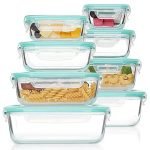
Round Glass Food Storage Containers With Lids: Enhance Your Kitchen Organization
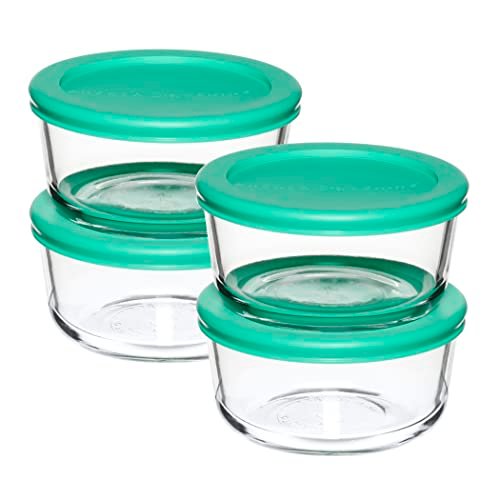
Round glass food storage containers with lids have become a staple in well-organized kitchens for a simple reason: they solve problems that plastic just can't. Unlike square or rectangular containers, round designs nest more efficiently in cabinets, stack without wasted gaps, and align naturally with the circular interiors of slow cookers, rice cookers, and standard mixing bowls. In practice, the rounded edges also eliminate the sharp corners most prone to chipping — a small but meaningful durability advantage over angular glass.
Whether you're prepping a full week of lunches, preserving Sunday dinner leftovers, or simply trying to bring order to a cluttered refrigerator, a quality set of round glass containers with secure lids transforms how you store, retrieve, and rotate food. This guide covers what matters when choosing a set, how glass compares honestly to plastic, our top picks across different needs and budgets, and practical organization strategies that make the investment pay off day after day. For more on this, see our guide on glass food storage containers square.
Why Round Glass Storage Containers Are Worth the Switch
Glass has long been the preferred material for food storage among cooks who care about flavor integrity and long-term safety. Here's why the switch from plastic delivers real, measurable benefits:
No odor or stain absorption. Glass is chemically inert, so tomato sauce, curry paste, or citrus won't leave residue that lingers after washing. A glass container that held spaghetti sauce last week won't taint your next batch of yogurt — a constant frustration with plastic.
Superior heat tolerance. Food-grade glass rated for microwave and freezer use withstands temperature swings that warp or crack plastic. This eliminates the need to transfer food between storage and reheating vessels, saving time and reducing dishwashing.
Instant visibility. Clear glass lets you see exactly what's inside without opening lids. When managing a week's worth of meal prep, this simple feature prevents the "what's in there?" hunt that slows down morning routines.
Non-toxic materials. Glass contains no BPA, phthalates, or plasticizers. Quality lids are typically BPA-free plastic or stainless steel, though you should always verify labeling on your specific purchase.
True sustainability. Glass is infinitely recyclable and won't shed microplastics into food or the environment over repeated use cycles.
One honest trade-off: glass is noticeably heavier — often two to three times the weight of a comparable plastic container — and more vulnerable to breakage if dropped on tile or stone. If your household includes young children or you frequently transport containers in a crowded lunch bag, weigh this factor carefully before committing to an all-glass collection.
How to Choose the Right Round Glass Container Set
Selecting the right set comes down to matching features to your actual cooking and storage habits. Here's what to evaluate before you buy:
Capacity and Size Range
Most sets include multiple sizes, and the range matters more than the total container count. A set with 1-, 2-, 4-, and 7-cup containers covers everything from a single-serve snack to a family portion of soup. If you cook in large batches and freeze frequently, look for at least one 7-cup or larger vessel. Conversely, if you primarily store individual lunches or portion out baby food, a set weighted toward 1- and 2-cup sizes will serve you better. For more on this, see our guide on kitchen utensils storage containers with lids.
A common mistake is buying a single-size set and discovering weeks later that you need something larger for soups or smaller for condiments. Multi-size sets solve this from day one.
Lid Seal Type
Lid design directly determines freshness and leak resistance. Look for:
- Snap-fit or clamp-style lids that create a vacuum when pressed firmly — adequate for dry and semi-dry foods
- Silicone gasket seals for added leak protection — essential for soups, sauces, and any liquid-heavy content
- Vacuum or smart seal systems (like OXO's) for superior leak resistance during transport — the best option for work bags and school lunches
A common mistake is buying a set with basic snap-on lids and then wondering why liquids leak during the commute. Silicone-gasketed or vacuum-seal lids solve this almost entirely. For more on this, see our guide on metal containers with lids for food storage.
Safety Ratings
Check for explicit manufacturer labeling across every relevant category:
- Microwave safe — most food-grade glass qualifies, but always confirm
- Freezer safe — ensure the glass is designed for thermal shock; not all glass tolerates rapid temperature changes
- Oven safe — a premium feature (e.g., Sorbus oven-safe sets) that lets you move from storage to baking without transferring
- Dishwasher safe — standard on quality sets, but verify lid materials since some plastic lids degrade in dishwasher heat cycles over time
Stackability and Dimensions
Round containers stack well when designed with a slightly tapered rim or nesting profile. Check product dimensions carefully — if the stated height includes the lid and the base diameter is consistent across the set, stacking will save significant vertical space in cabinets and refrigerators. A set where containers nest lid-to-base is worth prioritizing over one where lids sit flush.
Build Quality and Glass Type
Look for tempered or heat-resistant glass (similar to baking dish construction) rather than regular table glass. Tempered glass tolerates thermal shock better and resists breakage more effectively. Brands like Anchor Hocking and Pyrex have established track records in food-grade tempered glass manufacturing. For more on this, see our guide on martha stewart glass food storage containers.
Glass vs. Plastic Food Storage: An Honest Comparison
The choice between glass and plastic storage isn't black and white. Here's a practical comparison to help you decide which approach fits your specific needs:
| Feature | Glass Containers | Plastic Containers |
|---|---|---|
| Weight | Heavier (often 2–3× plastic) | Lighter, easier to transport |
| Drop durability | Breaks if dropped on hard surfaces | Dents or cracks over time |
| Temperature tolerance | Withstands freezer-to-microwave swings | Warps in heat, can crack when frozen |
| Odor and stain resistance | Excellent — no absorption | Poor — absorbs colors and smells |
| Chemical safety | No BPA, phthalates, or plasticizers | May leach chemicals when heated |
| Microwave safe | Yes (most food-grade glass) | Only if explicitly labeled |
| Freezer safe | Yes (if rated for thermal shock) | Yes (but may crack if frozen solid) |
| Oven safe | Yes (if rated; rare but available) | No |
| Environmental impact | Infinitely recyclable | Often ends up in landfill |
| Upfront cost | Higher | Lower |
| Long-term cost | Lower (decades of use possible) | Higher (replaces more often) |
In practice, many kitchens benefit from a hybrid approach: glass for refrigerator and freezer storage where food safety and durability matter most, and plastic for high-frequency transport scenarios where weight and drop resistance are the priority. You don't need to go all-or-nothing.
Food Safety Guidelines for Glass Containers
Glass is the safest storage material from a food-contact standpoint, but proper handling still matters for both food safety and container longevity. The U.S. Food and Drug Administration recommends keeping perishable foods below 40°F (4°C) and using storage containers appropriate for their temperature environment. When using glass containers in the freezer, always leave about an inch of headspace — liquids expand by roughly 9% when frozen, and a container filled to the brim risks cracking under pressure. For more on this, see our guide on oxo good grips food storage containers.
Before reheating food directly in a glass container, check the lid material. Most plastic lids are not microwave-safe and should be removed before heating. If your container has a silicone or glass lid, it may be safe to keep it on, but always confirm with the manufacturer's labeling. When in doubt, remove the lid — the small inconvenience is worth avoiding potential chemical migration or lid deformation.
For long-term freezer storage spanning several months, note that repeated freeze-thaw cycles can degrade the seals on any container, regardless of material. If you're preserving food for an extended period, consider whether a container specifically rated for long-term freezer use would serve you better than one designed for short-cycle refrigerator storage.
Our Top Round Glass Container Picks
We've evaluated sets across different price points, capacities, and feature profiles. Here are the containers that deliver the best value and performance for various household needs.
Anchor Hocking 2-Cup Glass Storage Containers with Mint SnugFit Lids (Set of 4)

Compact 2-cup containers with mint SnugFit lids — ideal for portion control and small refrigerator spaces.
These 2-cup containers from Anchor Hocking are a practical entry point for anyone building a glass storage collection from scratch. The mint SnugFit lids create a dependable seal for dry and semi-dry foods, and the compact dimensions (approximately 4.8 inches wide and 2.38 inches tall) make them easy to slot into crowded refrigerator shelves where larger containers won't fit.
Key strengths:
- Durable tempered glass construction built for years of daily use
- SnugFit lids provide a reliable airtight seal
- Microwave, dishwasher, and freezer safe — covers most storage scenarios
- Compact, stackable design saves cabinet and fridge space
- Mixed lid colors add visual organization at a glance
Trade-offs to consider:
- Glass weight is noticeable compared to plastic — not ideal for frequent lunch bag transport
- Lids require thorough cleaning, especially around the seal edge where residue accumulates
- The 2-cup size is limiting for anything beyond single servings or small snacks
These containers are particularly well-suited for storing pre-portioned snacks, dips, sauces, baby food, and individual lunch items. If you're starting your glass storage journey, a set like this gives you the smaller sizes that fill the gaps between larger vessels.
Find the Anchor Hocking 2-cup set for reliable small-portion storage that handles microwave, freezer, and dishwasher cycles without complaint.
Pyrex Simply Store Glass Food Storage Containers (3-Pack: 2, 4 & 7 Cups)

A versatile three-pack spanning 2-, 4-, and 7-cup capacities — covers single servings through family portions.
The Pyrex Simply Store 3-pack is one of the most versatile sets available at a moderate price point. The inclusion of a 7-cup container is especially valuable — it handles batch-cooked meals, soup portions, and large leftovers that would otherwise require multiple smaller containers stacked awkwardly together. All lids are BPA-free, and the glass is rated for microwave and dishwasher use.
Key strengths:
- Three distinct sizes — from single servings to family-sized portions, no size guessing required
- Durable tempered glass resists stains, odors, and thermal shock
- BPA-free lids keep food free from chemical migration
- Microwave and dishwasher safe for frictionless daily use
- Classic Pyrex glass construction trusted by home cooks for generations
Trade-offs to consider:
- Only three containers in the set — you'll likely need to supplement for a full week's prep
- Heavier than plastic equivalents, which matters if you're carrying meals to the gym or school
- Glass requires careful handling, especially around sinks and stoves
This set is especially effective for households that cook in moderate batches and want to cover the range from a single-serve portion to a communal soup pot without maintaining a huge collection of mismatched containers.
Find the Pyrex Simply Store 3-pack for versatile size coverage at a moderate price point.
Pyrex Simply Store Glass Food Storage Containers (7-Pack: 1, 2, 4 & 7 Cups)

A seven-piece set with 1-, 2-, 4-, and 7-cup containers — the most complete size range for whole-week meal prep.
The 7-pack is the definitive choice for anyone serious about meal prepping or batch cooking. With four distinct sizes (1, 2, 4, and 7 cups), you can portion out everything from a single snack to a full meal for multiple people. The extra containers give you enough capacity to prep an entire week's worth of lunches or store multiple batches of soups, stews, and casseroles side by side.
Key strengths:
- Seven containers cover nearly every portion size a household might need
- BPA-free lids ensure food safety and prevent chemical contamination
- Microwave safe for reheating directly without transferring contents
- Dishwasher safe for hassle-free cleanup after each use
- Durable tempered glass built to last through years of daily use
- Transparent glass makes contents instantly identifiable without opening
Trade-offs to consider:
- Larger upfront cost compared to smaller sets — justify it by calculating replacement costs for plastic over time
- Significantly heavier than a comparable plastic set, making bulk storage transfers more physical
- Each container is fragile and will break if dropped — handle with care during loading and unloading
This is the set to choose if you want one purchase to cover your entire storage needs without filling a cabinet with mismatched pieces. The 7-cup containers are particularly valuable for slow-cooker leftovers or pressure cooker batches that would otherwise require improvising with a baking dish.
Find the Pyrex Simply Store 7-pack for the most complete meal prep coverage in a single purchase.
Freshmage 4-Piece Glass Meal Prep Containers with Lids (3.75 Cups Each)

Four uniform 3.75-cup containers — the practical choice for consistent weekly lunch portions.
These Freshmage containers offer a uniform 3.75-cup capacity that's nearly ideal for a standard adult lunch — larger than a snack, smaller than a family serving. The uniform size makes them particularly useful for portion consistency, a factor that matters for calorie counting or feeding multiple children similar portions.
Key strengths:
- Airtight lids prevent spills and maintain food freshness during transport
- Heat-resistant glass rated for microwave, oven, and freezer use
- Dishwasher safe for quick cleanup without hand washing
- BPA-free construction ensures food contact safety
- Uniform sizing simplifies portion planning and visual consistency
Trade-offs to consider:
- All containers are the same size — you'll need smaller containers for snacks or condiments
- Glass weight is noticeable when carrying four containers at once in a lunch bag
- No nesting design, so they stack but don't tuck into each other
The single-size design is both a strength and a limitation. It works brilliantly if your primary use is consistent lunch prep, but you'll want to supplement with smaller vessels for individual condiments, dressings, or side items.
Find the Freshmage 4-piece set for uniform, airtight lunch storage with oven-safe versatility.
Sorbus 16-Piece Glass Meal Prep Container Set (8 Round 32oz Containers)

Eight round 32-ounce containers with airtight lids — a large-capacity set for batch cooking and family meal planning.
The Sorbus set is purpose-built for batch cooking households. Each of the eight containers holds 32 ounces (4 cups), a generous portion size that accommodates a full serving of vegetables, grains, proteins, or mixed meals. At 16 pieces, you have enough for two full weeks of daily lunches or a comprehensive weekend prep session covering multiple family members.
Key strengths:
- Eight containers with generous 32oz capacity each — substantial food volume
- Airtight lids provide leak-proof sealing for soups, stews, and saucy dishes
- Freezer, dishwasher, and oven safe — transitions between temperature zones without transferring
- Reusable design eliminates single-use plastic waste over years of use
- Clear glass makes contents easily identifiable at a glance
- Portion-controlled sizing supports dietary goals and consistent meal planning
Trade-offs to consider:
- This is a substantial investment — best justified for large households or frequent batch cookers
- Glass is prone to breakage, especially at this scale (eight containers to protect)
- 32oz containers may be larger than necessary for single servings, encouraging over-portioning
This set is ideal for families of four or more, fitness enthusiasts who prep large volumes of clean food weekly, and anyone who wants to eliminate takeout by maintaining a substantial home-prepared food reserve. The oven-safe capability is a standout feature — you can move frozen portions directly into the oven without transferring to a baking dish.
Find the Sorbus 16-piece set for high-volume meal prep with oven-safe convenience.
Pyrex Storage 4-Cup Round Dish (Set of 4 with Blue Lids)

Four Pyrex 4-cup round dishes with blue lids — a workhorse set for medium-portion storage.
The Pyrex 4-cup round dishes are a reliable workhorse for medium-portion storage. At 4 cups, each container holds a generous single serving or a modest portion for two — making them versatile for everything from individual soups to shared side dishes. The blue lids add a subtle pop of color that helps with quick visual organization.
Key strengths:
- Durable tempered glass construction stands up to years of repeated use
- Microwave, dishwasher, and freezer safe for complete kitchen compatibility
- BPA-free blue lid provides a secure seal for everyday food storage
- Stackable design makes efficient use of vertical cabinet space
- Clear glass allows instant content identification without opening lids
Trade-offs to consider:
- The 4-cup size may be too large for snack portioning or too small for family meals
- Lid seals, while functional, aren't as airtight as vacuum-seal alternatives
- Glass weight adds up when moving multiple 4-cup containers at once
This set is an excellent middle ground for households that want a moderate number of moderately-sized containers for everyday refrigerator use. The consistent sizing makes them particularly useful for rotating portions through the refrigerator as older meals are consumed and new ones added.
Find the Pyrex 4-cup round dish set for dependable medium-portion storage in a classic blue-lidded design.
8-Piece Glass Meal Prep Containers with Lids (3-Cup Each, Mixed Colors)

Eight 3-cup containers with mixed-color lids — color-coded organization for daily meal planning.
This 8-piece set combines practical capacity with color-coded organization. Each of the 3-cup containers comes with a different lid color, enabling visual categorization of food types, meal days, or intended recipients — a small organizational upgrade that reduces the morning scramble of opening lids to check contents.
Key strengths:
- Airtight seals maintain food freshness and prevent spills during transport
- Heat-resistant glass rated for microwave, oven, and freezer use
- BPA-free material ensures food contact safety
- Dishwasher safe for quick and complete cleaning
- Freezer safe for long-term storage of prepped meals
- Mixed lid colors enable visual meal-day organization or food-type sorting
Trade-offs to consider:
- All containers are the same 3-cup size — you'll want complementary sizes for larger portions or snacks
- Mixed colors may not match existing kitchen aesthetic preferences
- Glass weight is a consideration for frequent transport scenarios
The color-coded system is a genuine quality-of-life improvement, especially for families managing multiple meals or for anyone who struggles with "what's in here?" situations. In practice, you can assign red lids to proteins, green to vegetables, blue to grains, and so on — creating an intuitive visual sorting system without any labeling effort.
Find the 8-piece glass meal prep set for color-coded meal organization with complete temperature-zone versatility.
OXO Good Grips 4-Cup Smart Seal Round Glass Container

OXO's smart seal technology creates an airtight vacuum — the best leak-proof option for liquid-heavy storage.
OXO's Smart Seal is the standout feature here. Unlike standard snap-on or twist-lock lids, the Smart Seal uses a press-release mechanism that creates a near-vacuum seal when engaged. In practice, this means soups, stews, and saucy dishes stay contained even when the container is turned upside down in a crowded lunch bag — a genuine problem solved.
Key strengths:
- Smart Seal technology creates an exceptionally leakproof vacuum seal
- Durable glass construction rated for microwave and oven use
- Airtight seal preserves food freshness longer than standard lids
- Dishwasher safe for easy and thorough cleaning
- Sleek, modern design that looks intentional in a visible storage space
Trade-offs to consider:
- Heavier than comparable plastic containers, which adds weight to lunch bags and transport
- Glass is fragile and requires careful handling to avoid breakage
- The Smart Seal mechanism requires a specific engagement technique — a common mistake is pressing unevenly, which results in an incomplete seal
The Smart Seal deserves special mention because it solves a problem that affects nearly every meal prep household: leaking containers in bags and backpacks. If you transport liquids daily, the investment in a container with this seal technology pays dividends in clean bags and undamaged lunches. To use it effectively, press down firmly and evenly across the lid until you hear or feel the seal engage — this often requires pressing at two or three points rather than one.
Find the OXO Good Grips 4-cup Smart Seal container for the most reliable leak-proof round glass storage available.
Anchor Hocking 2-Cup Glass Storage Containers with Blueberry SnugFit Lids (Set of 4)

Four 2-cup Anchor Hocking containers with blueberry SnugFit lids — a budget-friendly option for small portions.
These Anchor Hocking containers mirror the mint-lidded set but with a blueberry color variant. The 2-cup capacity is ideal for small portions, individual snacks, condiments, or storing leftover sides that don't warrant a larger container. The SnugFit lid design provides a secure seal at a fraction of the cost of premium vacuum-seal alternatives.
Key strengths:
- Durable tempered glass resists staining and odor absorption over time
- Blueberry SnugFit lids create a secure seal to prevent leaks and spills
- Microwave and dishwasher safe for convenient everyday use
- Compact 2-cup size perfect for portion control and tight fridge spaces
- Stackable design maximizes vertical storage in cabinets and refrigerators
Trade-offs to consider:
- Glass is noticeably heavier than plastic, which matters for frequent transport
- Lid seal may loosen slightly after extended use — re-tightening periodically maintains the seal
- The 2-cup size is limiting for family portions or large leftovers
This set is excellent as a supplementary purchase to complement larger containers. Use it for condiments, dips, individual snack portions, or the small sides that accompany larger meals. The color-coded lids also help distinguish between different food types in a crowded refrigerator.
Find the Anchor Hocking blueberry-lidded 2-cup set for affordable small-portion storage with reliable SnugFit sealing.
Kitchen Organization Strategies for Round Glass Containers
Buying the right containers is only half the equation. How you arrange and maintain them determines whether they actually improve your kitchen workflow or add to the clutter.
Stacking and Storage Layout
Round containers stack efficiently when their diameters are consistent or slightly tapered. Organize by size — place larger containers at cabinet or shelf bottom where heavier items are easier to access, and smaller containers at the top or on higher shelves. This distribution reduces strain and minimizes the risk of dropping smaller containers onto larger ones.
If your cabinet depth varies, use a simple principle: place containers that see daily use (like your current week's meal prep) in the most accessible zone, and reserve back-of-cabinet space for bulk storage or seasonal items.
Labeling for Faster Retrieval
Even with clear glass, labeling speeds up morning routines. Use a simple labeling system:
- Date labels — write the preparation date on the container base with a food-safe marker or apply waterproof date stickers. The USDA Food Safety Guidelines recommend consuming reheated leftovers within 3 to 4 days, so dating helps you track whether food is still within a safe window.
- Contents labels — a quick note on the base or a small adhesive label identifies the food inside without opening the lid.
- Day-of-week labels — for meal prep, color-code or label containers by day (Monday through Friday) to eliminate morning decision fatigue.
A common mistake is labeling the outside of the lid with regular permanent marker, which transfers to food or fails to wash off during dishwasher cycles. Always label the base of the container or use a food-safe label material.
Refrigerator Zone Assignment
Dedicate specific refrigerator zones to glass storage to maintain consistency:
- Door shelves — ideal for small, lightweight containers holding condiments, juices, or single-serve items
- Main shelves — best for the full-weight of standard meal prep containers and soups
- Top shelf — acceptable for sealed containers that aren't accessed daily (e.g., future meals in a weekly prep rotation)
- Bottom shelf — reserve for raw meat or foods that might leak despite container seals
Preventing Common Problems
Leaking lids: If you notice condensation building between the lid and container, the seal isn't fully engaged. Press down more firmly, especially at the corners. For Smart Seal containers, ensure the seal is fully compressed across the entire lid surface.
Cracking during temperature transitions: Moving a container from freezer to microwave or oven directly can cause thermal shock. Allow freezer-cold containers to reach room temperature before microwaving, or transfer contents to a room-temperature container. This practice extends container life and prevents breaks from thermal stress.
Mold growth on lids: Silicone gaskets and rubber seals can develop mold if not cleaned thoroughly. Remove lids from the dishwasher after each cycle, scrub the gasket area with a small brush or cloth, and air dry completely before reassembling.
Caring for Your Glass Containers
With proper maintenance, food-grade glass containers can last decades. Here's how to maximize their lifespan:
Cleaning Routine
After each use, hand wash the glass container with warm, soapy water for the gentlest treatment. Dishwasher-safe containers can go through regular cycles, but avoid using the heated dry cycle on glass — the combination of intense heat and cooling can contribute to micro-stress in tempered glass over many cycles. Running the final rinse cycle in cool water instead reduces this risk.
Lids require extra attention. Remove the silicone gasket if it's detachable and wash separately, or use a small bottle brush to clean inside snap-fit lid cavities where food residue tends to accumulate. In practice, a cotton swab works well for getting into tight corners of lid mechanisms.
Storage Longevity
Store containers in a dry, cool environment away from direct sunlight. Prolonged UV exposure can degrade plastic lids and cause them to become brittle or discolor. If storing containers in a garage or sunroom, cover them or keep them inside opaque bags.
Rotate glass containers periodically — use the oldest ones most frequently — to distribute wear evenly across your collection. Some containers will naturally experience more wear on their rims and corners from being moved repeatedly; rotating ensures no single container bears the brunt.
When to Replace
Replace a glass container if:
- There's a chip or crack larger than 1/8 inch anywhere on the surface
- The container has been chipped and then exposed to a temperature change (freezer or microwave)
- The rim has become noticeably rough or sharp
- The glass has developed a cloudy, permanently stained appearance that doesn't respond to cleaning
A common mistake is continuing to use a container with a hairline crack. While it may seem minor, a crack can grow under thermal stress during microwave or oven use, potentially leading to shattering. Replace rather than risk it.
Frequently Asked Questions
Are Round Glass Containers Microwave Safe?
Yes, most quality round glass containers from established brands like Pyrex and Anchor Hocking are microwave safe. Always check the manufacturer's label or product description to confirm microwave compatibility before using any specific container. When microwaving, always remove plastic lids unless the lid is explicitly rated as microwave-safe. Glass containers handle microwave heat well, but uneven heating of dense foods can occasionally cause glass to feel very hot to the touch — use oven mitts when removing.
Do Glass Storage Containers Keep Food Fresh Longer Than Plastic?
Glass containers with airtight seals keep food fresh for equivalent or longer periods compared to plastic with similar seals. The advantage is that glass doesn't absorb odors or flavors, so there's no residual taste carried over between uses. Additionally, glass is more resistant to the micro-porous degradation that occurs in plastic over time, which can compromise seals and freshness retention after months of use.
Can Glass Containers Be Used in the Freezer?
Yes, provided the glass is rated for freezer use and designed to handle thermal shock. Always leave about one inch of headspace in the container — liquids expand approximately 9% when frozen, and a container filled to the brim risks cracking under expansion pressure. Cool hot foods to room temperature before placing them in the freezer to prevent unnecessary thermal stress on the glass.
Are Glass Containers Dishwasher Safe?
Most quality glass containers are dishwasher safe, including the ones featured in this guide. Run containers through the regular wash cycle and avoid the heated dry setting, which subjects glass to extreme thermal cycling. Dishwasher-safe BPA-free lids are also widely available, but you may want to hand wash lids periodically to maintain seal integrity, particularly for silicone gasket seals that can trap food particles in crevices.
What Sizes Are Available for Round Glass Meal Prep Containers?
Round glass containers are available in a wide range of sizes, from 1 cup (8 oz) to 32 ounces (4 cups) and beyond. The most common sizes in sets are 1, 2, 4, and 7 cups. A comprehensive set should include at least three distinct sizes to cover individual snacks, single servings, and family portions. If you cook in large batches and freeze regularly, ensure your set includes at least one 7-cup or larger container.
How Do I Prevent Glass Containers from Breaking?
Handle glass containers with the same care you'd give any glassware. Avoid placing them in crowded refrigerator shelves where door movements might shift or bump them. When moving containers, grip the sides firmly and avoid stacking heavier containers on top of more fragile ones. If you must transport containers in a lunch bag, add a soft liner or separate dividers between containers.
Can I Put Glass Containers in the Oven?
Only if the container is specifically rated as oven-safe. Not all food-grade glass is suitable for oven use. The Sorbus set featured in this guide is rated for oven use, which is a premium capability. Always check the product description or manufacturer labeling for oven-safe designation before placing any glass container in the oven. Temperature ranges vary by product — some are rated up to 400°F, others up to 350°F.
How Should I Store Glass Containers to Save Space?
Stack containers vertically, placing the largest at the bottom for stability and the smallest at the top. If your containers have a nesting design where lids tuck into the base of adjacent containers, use this feature to reduce the overall height of the stack. Dedicate a single cabinet or pantry shelf exclusively to storage containers to avoid mixing them with baking dishes, which takes up more space than necessary.
Are Round Containers Better Than Square or Rectangular?
Round containers offer specific advantages: they stack without wasted gaps at corners, they nest more naturally with round cooking vessels (slow cookers, rice cookers, mixing bowls), and they're less prone to chipping at corners — the most common failure point for glass. Square and rectangular containers hold more food per footprint but are more prone to corner damage and take up more cabinet space due to corner gaps when stacked. Choose round for durability and space efficiency, square for maximum volume per container.
How Long Do Glass Food Containers Last?
With proper care, food-grade tempered glass containers can last for decades. The glass itself rarely degrades — the limiting factors are usually the lids (which wear out seals and degrade materials over time) and cosmetic wear. You can expect the glass to remain structurally sound for 15 to 20+ years with careful handling, and the plastic or silicone lids to require replacement every 3 to 5 years depending on usage frequency and cleaning method.
Conclusion
Round glass food storage containers with lids represent one of the most practical upgrades you can make to your kitchen storage system. They combine the food safety and flavor integrity of glass with the organizational advantages of round shapes that stack efficiently and resist corner damage. The sets covered in this guide span entry-level budgets to premium options, giving you a path to build a glass storage collection that fits your actual kitchen needs and budget.
The key to getting maximum value is matching the set to your habits: choose multi-size sets for diverse cooking needs, prioritize airtight or Smart Seal lids if you transport liquids daily, and select oven-safe options if you batch cook and transition directly from storage to oven. Don't overlook the importance of proper care — gentle cleaning, seal maintenance, and thermal stress avoidance will extend the useful life of every container in your collection.
Start with the set that best matches your current storage gap, and expand from there. A well-organized kitchen isn't about owning every container — it's about owning the right containers for how you actually cook and eat. These round glass options will serve you reliably for years, keeping food fresh, organizing your refrigerator, and making meal prep straightforward rather than stressful.
Build your ideal glass storage set today with the versatile Pyrex Simply Store 7-pack — the most complete single purchase for whole-week meal prep.

Hi, I’m Daniel Brooks—a food lover and kitchen gear enthusiast. I enjoy testing cookware, utensils, and gadgets to see what really works in everyday cooking. At PlugChef.com, I share honest reviews, comparisons, and simple guides to help you choose the best tools for a safer, smarter, and more enjoyable kitchen.
Similar Posts