A single 30-second grease fire in a commercial kitchen can shut down operations for weeks, cost tens of thousands in repairs, and put staff safety at risk. Restaurant kitchen exhaust cleaning is not a cosmetic chore—it is a non-negotiable safety and compliance task that prevents fires, reduces operational costs, and keeps your kitchen running smoothly. According to National Fire Protection Association (NFPA) commercial kitchen fire safety guidance, grease buildup in exhaust systems is the leading cause of commercial kitchen fires, which account for 1 in 5 restaurant fire incidents annually. This 2026 guide covers the regulatory requirements, essential tools, proven solutions, and step-by-step workflows to keep your exhaust system sparkling, code-compliant, and fire-safe, no matter your kitchen’s size or cooking volume.
Why Regular Restaurant Kitchen Exhaust Cleaning Is Non-Negotiable
Exhaust systems are the backbone of commercial kitchen ventilation, but they are also the most common hidden fire hazard in food service operations. Grease, carbon, and food particles accumulate on baffle filters, duct walls, fan blades, and exhaust hood surfaces with every cooking cycle. Left unaddressed, this buildup restricts airflow, forces exhaust fans to work harder (increasing energy costs by up to 20% in severe cases), and creates a tinderbox for ignition. In 2026, most local health and fire departments enforce strict cleaning requirements tied to NFPA 96, the leading standard for commercial kitchen ventilation safety. Failure to comply can result in fines, temporary shutdowns, or even insurance claim denials after a fire.
Fire Risk Reduction
Grease is highly flammable, and even a small spark from cooking equipment can ignite accumulated buildup in exhaust ducts. NFPA 96 requires regular cleaning to remove all visible grease from exhaust components, as even 1/16 inch of grease buildup can fuel a fast-spreading fire that engulfs an entire kitchen in minutes. In practice, kitchens that skip scheduled cleanings are far more likely to experience severe exhaust-related fires, per fire department incident reports.
Health Code Compliance
Most local health departments require commercial kitchens to clean their exhaust systems at least quarterly, with monthly cleanings mandated for high-volume operations or those cooking with large amounts of fried, charred, or oily foods. Inspectors will check for visible grease buildup on hoods, filters, and duct access points during routine visits, and failure to produce a cleaning log can result in failing grades or temporary closure. Many jurisdictions now require proof of professional cleaning for high-risk kitchens, such as those with wood-fired ovens or wok ranges.
Equipment Longevity & Cost Savings
Grease buildup forces exhaust fans to work harder to pull air through restricted ducts, wearing out motors 2-3 times faster than well-maintained systems. Regular cleaning also prevents grease from dripping onto cooking equipment, which can cause corrosion and reduce the lifespan of stoves, griddles, and fryers. For most restaurants, the cost of quarterly professional cleaning is far lower than the expense of replacing a failed exhaust fan or repairing fire damage.
Indoor Air Quality for Staff
Clogged exhaust systems fail to remove smoke, fumes, and grease particles from the kitchen air, leading to poor indoor air quality that can cause respiratory issues, eye irritation, and fatigue for kitchen staff. Post-pandemic, many health departments have added ventilation performance to their inspection criteria, making regular exhaust cleaning a key part of maintaining a healthy work environment.
Core Tools for Effective Exhaust Cleaning (Broken Down by Task)
The right tools make exhaust cleaning faster, safer, and more effective, reducing the time your kitchen is out of service during cleanings. Below are the essential tools organized by use case, with honest pros and cons to help you build a kit that fits your kitchen’s needs.
Surface Scrubbing & Grease Removal Tools
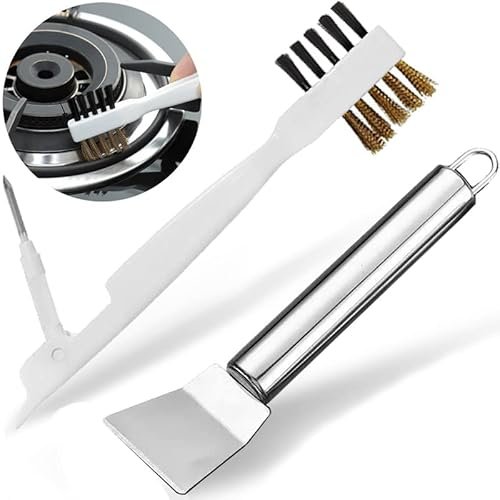
For scrubbing hardened grease from range hood surfaces, baffle filters, and stovetop components, a heavy-duty brass wire brush paired with a stainless steel putty scraper is a workhorse staple for most kitchens. Brass is softer than stainless steel, so it won’t scratch most metal surfaces, but it’s firm enough to dislodge baked-on grease without damaging finishes. In practice, a common mistake is using steel wool instead of brass brushes, which can leave tiny metal shavings that corrode exhaust components over time. For spot-cleaning small, hard-to-reach crevices on hood surfaces, a compact professional scrubbing tool is a useful addition to your kit. For extended cleaning sessions, a long-handled scrubbing brush can reduce hand fatigue when cleaning high hood surfaces.
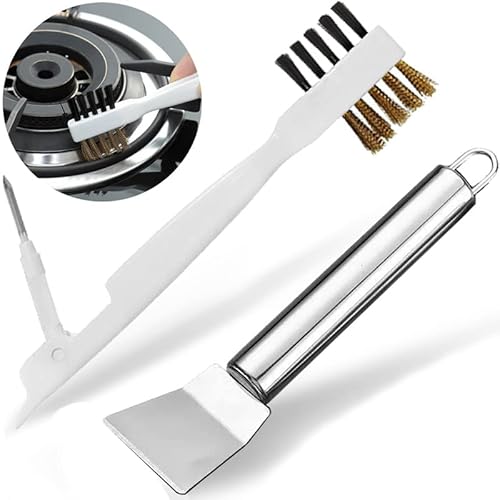 This heavy-duty brush and scraper set is ideal for scrubbing hardened grease from hood surfaces and baffle filters
Pros
- Brass bristles are soft enough to avoid scratching stainless steel, aluminum, and painted hood surfaces while still dislodging hardened grease
- Heavy-duty stainless steel scraper removes baked-on carbon and rust without bending or breaking
- Compact 7.5 inch length and 1 pound weight make it easy to maneuver in tight hood spaces
- Durable construction holds up to frequent commercial use without bristle loss
Cons
- Brass bristles are too abrasive for non-stick or coated surfaces, so test on a small area first
- Scraper requires careful handling to avoid scratching delicate hood finishes
- Limited color options may not appeal to kitchens with color-coded cleaning tool protocols
Degreasers & Cleaning Solutions
No amount of scrubbing will remove heavy grease buildup without a high-quality degreaser formulated for commercial kitchen use. The right degreaser will soften hardened grease in minutes, reducing scrubbing time and improving cleaning results. Below are the top options for 2026, organized by use case.
Fast-Acting Concentrated Grill & Oven Degreaser
For heavy carbon buildup on griddles, fryer baskets, and exhaust fan blades, a fast-acting concentrated degreaser is the most effective option. This heavy-duty formula dissolves baked-on carbon, burnt food, and grease in 5-10 minutes of dwell time, cutting scrubbing time in half compared to standard all-purpose cleaners.
 Fast-acting concentrated degreaser dissolves baked-on carbon and grease from griddles and exhaust components
Pros
- Fast-acting formula breaks down even thick, carbonized grease without harsh scrubbing
- 32oz concentrated bottle makes up to 4 gallons of working solution, reducing long-term costs
- Safe for use on stainless steel, aluminum, cast iron, and other common kitchen surface materials
- Leaves no cloudy residue after rinsing, so you won’t leave cleaning chemical residues on food contact surfaces
Cons
- Strong chemical composition requires chemical-resistant gloves, goggles, and proper ventilation during use
- Not safe for painted, coated, or non-stick surfaces without prior spot-testing
- Requires dilution for most uses, which adds a small step to your cleaning workflow
Surfactant-Based Degreaser for Self-Cleaning Hood Systems
For kitchens with automated self-cleaning exhaust hood systems, a surfactant-based degreaser is formulated to work with the system’s built-in spray cycles, breaking down grease before it hardens in ductwork. Unlike harsh alkaline degreasers, surfactant formulas won’t clog spray nozzles or damage sensitive hood sensors, making them the safest option for automated systems.
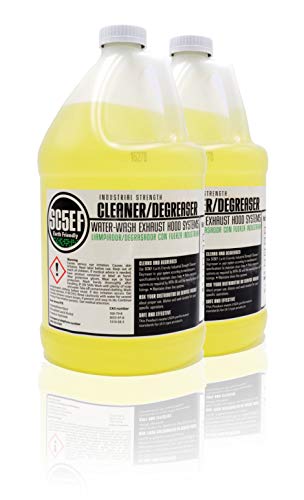 Surfactant-powered formula is compatible with automated self-cleaning commercial exhaust hood systems
Pros
- Specifically formulated for self-cleaning hood systems to avoid clogging spray nozzles or damaging sensors
- 2-gallon size provides 2-3 months of supply for medium-volume kitchens
- Low-fume formula is safer for staff to use in enclosed kitchen spaces
- Produced by Captive Aire, a leading commercial ventilation brand, so it is tested for compatibility with most major hood systems
Cons
- Not effective on heavy, carbonized grease buildup without pre-scrubbing
- Higher upfront cost than standard all-purpose degreasers
- Requires precise dilution to avoid leaving soapy residues on exhaust surfaces
Biodegradable Industrial Hood Degreaser
For kitchens prioritizing sustainability or operating in areas with strict wastewater regulations, a biodegradable industrial hood degreaser offers professional-strength cleaning power without harsh environmental impact. Many 2026 health department guidelines encourage the use of eco-friendly cleaning products to reduce wastewater contamination and support green business certifications.
 Concentrated biodegradable degreaser offers professional-strength cleaning for industrial kitchen exhaust systems
Pros
- Third-party certified biodegradable, so it is safe for wastewater systems and meets green business requirements
- Concentrated formula reduces plastic waste from single-use cleaning bottles
- Professional-strength formula removes heavy grease buildup without harsh chemical fumes
- Large 4-gallon pack provides 6+ months of supply for high-volume kitchens, reducing reordering frequency
Cons
- Slightly higher upfront cost than conventional chemical degreasers
- Requires 10-15 minutes of dwell time for heavy grease buildup, longer than fast-acting chemical alternatives
- Not effective on heavy carbonized grease without pre-scrubbing
Multi-Surface Concentrated Degreaser
For small to medium restaurants looking to simplify their cleaning supply inventory, a multi-surface concentrated degreaser works on exhaust components, cooking surfaces, and kitchen floors, eliminating the need to purchase separate cleaners for different tasks. This versatile option is also cost-effective for kitchens with limited storage space. This versatile concentrate works well for general kitchen surface cleaning beyond exhaust components, making it a cost-effective all-in-one option for small teams.
 US-made concentrated degreaser works on exhaust components, cooking surfaces, and kitchen floors
Pros
- 1-gallon size is easy to store in small supply closets and under sinks
- Made in the USA with consistent quality control, meeting many local public procurement requirements for food businesses
- Safe for use on stainless steel, concrete, and food contact surfaces when diluted correctly
- Lower cost per use than single-purpose degreasers for small kitchens
Cons
- Strong citrus odor requires good ventilation during use
- Not effective on heavy carbon buildup without pre-treatment
- Requires careful dilution to avoid leaving sticky residues on surfaces
Cold-Application Grease Remover
For quick spot-cleaning of minor grease buildup on hot exhaust surfaces, or for kitchens that want to avoid the fumes of hot chemical degreasers, a cold-application grease remover is a convenient option. This spray-on formula works at room temperature, so you don’t need to wait for exhaust components to cool before cleaning.
 Cold-application grease remover works without heating, ideal for quick spot-cleaning of minor grease buildup
Pros
- No heating required, so you can clean hot exhaust surfaces without waiting for them to cool (with proper PPE)
- Spray applicator reaches crevices and hard-to-reach areas easily
- Compact 12-inch size is easy to store in a kitchen supply closet
- Effective at removing light, fresh grease buildup without scrubbing
Cons
- Not effective on heavy, baked-on grease without pre-scrubbing
- May require multiple sprays for thick grease layers
- Not safe for all surfaces without prior testing, so always spot-check first
Grease Containment & Disposal Tools
Proper grease disposal is required by most local health and fire codes, not just a nice-to-have. Dumping grease down drains leads to costly plumbing clogs, and uncontained grease in exhaust ducts is a major fire hazard. A fireproof grease collection box is the standard solution for commercial kitchens, capturing grease before it can enter exhaust ductwork or drip onto cooking equipment. Proper grease disposal also prevents costly kitchen drain clogs that can shut down operations for hours during peak service.
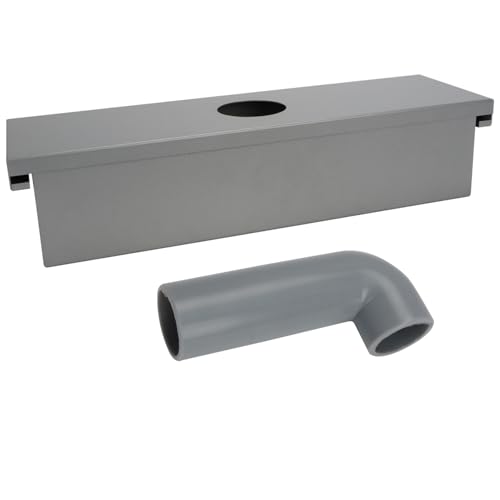 Fireproof grease box captures exhaust grease to reduce fire risk and simplify disposal
Pros
- Fireproof construction meets NFPA 96 requirements for grease containment
- 16.9 inch length fits most standard commercial range hood canopies
- Galvanized steel resists corrosion from acidic grease buildup, extending its lifespan
- Sloped design channels grease into removable disposable bags for easy, sanitary disposal
Cons
- Requires professional installation to ensure proper alignment with exhaust ducts
- Too large for compact restaurant hoods with limited canopy space
- Requires regular emptying (usually weekly for high-volume kitchens) to avoid overflow
Specialty Brushes for Hard-to-Reach Exhaust Components
Exhaust duct elbows, fan housing seams, and valve fittings are the most common spots for hidden grease buildup that causes fires, but they are impossible to reach with standard brushes. Specialty brushes designed for narrow spaces make it easy to clean these high-risk areas without disassembling your exhaust system.
 Compact color-coded valve brush cleans hard-to-reach exhaust duct seams and fan components
Pros
- Durable polyester bristles scrub grime from metal ductwork without scratching surfaces
- Color-coded design lets you assign brushes to specific tasks to avoid cross-contamination
- Compact 7.1 inch size fits into tight valve fittings, duct seams, and fan housing gaps
- Lightweight 0.3 pound design reduces hand fatigue during extended cleaning sessions
Cons
- Too small for large-diameter exhaust ducts or extensive cleaning jobs
- Polyester bristles may wear out faster when used on extremely abrasive carbon buildup
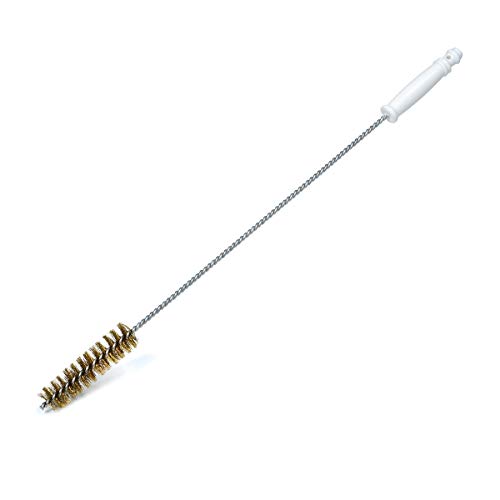 Long-handled heat-resistant brush cleans deep fryer drains and upper exhaust duct sections
Pros
- Heat-resistant brass bristles hold up to 750°F, so you can clean hot exhaust duct surfaces without waiting for the system to cool (with proper PPE)
- 27 inch length reaches deep into narrow exhaust ducts and deep fryer drains without needing a ladder
- Brass bristles are soft enough to avoid scratching metal pipes and duct surfaces
- Lightweight 6.4 ounce design is easy to maneuver for extended cleaning sessions
Cons
- Brass bristles may wear out faster with extremely frequent heavy use
- Not a multipurpose tool, so it is only useful for deep fryer drains and narrow duct cleaning
Step-by-Step 2026-Compliant Exhaust Cleaning Workflow
Following a consistent, documented workflow ensures you don’t miss high-risk areas and meets the documentation requirements of most health and fire departments. Below is the standard process used by certified kitchen exhaust cleaning professionals:
- Pre-Cleaning Safety Check: Turn off all cooking equipment, verify exhaust fans are running at full speed, and wear required PPE: chemical-resistant gloves, safety goggles, slip-resistant shoes, and a face mask if using strong degreasers. Post a "Cleaning in Progress" sign in the kitchen to alert staff.
- Grease Collection Setup: Install your fireproof grease collection box, line it with a disposable grease bag, and place a drip pan under the hood to catch any runoff during cleaning.
- Heavy Degreaser Application: Spray your chosen concentrated degreaser on all hood surfaces, baffle filters, duct access points, and fan blades. Let it dwell for the manufacturer-recommended time (usually 5-15 minutes) to soften hardened grease. For heavy buildup, apply a second coat after the first dwell time.
- Scrubbing & Degreasing: Use your brass brush and scraper set to dislodge grease from hood surfaces and filters. Use the valve brush to clean duct seams, fan housing gaps, and other hard-to-reach areas. For deep ducts, use the long-handled brush to reach upper sections without a ladder.
- Rinse & Wipe: Use a low-pressure sprayer to rinse off loosened grease, directing all runoff into the grease collection box. Wipe all surfaces with clean, lint-free rags to remove any remaining degreaser residue.
- Post-Cleaning Inspection: Check all surfaces for remaining grease buildup, verify the grease collection box is full and properly sealed, and dispose of grease per local codes (most jurisdictions require licensed waste haulers to pick up used grease, not regular trash disposal).
- Documentation: Log the cleaning date, cleaner name, products used, and any issues found (e.g., damaged filters, duct leaks) in a dedicated cleaning log. Keep this log on-site for health and fire inspector reviews, as most departments require proof of regular cleaning.
Common Exhaust Cleaning Mistakes to Avoid
Even experienced kitchen staff make errors that reduce cleaning effectiveness or create safety hazards. Avoid these common pitfalls to keep your exhaust system in top condition:
- Skipping pre-scrubbing before degreaser application: Degreasers can only penetrate surface grease; they can’t break through hardened, caked-on buildup. Pre-scrubbing with a brass brush softens grease so the degreaser can work effectively, reducing the amount of product you need to use.
- Using abrasive tools on stainless steel surfaces: Steel wool, harsh wire brushes, or metal scrapers can scratch stainless steel hoods and ductwork, creating tiny crevices that trap grease and lead to corrosion over time. Always use brass or nylon brushes for metal surfaces. Using abrasive steel wool or wire brushes on stainless steel exhaust components causes tiny scratches that trap grease and accelerate corrosion, so opt for non-abrasive scrubbing tools designed for metal surfaces.
- Incorrect degreaser dilution: Over-diluting degreaser reduces its cleaning power, leaving grease buildup behind. Under-diluting can damage exhaust fan motors, leave harsh chemical residues on food contact surfaces, and create toxic fumes during cooking. Always follow the manufacturer’s dilution instructions exactly.
- Improper grease disposal: Pouring used grease down drains leads to costly plumbing clogs that can shut down your kitchen for hours during peak service. Unlicensed grease disposal can also result in heavy fines from local environmental agencies. Always use a licensed waste hauler for grease disposal.
- Ignoring hidden hard-to-reach areas: Duct elbows, fan blades, and seam gaps are the most common spots for hidden grease buildup that causes fires. Don’t just clean visible hood surfaces—use specialty brushes to reach these high-risk areas during every cleaning.
How to Choose the Right Cleaning Solutions for Your Kitchen
Not all degreasers and tools are a good fit for every kitchen. When selecting cleaning products, consider these key factors to get the best results for your budget and operation:
- Cooking volume: High-volume restaurants (more than 100 meals per day) or those cooking with large amounts of fried, charred, or oily food need fast-acting, heavy-duty degreasers that cut through carbon buildup quickly. Low-volume cafes or bakeries can use milder, biodegradable options that are safer for staff to handle.
- Exhaust system type: Kitchens with automated self-cleaning hood systems need surfactant-based degreasers that won’t clog spray nozzles or damage sensors. Manual exhaust systems can handle stronger alkaline degreasers for heavy buildup.
- Sustainability goals: If your restaurant has green certification goals or operates in an area with strict wastewater rules, choose a third-party certified biodegradable degreaser to reduce environmental impact.
- Storage space: Small kitchens with limited supply storage should opt for concentrated degreasers in small, space-saving bottles, and multi-purpose tools that can be used for multiple cleaning tasks. For small kitchens with limited storage space, a compact cleaning brush set can be stored alongside your degreaser for quick spot-cleaning of minor grease buildup between deep cleans.
Always test any new degreaser or tool on a small, inconspicuous area of your exhaust system first to check for surface damage or discoloration before using it on the entire system.
Frequently Asked Questions
What tools are best for cleaning restaurant kitchen exhaust grease?
For most commercial kitchens, a combination of tools works best: a brass wire brush and stainless steel scraper set for hood surfaces and baffle filters, a long-handled valve brush for duct crevices and fan components, and a heavy-duty degreaser formulated for commercial use. For high-volume kitchens with heavy carbon buildup, a powered rotary scrubber attachment can cut cleaning time by 50% compared to manual brushing.
How does commercial grill and oven cleaner work on exhaust components?
Commercial grill and oven cleaner uses alkaline or surfactant-based formulas to break the molecular bonds of carbonized grease and burnt food particles. When applied to exhaust surfaces, it softens hardened buildup in 5-15 minutes, making it easy to scrub away without harsh scraping that can damage metal components. Always follow the manufacturer’s dwell time instructions to avoid damaging exhaust fan motors or painted surfaces.
Why is a galvanized steel grease box required for commercial exhaust systems?
Galvanized steel grease boxes are required by most local fire and health codes, as they capture grease before it can drip into exhaust ducts or onto cooking equipment. Their fireproof construction prevents grease from igniting if a nearby fire occurs, and their sloped design channels grease into removable collection bags for easy, sanitary disposal. In practice, kitchens that skip grease box installation are far more likely to receive fire code violations during routine inspections, as uncontained grease is a top flagged hazard.
Are biodegradable hood cleaners effective for heavy industrial kitchen use?
Yes, many modern biodegradable hood cleaners use plant-based surfactants that are just as effective at breaking down grease as conventional chemical degreasers, without the harsh fumes or environmental impact. Look for cleaners that are third-party certified biodegradable (such as EPA Safer Choice) to ensure they meet commercial strength requirements while being safe for wastewater systems. For kitchens with heavy, carbonized grease buildup, you may need to pair biodegradable degreasers with a pre-scrub step for best results.
How often should restaurant kitchen exhaust systems be cleaned?
Cleaning frequency depends on your kitchen's cooking volume and type: high-volume restaurants (more than 100 meals per day) or those cooking with lots of fried or charred foods need monthly cleaning, while standard restaurants need quarterly cleaning. Always follow NFPA 96 guidelines and your local health department’s requirements, as some jurisdictions mandate more frequent cleanings for specific cooking equipment like wok ranges or wood-fired ovens. NFPA 96 standard overview outlines the full recommended frequency schedule for different kitchen types.
Can I clean my restaurant exhaust system myself, or do I need a professional?
Small restaurants with simple exhaust systems and low cooking volumes can handle cleaning themselves with the right tools and training. However, high-volume kitchens or those with complex, multi-duct exhaust systems should hire a certified kitchen exhaust cleaning (KEC) professional. Certified cleaners have specialized tools like powered rotary brushes and camera inspection equipment to reach hidden ductwork and verify that all grease is removed, which is required for insurance compliance in many areas.
Conclusion
Restaurant kitchen exhaust cleaning is one of the most important safety and maintenance tasks for any food service operation. It prevents catastrophic fires, keeps your kitchen in compliance with health and fire codes, reduces operational costs, and creates a healthier work environment for your staff. By investing in the right tools—brass brushes for surface scrubbing, concentrated degreasers for heavy buildup, a fireproof grease containment box for safe disposal, and specialty brushes for hard-to-reach areas—you can keep your exhaust system sparkling and efficient with minimal downtime. Following the step-by-step workflow and avoiding common cleaning mistakes will ensure you meet 2026 regulatory requirements and extend the lifespan of your exhaust equipment for years to come. If you’re building or upgrading your commercial kitchen’s cleaning toolkit, start with the heavy-duty brass brush and scraper set for routine surface cleaning, pair it with a concentrated commercial degreaser for deep cleans, and invest in a fireproof grease containment box to meet code requirements. For more commercial kitchen maintenance tips, check out our guide to maintaining commercial kitchen equipment for year-round operational efficiency.

I’m Abby Lu, a passionate home cook who loves simplifying everyday meals. At PlugChef.com, I share product reviews and cooking guides to help you find the best tools for your kitchen.
Related posts:
 Best Mug to Keep Coffee Warm: Top Picks for Cozy Sips
 Best Grinder Coffee Maker Combo: Elevate Your Morning Brew Experience
 High End Outdoor Kitchen Appliances: Elevate Your BBQ Island Experience
 Best Pizzelle Maker for Thin Cookies: Top Picks for Perfect Treats
 Best Rated Juicers by Consumer Reports: Discover Top Cold Press Machines
 Best Way to Clean a Microwave Oven: Top Steam Cleaner Solutions