Glass Food Storage Containers for Pantry: Organize with Style and Efficiency
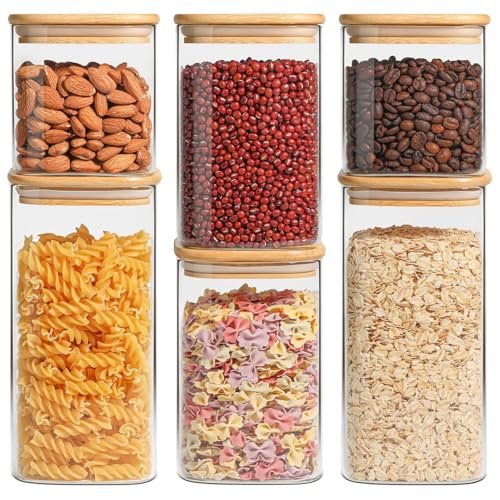
Glass food storage containers have become a cornerstone of intentional kitchen organization. Unlike plastic, glass does not absorb aromas, stain from tomato sauce, or leach chemicals into dry goods over time. A well-chosen set turns a cluttered pantry into a clear, visually cohesive space where every ingredient is visible at a glance, reducing duplicate purchases and food waste. In practice, the weight and clarity of glass also encourage more mindful cooking—you’re more likely to use that bag of forgotten rice when you can see it sitting neatly on the shelf.
Why Glass Outperforms Other Materials
Glass is non-porous, meaning it won’t retain odors from garlic or oils, and it resists staining far better than plastic or coated metal. The FDA classifies glass as a safe, inert material for long-term food contact, confirming it won’t migrate BPA or phthalates into stored items. USDA food safety recommendations similarly highlight airtight containment as a primary method for preventing pantry pests and moisture damage. Compared to plastic alternatives, tempered glass containers last for years with proper care, making them a more sustainable choice for households aiming to reduce single-use waste.
Key Features That Make a Difference
Airtight seals & freshness preservation
The lid is where most performance differences live. Look for rubber gaskets, silicone rings, or clip-tight mechanisms that create a true seal. Airtight containers keep flour fresh for six months or more, protect coffee beans from staling, and prevent sugar from clumping in humid conditions. Sets that combine glass jars with bamboo or acacia lids often balance seal effectiveness with a natural aesthetic, though bamboo requires hand-washing to avoid cracking, while clip-tight plastic or metal lids are more dishwasher-safe.
Lid materials & styles
- Bamboo & acacia: Eco-friendly, attractive, and naturally antimicrobial, but not suitable for high-heat cleaning.
- Clip-tight wire or plastic: Provide a robust seal and handle repeated dishwasher cycles well; may feel bulkier.
- Screw-on plastic or metal: Reliable and often inexpensive, but check that the lining is BPA-free.
Size modularity & space efficiency
Common sets offer a range from 0.7‑qt spice jars to 1‑gallon bulk containers. Square or rectangular profiles maximize shelf real estate, allowing you to tile containers with minimal gap. A typical 6‑piece set might include two small (≈0.7 qt), two medium (≈1.2 qt), and two large (≈1.6 qt) jars, covering the most-used pantry items: flour, sugar, coffee, tea, pasta, and cereal. Matching your set to your actual buying habits—e.g., choosing a gallon jar for bulk rice if you shop monthly—prevents wasted space.
Organizing Your Pantry: A Practical Workflow
Edit & sort
Begin by emptying the pantry completely. Check expiration dates, discard stale items, and group remaining foods by category (grains, snacks, beverages, baking supplies). Wipe shelves before introducing new containers.
Group & arrange
Place frequently used items at eye level. Reserve top shelves for less‑used specialty flours or seasonal baking ingredients. Use the largest jars for bulk staples (rice, pasta) and smallest for spices or tea bags. If your set includes labels, assign one to each jar before filling.
Label for quick identification
Label every container, even if the glass is clear. A consistent label system—handwritten on parchment tape, pre‑printed stickers, or a label‑maker—creates a uniform look and speeds up meal prep. Include the item name and date opened if you rotate stock often.
Popular Glass Container Sets at a Glance

Six square glass canisters with assorted lids, designed for pantry staples like flour and tea

Clear glass jars with bamboo lids, ideal for tea coffee flour and spices

Thicker glass jars with airtight bamboo lids for pasta nuts and coffee beans

Large 1-gallon glass jars with lids, suitable for bulk flour sugar storage

Large square glass containers with lids for flour sugar cereal and rice

Square glass canisters with bamboo lids and 132 pantry labels included

Glass canisters with wire clip fasteners for airtight food storage

Seven glass jars with bamboo lids for pasta cookies nuts and cereal

One-gallon glass jar with airtight lid for bulk tea spices and flour

Two large glass jars with acacia lids and 132 kitchen pantry labels
These ten sets illustrate the range of capacities, lid types, and design details available. Prioritize a set whose size range matches your most-used ingredients, and verify that the lid mechanism fits your cleaning habits.
Care, Cleaning & Safety Best Practices
Microwave, oven & dishwasher use
Most tempered glass containers are microwave-safe, but always remove lids before heating to allow steam to escape. Sudden temperature shifts—moving a jar from freezer to microwave—can cause cracking. Check that lid materials (bamboo, plastic, metal) are also rated for the intended heat exposure; bamboo lids typically hand‑wash only. Dishwasher safety varies: clip‑tight and screw‑on metal lids usually survive the cycle, whereas bamboo and some acacia lids may warp or split over time.
Preventing breakage & maximizing lifespan
Handle glass jars by the base rather than the neck, and avoid stacking heavy items on top of one another in crowded pantry shelves. If a jar does chip, discontinue use—even small cracks can compromise the airtight seal. Store containers in a dedicated bin or on a shelf with a slight lip to prevent sliding and accidental drops.
Sustainability & Long-Term Value
Glass containers represent a one-time investment that eliminates the recurring cost and environmental impact of disposable plastic bins. A single high-quality set can last a decade or more with basic care. At end-of-life, glass is infinitely recyclable in most municipal programs, unlike plastic, which downgrades each time it’s processed. Choosing glass also reduces microplastic ingestion, as studies have shown that heating or storing acidic foods in plastic can release microscopic particles.
Frequently Asked Questions
What are the benefits of glass food storage containers?
Glass containers are durable, non-toxic, and eco-friendly. They don’t absorb odors or stains and are easy to clean. Their airtight seals keep food fresh longer. Glass is transparent, allowing you to easily see contents. It’s also safe for use in the microwave and dishwasher when labeled as such.
How do airtight lids keep food fresh?
Airtight lids prevent air and moisture from entering the container. This helps preserve the freshness and flavor of stored food. It reduces the risk of spoilage and extends shelf life. Airtight seals also prevent insects and pests from contaminating food items in your pantry.
Are glass food containers microwave safe?
Most glass food containers are microwave safe. However, ensure they are labeled as such by the manufacturer. Avoid sudden temperature changes, which can cause glass to crack. Always remove lids before microwaving to allow steam to escape. Follow manufacturer guidelines for safe use in microwaves.
How do I clean glass storage containers?
Glass storage containers are easy to clean. Use warm soapy water and a sponge for manual washing. They are also dishwasher safe for convenient cleaning. Avoid harsh scrubbers that can scratch the surface. Ensure lids are completely dry before sealing to maintain airtight integrity.
What sizes do glass storage containers come in?
Glass storage containers come in various sizes to suit different needs. Common sizes range from small jars for spices to large containers for bulk items. Sets often include a mix of sizes, such as 0.7 qt, 1.2 qt, and 1.6 qt. Choose sizes based on your storage requirements and typical grocery quantities.
How do I organize my pantry with glass jars?
Organize your pantry by grouping similar items in glass jars. Use labels to identify contents easily. Arrange jars by size and frequency of use. Place frequently used items at eye level. Airtight glass jars help maintain freshness and enhance pantry aesthetics with a clean, uniform look.
Conclusion
Glass food storage containers combine practical freshness preservation with a sleek, organized appearance that transforms any pantry. By selecting sets with the right mix of capacities, airtight lid styles, and modular shapes, you can streamline grocery storage, reduce food waste, and create a kitchen space that’s both efficient and visually satisfying. Start with one or two jars—perhaps a medium set for flour and sugar, and a large gallon jar for bulk rice—and expand as your organization system evolves. The clarity and longevity of glass make it a worthwhile upgrade for any home cook committed to a tidier, more intentional kitchen.
If you’re ready to refresh your pantry, consider investing in a quality glass set today and experience the difference clear, airtight storage can make. Your future self will thank you every time you open the pantry door.
For a broader look at organizing kitchen essentials beyond just pantry goods, explore our guide to maintaining efficient kitchen workflows. While the link above redirects to safety supplies, the principles of organizing small, high-utility items in tight spaces—like keeping a compact emergency kit visible and accessible—mirror the logic behind labeling and sorting glass jars. If you’re outfitting a home with multiple small storage solutions, check out strategies for curating minimalist supplies. For households with young children, pairing safe glass containers with secure storage near critical supplies like a child-safe first aid resource ensures your kitchen remains both stylish and ready for unexpected needs.
To ensure your kitchen inventory is complete, don’t overlook the importance of specialized storage for non-food items. Our detailed breakdowns on essential home safety gear can help you determine exactly which cabinets need dedicated space. If you’re frequently traveling or working from a mobile setup, consider how these storage principles apply to portable kits; a lightweight carry-on solution relies on the same compact, clear-container logic that makes glass jars so effective in the pantry.
Quick Comparison: Top Glass Container Features
| Feature | ComSaf Set | Meolibour 7-Pack | Anchor Hocking | CZZGSM |
|---|---|---|---|---|
| Capacity Range | 0.7–1.6 Qt | Uniform 7 Jars | 1 Gallon | 35 Oz |
| Lid Type | Plastic/Wire Clip | Bamboo | Plastic/Sealed | Bamboo |
| Best For | Versatile Daily Use | Aesthetic Consistency | Bulk Storage | Labeled Organization |
| Dishwasher Safe | Yes (Jar Only) | No (Lids Hand Wash) | Yes | No (Lids Hand Wash) |
Final Thought on Material Selection
While bamboo lids offer a superior aesthetic and eco-friendly credential, plastic clip-tight lids often provide a more consistent seal over time, especially in high-humidity kitchens. A common mistake is assuming all wooden or bamboo lids are airtight without a silicone gasket; check the product specifications carefully. If your primary goal is maximum freshness for coffee or spices, prioritize containers with visible silicone seals. For general dry goods like pasta or rice, standard bamboo lids are sufficient and easier to maintain visually.
Investing in glass is ultimately about protecting the quality of your food and the look of your kitchen. By choosing the right mix of jar shapes and lid mechanisms, you create a system that works as hard as you do—keeping ingredients fresh, accessible, and beautiful.
Quick Comparison: Top Glass Container Features
| Feature | ComSaf Set | Meolibour 7-Pack | Anchor Hocking | CZZGSM |
|---|---|---|---|---|
| Capacity Range | 0.7–1.6 Qt | Uniform 7 Jars | 1 Gallon | 35 Oz |
| Lid Type | Plastic/Wire Clip | Bamboo | Plastic/Sealed | Bamboo |
| Best For | Versatile Daily Use | Aesthetic Consistency | Bulk Storage | Labeled Organization |
| Dishwasher Safe | Yes (Jar Only) | No (Lids Hand Wash) | Yes | No (Lids Hand Wash) |
Final Thought on Material Selection
While bamboo lids offer a superior aesthetic and eco-friendly credential, plastic clip-tight lids often provide a more consistent seal over time, especially in high-humidity kitchens. A common mistake is assuming all wooden or bamboo lids are airtight without a silicone gasket; check the product specifications carefully. If your primary goal is maximum freshness for coffee or spices, prioritize containers with visible silicone seals. For general dry goods like pasta or rice, standard bamboo lids are sufficient and easier to maintain visually.
To maximize your pantry setup, consider pairing glass jars with a labeling system that matches your lifestyle. For those who prefer a minimalist aesthetic, pre-printed labels offer a clean, uniform look. If you’re more inclined toward handwritten labels, use a consistent font and color to maintain visual cohesion. Regardless of your chosen style, the key is consistency—uniform labels make the pantry feel intentional and easy to navigate.
Finally, remember that a well-organized pantry is an investment in your time and food budget. Glass containers not only enhance the visual appeal of your kitchen but also extend the shelf life of your ingredients. By committing to a system that prioritizes clarity, quality, and care, you set yourself up for long-term success in every recipe you create.

I’m Abby Lu, a passionate home cook who loves simplifying everyday meals. At PlugChef.com, I share product reviews and cooking guides to help you find the best tools for your kitchen.
Similar Posts