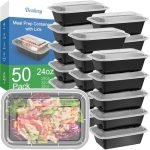
Food Storage Containers for Restaurants: Enhance Efficiency with Airtight Solutions
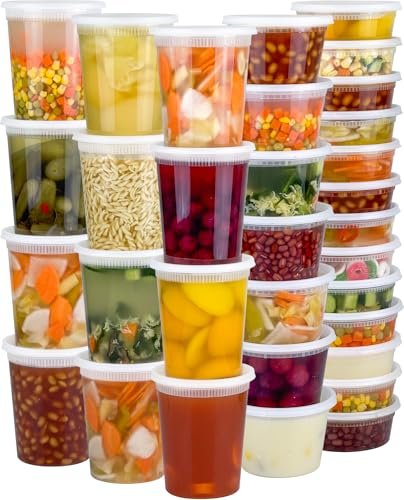
Effective food storage forms the backbone of any successful restaurant operation. In commercial kitchens where speed, safety, and organization directly impact profitability, choosing the right containers isn't just about convenience—it's a strategic decision that affects health compliance, waste reduction, and daily workflow. This guide explores how airtight solutions elevate restaurant operations, covering regulatory foundations, material science, size strategy, and practical maintenance protocols that keep kitchens running smoothly.
Commercial Kitchen Food Storage Regulatory Foundations
Health department inspections and food safety audits place rigorous demands on storage equipment. The FDA Food Code specifies that containers must protect food from contamination, maintain temperature integrity, and allow for proper cleaning. NSF International certification provides an independent verification that a container meets these public health standards, making it a worthwhile investment for any establishment subject to regular inspections. Beyond certification, understanding local requirements helps avoid costly violations and ensures consistent operation across shifts.
Essential Features That Define Quality Airtight Containers
Not all airtight containers deliver the same performance. A truly effective restaurant container combines several key attributes: a leak-proof seal that prevents spills during transport, temperature tolerance ranging from freezer depths to microwave reheating, stackable design that maximizes limited shelf space, and clear or marked surfaces that enable quick content identification. These features directly translate to reduced prep time, minimized product loss, and more consistent food quality across service periods.
Material Science — Plastic, Polycarbonate, and Acrylic Options
Container material fundamentally affects performance, longevity, and safety. BPA-free polypropylene offers lightweight durability and is suitable for daily commercial use, while polycarbonate provides superior impact resistance—critical in high-traffic kitchens where drops occur. Acrylic containers excel in clarity and static resistance but may not withstand the repeated thermal cycling that polycarbonate handles effortlessly. A common mistake is selecting based solely on price; investing in food-grade, NSF-rated materials pays off through fewer replacements and maintained safety compliance.
Size Strategy and Workflow Optimization
Effective container sizing follows the principle of right-sizing: using the smallest container that holds your intended volume to maximize shelf space and minimize air exposure. Commercial kitchens typically benefit from a tiered approach—quart and half-gallon containers for prepped ingredients, gallon-sized units for bulk storage, and smaller 8-16oz deli cups for portioning and sauces. Implementing a FIFO (first-in, first-out) system becomes significantly more manageable when container sizes align with production volumes, reducing both waste and the labor hours spent searching for the right fit.
Specialized Container Types for Different Food Categories
Different food states require different container designs. Dry storage pantry containers often feature square profiles that optimize corner space and prevent rolling, while freezer-safe units incorporate gasket-sealed lids that prevent freezer burn during extended storage. Microwave-reheatable containers typically include steam-release vents and BPA-free construction rated for repeated heating cycles. For sauce and liquid storage, containers with pour spouts or integrated measuring markings improve accuracy and reduce transfer steps during busy service.
Leading commercial brands address these categories with specialized lines: Cambro's square storage boxes optimize space efficiency, Rubbermaid's polycarbonate totes handle bulk ingredient transport, and Dipoo's leak-proof deli containers excel in takeout and prep applications. Understanding each brand's specialization helps kitchen managers build a cohesive storage system rather than a random collection of containers.
Leading Commercial Brands — Comparative Overview
Cambro food storage containers with lids consistently rank among the most requested by restaurant owners, and for good reason. Their translucent 4-quart containers combine BPA-free construction with microwave safety, allowing direct reheating without transferring to secondary dishes. The square design maximizes refrigerated real estate, while the durable material withstands the rigorous wash cycles of commercial dishrooms. For operations prioritizing visibility, Cambro's green-lid variants provide an color-coded system that supports allergen management and food safety protocols.
Rubbermaid Commercial Products' polycarbonate food storage box/tote, rated at 3.5 gallons, addresses the bulk storage need with a lightweight yet rugged design. At just 2.0 pounds, the tote facilitates easy transport across kitchen stations, while its stackable construction verticalizes storage space—a crucial advantage in footprints where every square foot counts. The clear polycarbonate allows staff to identify contents at a glance, though the lack of an airtight seal limits its suitability for liquid storage or long-term freezer use. This makes it ideal for dry goods, bread, or pre-washed produce where immediate airtight preservation isn't the primary requirement.
Dipoo's 60-set deli container line demonstrates how affordability and functionality can coexist. The 32-ounce, 16-ounce, and 8-ounce sizes covered in each 20-piece set provide versatility for everything from large-batch soup storage to individual portion control. Leak-proof lids and BPA-free construction make these containers suitable for freezer, microwave, and dishwasher use, though eco-conscious operators may prefer reusable glass or stainless steel alternatives for certain applications. The clear design, while practical for identification, does offer no privacy—an consideration for operations storing high-value or proprietary ingredients.
JoyServe's 48-set deli container offering addresses the meal prep market with a 24-quart and 24-pint size split that serves both commercial and personal preparation needs. The airtight seal design specifically targets freshness retention, making these containers suitable for meal prep programs, catering operations, and food delivery services where transport integrity matters. Microwave and dishwasher safety adds operational convenience, though users should note that repeated high-heat microwave use may eventually warp plastic boundaries over extended periods.
Maintenance Protocols for Longevity and Compliance
Even the highest-quality containers degrade under commercial conditions, making structured maintenance essential. Daily inspection should include checking lid seals for warping, examining bases for cracks or stains, and verifying that markings remain legible. Containers showing signs of pitting, clouding, or lingering odors should be retired immediately, as these conditions can harbor bacteria and compromise food safety. Establishing a replacement schedule—typically every 12 to 18 months for high-frequency commercial use—protects both customer health and equipment investment.
Cost Analysis — Investment vs. Waste Reduction
The true cost of food storage containers extends beyond the per-unit price. A $4 container that lasts six months represents different value than a $12 container that endures three years with daily use. When calculating return on investment, factor in waste reduction from better sealing, labor savings from efficient stacking, and the cost of health violation fines—a single failed inspection can outweigh years of container purchases. Budget-conscious operations can Tier their inventory: polycarbonate totes for bulk dry storage, BPA-free polypropylene for daily prep, and glass or stainless steel for high-visibility or long-term storage applications where longevity justifies the higher initial outlay.
Organizational Systems and Labeling Strategies
Color-coded container systems streamline both daily operations and compliance audits. Assigning specific colors to allergen-free, raw protein, and ready-to-eat categories reduces cross-contact risk and speeds service line setup. Date-labeling systems—using removable labels or direct-mark markers—ensure FIFO rotation and prevent the "mystery container" phenomenon in back-of-house refrigerators. For operations managing diverse inventory, integrating photos of container contents with digital inventory systems further reduces prep time and supports accurate ordering.
Frequently Asked Questions
What materials are most compliant with health department standards?
Containers made from NSF-certified, BPA-free polypropylene or polycarbonate meet the majority of health department requirements. Look for clear labeling indicating compliance, and verify that any container used for hot foods specifies temperature tolerances above 160°F. Avoid containers with damaged seals or scratches, as these harbors bacterial growth and fails inspection criteria.
Are airtight containers necessary for dry goods storage?
While not strictly required for all dry items, airtight seals significantly extend shelf life by preventing moisture absorption, pest intrusion, and flavor cross-contamination. For ingredients like flour, sugar, and spices stored beyond 30 days, airtight containers represent a cost-effective quality safeguard. The reduction in product waste often offsets the modest price premium within a single purchasing cycle.
Can these containers go from freezer to microwave safely?
Many modern restaurant containers are engineered for temperature transitions, but this depends entirely on material composition. Polypropylene and BPA-free polycarbonate typically handle -4°F to 212°F ranges, while acrylic and some thinner plastics may crack under thermal shock. Always consult manufacturer specifications and, when in doubt, transfer food to a verified microwave-safe vessel rather than risk container failure.
How do I prevent odor transfer between stored foods?
Airtight seals are the first line of defense, but additional steps improve results. Ensure lids seat fully before refrigeration, and consider pairing storage systems with odor-absorbing baking soda boxes in shared refrigerators. For highly aromatic foods (fish, strong cheeses), double-sealing with plastic wrap beneath the container lid provides an extra barrier that preserves surrounding food quality.
What's the best way to organize containers for FIFO rotation?
Implement a "new in back" policy where newly washed containers are stored behind existing ones, pushing older units to the front. Pair this with a color-coded date-coding system (green for recent, yellow for approaching rotation, red for immediate use) on lid rims. Square-profile containers stack more predictably for this system than round alternatives, and maintaining one container size per food category simplifies both staff training and audit readiness.
Conclusion
Selecting the right food storage containers for your restaurant requires balancing regulatory compliance, material durability, size strategy, and organizational systems. The containers discussed—from Cambro's square workhorses to Dipoo's versatile deli sets—each address specific operational needs while supporting the core goals of food safety, waste reduction, and workflow efficiency. By prioritizing NSF-certified, BPA-free materials and aligning container sizes with production volumes, kitchen managers can build a storage system that pays for itself through reduced product loss and streamlined service preparation.
Investing in airtight solutions is an investment in your kitchen's foundation. The right containers do more than hold food—they protect it, organize it, and enable your team to work faster and safer. Consider auditing your current storage inventory against the criteria outlined here, and identify where upgrading a few key pieces could yield immediate improvements in both food quality and operational cost. Your future self—and your customers—will thank you.
Consider reviewing your current container inventory against the guidelines above to identify immediate improvement opportunities. A targeted upgrade of just a few critical pieces—such as replacing worn lids or adding color-coded systems—can transform your kitchen's efficiency and food safety profile without a full equipment overhaul.
NSF-Certified Storage Solutions for Regulatory Compliance
The 4QT NSF Food Storage Containers provide a certified pathway to health department compliance. These 8-piece sets of food-grade, BPA-free containers offer hot and cold resistance, making them suitable for everything from proofing dough to storing soups. The included measuring spoons add practical utility, enabling precise portion control during prep without requiring separate tools. The clear construction allows quick visual inventory checks, reducing the time staff spend searching for specific ingredients during busy service hours. NSF certification provides documented proof of meeting public health standards, which can expedite health inspections and provide peace of mind during audits.

NSF-certified containers meet stringent public health standards for commercial food service.
For operations seeking additional verification of food safety protocols, understanding the requirements set forth by NSF International can guide container selection and compliance documentation. The agency's certification process ensures that materials, construction, and performance meet internationally recognized standards for food-grade equipment.
Lightweight Mixed-Size Packs for Flexibility
The DuraHome Food Storage Containers combo pack addresses a common kitchen challenge: varying portion sizes across different menu items. With 8oz, 16oz, and 32oz sizes in a single 44-set package, this offering eliminates the need to source multiple container types for different applications. The leakproof design prevents spills during transport, making these containers suitable for both takeout services and internal prep moves between stations. The clear construction supports quick identification, while the BPA-free material ensures food safety across all temperature applications—from freezer storage to microwave reheating.
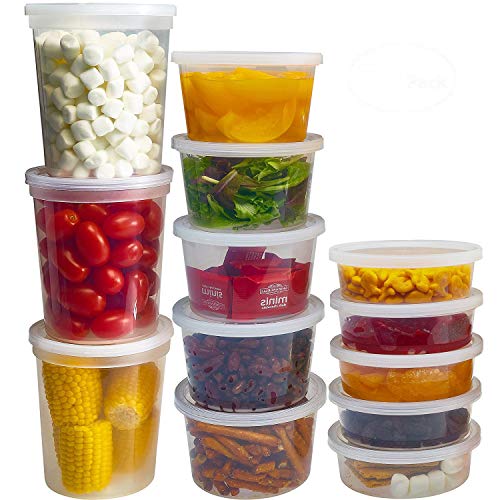
Combo packs of mixed sizes streamline storage for varied portion requirements.
While these containers handle freezers and microwaves effectively, they are not rated for oven use. Kitchen managers should maintain a separate inventory of oven-safe bakeware for applications requiring direct heat above 350°F. The mixed-size approach also requires some organizational discipline—grouping sizes by station or food category prevents the haphazard storage that reduces efficiency gains.
Specialty Acrylic Containers for Pantry Organization
The Yungyan 6-piece set of 4-quart square acrylic containers excels in dry storage environments where visibility and space efficiency are paramount. The square profile maximizes corner space in pantries and refrigerators, eliminating the wasted areas that occur with round containers. Red lids add a visual coding system that can designate allergen-free, gluten-free, or other special dietary categories—supporting both food safety protocols and customer communication.

Square acrylic containers optimize space with color-coded lids for allergen management.
Acrylic material offers superior clarity compared to most plastic alternatives, enabling precise content monitoring without opening containers. However, acrylic is less impact-resistant than polycarbonate, making these containers better suited for stationary storage rather than frequent transport. For kitchens with high drop rates, polycarbonate alternatives provide better durability, while acrylic excels in controlled environments like dry storage pantries and prep stations where careful handling is standard.
Polycarbonate Food Pans for High-Volume Prep
The Bekith 6-pack of 1/6-size clear polycarbonate food pans addresses the bulk prep needs common in commercial kitchens. At 4 inches deep, these pans accommodate generous portions of pre-cut vegetables, pre-cooked proteins, or mixed salads without overflowing. The polycarbonate construction provides exceptional impact resistance—a critical advantage in environments where accidental drops are inevitable. Stackable design maximizes vertical storage space, a significant benefit in kitchens with constrained refrigerated real estate.

Polycarbonate food pans withstand daily commercial kitchen wear and tear.
While these pans include lids for freshness preservation, they are not microwave-safe—a limitation that requires planning for separate reheating vessels. The 1/6-size dimension aligns with standard GN ( gastronorm) container sizing, facilitating interchangeability with existing food warmer equipment and transport carts. This compatibility reduces the need for specialized infrastructure, making these pans a versatile addition to kitchens already utilizing standard commercial food service equipment.
Understanding how FDA food safety guidelines apply to container materials helps kitchen managers make informed selections that meet federal health standards while maximizing operational efficiency.
Restaurant-Grade Plastic Pans for Produce and Proteins
The HNEDSEN 6-pack plastic food pan with lid provides commercial-grade storage specifically designed for fruits, vegetables, beans, and corn. The 1/6-size, 4-inch depth offers substantial capacity for high-volume produce storage while remaining manageable for staff handling. Polycarbonate construction resists shattering, a critical safety feature in kitchens where containers transition between prep, storage, and service areas multiple times daily.

Restaurant-grade pans accommodate bulk produce storage with shatter-resistant construction.
The clear material enables visual inventory checks without opening containers, reducing cross-contamination risk and maintaining food freshness. The included lids create an airtight seal that preserves moisture levels in fresh produce and prevents odor transfer between different food items. For operations managing diverse ingredient inventories, this versatility supports streamlined storage organization while maintaining food safety standards.
Classic Series Square Containers with Color-Coded Lids
The Cambro Classic Series 4-quart containers with green lids represent an evolution in commercial food storage, combining space-saving square design with visual coding for allergen management. The microwave-safe, BPA-free construction allows direct reheating from storage, eliminating transfer steps that add time and cross-contamination risk during busy service. Translucent material provides visibility for quick identification, while the square profile optimizes shelf space compared to traditional round containers.

Color-coded lids support allergen management and food safety protocols.
The green lid color specifically denotes allergen-free status in many kitchen coding systems, though operations can customize color assignments based on their specific menu and allergen profile. This visual system supports both internal food safety protocols and customer communication—staff can quickly identify safe containers for allergen-restricted meals, while the color coding serves as a visual reference for customers with dietary restrictions. The 2-pack offering provides starter kits for individual stations or teams, facilitating phased implementation across multiple kitchen areas.
Implementation Timeline and Phased Rollout
Implementing a new container system requires strategic planning to minimize disruption to daily operations. A phased approach over 4-6 weeks works best: begin with a single station or food category, allowing staff to adjust and identify gaps before expanding. Week 1 should focus on auditing existing inventory and procuring initial supplies, Week 2-3 on training staff with pilot containers, and Week 4-6 on full rollout with ongoing refinement. This approach prevents overwhelming kitchen staff and allows for incremental improvement rather than simultaneous upheaval.
Tracking metrics during implementation provides objective data for evaluating success. Monitor waste reduction percentages, prep time savings per shift, health inspection results, and staff feedback scores. These metrics transform container selection from an equipment purchase into a measurable operational improvement initiative that demonstrates tangible ROI to stakeholders and supports future capital equipment decisions.
Advanced Storage Integration for Modern Kitchens
Modern commercial kitchens increasingly integrate smart storage solutions that extend beyond traditional containers. Some operators deploy IoT-enabled monitoring systems that track temperature, humidity, and container location in real-time, providing proactive alerts before food safety violations occur. RFID-tagged containers enable automated inventory management, reducing manual counting and improving reorder accuracy. While these technologies represent premium investments, they exemplify the trajectory of food storage innovation—from simple containment to comprehensive supply chain management.
For operations not yet equipped with smart technology, foundational improvements yield substantial benefits. Standardizing container dimensions across stations, implementing clear labeling systems, and establishing maintenance schedules create operational discipline that supports future technology integration. These foundational improvements also reduce training requirements for new staff, as consistent systems minimize guesswork and cognitive load during high-pressure service periods.
Conclusion
Selecting the right food storage containers for your restaurant requires balancing regulatory compliance, material durability, size strategy, and organizational systems. The containers discussed—from Cambro's square workhorses to Dipoo's versatile deli sets—each address specific operational needs while supporting the core goals of food safety, waste reduction, and workflow efficiency. By prioritizing NSF-certified, BPA-free materials and aligning container sizes with production volumes, kitchen managers can build a storage system that pays for itself through reduced product loss and streamlined service preparation.
Investing in airtight solutions is an investment in your kitchen's foundation. The right containers do more than hold food—they protect it, organize it, and enable your team to work faster and safer. Consider auditing your current storage inventory against the criteria outlined here, and identify where upgrading a few key pieces could yield immediate improvements in both food quality and operational cost.
Consider reviewing your current container inventory against the guidelines above to identify immediate improvement opportunities. A targeted upgrade of just a few critical pieces—such as replacing worn lids or adding color-coded systems—can transform your kitchen's efficiency and food safety profile without a full equipment overhaul. Start small, track results, and scale success systematically—your future self, your team, and your customers will all benefit from the discipline of proper food storage investment.

Hi, I’m Daniel Brooks—a food lover and kitchen gear enthusiast. I enjoy testing cookware, utensils, and gadgets to see what really works in everyday cooking. At PlugChef.com, I share honest reviews, comparisons, and simple guides to help you choose the best tools for a safer, smarter, and more enjoyable kitchen.
Similar Posts