Kitchen sinks are one of the most common mold hotspots in any home: constant moisture from dishwashing, food splatter, damp sponges, and standing water in the drain create the warm, dark, organic-rich environment mold needs to thrive. Even a small patch of mildew around the faucet base or sink rim isn’t just unsightly—it can trigger allergic reactions, asthma flare-ups, and respiratory irritation, especially for kids, pets, and people with sensitivities. Left untreated, mold can also degrade sink caulk, corrode finishes, and spread to nearby cabinets and countertops, leading to costly repairs. This guide breaks down the most effective kitchen sink mold cleaners on the market, plus practical tips for safe use, fast removal, and long-term prevention, so you can pick the right solution for your sink material and mold severity.
Why Kitchen Sinks Get Moldy (and Why Fast Removal Matters
The combination of consistent humidity (kitchens often hit 60-80% RH during cooking or dishwashing), organic residue from food and dish soap, and dark, hard-to-reach gaps around the drain, faucet, and sink rim makes kitchen sinks a prime breeding ground for mold. The most common type of sink mold is surface mildew (from Aspergillus or Penicillium species), which appears as black, gray, or greenish fuzzy patches, but deep, persistent black mold (Stachybotrys) can grow in porous, water-damaged caulk or cabinets if moisture issues go unaddressed. The CDC notes that prompt mold removal reduces respiratory irritation and prevents long-term health issues for sensitive household members CDC Mold Cleanup Guidance. Ignoring small mold spots also leads to faster degradation of caulk and sink finishes, meaning you’ll have to reseal or replace these components far sooner than you would with regular maintenance.
Key Factors to Consider When Choosing a Kitchen Sink Mold Cleaner
Not all mold cleaners are safe or effective for every sink material or mold severity. Keep these factors in mind to pick the right product for your needs:
- Sink material compatibility: Stainless steel and sealed porcelain sinks can handle bleach-based cleaners, but acrylic, composite, natural stone, and unsealed surfaces require non-abrasive, non-bleach formulas to avoid etching, yellowing, or permanent discoloration. Always test any cleaner on a hidden spot (like the underside of the sink) first.
- Mold severity: Light surface mildew on sink rims responds well to sprays and natural cleaners, while deep-set mold in caulk, drain gaps, or porous surfaces requires thick, clingy gel formulas that stay in place long enough to penetrate stains.
- Application preference: Sprays work for quick, large-area cleanings, gels are ideal for vertical surfaces and tight crevices, and foaming formulas cling to edges and rims for targeted treatment.
- Safety needs: Households with kids, pets, or respiratory sensitivities should opt for low-fume, non-toxic formulas, and always use cleaners in well-ventilated areas with rubber gloves and eye protection.
Top Kitchen Sink Mold Cleaners Tested & Rated
We evaluated each of these products for kitchen-specific use, including performance on common sink materials, ease of use, and value for money:
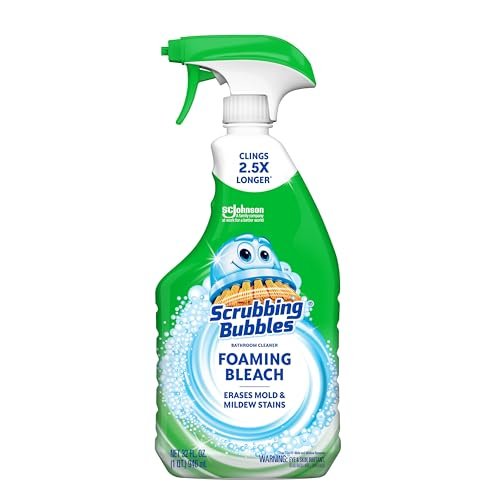
1. Scrubbing Bubbles Foaming Bleach Bathroom and Shower Cleaner Disinfectant Spray
 Foaming formula clings to sink rims and faucet bases to break down mildew stains fast.
A long-standing staple for household mold removal, Scrubbing Bubbles Foaming Bleach is a top pick for kitchen sinks with stainless steel or sealed porcelain finishes. Its thick foam clings to vertical surfaces like the backsplash, faucet base, and sink rim, where moisture and food splatter create ideal mold breeding grounds. In practice, this cleaner works best on light to moderate mildew stains; for deep-set black mold in caulk gaps, you’ll need to let it sit for 10-15 minutes and scrub with a non-abrasive pad. A common mistake is spraying it on unsealed natural stone or composite sinks, which can cause permanent discoloration—always test on a hidden spot first. The 32oz bottle lasts for 8-10 kitchen sink cleanings for average households.
Pros:
- Foaming action clings to sink edges and faucets for deep mold penetration
- Bleach formula disinfects against common foodborne bacteria like E. coli and Salmonella from raw meat splashes
- Fast-acting, removing light mildew in 3-5 minutes with no scrubbing
- Widely available at most grocery and home improvement stores
- Affordable price point for regular use
Cons:
- Strong bleach fumes require open windows or exhaust fan ventilation during use
- Not safe for unsealed natural stone, acrylic, or composite sinks, as it can cause yellowing or etching
- Can corrode chrome or brushed nickel faucet finishes if left on for longer than 15 minutes
For a fast, disinfecting clean on sealed sink surfaces, grab a bottle of Scrubbing Bubbles Foaming Bleach here.
2. ACTIVE Mold Stain Remover Gel Cleaner
 Thick gel formula clings to sink caulk and drain gaps to break down deep mold stains without scrubbing.
The ACTIVE Gel is a heavy-duty option for deep-set mold in kitchen sink caulk, drain gaps, and garbage disposal splash zones. Its thick, clingy gel formula stays in place on vertical and horizontal surfaces, so it doesn’t run off onto countertops or floors like liquid cleaners. In practice, this is one of the few cleaners that works on porous caulk without scrubbing: apply a thin layer to moldy caulk, let sit for 30 minutes, and wipe away for noticeable results. It’s also safe for use on stainless steel sinks and sealed tile countertops, making it a versatile pick for whole-sink cleaning. The 7oz tube is compact for under-sink storage, but heavy users will find they need to restock every 2-3 months with weekly use.
Pros:
- Clings to tight gaps and porous surfaces like caulk and grout for deep stain penetration
- No scrubbing required for most moderate mold stains
- Safe for stainless steel, sealed tile, and composite sink materials
- Clear gel lets you see exactly where you’ve applied it to avoid missed spots
Cons:
- Small 7oz bottle is not cost-effective for frequent, whole-home use
- Clear gel can be hard to see on dark caulk, so mark treated areas with a small sticker if needed
- May require a second application for mold that’s been present for 6+ months
For tough, embedded mold in sink crevices, the ACTIVE Gel delivers professional-grade results with minimal effort here.
3. RMR-86 Instant Mold and Mildew Stain Remover Spray
 Spray-on formula dissolves sink mildew on contact with no scrubbing required.
RMR-86 is the go-to pick for renters and busy households who need fast mold removal without elbow grease. Its clear, spray-on formula works on contact to dissolve mildew on stainless steel sinks, porcelain sinks, and even sink cabinet interiors if water leaks have caused mold growth. In practice, it removes light sink rim mildew in under 5 minutes, and deep stains in 10-15 minutes with no scrubbing required. A common mistake is spraying it directly on unsealed wood sink cabinets or natural stone countertops, which can cause discoloration—always test in an inconspicuous area first. The 30oz bottle covers 2-3 full kitchen sink cleanings, making it a cost-effective option for monthly deep cleans.
Pros:
- Scrub-free formula saves time and effort on quick cleanups
- Works on contact, removing light mildew in 5 minutes or less
- Clear liquid won’t discolor light-colored sinks, grout, or tile
- Large 30oz bottle provides good value for regular use
- Safe for stainless steel, porcelain, and sealed surfaces
Cons:
- Strong chemical odor requires good ventilation during use
- May need a second application for mold that’s been growing for 6+ months
- Not safe for unsealed porous surfaces like wood or unsealed stone
For fast, no-scrub mold removal on sealed sink surfaces, RMR-86 is a reliable, budget-friendly pick here.
4. Lysol Mold & Mildew Remover Spray with Bleach
 Bleach-powered formula removes mold while disinfecting sink surfaces against foodborne bacteria.
Lysol’s bleach-powered mold remover is a trusted option for households that want to both remove mold and disinfect food-prep areas around the sink. It kills 99.9% of bacteria and viruses, including Salmonella and E. coli, which can accumulate from raw meat rinses or dirty dish sponges. In practice, it works best on glazed ceramic or stainless steel sinks; avoid using it on acrylic or composite sinks, as bleach can cause yellowing over time. Let it sit for 3-5 minutes on moldy surfaces, then rinse thoroughly with warm water to avoid leaving bleach residue that could contaminate dishes. The 32oz bottle is easy to store under the sink, and the trigger spray allows for precise application to avoid overspray on countertops.
Pros:
- Disinfects as it removes mold, killing 99.9% of common household bacteria and viruses
- Trusted brand with decades of proven household use
- Affordable and widely available at most retailers
- Precise spray nozzle minimizes waste and overspray
- Safe for food-contact surfaces when rinsed thoroughly after use
Cons:
- Strong bleach fumes require ventilation during and after use
- Not safe for acrylic, composite, or unsealed sink materials
- Requires thorough rinsing to avoid leaving harmful bleach residue
For a two-in-one mold remover and disinfectant for your kitchen sink, Lysol’s formula is a proven, affordable choice here.
5. Apulito Household Black Stain Gel
 Thick gel clings to sink grout and drain areas to lift stubborn black mold stains.
The Apulito Gel is specifically formulated for stubborn black mold and mildew stains that form around sink drains, faucet bases, and tile grout. Its thick, sticky texture clings to vertical surfaces and porous grout, so the active ingredients penetrate deep into stains rather than running off. In practice, this gel works best on mold that’s been present for 1-3 months; for older, deeply embedded stains, apply a second layer after the first 30-minute treatment. It’s safe for use on sealed tile, stainless steel, and composite sinks, and won’t etch or discolor surfaces when used as directed. The 10oz tube is larger than most mold gels on the market, so it lasts for 4-6 monthly deep cleans for most households.
Pros:
- Targets tough black mold and mildew stains that other cleaners miss
- Stays in place on vertical and porous surfaces for deep stain penetration
- Safe for sealed tile, stainless steel, and composite sink and countertop materials
- Larger 10oz size offers better value for frequent use
- No harsh fumes, making it suitable for use in enclosed kitchens with ventilation
Cons:
- May require multiple applications for mold that’s been present for 6+ months
- Gel can drip if applied too thickly, so use a small brush or cloth to spread it evenly
- Not as effective on non-porous stainless steel as it is on porous grout and caulk
For persistent black mold around your sink drain and grout, Apulito’s heavy-duty gel delivers powerful stain-lifting results here.
6. Gelivable Mold Remover Gel
 Mild, versatile gel formula safe for delicate sink finishes and small spot treatments.
The Gelivable Mold Remover Gel is a versatile, budget-friendly pick for small kitchens or spot treatments. Its mild formula is safe for all common sink materials, including acrylic, composite, and natural stone (when sealed), making it a good option for households with delicate sink finishes. In practice, it works best on light mildew on sink rims and cabinet interiors; for deep stains, let it sit for 45 minutes before scrubbing with a soft brush. The 5oz tube is compact for under-sink storage, and the precision nozzle makes it easy to apply directly to small, hard-to-reach spots like the gap between the sink and backsplash. It’s also safe for use on refrigerator door gaskets and washing machine seals, so you can use it for whole-kitchen mold prevention.
Pros:
- Safe for delicate sink materials like acrylic, composite, and sealed natural stone
- Precision nozzle allows for targeted application to small crevices
- Mild, low-fume formula suitable for households with kids and pets
- Versatile for use on appliances, grout, and cabinet interiors
- Affordable price point for budget-conscious buyers
Cons:
- Small 5oz bottle requires frequent repurchasing for regular use
- Mild formula is not effective on deep-set black mold or old stains
- May require extended sit time for moderate mildew stains
For gentle, effective mold removal on delicate sink surfaces, Gelivable’s formula is a safe, affordable option here.
7. Fantastik All-Purpose Cleaner with Bleach
 Bleach-powered formula removes mold, grease, and food stains from sinks and countertops in one step.
Fantastik’s bleach-powered all-purpose cleaner is a kitchen workhorse that tackles mold, grease, and food stains in one step. It’s safe for use on stainless steel sinks, tile backsplashes, and countertops, making it a great all-in-one option for quick daily cleanups after cooking. In practice, spray it on sink rims and faucet bases after each use to prevent mold from forming in the first place; it breaks down grease from cooking splatters that would otherwise feed mold growth. The 32oz bottle has an adjustable spray nozzle, so you can switch between a wide mist for large surfaces and a focused stream for tight gaps. A common mistake is using it on unsealed marble or soapstone countertops, which can be etched by bleach—always check your countertop’s care instructions first.
Pros:
- Multi-surface use for sinks, countertops, and backsplashes
- Removes grease and food residue that feed mold growth, preventing buildup before it starts
- Affordable and widely available at most grocery stores
- Adjustable spray nozzle for versatile application
- Pleasant, mild scent compared to other bleach cleaners
Cons:
- Bleach content can damage unsealed stone, wood, or composite surfaces
- Strong chemical odor requires ventilation during use
- Not safe for food-contact surfaces without thorough rinsing after use
For an all-in-one cleaner that tackles mold, grease, and food grime around your kitchen sink, Fantastik is a reliable, budget-friendly staple here.
8. HOPE’s Perfect Sink Cleaner and Polish
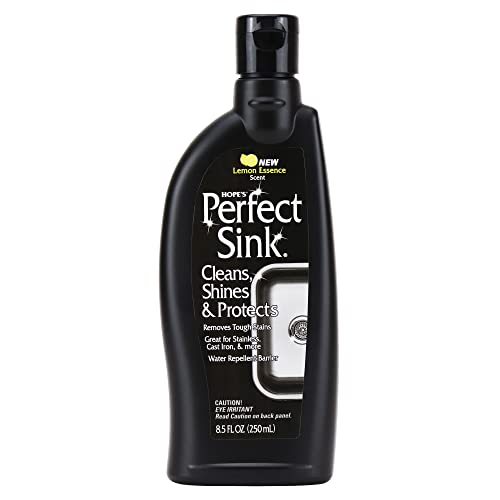 Non-abrasive formula removes mold stains while restoring shine to composite and acrylic sinks.
Unlike harsh bleach cleaners, HOPE’s Perfect Sink Cleaner is a non-abrasive, restorative formula designed to remove mold stains without damaging sink finishes. It’s specifically formulated for cast iron, Corian, composite, and acrylic sinks, which can be damaged by bleach or abrasive scrubbers. In practice, apply it to moldy sink surfaces with a soft cloth, let sit for 2-3 minutes, then buff away stains and restore the sink’s original shine. It also leaves a protective barrier that helps repel water and reduce future mold growth. The 8.5oz bottle is small but concentrated, so a little goes a long way for weekly maintenance. It’s a top pick for households with high-end sink materials that require gentle care.
Pros:
- Non-abrasive, non-bleach formula safe for delicate sink finishes
- Restores shine and luster to dull, stained sinks while removing mold
- Leaves a protective water-repellent barrier to reduce future mold growth
- No harsh fumes, making it suitable for enclosed kitchens without strong ventilation
- Concentrated formula means a small amount covers the entire sink
Cons:
- Small 8.5oz bottle runs out quickly for frequent use
- Not effective on deep-set black mold in caulk or porous grout
- Requires more elbow grease than bleach-based cleaners for tough stains
For gentle, finish-safe mold removal on high-end sink materials, HOPE’s restorative cleaner is the ideal choice here.
9. Lysol Pro Kitchen Spray Cleaner and Degreaser
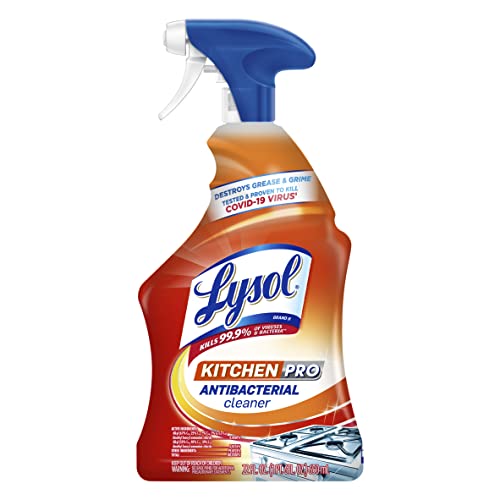 Degreasing formula removes food splatters that feed mold, preventing buildup around the sink.
Lysol Pro Kitchen Spray is a daily maintenance cleaner that prevents mold from forming around your sink in the first place. Its powerful degreasing formula breaks down food splatters, grease, and soap scum that feed mold growth, while its antibacterial action kills germs that accumulate from dishwashing and food prep. In practice, spray it on sink surfaces after each use, wipe with a clean cloth, and you’ll rarely see mold form even in high-humidity kitchens. It’s safe for stainless steel, porcelain, and sealed countertops, and the citrus scent leaves your kitchen smelling fresh without the harsh chemical odor of bleach cleaners. The 22oz bottle is compact for under-sink storage, and the trigger spray is easy to use even with wet hands.
Pros:
- Prevents mold by removing food and grease residue that feeds mold growth
- Antibacterial formula kills 99.9% of common kitchen germs
- Pleasant citrus scent without harsh chemical fumes
- Safe for most kitchen sink and countertop materials
- Compact, ergonomic bottle easy to store and use
Cons:
- Not strong enough to remove existing deep-set mold stains
- Requires consistent daily use to be effective for prevention
- Spray nozzle can clog if not rinsed after each use
For daily sink maintenance that stops mold before it starts, Lysol Pro Kitchen Spray is a convenient, effective choice here.
10. RMR Brands DIY Mold Remover Bundle
 Complete kit includes mold remover and prevention spray for recurring sink mold issues.
The RMR DIY Bundle is a complete mold removal and prevention kit for households dealing with recurring mold issues around their kitchen sink. It includes two 32oz bottles of RMR-86 mold remover, plus a mold prevention spray that you can apply weekly to stop mold from coming back. In practice, this is a cost-effective option for renters or homeowners with chronic mold problems caused by leaky pipes or poor ventilation. Use the RMR-86 remover to eliminate existing mold, then spray the prevention solution on clean, dry sink surfaces once a week to inhibit future growth. The bundle is also safe for use on sink cabinets, walls, and floors if you’ve had water damage that caused mold spread.
Pros:
- Includes both mold remover and prevention spray for complete long-term care
- Two 32oz bottles provide enough product for 6+ months of regular use
- Effective at killing mold spores to prevent regrowth
- Easy to use with no special equipment or professional help needed
- Cost-effective compared to buying remover and prevention separately
Cons:
- Strong chemical odor requires ventilation during use
- Not safe for all sink materials, so test on a hidden spot first
- Prevention spray requires consistent weekly use to be effective
For households dealing with chronic kitchen sink mold, the RMR DIY Bundle offers a complete, long-term solution here.
Natural & DIY Kitchen Sink Mold Cleaner Options
For households with kids, pets, or respiratory sensitivities, non-toxic mold cleaners are a safe alternative to harsh chemical formulas. These options work best for light, surface-level mildew on sink rims and faucets, though they may require more repeat applications for deep stains:
- Undiluted white vinegar: Spray directly on moldy areas, let sit for 1 hour, then scrub with a soft brush and rinse. Vinegar’s mild acidity breaks down mold spores and deodorizes, and it’s safe for all sink materials.
- Baking soda paste: Mix 1 part baking soda with 2 parts water to form a thick paste, apply to moldy grout or caulk, let sit for 15 minutes, then scrub and rinse. It’s a mild abrasive that lifts stains without scratching surfaces, and it neutralizes odors.
- 3% hydrogen peroxide: Spray directly on mold, let sit for 10 minutes, then scrub and rinse. It’s more effective than vinegar on deeper stains and has no harsh fumes, but avoid using it on unsealed natural stone, as it can cause discoloration.
Important safety note: Never mix vinegar, hydrogen peroxide, or ammonia with bleach-based cleaners, as this creates toxic fumes that can cause serious respiratory harm.
Step-by-Step Guide to Safely Remove Kitchen Sink Mold Fast
Follow this simple process to eliminate mold quickly and avoid damage to your sink or exposure to harmful spores:
- Clear and prep the area: Remove all dishes, sponges, and cleaning supplies from the sink, and plug the drain to avoid getting cleaner in the garbage disposal or pipes. For tough grime around the drain flange, pre-scrub with a heavy-duty kitchen scrub brush and warm soapy water to loosen food residue before applying your mold cleaner.
- Apply your chosen cleaner: For sprays, coat the entire moldy area evenly. For gels, apply a thin, even layer to moldy spots, avoiding drips onto countertops or cabinets. A precision cleaning brush set works well to agitate mold in narrow crevices after the cleaner has sat for the recommended time.
- Let it sit: Follow the product’s recommended dwell time (usually 5-15 minutes for sprays, 30 minutes for gels) to let active ingredients break down mold spores and stains. Do not let the cleaner dry out on the surface, as this can cause staining.
- Scrub and rinse: Use a non-abrasive scrub pad or soft brush to agitate any remaining mold, then rinse the entire sink thoroughly with warm water. For extra shine, dry with a microfiber cloth to prevent water spots.
- Safety first: Wear rubber gloves and eye protection when using chemical cleaners, open a window or run the kitchen exhaust fan to ventilate the area, and keep kids and pets out of the kitchen during cleaning. Store all mold cleaners and cleaning tools in cabinets secured with childproof drawer locks to keep little ones out of reach. If you have mold covering an area larger than 3 square feet, the CDC recommends hiring a professional mold remediation service to avoid exposure to harmful spores.
How to Prevent Kitchen Sink Mold From Coming Back
Fast removal is only half the battle—consistent maintenance is the key to keeping your sink mold-free long-term:
- Wipe the sink and faucet dry with a clean cloth after every use, especially after washing dishes or rinsing produce.
- Fix leaky faucets or pipes immediately; even small, constant drips create the moisture mold needs to grow.
- Avoid leaving wet sponges, dishcloths, or food scraps in the sink overnight, as these provide organic material for mold to feed on.
- Run the garbage disposal with cold water and a handful of ice cubes or lemon peels weekly to clear out food residue and eliminate odor-causing bacteria that feed mold.
- Seal cracked or peeling caulk around the sink and backsplash every 1-2 years to eliminate gaps where moisture can accumulate.
- Pair your weekly mold cleaning routine with a versatile sink and counter brush set to tackle grime around the sink and countertops before mold can form.
- Place a splash guard or non-slip mat around the sink base to catch excess water and prevent it from seeping into under-sink cabinets.
- Run the kitchen exhaust fan for 10-15 minutes after cooking or washing dishes to reduce indoor humidity below 60%, the threshold the EPA identifies as critical for inhibiting mold growth EPA Mold Prevention & Control.
- Store cleaning supplies and sponges in cabinets secured with adjustable cabinet safety latches to keep them out of reach of kids and pets, and avoid storing wet items under the sink where mold can spread.
Frequently Asked Questions
What is the best kitchen sink mold cleaner for stainless steel sinks?
For stainless steel, bleach-based sprays like Scrubbing Bubbles or Lysol Mold & Mildew Remover work well, as they disinfect without damaging the finish. Avoid abrasive gels or natural cleaners with citrus acids, which can etch stainless steel over time. Always rinse thoroughly after use to prevent water spots and mineral buildup.
How do I remove black mold from my kitchen sink caulk?
For deep black mold in caulk, use a thick gel cleaner like ACTIVE Mold Stain Remover or Apulito Black Stain Gel. Apply a thin layer to the moldy caulk, let sit for 30-45 minutes, then scrub with a soft brush and rinse. If the mold is embedded deep in porous, cracked caulk, you’ll need to remove and replace the caulk entirely for a permanent fix.
Are natural mold cleaners effective for kitchen sinks?
Natural options like white vinegar and hydrogen peroxide work well for light, surface-level mildew on sink rims and faucets. For deep-set black mold or mold in porous surfaces like caulk, chemical cleaners with bleach or sodium hypochlorite are more effective at killing mold spores and preventing regrowth.
Can mold in my kitchen sink make me sick?
Yes, common sink mildew can trigger allergic reactions, asthma attacks, and respiratory irritation, especially for children, elderly people, and those with pre-existing respiratory conditions. In rare cases, long-term exposure to large amounts of black mold can cause more serious health issues, so it’s important to remove mold as soon as you see it.
How often should I clean my kitchen sink to prevent mold?
Wipe down your sink daily after use, and do a deep mold-focused cleaning once a week. If you live in a humid climate or have a history of mold issues, increase deep cleanings to twice a week, and use a mold prevention spray monthly to stop regrowth.
Is it safe to use bleach mold cleaner in my kitchen?
Yes, as long as you use it in a well-ventilated area, wear gloves, and rinse the sink thoroughly after use to remove any bleach residue that could contaminate dishes or food. Never mix bleach-based cleaners with vinegar, ammonia, or hydrogen peroxide, as this creates toxic fumes.
Conclusion
The right kitchen sink mold cleaner depends on your sink material, the severity of your mold problem, and your household’s safety needs. Bleach-based sprays like Scrubbing Bubbles and Lysol are ideal for fast, disinfecting cleanups on sealed stainless steel or porcelain sinks, while thick gels like ACTIVE and Apulito are built for deep, embedded mold in caulk and drain gaps. For households with kids, pets, or delicate sink finishes, natural options or gentle formulas like Gelivable and HOPE’s provide safe, effective results without harsh fumes. No matter which product you choose, consistent maintenance is the most important step in keeping mold at bay: wipe your sink dry after each use, fix leaks promptly, and deep clean weekly to avoid unsightly stains and health risks. If you’re dealing with widespread mold larger than 3 square feet, don’t hesitate to hire a professional remediation service to ensure the issue is fully resolved. For more kitchen cleaning tips, product reviews, and home maintenance guides, check out our full library of resources to keep your home clean, safe, and mold-free.

I’m Abby Lu, a passionate home cook who loves simplifying everyday meals. At PlugChef.com, I share product reviews and cooking guides to help you find the best tools for your kitchen.
Related posts:
 Best Mug to Keep Coffee Warm: Top Picks for Cozy Sips
 Best Grinder Coffee Maker Combo: Elevate Your Morning Brew Experience
 High End Outdoor Kitchen Appliances: Elevate Your BBQ Island Experience
 Best Pizzelle Maker for Thin Cookies: Top Picks for Perfect Treats
 Best Rated Juicers by Consumer Reports: Discover Top Cold Press Machines
 Best Way to Clean a Microwave Oven: Top Steam Cleaner Solutions