
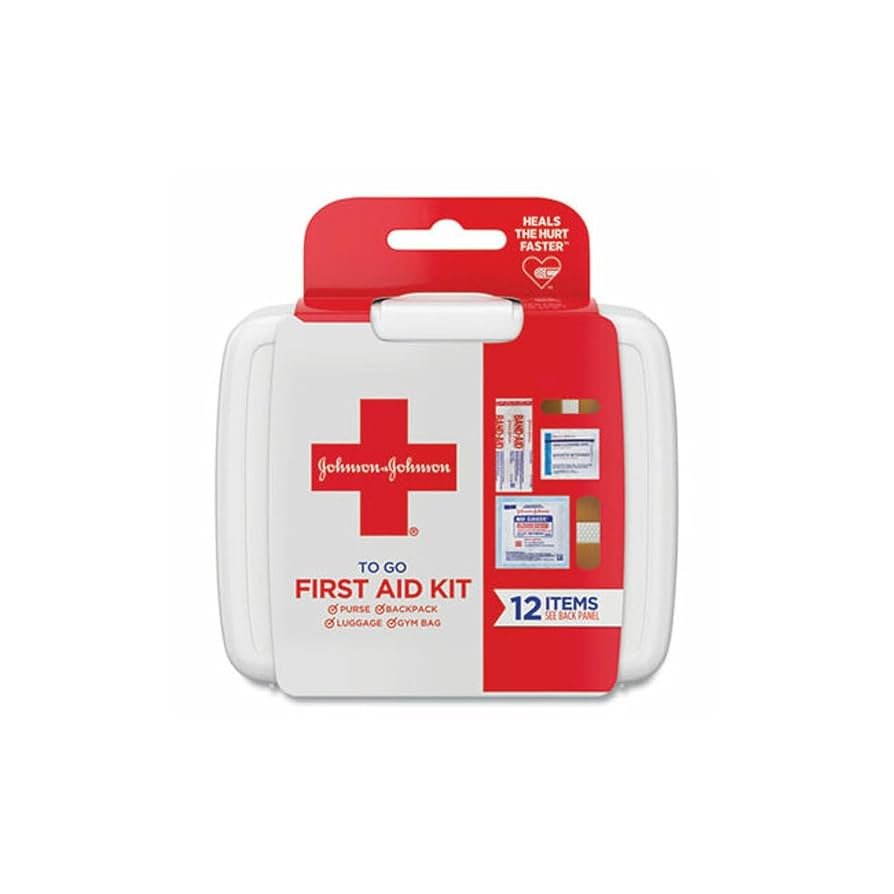
Last month, I was at a weekend farmers market when a toddler running past me tripped on a loose cobblestone and scraped their knee raw. The parent fumbled through their purse for a tissue, but I had a mini first aid kit in my crossbody bag, and was able to clean the wound, apply an adhesive bandage, and hand them an antiseptic wipe before they even finished apologizing. Small, unplanned moments like this are exactly why a mini first aid kit for your purse is not just a nice-to-have — it’s a low-effort, high-impact way to prioritize safety for yourself, your family, and even the people around you when you’re away from home.
Unlike a full-sized home first aid kit, a purse-specific version is designed to be compact, lightweight, and tailored to the minor emergencies you’re most likely to encounter while running errands, commuting, traveling, or spending time outdoors. With the right supplies and a bit of regular upkeep, you’ll never be caught off guard by a sudden cut, sting, headache, or allergic reaction again.
 Pre-assembled compact kit with all core essentials for daily purse carry
Credit: www.amazon.com
Pre-assembled compact kit with all core essentials for daily purse carry
Credit: www.amazon.com
Why a Mini First Aid Kit for Your Purse Is Non-Negotiable
The average person spends 2 to 3 hours per day away from home, whether commuting, running errands, or socializing. In that time, minor injuries are far more common than most people realize: small cuts from opening packages, scrapes from playground falls, insect stings from walks in the park, or sudden headaches from screen fatigue can all disrupt your day and turn into bigger issues if not addressed quickly. A mini first aid kit eliminates the need to hunt for a pharmacy when you’re in a hurry, saving you time, stress, and in some cases, money on over-the-counter treatments you already have at home.
Beyond convenience, these kits also reduce your risk of infection from untreated minor wounds. The American Red Cross notes that prompt cleaning and covering of cuts and scrapes as soon as possible after injury significantly reduces the risk of infection and speeds healing. In my experience, the biggest benefit of carrying a mini first aid kit is the peace of mind that comes with knowing you’re prepared for the small, unexpected moments that can otherwise ruin your day.
Key Benefits of On-the-Go Safety
- Instant access to wound care supplies to stop bleeding and prevent infection before you can get to a pharmacy
- Compact, lightweight designs that fit in even the smallest purse pockets or clutch compartments without adding bulk
- Reduced stress during travel, outdoor activities, and busy workdays, as you don’t have to adjust your plans to pick up basic supplies
- The ability to help friends, family, or even strangers with minor injuries when you’re out in public
Core Essentials to Pack (And What to Skip)
A common mistake I see people make when building a purse first aid kit is overpacking with non-essentials that take up space and weight you don’t need. The best kits are lean, multi-use, and tailored to your specific needs, with no extra fluff. Below are the non-negotiable items to include, plus a short list of things to leave at home.
Basic Wound Care Supplies
These items address the most common minor injuries you’ll encounter away from home:
- Adhesive bandages in 3 to 4 sizes, to cover everything from small paper cuts to larger scrapes
- Alcohol-free antiseptic wipes, to clean wounds without stinging sensitive skin (alcohol-free options are also safe for children)
- 2 to 3 small gauze pads and a strip of medical tape, for larger wounds that can’t be covered by a standard bandage
- Nitrile gloves (1 to 2 pairs), to protect yourself and the injured person from exposure to blood or other contaminants when treating wounds
- Blister pads or moleskin, for unexpected foot blisters from new shoes or long walks
- Tweezers with a pointed tip, to remove splinters, ticks, or debris from small cuts
Pain Relief and Over-the-Counter Medications
Pack travel-size doses of medications you use regularly, stored in a sealed pouch to avoid spills:
- Ibuprofen or acetaminophen, for headaches, muscle aches, and minor pain from injuries
- Antacid tablets, for sudden stomach upset from rich meals or motion sickness
- An instant cold pack, for swelling from sprains, insect stings, or minor bumps (these activate when squeezed, no refrigeration needed)
- Antihistamine tablets, for mild allergic reactions to food, pollen, or insect stings
Personal Health and Allergy Supplies
If you have specific health needs, prioritize these items first:
- Your prescribed epinephrine auto-injector (EpiPen or equivalent), if you have a diagnosed severe allergy — anaphylaxis can occur within minutes of exposure, and delayed access to medication can be life-threatening
- A small supply of your daily prescription medications, in a labeled pouch with dosage instructions
- Hydrocortisone 1% cream, for itchy insect bites, mild rashes, or skin irritation
- A small card with your emergency contacts, blood type, and any critical allergy or medical information, in case you’re unable to communicate during an emergency
- Hand sanitizer packets, for cleaning your hands before treating wounds when soap and water are not available
Items to Skip to Avoid Bulk
Leave these items at home to keep your kit lightweight and easy to carry:
- Full-size bottles of medication, hand sanitizer, or antiseptic (they add unnecessary weight and are more likely to leak in your purse)
- Bulky, reusable ice packs (opt for single-use instant cold packs instead)
- Sharp scissors longer than 3 inches (they pose a safety risk and are rarely needed for minor purse-side injuries)
- Multiple types of ointments or creams that expire quickly (stick to multi-use options like hydrocortisone cream)
Choosing the Right Case for Your Purse
The case you choose for your mini first aid kit will determine how often you actually carry it, and how quickly you can access supplies during an emergency. A bulky, unorganized kit that stays at the bottom of your purse is useless, so prioritize fit, accessibility, and durability when making your selection.
Hardcase vs. Soft Pouch Options
Hardcase kits are the most popular choice for purse carry, as they protect supplies from being crushed by other items in your bag, and most come with built-in dividers or elastic loops to keep items organized. Look for a case that measures no larger than 4×6 inches and weighs less than 200 grams, so it fits in small purse side pockets or inner compartments without adding noticeable bulk. Water-resistant hardcases are ideal for rainy climates or travel, as they protect supplies from moisture damage.
Soft pouches are a great option if you have very limited purse space, as they flex to fit into tight compartments and are often lighter than hardcases. Look for pouches with a zipper closure to prevent supplies from spilling out if your bag is jostled, and reinforced stitching to avoid tearing from constant movement. A common mistake is choosing a soft pouch without internal organization, which means you’ll have to dig through your entire purse to find a bandage when you need it — opt for a pouch with mesh pockets or elastic loops to keep items separated.
DIY Kit Options for Full Customization
If you can’t find a pre-assembled kit that fits your needs, building your own is easy and affordable. A small, watertight portable storage container makes a durable, easy-to-clean case that fits in even the smallest purse compartments, and you can customize the supplies inside to match your lifestyle. For even more organization, use a small divided storage insert to separate bandages, medications, and wound care supplies so you never have to rummage for what you need in an emergency.
 Durable hardcase option with labeled compartments for quick access during emergencies
Credit: www.amazon.ca
Durable hardcase option with labeled compartments for quick access during emergencies
Credit: www.amazon.ca
Common Packing Mistakes to Avoid
Even experienced first aid kit users make avoidable errors that leave their kits useless when they need them most. Avoid these common pitfalls to keep your kit reliable:
- Overpacking with non-essentials: A kit that’s too heavy or bulky will end up staying at home, defeating the purpose of carrying it. Stick to the core essentials listed above, and only add specialty items you use regularly.
- Forgetting to check expiration dates: Medications and antiseptic wipes lose their effectiveness over time, and expired supplies can even cause harm. Set a calendar reminder every 3 months to audit your kit.
- Not customizing for your needs: A kit for a parent of a toddler will look very different from a kit for a long-distance hiker, so prioritize items that match your daily routine.
- Storing medications in direct heat: Never leave your first aid kit in a hot car or in direct sunlight for long periods, as heat can degrade medication active ingredients quickly.
Customize Your Kit for Your Lifestyle
No two people have the same daily routine, so your mini first aid kit should be tailored to the specific risks you’re most likely to face. Below are common lifestyle adjustments to make your kit as useful as possible:
For Parents and Caregivers
If you spend time with young children, add these child-specific supplies to your kit:
- Fun, character-themed adhesive bandages to make wound care less scary for kids
- Children’s pain reliever (infant or children’s formula, dosed for your child’s age and weight)
- Small, blunt-tip scissors for cutting clothing or bandages safely
- A copy of your child’s immunization records and emergency contact information
- If you also pack snacks for little ones, a reusable divided snack container fits easily in most diaper bags or large purses to keep food separate from medical supplies, avoiding cross-contamination
For Outdoor Enthusiasts
If you spend time hiking, camping, or participating in outdoor sports, prioritize supplies for nature-specific risks:
- Waterproof adhesive bandages and blister pads, to stay secure even if you get caught in rain or sweat
- Insect bite relief wipes or hydrocortisone cream, for mosquito, tick, or ant bites
- A small emergency whistle and a mylar emergency blanket, for unexpected overnight situations
- Sunburn relief gel, for long days in the sun
For Daily Commuters
If you spend hours on public transit or in the office, keep your kit slim and focused on workday risks:
- Extra adhesive bandages for paper cuts or small office injuries
- Pain relievers for tension headaches or eye strain from long screen days
- Breath mints or gum, for unexpected meetings or social events
- A small packet of stain remover wipes, for spills on clothing during your commute
For Pet Owners
If you bring your dog on walks or outings, add a few pet-specific supplies:
- A small tick remover tool, for removing ticks from your pet after walks in grassy areas
- A small packet of pet-safe antiseptic wipes, for cleaning small cuts or scrapes on your pet’s paws
- A small waste bag dispenser, for unexpected pet messes
Maintaining Your Kit Year-Round
A well-stocked first aid kit is only useful if the supplies inside are in good condition and not expired. Follow these simple steps to keep your kit reliable:
Regular Expiry Date Audits
The FDA recommends checking all over-the-counter medications and wound care supplies for expiration dates every 3 to 6 months, as degraded active ingredients can be ineffective or even cause harm if used. When you check your kit, sort items into three piles: items with more than 6 months left before expiration, items that expire within 6 months (use these first, and replace them soon), and expired items to throw away. You can find official FDA storage and safety guidance for over-the-counter medications here.
Restocking After Use
Every time you use an item from your kit, replace it immediately, even if it’s just a single bandage. Keep a small backup stash of essentials at home, stored in a sealed large storage container to keep supplies dry and pest-free, so you can restock your purse kit in minutes. For bulk first aid supplies like adhesive bandages and antiseptic wipes, store extras in a large airtight bulk storage container to keep them dry and out of reach of children.
Storage Best Practices
Never leave your first aid kit in a hot car or in direct sunlight for long periods, as heat can degrade medication and antiseptic ingredients quickly. Store your kit in a cool, dry place in your purse, and avoid placing it next to heavy items that could crush delicate supplies like blister pads or ointment tubes.
For more everyday safety and preparedness resources, check out our main blog hub for guides on building a full home emergency supply and organizing daily essentials.
 Flexible soft pouch design that fits easily into small purse pockets and clutches
Credit: www.amazon.ca
Flexible soft pouch design that fits easily into small purse pockets and clutches
Credit: www.amazon.ca
Frequently Asked Questions
What should a mini first aid kit for purse include?
A well-stocked mini first aid kit for your purse should prioritize compact, multi-use items that address the most common minor emergencies you’re most likely to encounter away from home. Core essentials include: adhesive bandages in multiple sizes, alcohol-free antiseptic wipes, gauze pads, medical tape, tweezers, nitrile gloves, travel-size pain relievers, antacid tablets, an instant cold pack, hydrocortisone cream, and a small card with your emergency contacts and critical medical information. If you have a prescribed epinephrine auto-injector or other medication, always include a supply in your kit, and check expiration dates regularly.
How compact is a purse first aid kit?
Most high-quality mini first aid kits for purse measure between 3×4 inches and 4×6 inches, and weigh less than 200 grams — small enough to fit in a purse side pocket, inner compartment, or even a small clutch. Soft pouch designs are even more compact, as they flex to fit into tight spaces without adding bulk.
Why carry a mini first aid kit in your purse?
Carrying a mini first aid kit in your purse ensures you have immediate access to medical supplies for minor injuries, eliminating the need to hunt for a pharmacy when you’re in a hurry. This saves you time, reduces stress, and reduces the risk of infection from untreated cuts, scrapes, and stings. It also lets you help friends, family, or even strangers with minor injuries when you’re out in public.
Can a purse first aid kit handle emergencies?
A purse first aid kit is designed to treat minor, non-life-threatening emergencies like small cuts, scrapes, insect stings, headaches, and mild allergic reactions. It is not equipped to handle major injuries like severe bleeding, broken bones, or cardiac events, but it can provide temporary care to stabilize a situation until professional medical help arrives. All adults should also have basic first aid training to use their kit safely and effectively. For evidence-based, step-by-step guidance on treating minor injuries away from home, refer to the CDC’s official first aid guidelines, which are updated annually to align with current medical best practices.
How often should I restock my mini first aid kit?
You should audit and restock your mini first aid kit every 3 to 6 months, or immediately after you use any supplies from it. Check all medications and wound care products for expiration dates, replace any damaged or used items, and update your emergency contact information as needed.
Conclusion
A mini first aid kit for your purse is one of the simplest, most low-cost ways to prioritize safety for yourself and the people around you when you’re away from home. It takes up less space than a standard lipstick, weighs almost nothing, and can help you handle everything from a child’s playground scrape to a sudden allergic reaction in minutes, no pharmacy trip required.
Take 10 minutes this week to audit your current purse first aid kit (or build one from scratch) using the checklist above. Customize it to your lifestyle, restock it regularly, and you’ll never have to stress about a small, unexpected injury ruining your day again.

I’m Abby Lu, a passionate home cook who loves simplifying everyday meals. At PlugChef.com, I share product reviews and cooking guides to help you find the best tools for your kitchen.
Related posts:
 Recipes That Use Bone Broth: Delicious, Nutritious Meal Ideas
 How to Order Lamb Chops: Expert Tips for Perfect Dining Choices
 Recipe With Eggs And Bananas: Easy, Delicious Breakfast Ideas
 Stew Made With Tamarind Broth: Rich, Tangy, and Irresistible Flavor
 Honey Baked Ham in Crockpot: Easy, Juicy, and Flavorful Recipe
 Wines Similar to White Zinfandel: Delightful Alternatives to Try

