Marine First Aid Kit Contents List: Essential Items You Need
When you’re out on the water, accidents happen faster than they do on land: a slip on a wet deck, a fishhook puncture, a sudden cold water immersion, or severe seasickness can escalate from a minor inconvenience to a life-threatening emergency in minutes. Unlike land-based first aid kits, marine-specific kits are built to withstand constant salt air exposure, address water-unique injuries, and include supplies that work when you’re hours or days from professional medical care. Per 2026 guidance from the U.S. Coast Guard and the American Red Cross, every recreational and commercial vessel must carry a dedicated marine first aid kit with supplies tailored to these risks.
This guide breaks down every essential item you need, how to customize your kit for your vessel and trip type, and best practices for storage and maintenance to keep your supplies effective when you need them most. For more general boating safety prep, check out our full boating safety library.
Why a Dedicated Marine First Aid Kit Is Non-Negotiable
Regular first aid kits fall short on the water for three key reasons. First, standard bandages, medications, and tools rust quickly when exposed to salt air and moisture, rendering them useless when you need them most. Second, land-based kits lack supplies for marine-specific injuries: saltwater wounds heal far slower than typical cuts due to constant irritation and bacterial exposure, and common boating injuries like fishhook punctures, propeller lacerations, and hypothermia from cold water immersion require specialized treatment. Third, marine kits include emergency signaling and seasickness supplies that are not included in standard kits.
The U.S. Coast Guard requires all recreational vessels to carry a first aid kit that meets minimum content requirements, but most safety experts recommend going beyond the minimum to account for remote trip locations and unique passenger needs. USCG boating safety guidelines outline these baseline requirements for all vessel types.
Core Marine First Aid Kit Contents
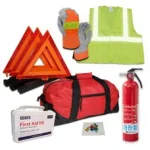
Below is the full, up-to-date contents list for a fully stocked marine first aid kit, broken down by category for easy organization and access.
Basic Wound Care Supplies
These items form the foundation of your kit, designed to stop bleeding, protect wounds from infection, and promote healing even when exposed to saltwater and moisture:
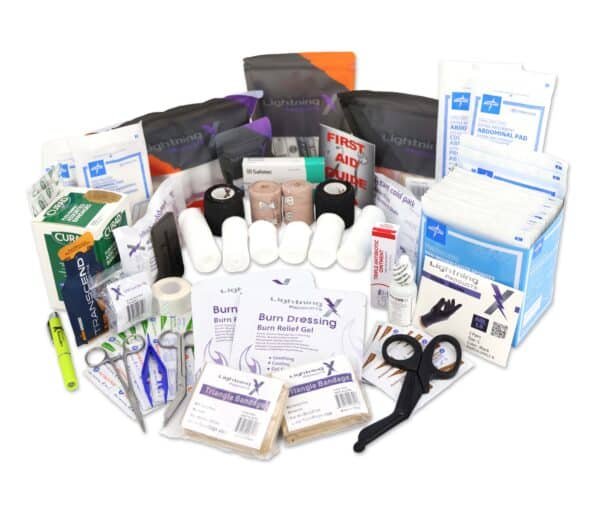
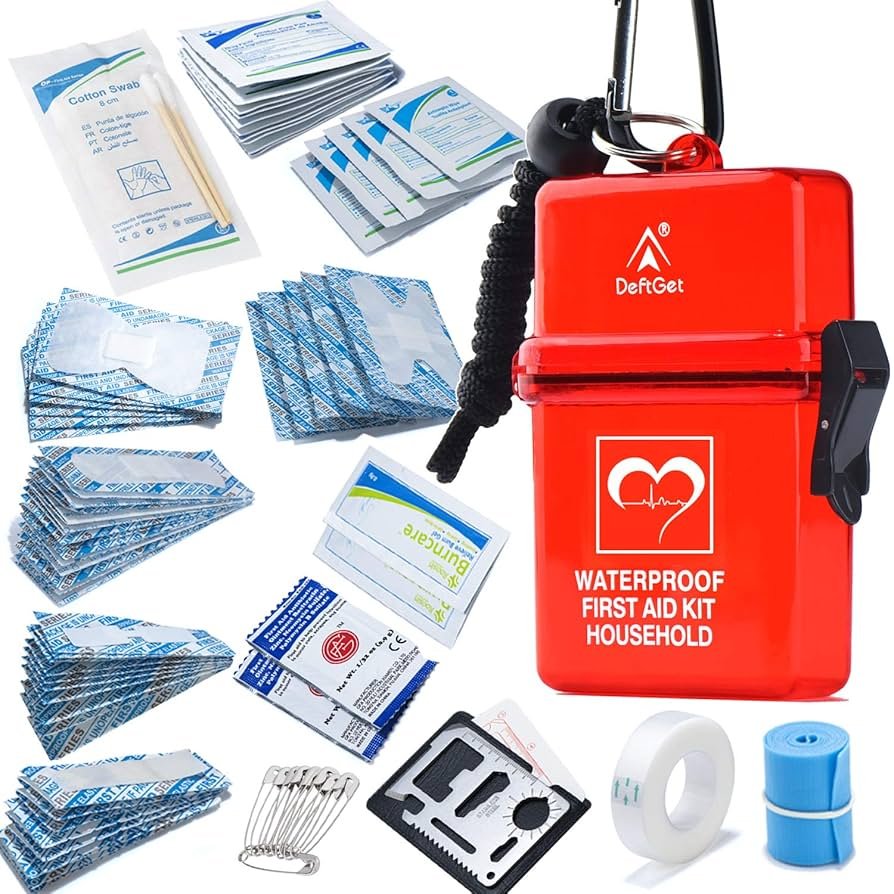
- Waterproof adhesive bandages in multiple sizes (small for minor cuts, large for blisters or abrasions)
- Sterile gauze pads (4×4 inch for minor wounds, 5×9 inch for larger lacerations)
- Sterile non-stick wound dressings for burns or scrapes that won’t stick to healing skin
- Waterproof medical tape (hypoallergenic, latex-free options for passengers with sensitivities)
- Steri-strips for closing small lacerations without stitches
- Liquid bandage for small cuts that need extra protection from water exposure
- Elastic bandages (ACE wrap style) for sprains, strains, or applying pressure to stop bleeding
- Triangle bandages for creating slings or pressure dressings
All wound care supplies should be individually wrapped and sterile to prevent infection, even if the outer packaging gets wet.
Antiseptics and Topical Treatments
Preventing infection is critical on the water, where saltwater and damp conditions increase bacterial growth. Include these treatments, all packaged in waterproof, leak-proof containers:
- Individually wrapped alcohol wipes for cleaning around wounds (avoid using directly on open wounds, as alcohol stings and can damage tissue)
- Povidone-iodine antiseptic solution (gentler than alcohol for cleaning open wounds, effective against marine bacteria)
- Water-resistant antibiotic ointment (prevents infection and keeps wounds moist for faster healing)
- Hydrocortisone 1% cream for treating rashes from sunburn, marine life stings, or contact with poison ivy near shore
- Burn gel with aloe vera for treating sunburn, engine burns, or contact with hot surfaces
- Sterile saline solution (4oz minimum) for flushing dirt, salt, and debris from wounds
- Antiseptic eye wash for flushing salt, debris, or chemical splashes from eyes
- Sting relief pads for jellyfish, sea urchin, or other marine life stings
Over-the-Counter Medications
Medications address common ailments that can derail a trip or worsen an emergency if left untreated. Stock the following, and check expiration dates every 6 months:
- Pain relievers: Ibuprofen (anti-inflammatory for sprains, sunburn pain, and headaches), acetaminophen (for fever and pain without blood-thinning effects, ideal if someone has a bleeding injury), and low-dose aspirin (for cardiac events, a leading cause of death on the water per American Red Cross first aid guidance)
- Motion sickness medications: Non-drowsy dimenhydrinate (Dramamine) for daytime use, meclizine for longer trips where drowsiness is less of a concern, ginger chews or capsules as a natural alternative, and acupressure wristbands as a drug-free backup
- Allergy medications: Diphenhydramine (Benadryl) for mild allergic reactions, and an epinephrine auto-injector (EpiPen) if any passenger has a history of severe allergies—store this in a cool, dry place away from direct sun
- Anti-diarrheal medication: Loperamide (Imodium) for gastrointestinal illness, which is common on longer trips due to changes in diet and water exposure
Marine-Specific Emergency Supplies
These items address risks unique to boating and water activities, and are not included in standard first aid kits:
- Seasickness remedies (listed above, plus extra doses for longer trips)
- Waterproof bandages and dressings that adhere even when wet
- Antifungal cream for athlete’s foot, jock itch, or other fungal infections caused by constant dampness
- Waterproof whistle (attach directly to the outside of your first aid case for quick access)
- Signal mirror with a built-in sighting hole for daytime rescue signaling
- LED distress light (longer battery life than flares, no fire risk, ideal for night emergencies)
- Personal locator beacon (PLB) registered to your vessel for satellite-based emergency signaling
- Compact emergency blanket (for hypothermia prevention, the leading cause of death from cold water immersion)
- Waterproof marine flares (check expiration dates annually, store in a separate waterproof pouch to avoid accidental ignition)
Essential Tools and Rescue Equipment
The right tools let you administer care quickly and safely, even in rough conditions. All tools should be rust-resistant stainless steel to withstand salt air:
- 6-inch blunt-tip scissors (for cutting bandages, tape, or clothing off an injured person without puncturing underlying skin)
- Pointed-tip tweezers (for removing splinters, fishhooks, sea urchin spines, or debris from wounds)
- Waterproof digital thermometer (for checking for fever or hypothermia)
- Multiple pairs of powder-free nitrile gloves (medium and large sizes, to protect both you and the injured person from infection)
- Compact CPR mask with a one-way valve (for safe rescue breaths without direct contact, critical for drowning emergencies)
- Penlight (for checking pupil response in low-light conditions)
- Safety pins (for securing bandages, splints, or immobilizing injured limbs)
- Small waterproof notepad and pencil (for noting injury details, medication doses, or communicating with rescue teams)
If you carry kitchen tools on board for meal prep, keeping them properly maintained with proper edge maintenance ensures they stay rust-free and sharp enough for emergency cutting tasks if needed.
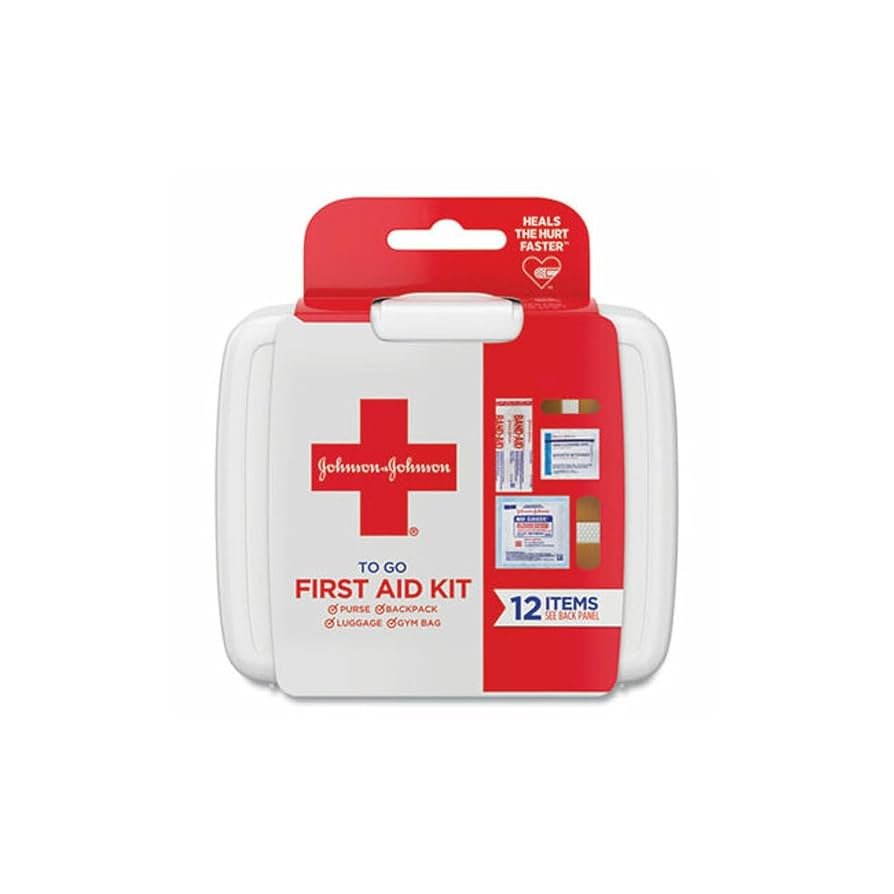
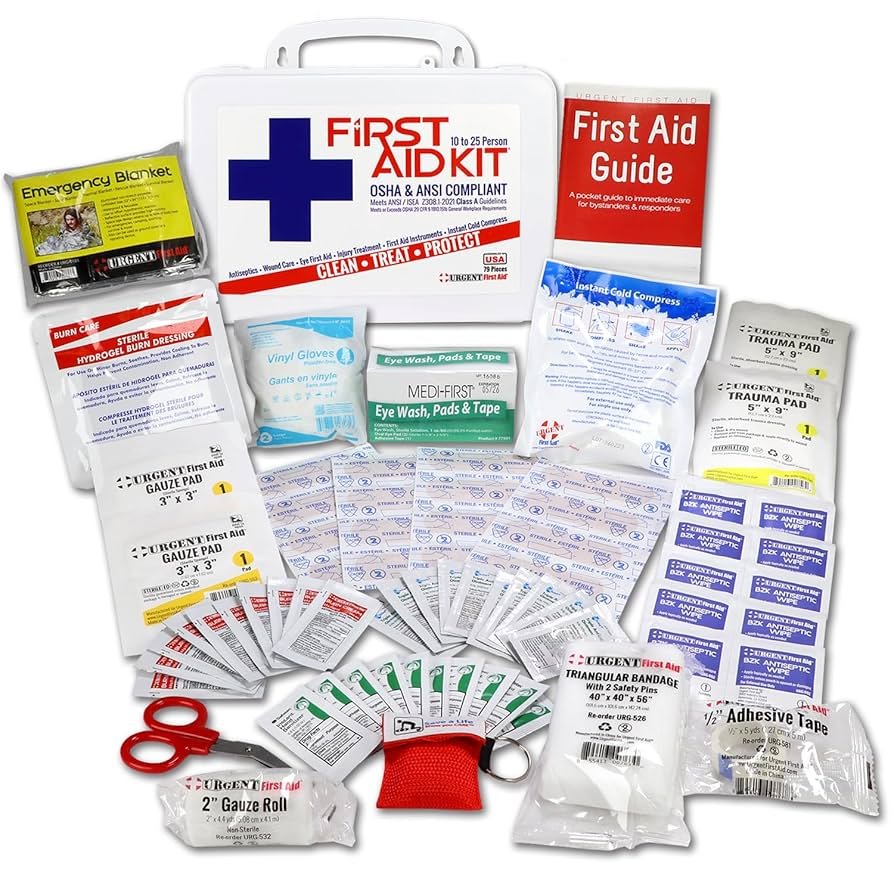
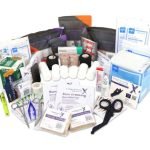
 A fully stocked kit is the first line of defense for minor and major injuries on the water.
Credit: www.amazon.com
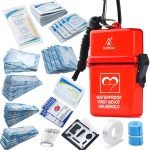
A fully stocked kit is the first line of defense for minor and major injuries on the water.
Credit: www.amazon.com
Customizing Your Kit for Your Vessel and Trip Type
The base contents list above works for most day trips, but you should adjust your kit based on your specific needs:
- Offshore or multi-day trips: Add extra burn gel, electrolyte powder, water purification tablets, a small emergency water ration, and extra motion sickness medication. Consider adding a compact suturing kit if you’re traveling far from medical care.
- Trips with children or elderly passengers: Add children’s pain reliever and allergy medications, extra small-sized bandages, and a pediatric epinephrine auto-injector if needed.
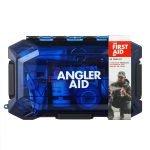
- Fishing trips: Add a dedicated fishhook removal tool, extra antiseptic for puncture wounds, and extra gauze for hook-related lacerations.
- Sailing or cold-water trips: Add extra hypothermia gear, including a waterproof survival suit and extra emergency blankets, as cold water immersion can cause hypothermia in minutes even in warm weather.
Storage and Maintenance Best Practices
Even the best-stocked kit is useless if supplies are damaged, expired, or hard to access during an emergency. Follow these guidelines to keep your kit ready for use:
Choosing the Right Storage Container
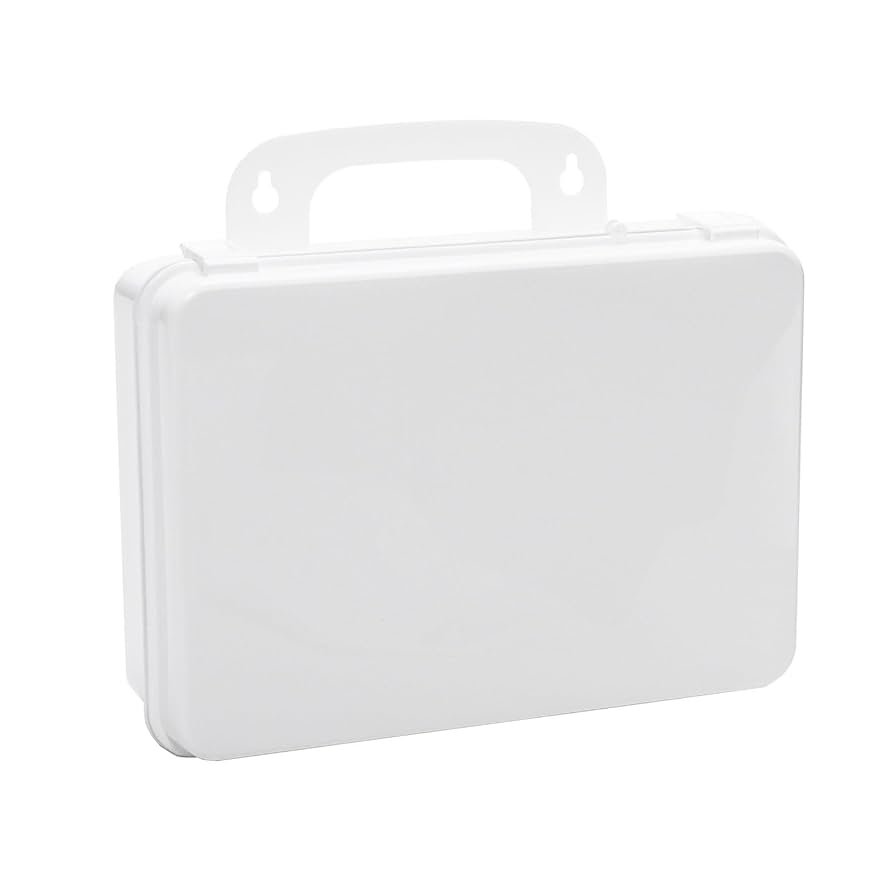
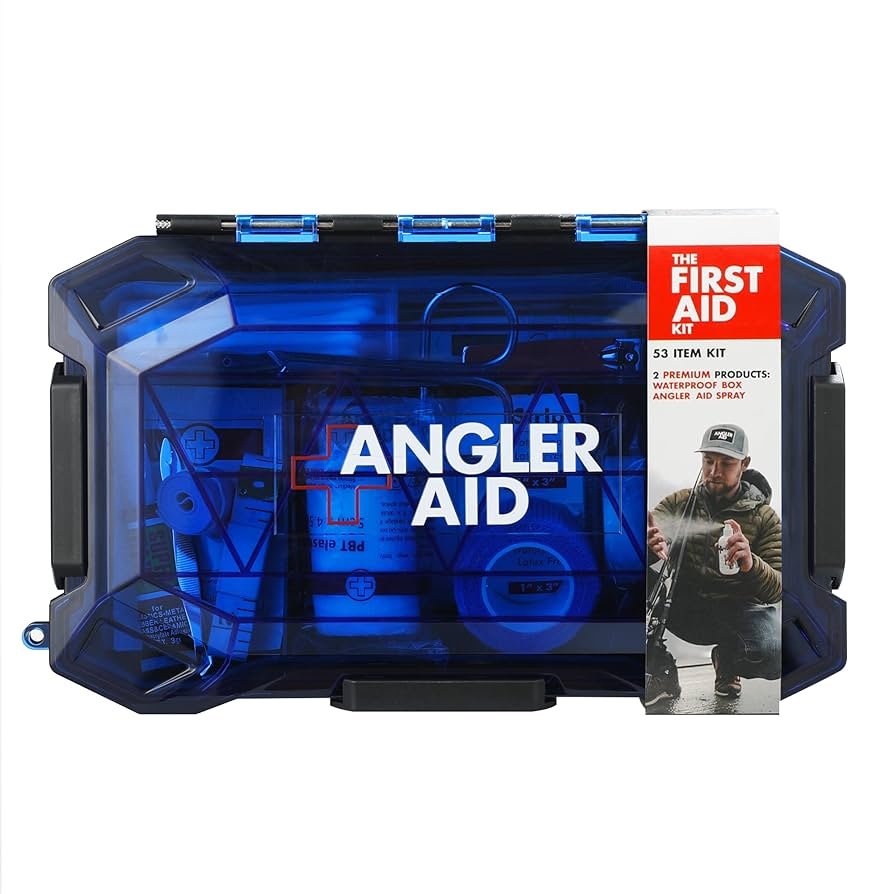
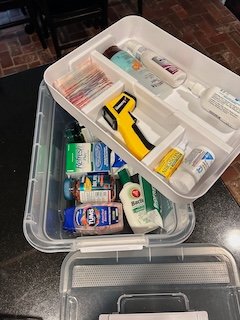
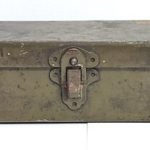
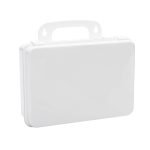
Opt for a waterproof, crush-proof hard case with a latch that’s easy to open with wet, slippery hands. Bright orange or red coloring makes the kit easy to spot in low visibility or debris. Add internal dividers or pouches to keep items organized by category, so you can locate critical supplies in seconds.
For custom organization, use sorted compartmentalized storage to separate medications, wound care supplies, tools, and topical treatments. For larger vessels, store a full-size kit in the helm and a smaller backup kit in the cabin for quick access.
Regular Inspection and Restocking
Follow U.S. Coast Guard guidance to inspect your kit at the start of every boating season, and complete a quick check after every extended trip. Look for:
- Expired medications or topical treatments (exposure to heat and salt air can degrade supplies faster than their printed shelf life, so replace items even if they are a few months from expiration if they look discolored or separated)
- Damaged packaging (torn bandage wrappers, cracked medication bottles, or leaking ointment tubes)
- Broken or rusty tools (replace scissors, tweezers, or thermometers that no longer work properly)
Keep a printed checklist of all kit contents taped to the inside of the case to make inspections faster and ensure you don’t miss any items when restocking.
Safe Storage Onboard
Never store your first aid kit in direct sunlight, as heat can degrade medications and cause ointments to melt or separate. Avoid damp areas like the bilge, near the engine, or in the bottom of a storage compartment where moisture can seep in. For bulk supplies like extra gauze, antiseptic solution, or electrolyte powder, store them in large waterproof storage to keep them dry and protected from salt exposure. For short day trips, a compact organized storage works as a lightweight, portable backup kit that fits in a small storage compartment or cooler bag. For very large vessels with extensive emergency supply stores, heavy-duty sealed storage will protect bulk items from moisture and pests.
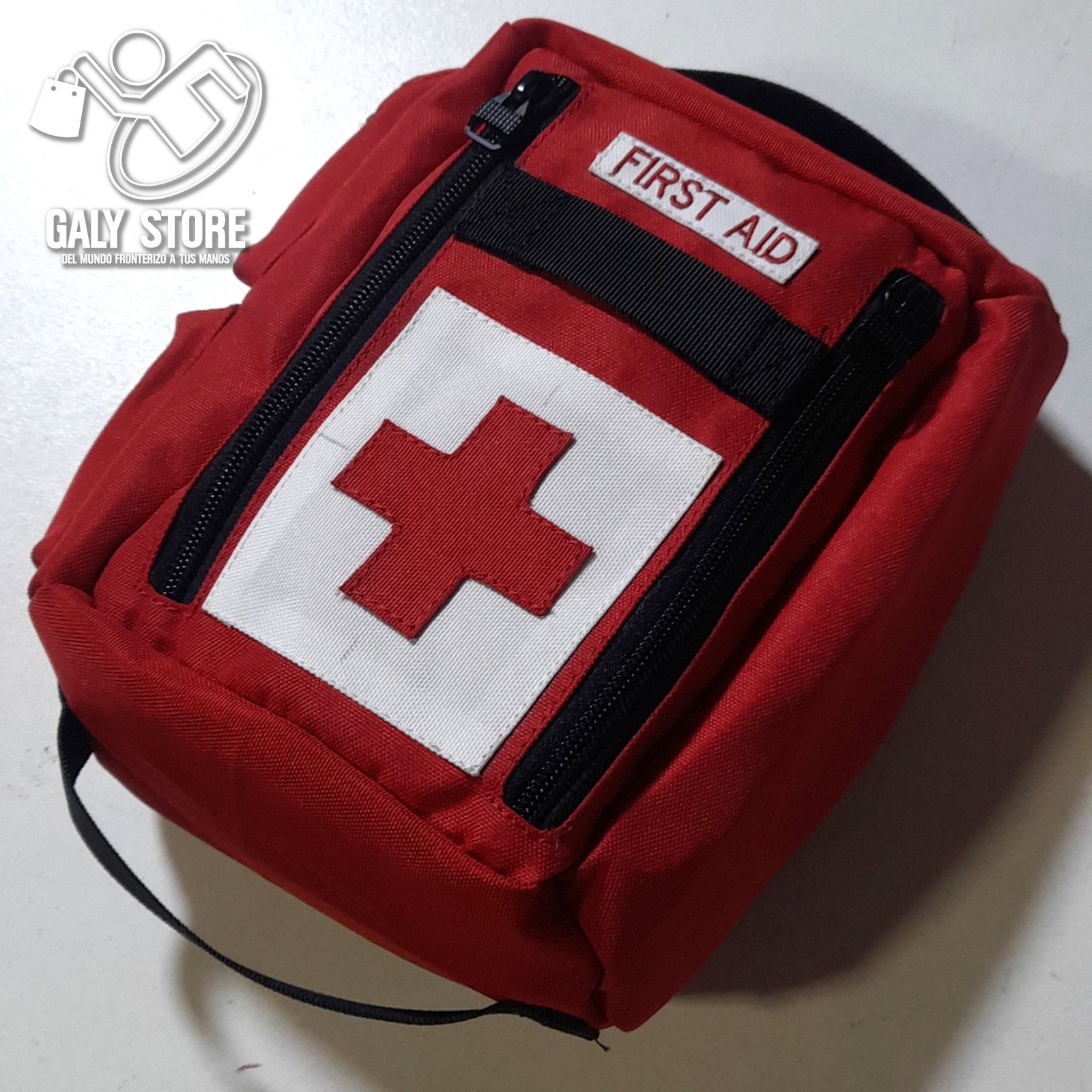
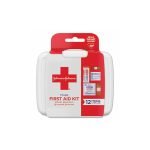
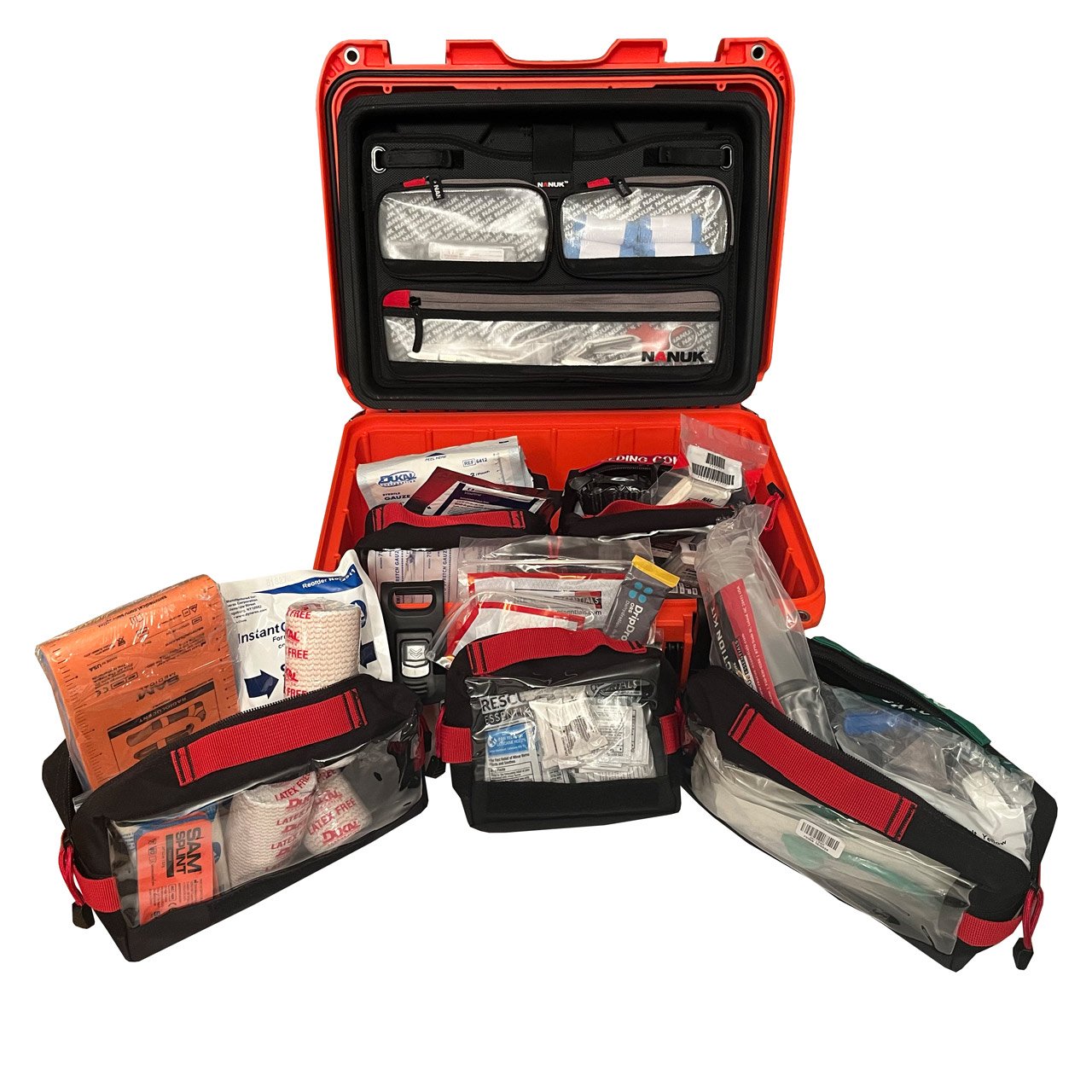
 Crush-proof hard cases protect delicate supplies from damage and salt exposure.
Credit: rescue-essentials.com
Crush-proof hard cases protect delicate supplies from damage and salt exposure.
Credit: rescue-essentials.com
Common First Aid Mistakes to Avoid on the Water
Even experienced boaters make errors that reduce the effectiveness of their first aid kit. Avoid these common pitfalls:
- Using alcohol wipes directly on open wounds: Alcohol stings intensely and can damage delicate tissue, slowing healing. Use sterile saline or povidone-iodine instead for cleaning open wounds.
- Storing medications in hot, damp areas: Heat and moisture degrade medications quickly, reducing their effectiveness. Keep all meds in a cool, dry part of the case, away from direct sun.
- Using tap water to clean wounds: Tap water may contain bacteria that increase infection risk, especially for saltwater wounds. Always use sterile saline or bottled drinking water to flush wounds.
- Skipping hypoallergenic supplies: Latex gloves and adhesive bandages can cause severe allergic reactions in sensitive passengers. Stock latex-free alternatives to avoid secondary emergencies.
- Forgetting to register your PLB: A personal locator beacon is useless if rescue teams can’t link it to your vessel and contact information. Register your PLB with the National Oceanic and Atmospheric Administration (NOAA) before every trip.
Frequently Asked Questions
What is the difference between a regular first aid kit and a marine-specific one?
Regular first aid kits often include items that rust quickly in salt air, lack waterproof bandages and saline solution for saltwater wounds, and don’t include marine-specific supplies like seasickness medications, hypothermia gear, or distress signals. Marine kits are built to withstand humid, wet conditions and address the unique injuries and risks associated with boating and water activities.
How often should I inspect and restock my marine first aid kit?
The U.S. Coast Guard recommends a full inspection at the start of every boating season, and a quick visual check after every trip. Replace any used, damaged, or expired supplies immediately, even if the expiration date is months away—exposure to heat and salt air can degrade medications and ointments far faster than their printed shelf life.
Do I need a first aid kit for short, calm water trips?
Yes. The U.S. Coast Guard requires all recreational vessels, regardless of size or trip length, to carry a first aid kit. Even short trips on calm lakes can result in injuries from slips, fishhooks, sunburn, or sudden weather changes.
Can I customize my marine first aid kit for my specific needs?
Absolutely. Adjust your kit based on trip length, passenger age and health, and activity type. For example, add extra burn gel if you’re operating a boat with a hot engine, extra allergy medications if traveling with someone with severe allergies, or a fishhook removal tool for fishing trips. Personalizing your kit ensures you’re prepared for the most likely risks you’ll face on the water.
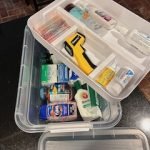
 Organized compartments let you locate critical supplies in seconds during an emergency.
Credit: rescue-essentials.com
Organized compartments let you locate critical supplies in seconds during an emergency.
Credit: rescue-essentials.com
Final Thoughts
A well-stocked, properly maintained marine first aid kit is one of the most important safety investments you can make for your vessel and crew. By including the essential items listed above, customizing your kit for your specific trips, and inspecting it regularly, you’ll be prepared to handle everything from minor cuts to life-threatening emergencies until professional help arrives.
Ready to upgrade your vessel safety prep? Stock your kit with the essential items listed above, and sign up for a free U.S. Coast Guard Auxiliary boating safety course to learn how to respond to common marine emergencies effectively.

I’m Abby Lu, a passionate home cook who loves simplifying everyday meals. At PlugChef.com, I share product reviews and cooking guides to help you find the best tools for your kitchen.
Similar Posts