Empty First Aid Kit Box: Essential Tips to Restock Quickly
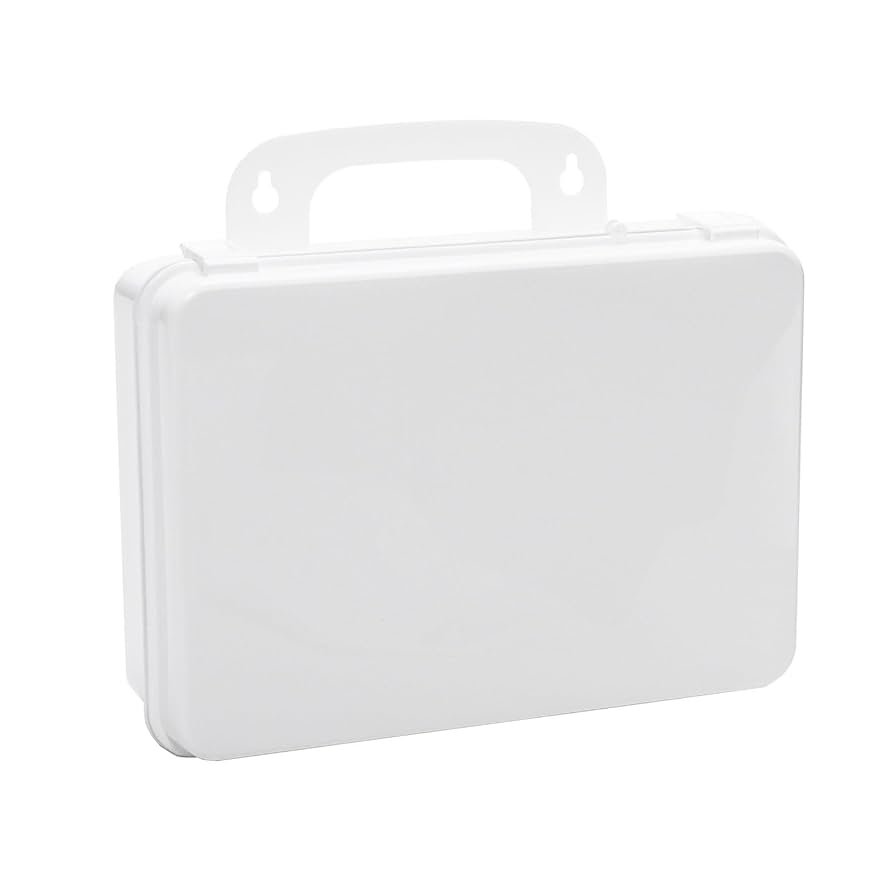
You reach for your first aid kit the second your kid scrapes their knee on the sidewalk, or you nick your finger while prepping dinner—only to pull out an empty first aid kit box with nothing but a crumpled old bandage and a half-used tube of antibiotic ointment. It’s a frustrating, avoidable scenario that leaves you scrambling for supplies when every second counts.
An empty first aid kit box does more than cause minor inconvenience: it delays critical care for cuts, burns, sprains, and allergic reactions, increasing the risk of infection, excess bleeding, or worsening injury. The CDC recommends that every household keep a fully stocked kit accessible to all adults, but surveys show 40% of home first aid kits are missing at least one critical supply at any given time. This guide walks you through exactly how to audit your empty kit, restock it quickly with evidence-backed essentials, and organize it so you never face that scramble again, no matter the emergency. For more on this, see our guide on how to quickly unfreeze chicken.
Why an Empty First Aid Kit Box Puts You at Risk
An empty or understocked first aid kit creates avoidable risks for every member of your household. For minor cuts and scrapes, lacking sterile gauze or antiseptic wipes can lead to infection that requires medical intervention. For sprains or minor burns, missing cold packs or burn gel can prolong pain and swelling. For households with members who have severe allergies, an empty kit missing epinephrine or antihistamines can turn a manageable reaction into a life-threatening anaphylactic episode.
In practice, most people only discover their kit is empty after an injury occurs, when stress and adrenaline make it hard to think clearly about what supplies are missing. A common mistake is assuming a kit is "good enough" if it has a few bandages, but missing critical items like tweezers for splinters, a CPR mask for safe resuscitation, or a sufficient supply of pain relievers can have serious consequences. If you have young children, pets, or regularly participate in outdoor activities like hiking or camping, the risks of an empty kit are even higher, as minor injuries are more frequent and access to professional medical care may be delayed. For more on this, see our guide on kitchenaid dishwasher maintenance tips.
Step 1: Audit Your Empty First Aid Kit Box First
Before you head to the store to restock, take 10 minutes to audit your kit’s current state, even if it looks completely empty. Many "empty" kits still have expired medications, damaged packaging, or outdated supplies that need to be discarded before you add new items.
Start by dumping all remaining contents onto a clean, well-lit surface. Toss any expired medications, dried-out ointments, sticky or torn bandages, and supplies with damaged sterile packaging. Next, make a checklist of all essential items and mark off what you already have that’s still usable. This step prevents you from buying duplicate items and ensures you only spend money on supplies you actually need. For more on this, see our guide on safety first cabinet and drawer latches.
Note any specialized items your household requires: for example, if a family member has a severe nut allergy, you’ll need to prioritize epinephrine injectors and extra antihistamines. If you have a pet that tends to get ticks or thorns in their paws, add a tick removal tool and pet-safe antiseptic to your list.
Quick Audit Checklist
Use this list to assess your kit’s current state in 5 minutes flat:
- Toss all expired medications, ointments, and sterile supplies
- Check for damaged or torn packaging on remaining items
- Count current stock of bandages, gauze, and wound care supplies
- Note any household-specific needs (allergies, chronic conditions, pets)
- Identify missing core essentials per CDC guidelines
Core Restock Essentials for Every Household
Not all first aid supplies are created equal. When restocking an empty first aid kit box, prioritize items that address the most common household injuries first, then add specialized supplies for your household’s unique needs. The CDC’s official first aid kit guidelines recommend the following core stock for a standard 4-person household, with adjustments for family size and specific health requirements. For more on this, see our guide on modular kitchen maintenance tips.
Basic Wound Care Supplies (Used for the Vast Majority of Minor Injuries)
These are the items you’ll reach for most often, so prioritize having a sufficient stock:
- Adhesive bandages in assorted sizes (at least 20 total, including fabric and waterproof variants for active kids and outdoor use)
- Sterile gauze pads in 2×2 and 4×4 sizes (at least 20 total, for covering larger cuts and wounds)
- Hypoallergenic medical tape (1 roll, for securing gauze and dressings without irritating sensitive skin)
- Alcohol-free antiseptic wipes (at least 20, for cleaning wounds without stinging)
- Antibiotic ointment (1 travel-sized tube, to prevent infection in minor cuts and scrapes)
- Blunt-tip scissors (1 pair, for cutting gauze and clothing without causing additional injury)
- Angled-tip tweezers (1 pair, for removing splinters, ticks, and debris from wounds)
- Nitrile disposable gloves (at least 10 pairs, latex-free for allergy sufferers, to protect both the injured person and the caregiver from germs)
- Instant cold packs (2+ no-refrigeration packs, for reducing swelling from sprains, strains, and minor bumps)
- Elastic bandage (1 roll, for supporting sprained ankles or wrists)
Medication & Allergy Supplies
- Pain relievers: acetaminophen, ibuprofen, and aspirin (check expiration dates, keep enough for a 3-day supply for all household members; aspirin is also used for emergency heart attack care)
- Antihistamines (for allergic reactions to insect bites, food, or environmental allergens)
- Burn gel or aloe vera gel (for minor kitchen, sun, or scald burns)
- Digital thermometer (1, for checking fevers)
- Eye wash solution (1 bottle, for flushing out chemical splashes, debris, or irritants)
Emergency Response & Specialized Add-Ons
- CPR face shield with one-way valve (1, for safe mouth-to-mouth resuscitation without direct contact)
- Mylar emergency blanket (1, for preventing shock in cases of severe injury or cold exposure)
- First aid manual (updated 2026 edition, or a saved digital copy on your phone for quick reference)
- 3-day supply of all regular prescription medications for household members, rotated regularly to avoid expiration
- Specialized items as needed: glucose gel for diabetics, asthma inhalers, epinephrine injectors for severe allergies, tick removal tools for outdoor households
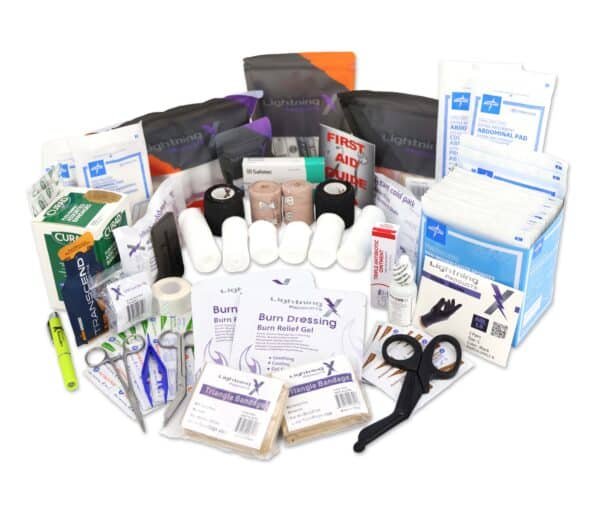
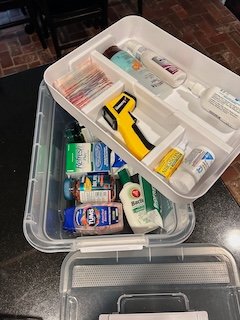
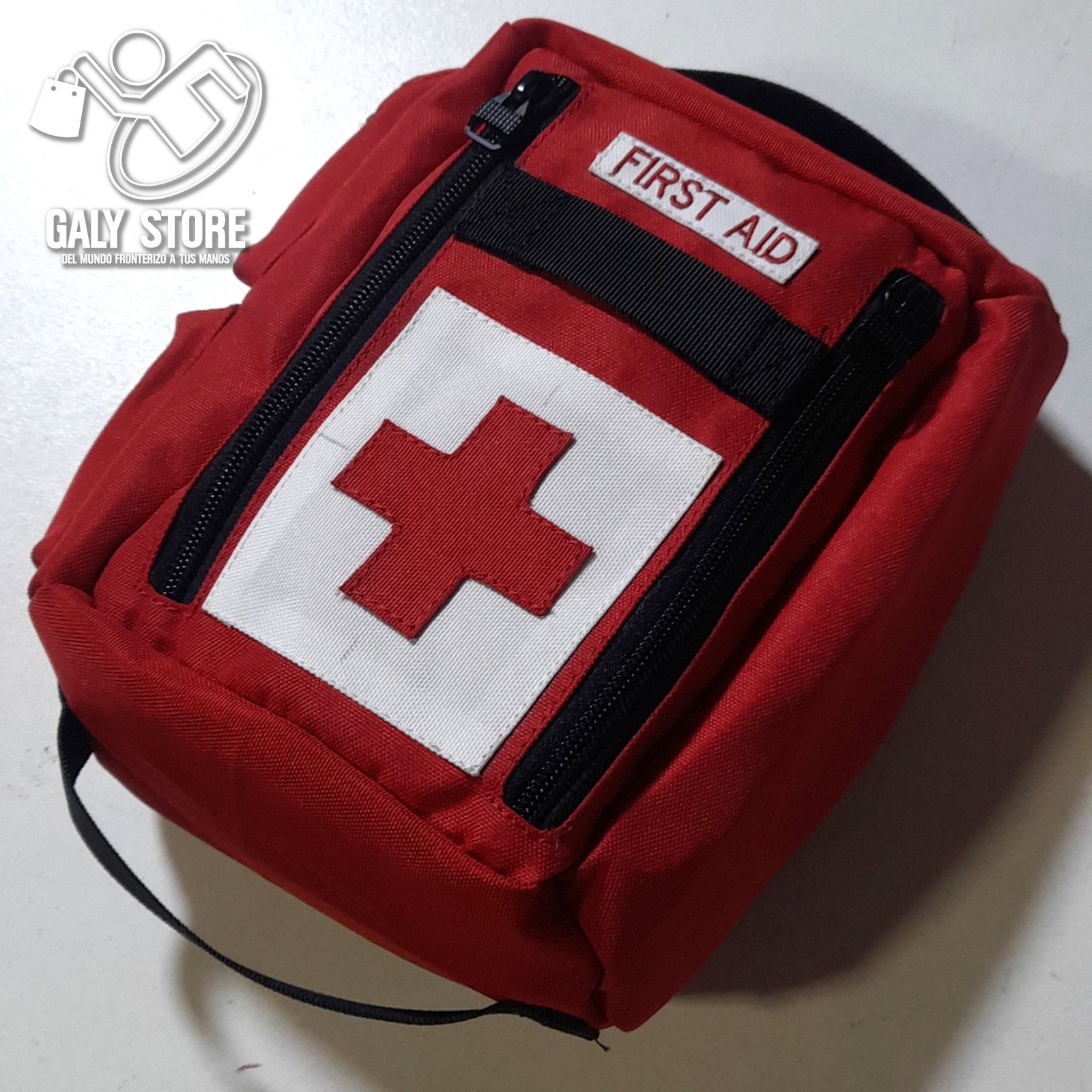
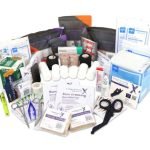
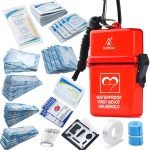
 Assorted first aid supplies laid out for restocking an empty kit
Credit: www.mercadolibre.com.mx
Assorted first aid supplies laid out for restocking an empty kit
Credit: www.mercadolibre.com.mx
Where to Source Supplies for Fast Restocking
When your first aid kit box is empty, speed is key. Knowing where to shop for supplies ensures you can restock quickly without sacrificing quality or safety.
Local vs. Online Shopping
Local pharmacies, big-box stores, and outdoor retailers are your best bet for immediate restocks. You can see products in person, ask staff for recommendations, and leave with supplies the same day. Pharmacies like CVS and Walgreens carry all core first aid essentials, while outdoor stores like REI stock specialized kits for hiking, camping, and water sports. The downside to local shopping is limited stock for specialized items, and often higher prices for bulk supplies. For more on this, see our guide on kitchen hood maintenance tips.
Online shopping offers a wider selection of supplies, often at lower prices, and the ability to compare customer reviews and check for FDA approval before buying. The tradeoff is shipping time, which can be a problem if you need supplies immediately. For emergency restocks, order from reputable, licensed retailers to avoid counterfeit or expired products, a common issue with unregulated third-party marketplace sellers. Pre-assembled first aid refill kits from trusted brands are a fast, low-effort option, as they’re pre-vetted to include all CDC-recommended essentials in the right quantities.
Affordable, High-Quality Restock Options
You don’t have to break the bank to restock your kit properly. Start by prioritizing core basics over novelty items: a $5 pack of sterile gauze pads is far more useful than a $15 scented burn gel you’ll rarely use. Buy generic store-brand adhesive bandages, antiseptic wipes, and pain relievers, which meet the same FDA safety standards as name-brand products for a fraction of the cost.
For bulk supplies, shop at medical supply stores or wholesale retailers to get lower per-unit prices on gauze, tape, and bandages. Store bulk restock supplies in an airtight bulk storage unit like a 20 lb dog food container to keep them dry, pest-free, and out of reach of children and pets until you need them. If you prefer pre-assembled kits, look for options that match your household’s needs: a family kit with child-sized bandages and children’s pain reliever, or a hiking kit with blister care and insect bite treatment.
Organize Your Restocked Kit for 10-Second Access
Restocking your kit is only half the battle: if you can’t find what you need in a high-stress emergency, the supplies won’t help. Proper organization cuts down search time to seconds, even when your hands are shaky or you’re panicking.
Storage Tips for Fast Access
First, choose the right location for your kit: avoid the bathroom, as humidity from showers and baths degrades medications, adhesive bandages, and sterile supplies faster. Instead, store your kit in a cool, dry, central location that all adults in the household know about: a hall closet, kitchen cabinet (out of reach of young children), or locked glove compartment in your car.
For the kit’s internal layout, use the ABC method to prioritize the most critical items:
- Airway: Place your CPR mask and any airway tools first, so you can access them immediately for life-threatening emergencies.
- Bleeding: Store gauze, pressure bandages, and bleeding control tools next, so you can control bleeding fast.
- Everything else: Organize remaining items by frequency of use, with bandages and antiseptics at the top of the kit, and rarely used items like emergency blankets at the bottom.
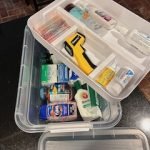
Use small, labeled compartmentalized storage solutions like 4-compartment bins to separate items by type, so you don’t have to rummage through the entire kit to find a specific size bandage. For larger home or vehicle first aid kits, a mid-sized durable container such as a 12 qt storage bin makes a water-resistant, drop-proof outer case that protects supplies from moisture, heat, and rough handling. If you keep a precision cutting blade (like a high-quality kitchen knife) in your kit to cut custom-sized gauze or tape, keep it in a separate padded sleeve to avoid accidental cuts when reaching for other supplies.
Keep Supplies Fresh and Usable
Even the best-organized kit is useless if its supplies are expired or damaged. After restocking, add a small laminated inventory card to the inside of the kit lid, listing each item, its quantity, and its expiration date. Check this card every 3 months during your routine kit audit, and replace any expired or damaged items immediately. Keep your cutting tools sharp with proper sharpening abrasives matched to your blade’s steel type, so you can make clean cuts without tearing bandage material or fraying gauze.
Store medications and heat-sensitive ointments in a cool, dark part of the kit, away from direct sunlight or heat sources (like a car trunk in summer). If you live in a hot climate, add a small insulated pouch to your kit to protect temperature-sensitive supplies.
Quick Restock Strategies for Emergencies
If you discover your first aid kit box is empty mid-emergency, or you need to restock fast before a planned trip or event, these strategies will get you back up and running in 15 minutes or less.
Emergency Restock Shopping Checklist
Print this list or save it to your phone so you can grab it on your way to the store:
- Assorted adhesive bandages (at least 20)
- Sterile gauze pads (at least 10)
- Medical tape (1 roll)
- Antiseptic wipes (at least 10)
- Antibiotic ointment (1 travel tube)
- Pain relievers (acetaminophen/ibuprofen, 1 bottle)
- Disposable gloves (1 box of 10)
- Tweezers and blunt-tip scissors
If you’re shopping at a pharmacy, most of these items will be in the personal care aisle. For specialized items like burn gel or eye wash, check the outdoor or travel section.
Temporary Substitutes for Critical Items
If you can’t get to a store right away, you can use clean household items as temporary substitutes for critical supplies:
- A clean, lint-free cotton t-shirt cut into squares works as a temporary sterile gauze for bleeding wounds
- A plastic zip-top bag filled with ice works as a cold pack for sprains and swelling
- Clean, non-flavored dental floss can be used to tie off a bleeding wound (only if you are trained in first aid)
- A clean plastic cup works as a temporary eye wash container
These substitutes are only for short-term use: restock with proper medical supplies as soon as possible to avoid infection or complications.
Pre-Packaged Refill Kits for Fast Restocks
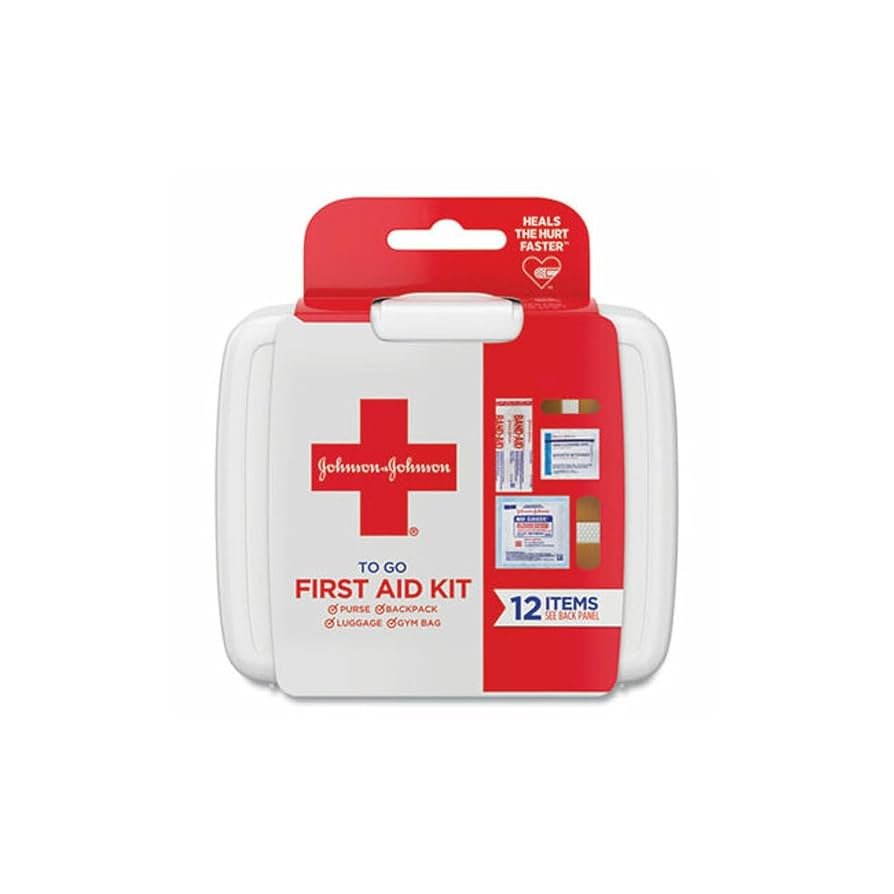
Pre-assembled refill kits are the fastest way to restock an empty first aid kit box, as they include all core essentials in pre-measured quantities, no shopping required. Look for kits that are FDA-approved and match your household’s needs: for example, a family kit will include child-sized bandages and children’s pain reliever, while a car kit will include cold packs and an emergency blanket.
Keep a small pre-packaged refill kit in your desk, gym bag, or car trunk so you can restock your main kit in seconds if you run out of supplies while away from home. For portioning small restock packs to keep in multiple locations, portioning storage trays designed for meal prep work well to separate medications, wound care, and tools so nothing gets jumbled together.
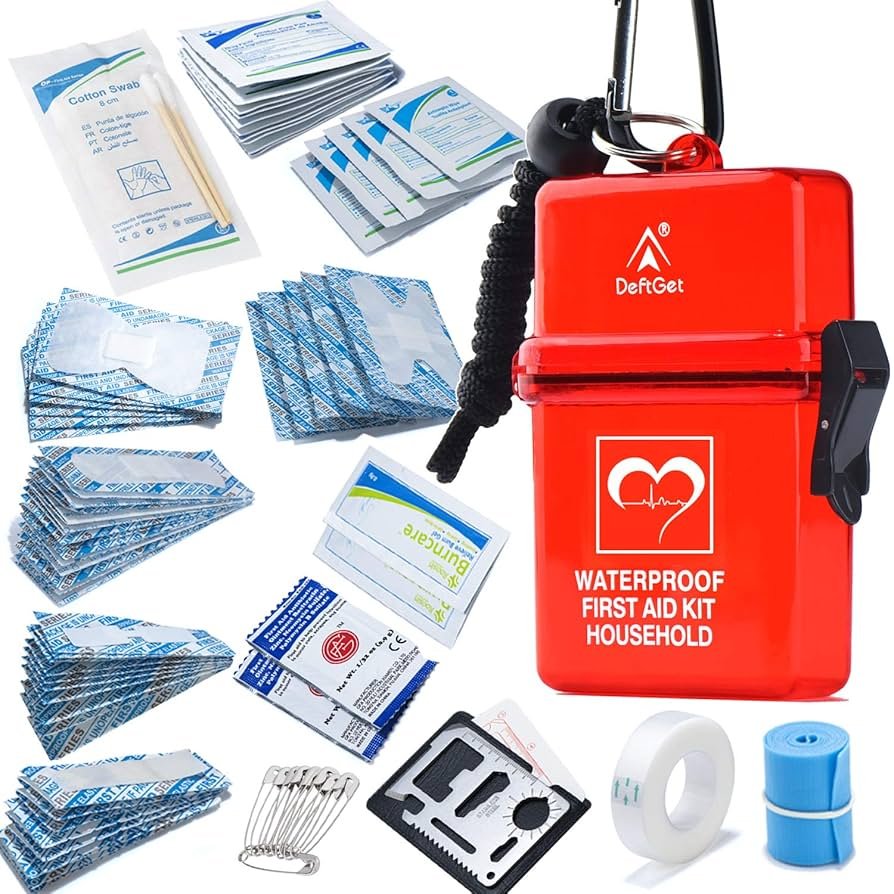
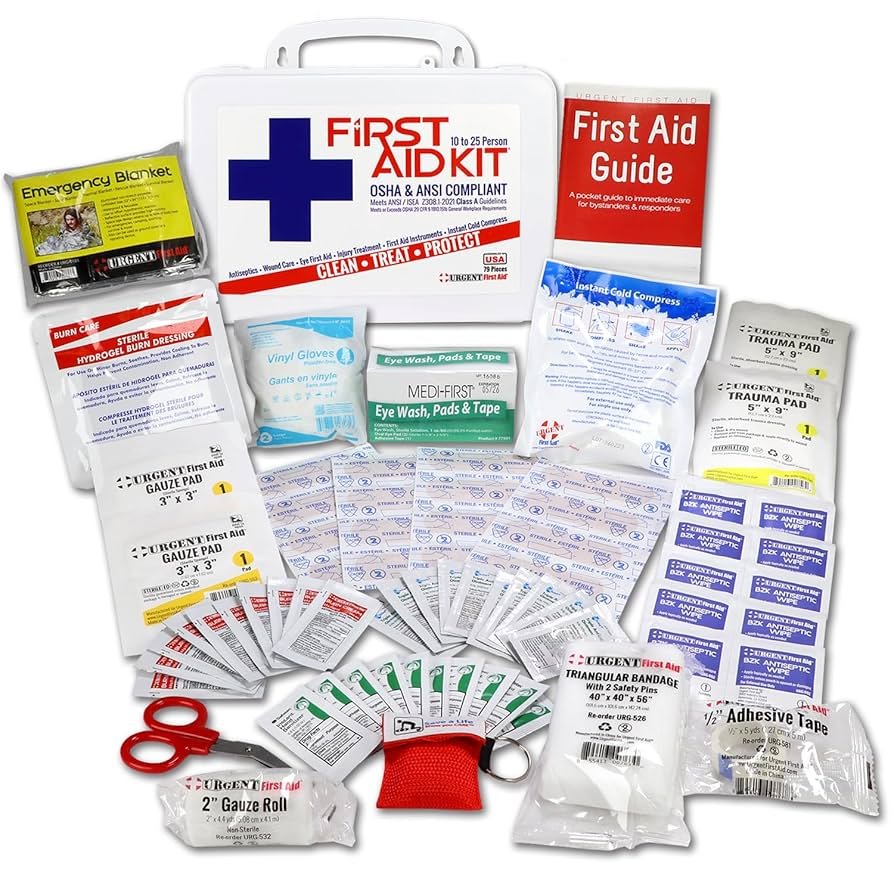
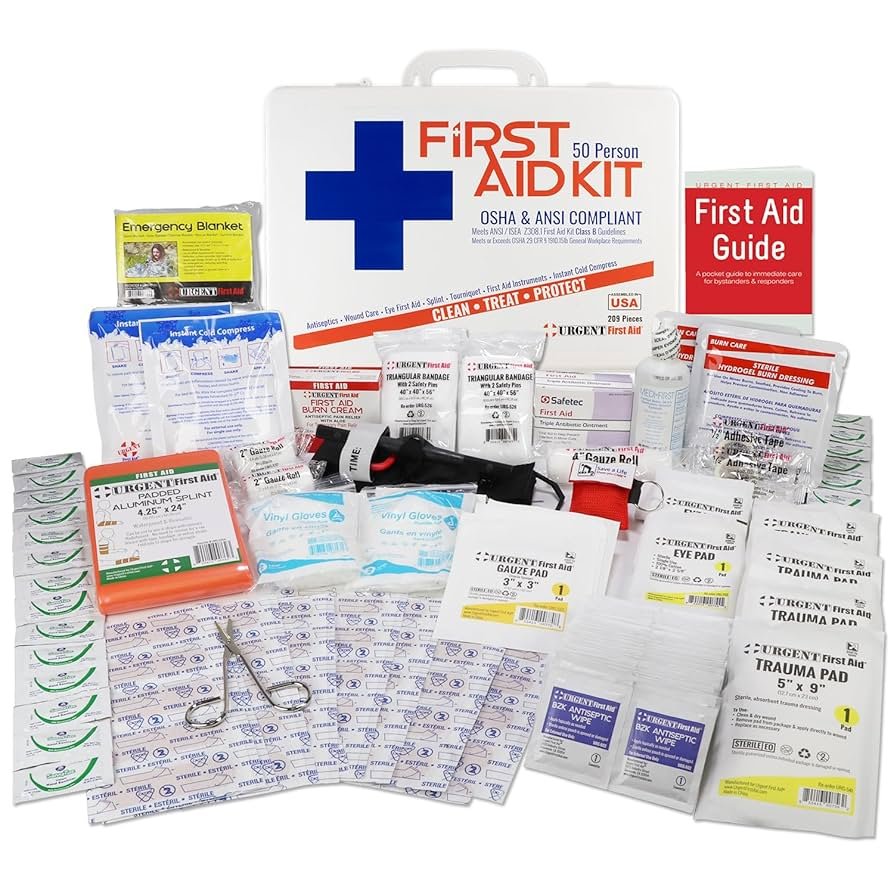
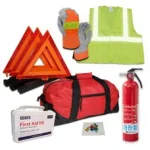
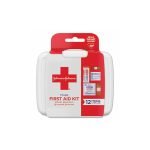
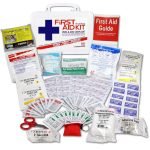
 Pre-assembled refill kits cut down on shopping time and ensure you don’t miss critical, often overlooked supplies
Credit: www.amazon.com
Pre-assembled refill kits cut down on shopping time and ensure you don’t miss critical, often overlooked supplies
Credit: www.amazon.com
Maintaining Your Kit Long-Term
Restocking your empty first aid kit is only the first step. Regular maintenance ensures your kit stays fully stocked and usable for years to come.
Routine Check Schedule
Set a recurring reminder on your phone to check your kit every 3 months. During each check:
- Toss any expired medications, ointions, or sterile supplies
- Replace any used or damaged items immediately
- Restock low-quantity items (like bandages or antiseptic wipes)
- Update your inventory card with new expiration dates and quantities
If you store medications that expire in less than 6 months, check those dates monthly to avoid running out of critical supplies unexpectedly.
Proper Disposal of Expired Supplies
Never throw expired medications or used medical supplies in the regular trash, as they can pose risks to children, pets, and the environment. Most pharmacies offer free medication take-back programs for expired prescriptions and over-the-counter drugs. Used gauze, bandages, and gloves can be thrown in the regular trash if they are not contaminated with blood or other bodily fluids; if they are, seal them in a plastic bag first.
A common mistake people make is keeping expired pain relievers or antibiotic ointment "just in case," but these products lose effectiveness over time, and expired medications can even cause harmful side effects. When in doubt, toss it out and replace it with a fresh supply.
Frequently Asked Questions
Why is my first aid kit box empty?
The most common reasons for an empty first aid kit include using supplies for minor injuries and forgetting to replace them, children using bandages for crafts or dress-up, supplies expiring and being discarded, or the kit being stored in a hard-to-reach location so people grab items and don’t put them back. Setting a quarterly reminder to check your kit prevents this from happening.
What essentials should be in a first aid kit box?
The CDC recommends core wound care supplies (adhesive bandages, sterile gauze, medical tape, antiseptic wipes, antibiotic ointment), basic medications (pain relievers, antihistamines, burn gel), emergency response tools (CPR mask, tweezers, scissors, disposable gloves), and specialized items tailored to your household’s needs (prescription medications, eye wash solution, emergency blanket). Avoid adding unnecessary novelty items that take up valuable space.
How often should I check my first aid kit box?
Check your kit every 3 months, and immediately after any use to replace used or damaged supplies. If you store short-expiration medications like pain relievers or antibiotic ointment, check those dates monthly to avoid unexpected lapses.
Can an empty first aid kit box be dangerous?
Yes. Delayed treatment for bleeding can lead to excess blood loss, untreated burns can become infected, and unaddressed allergic reactions can escalate to anaphylaxis. A fully stocked kit lets you provide immediate, appropriate care while waiting for emergency services, which can reduce recovery time, prevent long-term complications, and in severe cases, save lives.
What’s the fastest way to restock an empty first aid kit?
The fastest restock method is to use a pre-assembled, CDC-approved refill kit, which includes all core essentials in the right quantities with no shopping required. If you prefer to build your own kit, use a printed checklist to grab all necessary items in one trip, and prioritize core basics over specialty items to cut down on shopping time.
Final Takeaway
An empty first aid kit box is a preventable risk that leaves you vulnerable when accidents happen. By auditing your kit, restocking with evidence-backed essentials, and organizing it for fast access, you can cut down emergency response time from minutes to seconds. Don’t wait for an injury to remind you to check your supplies: set a quarterly reminder on your phone this week to audit your kit, toss expired items, and restock missing essentials. For durable, water-resistant storage to keep your kit protected from moisture and damage, browse our range of heavy-duty food storage containers built to stand up to everyday use.

I’m Abby Lu, a passionate home cook who loves simplifying everyday meals. At PlugChef.com, I share product reviews and cooking guides to help you find the best tools for your kitchen.
Related posts:
 Is Nylon Cooking Utensils Safe? Unveiling the Truth
 Is Bamboo Good for Cooking Utensils: Discover the Benefits
 Can You Cut Raw Meat on a Wood Cutting Board Safely?
 Harbor Freight First Aid Kit: Essential Safety Gear for Emergencies
 First Aid Kit Supplies Refills: Essential Items You Must Restock
 10 Person First Aid Kit: Essential Gear for Emergencies
Similar Posts