In 2026, commercial kitchen operators face increasingly strict fire safety and health code requirements, with unaddressed grease buildup in exhaust hoods remaining the leading cause of preventable kitchen fires. For cleaning technicians, restaurant managers, and food service staff, proper training is no longer optional—it’s a requirement for compliance, safety, and operational efficiency. Online kitchen hood cleaning certification offers a flexible, accessible way to master industry-standard degreaser techniques, including the powerful, eco-friendly methods taught with EcoGen’s professional-grade cleaning products. This guide breaks down what the certification covers, core techniques you’ll learn, and how the training translates to real-world kitchen safety and performance.
Per the National Fire Protection Association, grease accumulation in exhaust hoods is the leading cause of commercial kitchen fires, responsible for millions in property damage and preventable injuries annually NFPA commercial kitchen safety guidelines.
Why Kitchen Hood Cleaning Certification Matters in 2026
NFPA 96, the national standard for commercial kitchen ventilation and exhaust system maintenance, requires regular, documented hood cleaning performed by trained personnel. Local health departments across North America and the EU now mandate proof of NFPA-aligned certification for anyone conducting commercial hood cleaning, with non-compliance fines reaching $10,000 or more for repeat offenders. For restaurant owners, certified cleaning reduces the risk of catastrophic fire, lowers commercial insurance premiums, and ensures consistent passing of health inspections.
For home cooks with high-use residential hoods, proper training reduces the 2x higher risk of kitchen fires associated with uncleaned grease buildup, per home fire safety data. Proper cleaning also improves indoor air quality, reduces persistent cooking odors, and extends the lifespan of hood motors and filters by preventing grease-related corrosion and wear.
What Online Kitchen Hood Cleaning Certification Covers
Unlike in-person courses that require taking time off work or traveling to training facilities, online certification lets you learn at your own pace, with most programs taking 4–8 hours total to complete, plus 12 months of unlimited access to course materials for on-the-job reference. Core curriculum modules include:
- NFPA 96 and local health code compliance requirements for documentation and cleaning frequency
- Personal protective equipment (PPE) and chemical safety protocols for handling concentrated degreasers
- Hood and filter disassembly techniques for all common hood types (under-cabinet, wall-mounted, backshelf, island)
- Degreaser dilution, application, and contact time guidelines for varying levels of grease buildup
- Exhaust fan and duct inspection for early signs of wear, corrosion, or fire risk
- Record-keeping and reporting for health inspections and insurance documentation
- Troubleshooting common hood issues (poor ventilation, excessive noise, lingering odors)
For additional guidance on routine kitchen maintenance that extends equipment lifespan, see our comprehensive kitchen upkeep guide.
Core EcoGen Degreaser Techniques Taught in the Course
The certification’s degreaser module is built around EcoGen’s concentrated, biodegradable formula, which aligns with EPA Safer Choice standards for reduced environmental and user health impact EPA Safer Choice Program. In practice, technicians learn four key techniques to maximize cleaning efficacy while protecting surfaces and minimizing chemical use:
- Dilution calibration: Adjusting the degreaser-to-water ratio based on grease buildup level—1:10 for light, weekly buildup, 1:5 for heavy, monthly buildup, and 1:3 for polymerized, months-old grease on commercial filters. A common mistake is using full-strength degreaser on all surfaces, which can corrode galvanized metal and dull polished stainless steel over time.
- Contact time management: Letting the degreaser sit for 3–5 minutes on heavy grease to break down polymerized oils before agitation, rather than scrubbing immediately, which spreads grease and reduces efficacy.
- Filter-specific agitation: Using soft-bristle brushes for baffle filters to avoid warping mesh, and nylon brushes for grease traps, to remove buildup without damaging filtration surfaces. For this step, a stiff-bristled professional scrubbing brush works well to agitate grease without damaging filter mesh.
- Residue testing: Rinsing surfaces thoroughly with warm water and testing for chemical residue with a pH strip before reassembling the hood, to avoid contamination of food preparation areas.
Product Training: EcoGen, Care+Protect, and Compatible Equipment
The certification includes hands-on training with industry-leading cleaning products and common hood models you’ll encounter in the field, so you can apply techniques directly to your work or home kitchen:
EcoGen Concentrated Hood Cleaner
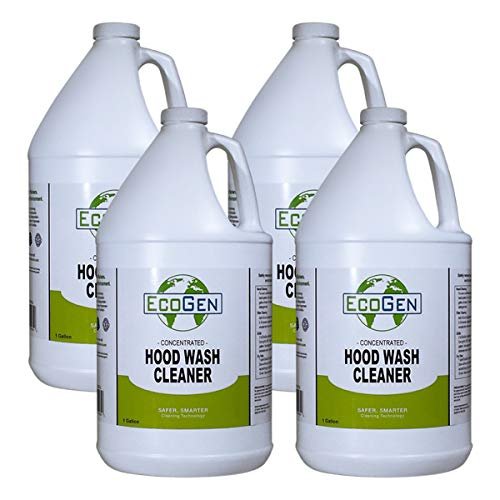
EcoGen’s 4-gallon concentrated degreaser is the primary product taught for heavy-duty commercial hood cleaning. Its biodegradable formula cuts through tough, polymerized grease without harsh fumes, making it safe for use in occupied kitchens when proper ventilation is in place. The EcoGen Hood Cleaner is ideal for industrial kitchen operators, restaurant owners, and professional cleaning services seeking a robust and environmentally responsible solution, with industrial-strength hood cleaning solutions tailored for high-grease environments.
- Key benefits: Concentrated formula reduces product waste and shipping costs, professional strength tackles even months of built-up grease, and the 4-gallon pack is cost-effective for high-volume cleaning operations.
- Limitations: Not recommended for casual residential use, as the high concentration can damage low-temperature painted hood surfaces if not properly diluted. Requires PPE (gloves, safety goggles) per OSHA chemical handling guidelines.
 Concentrated EcoGen degreaser, the core product taught in the online certification for heavy grease removal
[Image source: Amazon]
Concentrated EcoGen degreaser, the core product taught in the online certification for heavy grease removal
[Image source: Amazon]
Users benefit from the cleaner's ability to maintain kitchen hoods and ventilation systems effectively, reducing fire hazards and improving air quality, aligned with routine hood maintenance best practices. This professional strength degreaser is engineered for performance, offering deep cleaning that extends the lifespan of kitchen equipment and surfaces, supporting long-term equipment reliability for food service operations.
Care+Protect Grease Remover
Care+Protect’s 500ml scratch-safe degreaser is taught for light maintenance, touch-up cleaning, and use on delicate stainless steel and tempered glass hood surfaces. Its universal formula works on cooker hoods, countertops, and appliance exteriors, making it a versatile tool for multi-surface cleaning. The Care+Protect – Grease Remover is ideal for homeowners and professional cleaners looking for an effective solution to maintain a spotless kitchen, with effective kitchen cleaning tools designed for multi-surface use.
- Key benefits: Scratch-protection formula prevents dulling or abrasion on polished finishes, compact size is easy to store for on-site touch-ups, and it is safe for use around food preparation areas when rinsed thoroughly.
- Limitations: Not strong enough to cut through heavy, polymerized grease buildup on its own, so it is used as a follow-up product after deep cleaning with EcoGen.
 Surface-safe Care+Protect degreaser, used for final polishing and light grease removal on stainless steel and glass hoods
[Image source: Amazon]
Surface-safe Care+Protect degreaser, used for final polishing and light grease removal on stainless steel and glass hoods
[Image source: Amazon]
Its special composition incorporates scratch protection, which means users can clean their stainless steel and cooker hoods without worrying about unwanted abrasions or dulling, using safe stainless steel cleaning methods that preserve finish quality. Additionally, the product’s universal use ensures that it can be applied to a variety of kitchen surfaces, saving users from buying multiple cleaners for different purposes, with scratch-free stainless steel care included in its formula. Overall, this cleaner enhances the kitchen cleaning experience by combining thorough grease removal with surface care, making it an excellent addition to any multi-surface kitchen cleaning arsenal.
Common Hood Models Covered in Training
The certification includes tailored cleaning techniques for the most common hood models you’ll encounter in residential and commercial settings:
Tieasy 30-Inch Under-Cabinet Range Hood
This popular residential and small commercial under-cabinet hood features a 900 CFM motor for high-volume smoke and grease extraction, a tempered glass surface for easy cleaning, gesture and touch controls for hands-free operation, and an auto-cleaning cycle that reduces the frequency of deep cleans required. The heating auto-cleaning function is a standout feature, allowing users to maintain the hood with minimal effort, ensuring it operates at peak performance without the hassle of manual cleaning, and eliminating lingering kitchen odors from cooking fumes. Technicians learn how to clean its baffle filters, troubleshoot the auto-cleaning cycle, and adjust cleaning frequency based on cooking volume—high-CFM models like this accumulate grease 2x faster than standard 400 CFM residential hoods.
 Residential under-cabinet range hood, a common model covered in the certification for home and small commercial kitchen maintenance
[Image source: Amazon]
Residential under-cabinet range hood, a common model covered in the certification for home and small commercial kitchen maintenance
[Image source: Amazon]
Hoodmart 4-Foot Low Proximity Backshelf Hood
A standard commercial restaurant hood, this stainless steel model features low-proximity installation for compact kitchen spaces and included baffle filters for maximum grease capture. The HOODMART 4' Low Proximity Backshelf Kitchen Hood is an ideal choice for restaurant owners and commercial kitchen operators who need a reliable, durable, and efficient ventilation solution, with professional restaurant hood cleaning techniques tailored to this model’s design. The certification teaches how to safely remove, degrease, and reinstall these heavy filters, as well as inspect the stainless steel body for corrosion or damage that could compromise ventilation performance.
 Commercial low-proximity backshelf hood, a standard model for restaurant ventilation systems covered in the certification
[Image source: Amazon]
Commercial low-proximity backshelf hood, a standard model for restaurant ventilation systems covered in the certification
[Image source: Amazon]
Career and Operational Benefits of Certification
For individual cleaning technicians, certification demonstrates verified expertise to potential clients and employers, with most commercial kitchen operators requiring proof of NFPA 96-aligned training before hiring cleaning staff. Certified technicians often command 10–15% higher pay than uncertified peers, and have access to higher-paying commercial clients.
For restaurant and food service managers, having certified staff on site reduces the risk of costly fire incidents, lowers commercial insurance premiums, and ensures consistent passing of health inspections. For home cooks, the techniques taught in the course reduce kitchen fire risk, improve air quality, and extend the lifespan of residential hoods by preventing grease-related damage to motors and filters, with safe residential hood cleaning methods that work for all standard home hood models. For light home maintenance, a compact kitchen cleaning brush set works well for light grease removal between deep cleans. Commercial kitchen operators can also explore no-drill child safety locks to secure cleaning supply storage out of reach of children on site, adding an extra layer of safety to your operation.
Common Mistakes to Avoid During Hood Cleaning
Even with proper training, many new technicians and home cooks make avoidable errors that reduce cleaning efficacy or damage equipment. The most common mistakes include:
- Using harsh abrasive pads or steel wool on stainless steel or glass hood surfaces, which causes permanent scratches and corrosion. Opt for non-abrasive scrub brushes when working on polished stainless steel or glass hood surfaces to prevent dulling.
- Skipping PPE when handling concentrated degreasers, leading to skin irritation, eye damage, or respiratory issues from fumes. Always wear nitrile gloves, safety goggles, and work in a well-ventilated area.
- Cleaning filters too infrequently—commercial hoods require monthly deep cleans, while residential hoods need cleaning every 3–6 months, per NFPA guidelines. Delaying cleaning leads to polymerized grease that is far harder to remove and increases fire risk.
- Failing to test for chemical residue after cleaning, which can contaminate food when heated and cause health code violations. Always rinse surfaces thoroughly with warm water and test for residue before reassembling the hood.
Frequently Asked Questions
What Is Kitchen Hood Cleaning Certification Online?
Online kitchen hood cleaning certification is a self-paced training program that teaches the skills needed to safely and effectively clean commercial and residential kitchen exhaust hoods, in line with NFPA 96 standards and local health code requirements. The EcoGen degreaser technique course focuses on eco-friendly, high-efficacy cleaning methods that reduce chemical use and improve safety. Kitchen Hood Cleaning Certification Online is a training program that teaches proper certified commercial hood vent cleaning techniques, aligned with industry standards.
How Does EcoGen Hood Cleaner Work?
EcoGen’s concentrated biodegradable formula breaks down polymerized grease by lifting oils away from surfaces, rather than dissolving them with harsh acids. When diluted to the correct ratio for your grease level, it cuts through buildup in 3–5 minutes of contact time, requiring less scrubbing and reducing the risk of surface damage. EcoGen Hood Cleaner uses a concentrated biodegradable formula that breaks down tough grease and grime quickly, with deep industrial kitchen sanitation results that meet health code requirements.
Can Care+Protect Remove Grease Without Scratching Surfaces?
Yes, Care+Protect’s formula is specifically designed with scratch-protection agents that create a barrier between the cleaning solution and delicate surfaces like polished stainless steel and tempered glass. It is safe for use on all standard kitchen hood finishes when used as directed.
What Features Does the Tieasy Under Cabinet Range Hood Offer?
The Tieasy 30-inch under-cabinet hood features a 900 CFM motor for high-volume smoke and grease extraction, a tempered glass surface for easy cleaning, gesture and touch controls for hands-free operation, and an auto-cleaning cycle that reduces the frequency of deep cleans required.
Why Choose the Hoodmart 4-Foot Low Proximity Hood?
The Hoodmart 4-foot backshelf hood is a top choice for compact commercial kitchens, with a low-proximity design that maximizes ventilation without taking up extra floor space, stainless steel construction for corrosion resistance, and included baffle filters that capture 95% of airborne grease particles to reduce fire risk.
Conclusion
Earning a kitchen hood cleaning certification online equips you with the skills to keep kitchens safe, compliant, and efficient, using proven, eco-friendly degreaser techniques like those taught with EcoGen’s professional-grade products. Whether you’re a professional cleaning technician, restaurant manager, or home cook, the training reduces fire risk, extends equipment lifespan, and ensures you meet 2026 health and safety requirements with confidence. The flexible online format lets you learn at your own pace, with no need to take time off work or travel to in-person training sessions. Certified knowledge ensures you clean hoods properly, protecting your kitchen equipment and staff, with improved kitchen air quality that creates a more comfortable environment for staff and customers. Keeping your kitchen hood clean keeps your cooking space healthy and safe, and professional-grade hood cleaning techniques ensure consistent results. Enroll in the online certification today to master proven degreaser methods, reduce operational costs, and protect the people and spaces you cook in.

I’m Abby Lu, a passionate home cook who loves simplifying everyday meals. At PlugChef.com, I share product reviews and cooking guides to help you find the best tools for your kitchen.
Related posts:
 Best Ice Cream Machine for Home: Create Delicious Treats Effortlessly
 Small Kitchen Coil Range Appliances: Discover Top Electric Burner Solutions
 Battery Backup for Small Appliances: Essential Power Solutions for Outages
 Best Sous Vide Machine for Beginners: Top Picks for Easy Cooking
 Best Rated Pod Coffee Makers: Top Picks for Your Perfect Brew
 Best Pod Coffee Makers for Effortless Brewing and Customizable Strength