High Quality Kitchen Knife Set: Discover Razor-Sharp Durability and Style
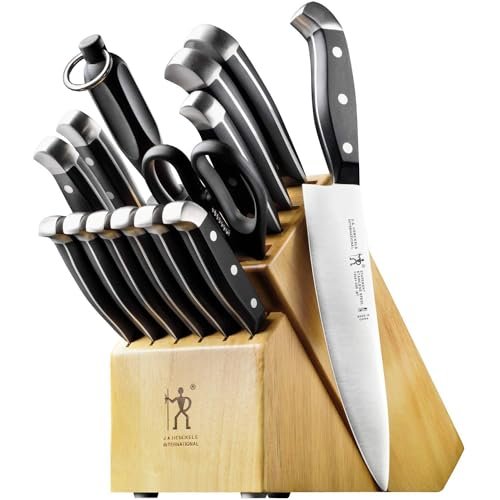
A well-chosen kitchen knife set transforms everyday prep into a smoother, safer experience. Beyond aesthetics, the right combination of blade steel, handle ergonomics, and block design determines how long the knives stay sharp, how comfortably they fit your hand, and how easily they can be maintained. This guide breaks down the factors that define quality, updates recommendations for 2026, and helps you match a set to your cooking style without getting lost in marketing jargon.
What Defines a High-Quality Knife Set
Quality starts with the blade. High‑carbon stainless steel—whether German‑engineered or Japanese‑style—provides a fine edge that resists staining and holds sharpness longer than cheaper alloys. Look for a Rockwell hardness rating (HRC) between 56 and 62; this range balances edge retention with enough toughness to avoid chipping. In practice, a blade that feels “brittle” when you tap it against a cutting board often indicates excessive hardness and a higher risk of micro‑fractures. For more on this, see our guide on kitchen hood cleaning certification online.
Handles affect control and fatigue. Pakkawood, micarta, and textured polypropylene offer a secure grip even when wet, while traditional wood handles can absorb moisture and warp over time. An ergonomic contour that follows the natural curve of your hand reduces strain during long chopping sessions, a detail many home cooks overlook until they notice wrist soreness after a weekend of meal prep.
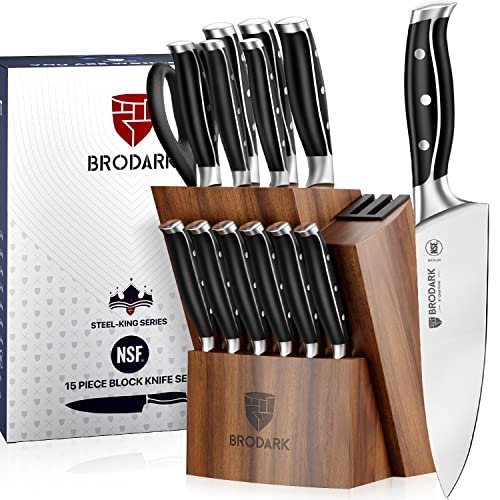
The block or storage solution is more than a display piece. A solid wood block with snug slots protects edges from dulling against each other, while a magnetic strip keeps blades visible and accessible. Some sets include a built‑in sharpener—a ceramic or steel rod housed in the block—that lets you maintain the edge with a few light strokes, eliminating the need for separate sharpening tools. For more on this, see our guide on kitchen brushes for cleaning.
Blade Materials Explained
German stainless steel (often X50CrMoV15) tends to be tougher, with a slightly softer edge that is easier to hone at home. Japanese steels such as VG‑10 or AUS‑10 achieve higher hardness, delivering a razor‑thin slice but requiring more careful sharpening to avoid chipping. Both families benefit from the addition of chromium for corrosion resistance and molybdenum for strength.
For authoritative reference on steel composition and performance, the National Institute of Standards and Technology publishes detailed datasheets on stainless steel alloys used in cutlery. You can review the latest standards here. Understanding these specs helps you compare sets beyond vague claims like “high‑carbon” or “precision‑ground.”
Handle Types and Ergonomics
Pakkawood—a resin‑impregnated hardwood—offers the warmth of wood with superior water resistance, making it a popular choice for mid‑range sets. Micarta, a composite of linen or paper soaked in phenolic resin, provides a non‑slip surface that stands up to heavy use. Polypropylene handles with over‑molded rubber inserts deliver cushioning and are often found in budget‑friendly options that still prioritize safety. For more on this, see our guide on commercial kitchen hood cleaner.
A common mistake is selecting a set solely based on look; if the handle feels bulky or the weight is unevenly distributed, you’ll compensate with awkward grip angles, increasing the risk of slips. Hold the knife (if possible) and check that the bolster‑to‑tip balance feels neutral; a blade‑heavy knife can cause wrist fatigue during repetitive tasks like mincing herbs.
Block Styles and Storage
Traditional wooden blocks keep knives upright and protect edges, but they can harbor moisture if not dried properly. Look for blocks with ventilation slots or those made from acacia or bamboo, which naturally resist warping. Magnetic strips save counter space and allow you to see each blade at a glance, though they expose the edge to occasional contact with other utensils.
Some modern sets incorporate a built‑in sharpener within the block—a ceramic rod for honing or a diamond‑coated surface for light grinding. This feature is especially useful for busy households where a separate sharpening stone might be overlooked. In practice, a few light strokes after each use keep the edge aligned, extending the time between full sharpenings.
Maintenance and Sharpening
Even the best steel loses its edge with regular use. Honing with a ceramic or steel rod realigns the microscopic teeth of the blade; do this before or after each major cooking session. When honing no longer restores sharpness, move to sharpening: a whetstone (1000‑grit for shaping, 3000‑6000‑grit for polishing) or a guided pull‑through sharpener works well for most home cooks.
Proper cleaning prolongs life. Hand wash knives with mild detergent, dry immediately, and store them in the block or on a magnetic strip. Dishwasher cycles can cause blade‑to‑blade contact and expose handles to high heat, accelerating wear. For food‑safety guidance on knife handling, the USDA’s Food Safety and Inspection Service offers clear recommendations; see their page on safe knife use here.
Top Considerations When Buying
- Blade count vs. utility: A 7‑piece set (chef’s, paring, utility, bread, santoku, boning, and kitchen shears) covers most tasks; larger sets add specialty knives you may rarely use.
- Weight preference: Heavier blades provide momentum for chopping through dense vegetables; lighter blades excel at precision work like filleting fish.
- Budget vs. longevity: Investing in a set with a full‑tang blade (metal runs the full length of the handle) often pays off in durability, whereas partial‑tang knives may loosen over time.
- Warranty: Reputable manufacturers offer lifetime guarantees against defects; check the terms before purchase.
Popular Knife Set Configurations (2026)
| Pieces | Typical Contents | Best For |
|---|---|---|
| 7‑piece | Chef’s, paring, utility, bread, santoku, boning, shears | Minimalist kitchens, everyday meals |
| 10‑piece | Adds carving, fillet, and cleaver | Entertaining, roast preparation |
| 14‑piece | Includes steak knives, additional paring, and a larger block | Family cooking, varied cuisines |
| 16‑piece+ | Adds specialized tools like tourne, tomato, and extra steak knives | Avid home chefs, professional‑style prep |
When evaluating a set, verify that each slot in the block matches the knife’s shape; mismatched slots can cause the blade to rattle, dulling the edge faster.
Care and Longevity
Regular honing, prompt drying, and proper storage are the three pillars of knife longevity. Avoid cutting on glass, stone, or ceramic boards; these surfaces accelerate edge wear. Instead, use wood, bamboo, or composite cutting boards. In practice, a well‑maintained high‑carbon stainless set can retain satisfactory sharpness for five to ten years before needing a full re‑grind, whereas lower‑carbon alloys may show noticeable dulling within a year.
If you notice discoloration or spotting on the blade, it’s often surface oxidation from moisture; a quick rub with a food‑safe mineral oil and a soft cloth restores the finish. Never use abrasive pads, as they scratch the steel and create micro‑grooves that harbor bacteria.
Frequently Asked Questions
What makes a kitchen knife set high quality?
A high‑quality set combines a durable blade alloy (high‑carbon stainless steel), a well‑balanced full‑tang construction, ergonomic handle materials, and a protective storage block or magnetic strip. Look for a Rockwell hardness between 56‑62 and a warranty that covers manufacturing defects.
Are these knife sets dishwasher safe?
Many manufacturers label their sets as dishwasher safe, but hand washing is still recommended to preserve edge integrity and prevent handle deterioration. Immediate drying after washing minimizes the risk of rust or water spots.
Why choose German or Japanese engineered knives?
German blades offer toughness and easier honing, ideal for users who prefer a forgiving edge. Japanese blades achieve higher hardness for ultra‑thin slicing but require more precise sharpening techniques. Choose based on your cutting style and maintenance willingness.
How do built‑in sharpeners work?
A built‑in sharpener is typically a ceramic or diamond‑coated rod fixed in the knife block. Drawing the blade across the rod at a consistent angle realigns the edge, providing quick maintenance between full sharpenings.
What is the advantage of high carbon stainless steel?
High carbon content increases hardness and edge retention, while chromium adds corrosion resistance. This combination yields a blade that stays sharp longer and resists staining from acidic foods.
How does the handle material affect knife performance?
Handle material influences grip security, comfort, and moisture resistance. Pakkawood and micarta provide a warm, non‑slip feel; polypropylene with rubber over‑mold adds cushioning. A handle that fits your hand reduces fatigue and improves control during extended use.
Conclusion
Choosing a high‑quality kitchen knife set is an investment in both efficiency and safety. Focus on blade steel type, handle ergonomics, block design, and maintenance features rather than brand names alone. A well‑chosen set will serve you reliably for years, making meal preparation smoother and more enjoyable. Evaluate your cooking habits, test the feel if possible, and select a configuration that matches your typical tasks—then enjoy the confidence that comes with razor‑sharp precision every time you step into the kitchen.
Matching the Right Set to Your Cooking Style
Different cooking habits call for different knife configurations. If you spend most of your time chopping vegetables for salads, soups, and stir‑fries, a set emphasizing a santoku knife and a versatile chef's knife will serve you well. Home cooks who regularly prepare whole chickens, roasts, and bone‑in meats benefit from a dedicated boning knife and carving knife in addition to the core chef's and paring knives. For those who bake often, a sharp bread knife and a small paring knife for prepping fruit and dough are essential companions.
In practice, many experienced home cooks find that a 10‑ to 14‑piece set strikes the best balance between versatility and counter space. A 16‑piece set may include tools you'll rarely reach for, while a basic 7‑piece set can feel limiting when preparing more elaborate meals. Evaluate what you actually cook weekly before deciding on size.
Budget vs. Premium: Understanding the Trade‑Offs
The premium tier—typically $200 to $600 for a complete set—delivers superior steel, precision grinding, and often includes a full‑tang construction where the blade metal extends the entire length of the handle. This design reduces the risk of the blade separating from the handle over time and provides better balance. Brands like HENCKELS have built reputations over decades for consistent quality and lifetime warranties.
Mid‑range sets ($80 to $200) often use similar steel compositions but may compromise on handle materials or include slightly fewer pieces. Budget sets (under $80) can still deliver good performance for occasional cooks, though they may dull faster and require more frequent sharpening. A common mistake is assuming that a lower price guarantees lower quality; some budget sets use high‑carbon steel that holds an edge surprisingly well but may lack corrosion resistance if not dried promptly.
For detailed insights on choosing the right tool for each kitchen task, explore our guide to keeping blades razor‑sharp through proper maintenance routines and care practices.
Professional‑Grade Features Worth Upgrading For
Even home cooks can benefit from features borrowed from professional kitchens. A bolster—the thick section where the handle meets the blade—adds weight and balance to the front end of the knife, reducing the need to grip too tightly. Full tangs, where the metal extends through the entire handle and is secured with rivets, eliminate weak points that can fail under stress.
German‑engineered knives typically feature a more pronounced bolster and a slightly heavier blade profile, which some cooks associate with better control during forceful chopping. Japanese knives often have a thinner, lighter blade suited for precise slicing with less downward pressure. Neither approach is inherently superior; the choice depends on personal preference and the types of cuts you perform most often.
Signs It's Time to Replace Your Knife Set
Quality knife sets don't last forever. Look for persistent dullness that resists honing, discoloration that indicates the steel's protective layer is failing, or a handle that has started to loosen or split. If you find yourself struggling to cut through a ripe tomato without crushing it, that's a clear sign the blade has lost its edge beyond repair.
In practice, most well‑maintained sets show noticeable decline in performance within five to seven years of regular use. Some enthusiasts choose to replace individual knives rather than the entire set, but a new set offers the advantage of uniform blade angles and a matched block. Before replacing, check whether the manufacturer offers a re‑sharpening service; this can extend the life of quality knives by several more years.
Knife Safety Best Practices
Safety should always be a top consideration when handling kitchen knives. Always cut on a stable, non‑slipping surface—a damp cloth under your cutting board can prevent shifting. Keep your fingertips curled and away from the blade; never position them directly behind the item you're slicing. A sharp knife is actually safer than a dull one, because it requires less force and is less likely to slip off the food.
Store knives in a block or magnetic strip rather than loose in a drawer. Many kitchen injuries occur when someone reaches into a drawer and grabs a blade instead of a handle. If you have children in the household, ensure the storage solution is out of reach and consider using blade guards during storage.
For additional guidance on kitchen safety and preparedness, our resource on maintaining first aid supplies covers the essentials of handling minor cuts and injuries that can occur during food preparation.
Comparing Knife Set Styles by Use Case
| Cooking Style | Recommended Knife Set Features | Pieces to Prioritize |
|---|---|---|
| Everyday home cooking | Balanced chef's knife, versatile utility knife | Chef's, paring, utility, bread |
| Baking and pastry | Precision paring knife, sharp slicing blade | Paring, utility, bread |
| Meat preparation | Dedicated boning and carving knives | Chef's, boning, carving, utility |
| Vegetarian/vegan cooking | Versatile chopping and slicing tools | Santoku, chef's, paring, utility |
| Entertaining and hosting | Complete set with steak knives | 14+ pieces with steak knife set |
| Professional‑style prep | High‑hardness Japanese steel, ergonomic handles | Chef's, santoku, boning, knife block with sharpener |
When selecting a set for a specific cooking style, don't overlook the accompanying accessories. A quality knife shears set (for cutting through poultry bones and tough packaging) and a small paring knife for detailed work round out most configurations effectively.
Where to Find More Kitchen Tool Guidance
Choosing the right knife set is just one piece of building an efficient kitchen. For more tips on organizing your prep station, maintaining your tools, and ensuring food safety, explore our collection of kitchen resources. Understanding how each element of your cooking environment works together leads to better meals and a more enjoyable experience at the stove.
Final Recommendation: Invest in a set that matches your daily cooking needs, prioritize blade steel and handle ergonomics over flashy extras, and commit to regular maintenance. The right knife set becomes an extension of your hand—sharp, reliable, and ready for whatever recipe you tackle next. Choose wisely, care for your tools, and let precision guide your next great meal.

Hi, I’m Daniel Brooks—a food lover and kitchen gear enthusiast. I enjoy testing cookware, utensils, and gadgets to see what really works in everyday cooking. At PlugChef.com, I share honest reviews, comparisons, and simple guides to help you choose the best tools for a safer, smarter, and more enjoyable kitchen.
Similar Posts