Glass Food Storage Containers Airtight: Preserve Freshness and Organize Your Pantry
Glass food storage containers with airtight lids are more than just a kitchen trend; they are a strategic tool for reducing food waste, enhancing pantry organization, and ensuring the safety of your ingredients. Unlike plastic alternatives that can warp, leach chemicals, or trap odors, high-quality glass offers a non-porous, chemically inert environment that preserves the flavor and integrity of your food. In 2026, as consumers continue to prioritize sustainability and health-conscious living, shifting to a glass-based storage system is a practical step toward a cleaner, more efficient kitchen.
This guide explores the top-performing airtight glass containers available today, ranging from microwave-safe meal prep sets to large-bulk pantry canisters. We break down the specific benefits of each material, from borosilicate durability to bamboo-sealed aesthetics, helping you select the right vessel for your specific storage needs. Whether you are meal prepping for the week or organizing a bulk-buy pantry, understanding how these containers work—and how to use them safely—will transform your food management routine. For more on this, see our guide on glass food storage containers square.
Why Airtight Glass Containers Outperform Plastic
While plastic has long been the default for food storage, glass offers superior longevity and health benefits that justify the switch. The primary advantage is chemical stability. Glass is inert, meaning it does not react with acidic foods like tomato sauce or citrus juices. In practice, this means you will never encounter the "plastic taste" transfer that occurs after storing saucy dishes in polypropylene containers.
Airtight sealing is the other critical component. A proper airtight seal excludes oxygen and moisture, the two primary drivers of spoilage for dry goods and the cause of freezer burn for frozen items. By minimizing air exposure, you extend the shelf life of spices, which lose potency quickly when exposed to oxygen, and protect pantry staples like flour and rice from pantry moths. For more on this, see our guide on martha stewart glass food storage containers.
Key Advantages of Glass
- Microwave and Oven Safety: Most modern glass containers are thermal-shock resistant, allowing you to reheat meals directly without transferring them to a different plate.
- Transparency: Clear glass allows for instant visual inventory checks, reducing the time spent opening containers to check freshness.
- Sustainability: Glass is infinitely recyclable. It does not shed microplastics into the environment or into your food over time.
- No Odor Retention: Unlike plastic, glass does not absorb strong smells like garlic or onion, keeping your kitchen and food smells neutral.
The Science of Airtight Seals: Gaskets vs. Clamp Lids
Not all "airtight" claims are created equal. Understanding the mechanics of the lid is essential for choosing the right container for your needs.
Gasket-Based Seals
Most screw-top glass containers, such as those from Rubbermaid or Vtopmart, use a rubber or silicone gasket embedded in the plastic lid. When you screw the lid on, the gasket compresses against the rim of the glass, creating a vacuum seal. For more on this, see our guide on oxo good grips food storage containers.
- Best For: Liquid foods, soups, and meal prep containers that need to be stacked or transported.
- Maintenance Tip: Check the gasket for cracks or flattening every six months. A worn gasket loses its ability to seal, leading to leaks in the fridge. Replace gaskets whenever possible to extend the life of the container.
Wire-Clamp and Bamboo Lids
Pantry canisters often utilize a wire-clamp mechanism that presses a lid tightly against the glass rim. Some newer eco-friendly designs use bamboo lids with silicone gaskets.
- Best For: Dry goods like flour, sugar, coffee, and pasta. These seals are excellent for static air exclusion but are generally not recommended for liquids due to the risk of slippage when moved.
- Aesthetic Benefit: These lids often feature neutral tones that blend seamlessly with open shelving, enhancing kitchen decor.
A bamboo-lidded glass jar offers a natural, airtight seal ideal for dry pantry staples.
Top Airtight Glass Container Reviews for 2026
The market offers several distinct categories of glass storage. Below, we analyze the top options based on durability, sealing capability, and versatility.
1. Rubbermaid Brilliance Glass: The All-Round Champion
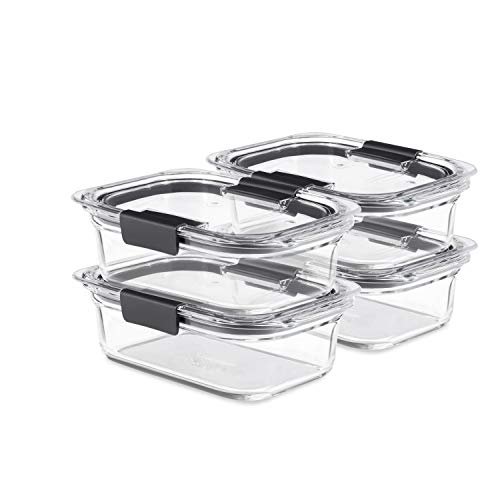
The Rubbermaid Brilliance glass series is the industry standard for a reason. It combines the safety of glass with the leak-proof reliability of a high-grade plastic gasket. This set is particularly strong for households that need containers that can handle the transition from the oven to the fridge.
Pros:
- Leak-Proof Certification: The dual-latch or screw-top mechanisms are rigorously tested to hold liquids without spilling, even when stacked upside down.
- Thermal Shock Resistance: Made from borosilicate glass, these containers can go directly from the freezer to a hot microwave without cracking.
- Dishwasher Safe Lids: The plastic components are durable enough to withstand high-heat dishwasher cycles without warping.
Cons:
- Weight: Glass is significantly heavier than plastic, which can be a factor for large families packing lunchboxes daily.
- Price: These sets are often priced at a premium compared to bulk plastic options.
View the current price and availability for the Rubbermaid Brilliance Glass Set.
2. Vtopmart 8-Pack Glass Meal Prep: Versatility for Busy Kitchens
For those who prioritize volume and multifunctionality, the Vtopmart 8-pack is a standout. These containers are designed with a focus on the "cook, freeze, reheat" workflow. The inclusion of a large number of containers in a single set makes it easier to organize a weekly meal prep schedule.
Pros:
- Full-Range Kitchen Safety: Explicitly rated for oven, microwave, freezer, and dishwasher use, eliminating the need to switch vessels.
- Airtight Freshness: The locking lids create a tight seal that preserves moisture in baked goods and keeps dry goods crisp.
- BPA-Free Assurance: Made from food-grade glass and safe plastic components, ensuring no chemical migration into food.
Cons:
- Handle Care Required: While durable, glass requires more caution than plastic when dropping or tossing into a busy fridge door.
Check the latest reviews for the Vtopmart 8-Pack Set.
3. ComSaf Airtight Canister Sets: Pantry Organization Essentials
If your goal is to declutter open shelves, the ComSaf canister sets offer a blend of utility and style. These square-shape canisters are designed to maximize corner space and align neatly on shelves. The wire-clamp fastening is a traditional method that, when maintained, provides an excellent seal for dry goods.
Pros:
- Bulk Storage Capacity: The 78oz size is ideal for storing ingredients bought in bulk, such as pasta, rice, or coffee beans.
- Visual Appeal: The clear glass allows you to monitor levels at a glance, signaling when it’s time to restock without opening the container.
- Secure Closure: The wire clamp ensures the lid stays in place, preventing accidental opening in crowded pantries.
Cons:
- Mechanical Wear: The wire clamp mechanism can loosen over years of heavy use; the hinge may require occasional tightening.
- Not for Liquids: These are strictly for dry or solid items due to the seal type.
Explore the 3-canister set here or the larger 6-canister bundle.
4. JoyJolt 24pc Borosilicate Set: The Meal Prepper’s Choice
For individuals committed to a strict meal prep routine, the JoyJolt 24-piece set offers the quantity needed to cover a week of lunches and snacks. Borosilicate glass is the gold standard for thermal stability, making these containers exceptionally durable against temperature extremes.
Pros:
- High-Volume Set: 24 containers allow for extensive batch cooking and portioning, which is key for saving time during the week.
- Stain and Odor Resistance: Borosilicate glass is non-porous, meaning it will not stain from curry powders or absorb the smell of garlic.
- Freezer Efficiency: The airtight seal prevents freezer burn, preserving the texture of fruits and vegetables stored for long periods.
Cons:
- Storage Space: A 24-piece set requires dedicated shelf space; it may be too much for a small household.
See detailed specifications for the JoyJolt 24pc Set.
Square borosilicate containers maximize fridge space and allow for easy stacking.
5. Large Capacity Jars: For Bulk Buyers
For those who shop at warehouse stores, large-capacity jars are essential. The Qianfenie 1.1-gallon jars and the CZSZYGHBAO 1-gallon jars offer the space needed for large quantities of cereal, pasta, or flour.
Why Size Matters
- Economics: Buying in bulk often saves money. Having a large airtight container ensures those savings don’t come at the cost of spoilage.
- Ease of Access: The "super wide mouth" design on jars like the Qianfenie model makes it easy to scoop out large quantities of rice or lentils without struggling with a narrow neck.
Find the wide-mouth option here or the classic large jar here.
Best Practices for Using Airtight Glass Containers
To get the most out of your investment in glass storage, follow these maintenance and usage guidelines.
Safety in the Microwave and Oven
- Remove Lids Always: Even if a lid is marked "microwave safe," heat builds up under the plastic or silicone. Always remove the lid before microwaving to prevent melting or warping.
- Avoid Thermal Shock: While borosilicate glass is resilient, going from a freezer (-18°C) directly into a hot oven (200°C+) can sometimes cause stress fractures. Allow frozen items to thaw slightly or use room temperature glass for high-heat baking.
- Inspect for Cracks: Before heating, check the rim and bottom of the glass. Small hairline cracks can expand under heat or pressure. If you see a crack, retire the container.
Maintaining the Airtight Seal
- Wash Gaskets Regularly: Silicone gaskets trap crumbs and oils. Remove them (if detachable) and wash with soapy water to ensure they maintain their flexibility and sealing power.
- Dry Thoroughly: Moisture trapped under the lid when sealing can promote mold growth on dry goods. Ensure the inside rim of the glass is bone dry before screwing or clamping the lid.
- Store Lid-Off When Not In Use: Keeping lids off between uses allows air circulation and prevents the gasket from staying compressed, which can cause it to lose its shape over time.
Organizing Your Pantry
- Label Everything: Use the chalkboard labels included with Vtopmart and ComSaf sets, or buy adhesive labels for other containers. Knowing what is inside prevents "back of the fridge" waste.
- FIFO Method: Practice "First In, First Out." Place newly purchased items behind the older ones. With transparent glass, it is easy to see which bag of flour is older and use it first.
Glass vs. Plastic: A Comparative Analysis
To help you decide which material is right for different tasks, consider this comparison:
| Feature | Airtight Glass | BPA-Free Plastic |
|---|---|---|
| Chemical Safety | Non-leaching, inert | May leach microplastics or chemicals over time |
| Weight | Heavy | Lightweight |
| Durability | Breakable, scratch-resistant | Durable, can scratch, warp, or stain |
| Heat Tolerance | High (Oven/Microwave) | Limited (Microwave only, no oven) |
| Odor Retention | None | High (Absorbs garlic, onion, etc.) |
| Cost | Higher upfront | Lower upfront |
Verdict: Use glass for pantry storage, meal prep, and reheating. Use plastic only for lightweight lunches or travel where weight is a major concern. For a comprehensive guide on safe food storage materials, you might also review our tips on healthy storage alternatives, which touches on non-toxic materials in the home.
Frequently Asked Questions
Are glass food containers microwave safe?
Yes, most modern glass food storage containers are microwave safe, particularly those made from borosilicate glass. However, you must remove the lid before microwaving. Plastic lids can warp or melt, and even microwave-safe plastic lids can trap steam and pressure, which is dangerous. Always check the manufacturer’s specific guidelines for thermal limits.
How do airtight lids prevent leaks?
Airtight lids use a combination of friction and sealing gaskets. When you screw a lid onto a glass container, the threaded ridges compress a silicone or rubber gasket against the glass rim. This creates a vacuum seal that prevents liquid from escaping and air from entering. Clamp-lid canisters use a wire mechanism to press the lid firmly against the rim, creating a similar seal suitable for dry goods.
Can I use glass containers in the oven?
Many glass containers are oven safe, but you must verify the specific rating of your set. Borosilicate glass can handle high temperatures, but tempered glass may have lower limits. Never place lids in the oven. Use glass containers directly for casseroles and baked dishes, but allow them to cool slightly before moving to the fridge to avoid thermal shock to the shelves.
What are the benefits of BPA-free containers?
While glass is inherently free of BPA (Bisphenol A), the lids on glass containers are made of plastic. BPA-free lids ensure that no BPA or related compounds leach into your food, especially when heat or acid is involved. This is crucial for health-conscious consumers who want to minimize chemical exposure in their diet. Glass containers inherently solve the BPA issue for the food-contact surface, which is the largest area of contact.
How do I clean glass containers to remove stains?
For coffee, tea, or tomato stains that won’t come off with regular soap, fill the container with water and add two tablespoons of baking soda. Let it sit for 30 minutes before scrubbing. For oils, run the container through the dishwasher on the hottest setting or soak in hot soapy water. Glass does not absorb stains into the material itself, so it usually cleans very easily compared to plastic.
Conclusion
Switching to airtight glass food storage containers is one of the most impactful changes you can make to your kitchen organization and food safety routine. From the robust meal-prep sets by JoyJolt to the stylish pantry canisters from ComSaf, there is a solution for every corner of your home. The key is to match the container to the food: use liquid-safe screw tops for soups and sauces, and clamp-top canisters for flour and coffee.
By investing in high-quality glass, you eliminate the risks of chemical leaching, reduce food waste through better preservation, and create a pantry that is both functional and visually appealing. Start by replacing your most-used plastic containers with glass equivalents, and maintain the gaskets to ensure the seal stays tight. For those looking to further organize their home and reduce clutter, check out our guide to minimalist storage solutions to find accessories that fit into tight spaces. A well-stocked, well-organized pantry is the foundation of an efficient and healthy kitchen.

Hi, I’m Daniel Brooks—a food lover and kitchen gear enthusiast. I enjoy testing cookware, utensils, and gadgets to see what really works in everyday cooking. At PlugChef.com, I share honest reviews, comparisons, and simple guides to help you choose the best tools for a safer, smarter, and more enjoyable kitchen.
Similar Posts