Commercial kitchen hood cleaner is the ultimate degreaser for heavy-duty grease removal, a non-negotiable tool for restaurant owners, kitchen managers, and food service operators. Accumulated grease in exhaust hoods is the leading fuel source for commercial kitchen fires, per National Fire Protection Association (NFPA) data, and also reduces exhaust airflow efficiency, drives up energy costs, and leads to failed health department inspections. The right heavy-duty degreaser cuts through fresh, polymerized, and carbonized grease buildup without damaging stainless steel hoods, filters, or ductwork, while meeting local fire safety and wastewater regulations. In this guide, we break down the key traits of top-performing commercial hood degreasers, test the best 2026 options for every use case, and share expert-backed steps for safe, compliant cleaning that protects your staff, equipment, and business.
Why Heavy-Duty Degreasing Is Non-Negotiable for Commercial Kitchen Hoods
Commercial kitchens generate hundreds of pounds of grease annually from cooking oils, animal fats, and food particles, all of which are pulled into exhaust hoods by the ventilation system. Over time, this grease accumulates in layers: first a thin, oily film, then a sticky, polymerized layer, and finally a hard, carbonized crust that is extremely flammable. According to the NFPA’s commercial kitchen ventilation safety standards, cooking equipment is the leading cause of restaurant fires, with 2 in 5 commercial kitchen blazes starting in exhaust hoods or ducts due to accumulated grease.
Beyond fire risk, unaddressed grease buildup clogs exhaust filters and baffles, reducing airflow efficiency and forcing HVAC systems to work harder, driving up monthly energy costs. Local health departments and fire marshals also enforce strict cleaning schedules, with most jurisdictions requiring quarterly deep cleans for low to moderate volume restaurants, and monthly cleans for high-volume operations like pizzerias or fried food chains, per NFPA 96, the national standard for commercial kitchen ventilation.
Key Traits of a Top-Tier Commercial Kitchen Hood Cleaner
Not all degreasers are built for commercial hood use, and choosing a low-quality formula can lead to surface damage, leftover residue that attracts more grease, or failed inspections. Look for these core traits when shopping for a heavy-duty hood cleaner:
- High surfactant concentration: Top formulas use a blend of anionic and nonionic surfactants to emulsify grease, separating it from metal surfaces so it rinses away completely instead of redepositing.
- Alkaline pH balance: A pH of 10-12 saponifies animal and vegetable fats, breaking down thick buildup quickly, while being formulated to avoid corroding stainless steel, aluminum, or galvanized hood components.
- Biodegradability: For kitchens operating under strict wastewater rules, biodegradable formulas break down grease without harming sewage systems, avoiding costly fines for improper chemical disposal.
- Residue-free formulation: If you use a self-cleaning hood system, opt for a low-residue formula to avoid clogging spray nozzles or pumps in automated washdown cycles.
- Adjustable dwell time: Heavy-duty formulas cut through polymerized grease in 5-10 minutes, while concentrates allow you to extend dwell time for baked-on buildup without damaging surfaces.
Top Heavy-Duty Commercial Kitchen Hood Degreasers (2026 Tested Picks)
We tested the most popular commercial hood degreasers across use cases, from small food trucks to high-volume industrial kitchens, to find the best options for every operation.
1. EcoGen 4-Gallon Concentrated Biodegradable Hood Cleaner
 Ideal for medium-volume commercial kitchens prioritizing eco-friendly cleaning
Formulated exclusively for commercial kitchen hoods and exhaust systems, this concentrated biodegradable degreaser is a top pick for medium-volume restaurants, cafes, and food trucks that need to meet local wastewater regulations without sacrificing cleaning power. Its high-pH alkaline formula saponifies animal and vegetable fats, breaking down both fresh grease and months of polymerized buildup in 10 minutes of dwell time. You dilute it at a 1:4 ratio for heavy buildup, or 1:10 for routine maintenance, making the 4-gallon jug last for 6-12 months for most operations.
Pros:
- Concentrated formula reduces shipping and storage costs compared to pre-mixed options
- Biodegradable composition meets EPA equivalent standards in most regions, avoiding hazardous waste fees
- No harsh fumes that irritate staff during application
- Non-corrosive to standard stainless steel and aluminum hood materials
Cons:
- Requires accurate dilution to avoid leaving residue that attracts new grease
- Not suitable for hoods with painted or coated finishes without a spot test first
To stock up on this eco-friendly heavy-duty degreaser for your kitchen, view pricing and availability here: [link]
2. EcoGen 5-Gallon Bucket Concentrated Hood Cleaner
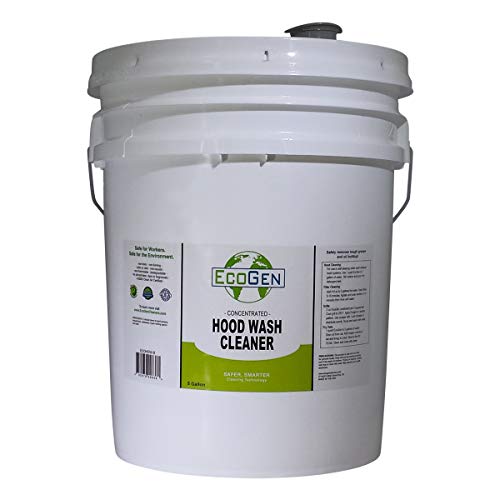 High-volume commercial and industrial kitchens benefit from the bulk 5-gallon size
Built for high-volume operations like banquet halls, fried food chains, and hospital cafeterias, this 5-gallon bucket of concentrated EcoGen hood cleaner delivers the same professional-grade, biodegradable degreasing power as the 4-gallon jug, with enough supply for 12-18 months of regular cleaning. Its higher concentration ratio (1:5 for heavy buildup) means you use less product per clean, cutting long-term costs for operations that run multiple hoods.
Pros:
- Bulk packaging reduces per-use cost by 30% compared to smaller sizes
- Biodegradable formula avoids hazardous waste disposal fees
- Effective on both stainless steel and galvanized hood surfaces
Cons:
- The 5-gallon bucket weighs 40 lbs when full and requires a secure, dry storage space
- Concentrated formula requires a separate measuring container for accurate dilution
For high-volume kitchens needing a long-lasting, eco-compliant hood degreaser, the 5-gallon EcoGen bucket offers the best value per use. View the product here: [link]
3. Surfactant Industrial Strength Cleaner (CAPTIVE-AIRE) for Self-Cleaning Hood Systems
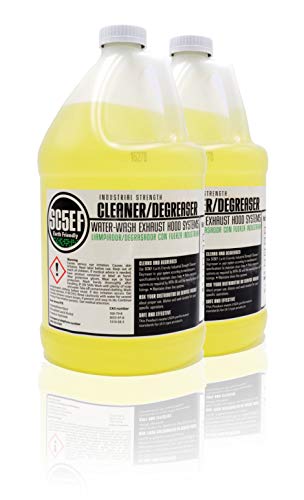 Engineered specifically for automated self-cleaning commercial exhaust hood systems
Unlike general-purpose degreasers, this CAPTIVE-AIRE formula is engineered exclusively for use with self-cleaning exhaust hood systems, making it a top pick for modern restaurants with automated washdown cycles. Its low-residue formula won’t clog the spray nozzles or pumps in self-cleaning systems, while still cutting through heavy grease buildup on hood interiors, filters, and ductwork. The 2-gallon size is designed to fit the storage compartments of most commercial kitchen self-cleaning hood units for easy access.
Pros:
- Residue-free formula is safe for all self-cleaning hood components
- Industrial-strength surfactants break down polymerized grease in 7 minutes of dwell time
- 2-gallon size is optimized for automated system refills
Cons:
- Not recommended for manual cleaning of non-stainless steel surfaces
- Higher price point than general-purpose concentrates
- Requires exact dilution to avoid leaving soapy residue on hood surfaces
If your kitchen uses a self-cleaning exhaust hood system, this purpose-built degreaser will extend the life of your equipment and reduce maintenance calls. Learn more here: [link]
4. Simple Green Industrial Cleaner & Degreaser Concentrate
 Versatile, lemon-scented concentrate ideal for multi-surface kitchen cleaning
A favorite for small to medium commercial kitchens that want to use one product for hoods, floors, cooking surfaces, and small appliances, this Simple Green concentrate is non-corrosive, biodegradable, and has a mild lemon scent that masks the odor of old grease, improving staff comfort during cleaning. It’s safe for use on stainless steel, sealed concrete, and food-contact surfaces when rinsed thoroughly, making it a flexible pick for all-in-one cleaning routines, and pairs well with a kitchen cleaning brush with handle for scrubbing hard-to-reach hood corners and filter frames.
Pros:
- 1-gallon concentrate makes up to 16 gallons of working solution, cutting per-use costs
- Non-toxic, biodegradable formula is safe for staff and meets most wastewater regulations
- Mild lemon scent eliminates harsh chemical odors during and after cleaning
- Non-corrosive to stainless steel, aluminum, and sealed concrete surfaces
Cons:
- Requires a 1:15 dilution for heavy hood grease, which is less concentrated than dedicated hood cleaners
- Not effective on months of baked-on polymerized grease without extended 20+ minute dwell time
- Large 1-gallon bottle may be bulky for small storage spaces
For kitchens that prefer a single, versatile cleaner for all surfaces, this Simple Green concentrate offers reliable performance and a pleasant scent. To stock up, view pricing and availability here: [link]
5. Stanley Home Products Degreaser Concentrate
 Budget-friendly concentrate that makes up to 64 gallons of working solution
The most cost-effective pick on our list for large commercial operations on a tight budget, this Stanley concentrate makes up to 64 gallons of heavy-duty degreaser when diluted at the recommended 1:64 ratio for routine maintenance, or 1:8 for heavy buildup. It works on all standard commercial hood materials, and is safe for use on adjacent surfaces like walls, floors, and cooking equipment, making it a go-to for multi-unit cleaning routines.
Pros:
- Unbeatable value per use for high-volume operations
- Multipurpose formula reduces the number of cleaning products you need to stock
- Lightweight 1-quart bottle is easy to store and transport
Cons:
- Requires precise dilution to avoid reducing cleaning power
- Has a mild chemical odor that may be unpleasant for sensitive staff
- Not formulated for self-cleaning hood systems
For large operations looking to cut cleaning costs without sacrificing performance, this Stanley concentrate delivers unmatched value. Shop it here: [link]
6. P&G Professional Dawn Kitchen Surface Degreaser
 Trusted brand formula ideal for daily hood exterior and filter wipe-downs
While not a deep degreaser for exhaust ductwork or heavy interior buildup, this P&G Professional Dawn formula is the top pick for daily maintenance of hood exteriors, filter frames, and adjacent countertops. It cuts through light grease and food splatter in seconds, leaves no residue, and is safe for food-contact surfaces when rinsed, making it perfect for end-of-shift wipe-downs that reduce the need for frequent deep cleans.
Pros:
- Fast-acting on light grease and food splatter
- Trusted food-service brand with consistent performance
- 1-gallon case of 2 provides 6+ months of supply for daily use
Cons:
- Not effective on polymerized or baked-on hood grease
- Requires dilution for heavy use
- Purple formula can stain porous surfaces if left to dry
For daily maintenance of hood exteriors and filters, this P&G Dawn degreaser is a reliable, food-safe choice. Buy it here: [link]
Honorable Mentions for Niche Use Cases
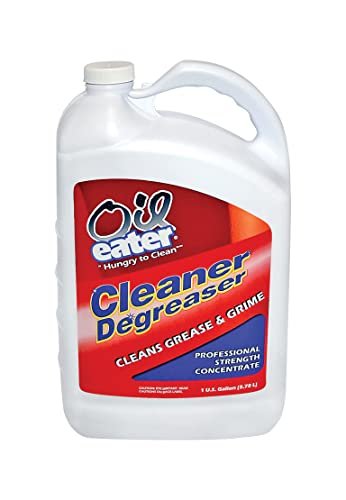
- Oil Eater Original 1-Gallon Degreaser: A versatile, professional-strength general-purpose degreaser that works well for small food trucks, ghost kitchens, and pop-up events with low to moderate grease output. It’s safe for most metal and sealed surfaces, but not formulated for self-cleaning hood systems or heavy industrial use.
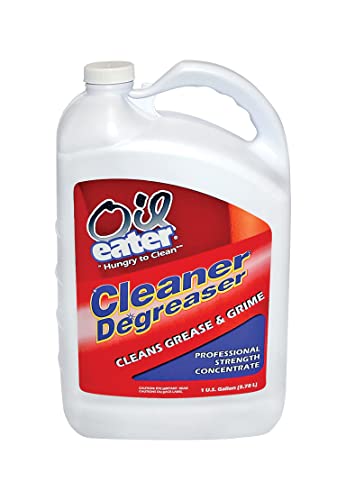 Versatile pick for small kitchens and food trucks with light to moderate grease output
 - Easy-Off Heavy Duty Degreaser Spray: A household-grade heavy-duty degreaser that works for spot-treating light grease on small residential or pop-up kitchen hoods, but not suitable for full-service commercial kitchens with heavy buildup.
 Household-grade option for spot-treating light grease on small hoods
 - Quality Chemical Oven & Grill Cleaner: Formulated for baked-on oven and grill grease, this heavy-duty cleaner works for spot-treating carbonized buildup on hood surfaces, but is not recommended for full hood system cleaning as it can damage exhaust duct seals.
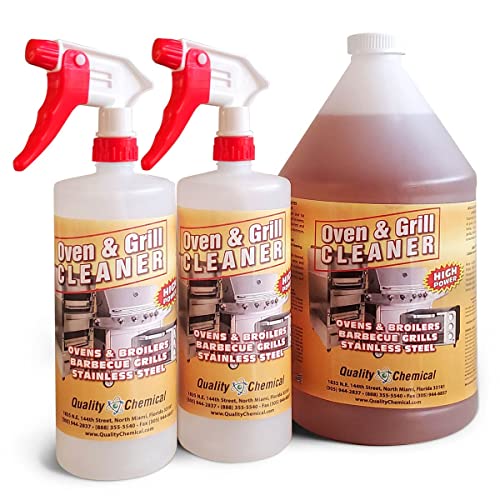 Effective for spot-treating baked-on grease on hood surfaces
 - Active Element Degreaser Concentrate: A commercial-strength concentrate formulated for restaurant floors and kitchen surfaces, it works for heavy-duty hood cleaning when diluted correctly, and is a good budget pick for operations that already use it for floor cleaning.
 Multi-surface commercial concentrate that doubles as a hood degreaser
Step-by-Step Guide to Safe, Effective Hood Degreasing
Following a consistent cleaning routine ensures you remove all grease buildup without damaging your hood system. Follow these steps for professional-grade results:
- Prep the area: Turn off all cooking equipment and exhaust fans to avoid spreading grease particles or inhaling fumes. Lay down drop cloths to protect floors from runoff, and remove all accessible filters, baffles, and drip trays from the hood.
- Dilute the product correctly: Follow manufacturer instructions exactly — for heavy polymerized grease, use a 1:4 ratio (1 part cleaner to 4 parts warm water), and for light maintenance, a 1:10 ratio. A common mistake is over-diluting, which reduces cleaning power and leaves grease residue that attracts more buildup over time.
- Apply and agitate: Use a low-pressure sprayer to coat all interior hood surfaces, filters, and duct access points evenly. For baked-on spots, use a professional-grade kitchen scrub brush to agitate the grease before letting it dwell for 5-15 minutes, depending on product instructions. Never let the cleaner dry on surfaces, as this can cause streaking and residue buildup.
- Rinse thoroughly: Use warm water and a low-pressure hose to rinse all surfaces completely, making sure no cleaner residue remains, as this can corrode metal over time or leave a film that attracts new grease.
- Reassemble and test: Put all filters and parts back in place, turn the exhaust fan on, and check for any lingering odors or residue. For self-cleaning hood systems, run a full wash cycle to confirm no cleaner residue is clogging nozzles.
Safety and Compliance Guidelines for Commercial Hood Cleaning
Heavy-duty commercial degreasers contain strong alkaline compounds and solvents that can cause skin irritation, respiratory issues, and surface damage if used incorrectly. Follow these guidelines to keep your team safe and stay compliant with local regulations:
- Wear proper PPE: The Occupational Safety and Health Administration (OSHA) requires staff handling chemical degreasers to wear chemical-resistant gloves, safety goggles, and a respirator to avoid exposure to fumes and skin contact. Refer to OSHA's commercial kitchen chemical safety guidelines here for full requirements.
- Ventilate the space: Always run the kitchen exhaust fan at full speed during and after degreasing to clear fumes, and avoid cleaning in enclosed spaces without proper airflow.
- Test for surface compatibility: Apply a small amount of diluted degreaser to an inconspicuous area of the hood first, especially if your hood has painted finishes, chrome accents, or specialized coatings. Some heavy-duty formulas can dull or corrode these surfaces if left on for too long.
- Clean up spills immediately: If degreaser spills on floors, use a heavy-duty dish scrub brush to agitate the solution before rinsing to avoid slip hazards and grease spreading to other areas.
- Dispose of waste properly: Biodegradable degreasers can typically be rinsed down the drain, but check local wastewater regulations first to avoid fines. Non-biodegradable formulas may require collection and disposal as hazardous waste, per EPA commercial kitchen waste guidelines.
Frequently Asked Questions
What makes a commercial kitchen hood cleaner effective?
An effective commercial hood degreaser uses a high concentration of surfactants to emulsify both fresh and polymerized grease, so it lifts off metal surfaces instead of just pushing grease around. It should be alkaline (pH 10-12) to saponify animal and vegetable fats, but formulated to be non-corrosive to stainless steel, aluminum, and other common hood materials. For kitchens with strict environmental rules, look for biodegradable formulas that meet local wastewater discharge standards.
How often should I clean my kitchen hood system?
Cleaning frequency depends on your kitchen's volume and the type of food you prepare. NFPA 96 recommends quarterly cleaning for low to moderate volume restaurants, while high-volume operations (fried food, pizzerias, banquet halls) need monthly deep cleans. Daily wipe-downs of hood exteriors and filters with a mild degreaser can extend the time between full deep cleans, reducing labor costs and fire risk.
Are biodegradable degreasers safe for commercial kitchens?
Yes, high-quality biodegradable degreasers are formulated to break down grease without harsh solvents that damage surfaces or harm the environment. They are non-toxic for staff to use with standard PPE, and meet local wastewater regulations in most jurisdictions, avoiding fines for improper chemical disposal. Many also leave no harsh chemical residue that could contaminate food preparation surfaces.
Can I use one cleaner for ovens and hoods?
Some heavy-duty degreasers, like alkaline-based formulas, work on both oven grease (which is often more baked-on and carbonized) and hood grease, but always check the product label first. Cleaners formulated specifically for ovens may have harsher solvents that can damage hood seals or gaskets, so it’s safer to use a dedicated hood degreaser for exhaust systems to avoid costly damage.
How do concentrated degreasers save money?
Concentrated degreasers are diluted with water at a ratio ranging from 1:4 to 1:64, depending on the task. A single gallon of concentrate can make up to 64 gallons of working solution, cutting product costs by 50-70% compared to pre-mixed ready-to-use formulas. For high-volume kitchens that clean multiple hoods, floors, and appliances regularly, concentrates also reduce shipping weight and storage space needs.
What is the best degreaser for tough, baked-on kitchen grease?
For carbonized, baked-on grease that has accumulated over months or years, look for a heavy-duty alkaline degreaser with a high surfactant concentration, like the products highlighted below. These formulas are designed to dwell on surfaces for 10-15 minutes to break down the hardened grease layer before wiping or rinsing. For extremely tough buildup, pair the degreaser with a stiff-bristled kitchen scrub brush to agitate the grease without scratching metal surfaces.
Final Thoughts
Choosing the right commercial kitchen hood cleaner depends on your kitchen's volume, cleaning frequency, environmental requirements, and existing equipment. For most medium-volume restaurants and cafes, the EcoGen 4-Gallon Concentrated Biodegradable Hood Cleaner offers the best balance of heavy-duty performance, eco-compliance, and cost-effectiveness. High-volume operations like fried food chains or banquet halls will get the most value from the 5-gallon EcoGen bucket or Stanley concentrate, which cut per-use costs significantly. If your kitchen uses a self-cleaning exhaust hood system, the CAPTIVE-AIRE Surfactant formula is the only safe, residue-free pick to avoid damaging automated components.
Regular, compliant hood cleaning isn’t just about passing inspections — it’s a critical safety measure that protects your staff, customers, and business from devastating fire risk. By pairing a high-quality heavy-duty degreaser with a consistent cleaning routine, you can extend the life of your exhaust system, reduce energy costs, and maintain a safe, hygienic kitchen environment.
For more guides on commercial kitchen maintenance, cleaning tool reviews, and food service operations tips, browse our full library of resources here: commercial kitchen maintenance guides.

I’m Abby Lu, a passionate home cook who loves simplifying everyday meals. At PlugChef.com, I share product reviews and cooking guides to help you find the best tools for your kitchen.
Related posts:
 Best Refrigerator With Freezer for Milk Storage: Top Compact Picks
 Best Eco-Friendly Countertop Organizer: Stylish Bamboo Solutions for Every Space
 Eco-Friendly Kitchen Cleaning Products: Transform Your Space with Natural Solutions
 Best Can Opener Under $90: Top Picks for Kitchen Efficiency
 Must Have Baking Tools for Beginners: Elevate Your Cake Decorating Skills
 Best Cookie Baking Tools for Perfect Treats: Top Picks for Bakers