
If you’ve wandered the grocery store meat alternative aisle lately, you’ve probably seen stacks of plant-based sausage links next to traditional pork, chicken, and beef varieties. Maybe you’ve wondered: What is plant-based sausage, actually? Does it taste good? Is it really healthier and better for the planet than regular sausage, or is it just overhyped processed food? This guide breaks down everything you need to know about plant-based sausage, from its core ingredients and production process to its health and environmental benefits, top brands, and easy ways to add it to your favorite meals. By the end, you’ll have the context you need to decide if this versatile alternative is a good fit for your diet and lifestyle.
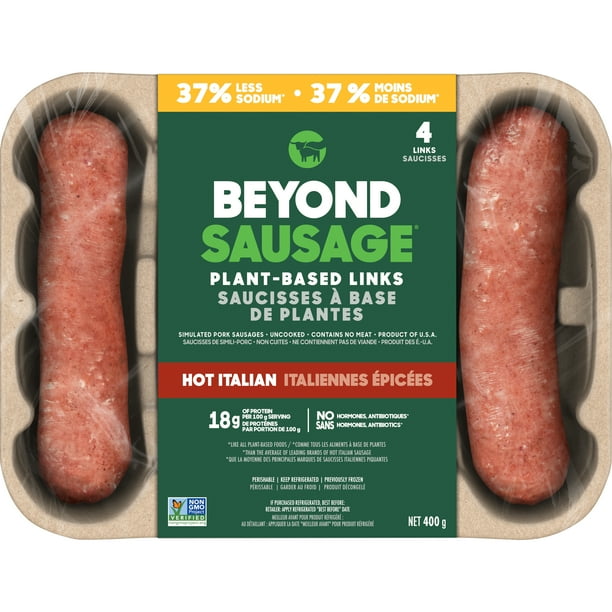 Packaged plant-based sausage links, ready for home cooking
Credit: www.walmart.ca
Packaged plant-based sausage links, ready for home cooking
Credit: www.walmart.ca
What Exactly Is Plant-Based Sausage?
Plant-based sausage is a meat alternative designed to mimic the flavor, texture, and appearance of traditional animal-based sausages, made entirely from plant-derived ingredients. It caters to vegans, vegetarians, flexitarians, and anyone looking to cut back on meat for health, ethical, or environmental reasons. Unlike older vegetarian sausage options that were dense, grain-heavy loaves, modern plant-based sausages use advanced food processing to replicate the juicy, chewy bite of real sausage, making them a nearly seamless swap for almost any recipe that calls for traditional links or crumbles.
Core Ingredients
Most plant-based sausages rely on a few key ingredient categories to achieve their signature texture and flavor:
- Plant proteins: Isolated pea, soy, fava bean, or lentil protein provide the dense, chewy structure that mimics meat, while whole-food sausages use cooked lentils, mushrooms, or quinoa for a denser, grain-forward texture.
- Fats: Coconut oil, canola oil, or sunflower oil add moisture and richness, creating the juicy bite many people associate with traditional sausage.
- Binders: Potato starch, methylcellulose, or tapioca starch hold the mixture together, preventing it from falling apart during cooking.
- Flavorings: Smoked paprika, garlic, fennel, sage, and natural liquid smoke replicate the savory, smoky taste of cured or grilled meat sausage.
- Colorants: Beet juice, carrot extract, or caramel coloring give the sausage the deep reddish-brown hue of fresh or cooked meat.
How It’s Made
The production process varies slightly by brand, but most mainstream plant-based sausages follow a standard workflow. First, plant proteins and fats are blended with water to create a dough-like base. This mixture is then seasoned with spices, herbs, and flavorings to match the taste profile of specific sausage varieties (e.g., Italian herb, chorizo, maple breakfast).
Next, the mixture is shaped into links or patties. Many large brands use an extrusion process: the protein mixture is pushed through a small opening under high pressure and heat, which creates the fibrous, stringy texture that closely mimics real meat. Artisanal brands often use a simpler mixing and molding process for a denser, grain-based texture. Casings can be made from plant-based cellulose, animal-derived collagen (not suitable for vegans), or omitted entirely for patties or crumbles.
Finally, the shaped sausages are smoked, baked, or steamed to lock in flavor and ensure food safety. Many brands also add a light pre-sear to the exterior during manufacturing, so the sausage develops a crispy crust when reheated at home. A common mistake home cooks make is poking holes in the casing before cooking, which releases the sausage’s natural juices and leads to a dry, crumbly texture – cook links whole for the best results.
Health Benefits: What the Science Says
Plant-based sausage is often marketed as a healthier alternative to traditional meat sausage, and for good reason: most varieties deliver meaningful nutritional benefits with fewer of the downsides of processed meat. That said, not all plant-based sausages are created equal, and there are a few key things to keep in mind when evaluating their health value.
Nutritional Profile
Most plant-based sausages contain 2–5 grams of dietary fiber per serving, compared to 0 grams in traditional pork or beef sausage. Fiber supports gut health, regulates blood sugar levels, and keeps you feeling full longer, making plant-based sausage a satisfying option for people managing their weight or blood sugar. Many brands also fortify their products with vitamin B12, iron, and zinc – nutrients that are often lacking in plant-based diets, making these sausages a convenient way to fill nutritional gaps without taking multiple supplements.
According to the Academy of Nutrition and Dietetics, well-planned plant-based diets are associated with lower risks of chronic conditions like heart disease and type 2 diabetes, and plant-based sausage can be a convenient way to boost your plant intake without sacrificing familiar meal formats. For people looking to reduce their saturated fat intake, swapping one serving of high-fat traditional sausage for a plant-based alternative 3–4 times a week can lead to a meaningful reduction in weekly saturated fat consumption, a change linked to improved long-term heart health markers per general dietary guidance.
Lower Saturated Fat and No Cholesterol
Traditional pork and beef sausages are high in saturated fat and contain dietary cholesterol, which can raise LDL (bad) cholesterol levels and increase heart disease risk for some people. Plant-based sausages contain little to no saturated fat (most have 1–3 grams per serving, compared to 6–10 grams in traditional sausage) and zero dietary cholesterol, since cholesterol is only found in animal products. That said, sodium content can vary widely: some products contain as little as 250mg per serving, while others have 600mg or more, so checking the nutrition label is important if you’re watching your salt intake.
Allergen-Friendly Options
Many plant-based sausages cater to people with common dietary restrictions. Gluten-free, soy-free, and nut-free varieties are widely available at most major grocery stores, making it easy for people with allergies or intolerances to enjoy sausage without worry. Always check the ingredient label and allergen statement before purchasing, as cross-contamination with common allergens can occur in shared manufacturing facilities.
Environmental Impact: A More Sustainable Protein Choice
One of the biggest drivers of plant-based sausage’s popularity is its far smaller environmental footprint compared to traditional meat sausage. Livestock production is one of the largest contributors to global greenhouse gas emissions, deforestation, and water waste, and plant-based alternatives offer a low-impact way to enjoy familiar foods without contributing to these harms.
The U.S. Environmental Protection Agency highlights that plant-based proteins generally require far fewer resources and generate lower greenhouse gas emissions than animal-derived proteins, making swaps like plant-based sausage a straightforward way to reduce your dietary environmental impact. Producing a pound of beef sausage, for example, requires roughly 20 times more land and 10 times more water than producing a pound of plant-based sausage, and generates 10–20 times more greenhouse gas emissions. For people who don’t want to cut meat out of their diet entirely, swapping even 2–3 servings of traditional sausage a week for a plant-based option can add up to a meaningful reduction in your personal carbon footprint over time.
Many plant-based sausage brands also prioritize sustainable sourcing: they use non-GMO crops, support regenerative farming practices, and package their products in recyclable or compostable materials to reduce waste. If sustainability is a top priority for you, look for brands with third-party sustainability certifications like B Corp or USDA Organic to ensure your purchase aligns with your values.
Popular Brands and What to Look for When Buying
The plant-based sausage market has exploded in recent years, with options available for every taste preference, dietary need, and budget. When shopping, look for products with short, recognizable ingredient lists if you prefer minimally processed options, and prioritize brands that use natural smoke flavoring rather than excessive salt for seasoning.
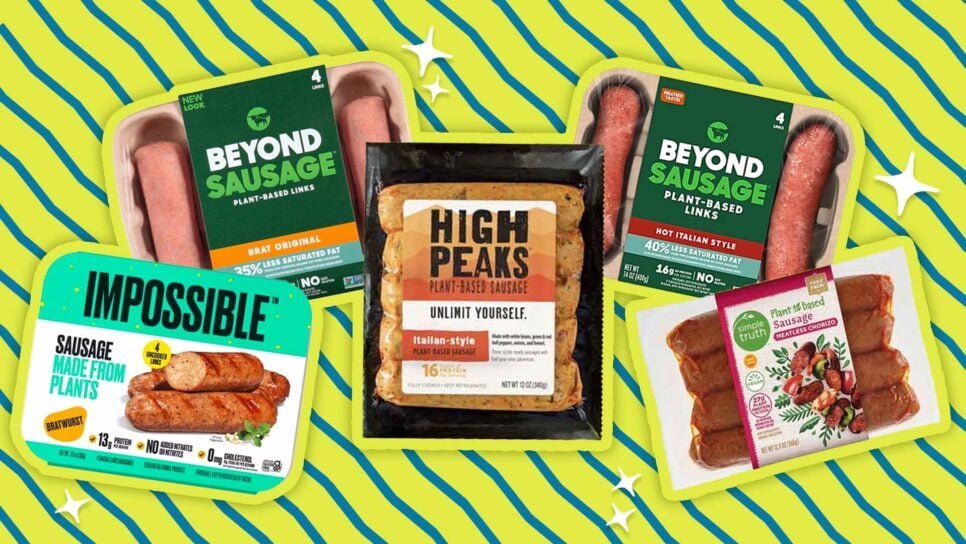
 Variety of plant-based sausage products available on grocery store shelves
Credit: www.gianteagle.com
Variety of plant-based sausage products available on grocery store shelves
Credit: www.gianteagle.com
Top Market Choices
- Beyond Meat: One of the most widely available brands, Beyond Meat sausages use isolated pea protein to replicate the juicy, meaty texture of traditional pork or beef sausage. They’re sold in the refrigerated section of most major grocery stores and come in classic, spicy, and breakfast varieties.
- Field Roast: An artisanal brand known for its grain-based, chewy sausages with smoky, complex flavor. Their offerings include Italian herb, mushroom and apple, and chorizo styles, and they’re widely available at health food stores and specialty markets.
- Tofurky: A long-standing plant-based brand, Tofurky sausages blend tofu and wheat protein for a firm, dense texture. They offer a wide range of flavors, including smoked apple and maple, and most varieties are certified organic and non-GMO.
- Lightlife: A budget-friendly option with simple, clean ingredients, Lightlife sausages are widely available at Walmart, Target, and most mainstream grocery stores. Their mild, kid-friendly flavors make them a great pick for families new to plant-based eating.
- MorningStar Farms: A classic vegetarian brand, MorningStar Farms sausages are often sold frozen and come in a wide range of flavors, including classic breakfast links and Italian style. They’re a great pick for people looking for an affordable, easy-to-find option.
Where to Buy
Plant-based sausages are available at nearly every major grocery store, including Walmart, Kroger, Whole Foods, and Aldi. Health food stores and specialty co-ops often carry a wider selection of organic and artisanal options, while online retailers like Amazon and brand websites offer convenient home delivery for harder-to-find varieties. Many fast-casual restaurants and food trucks also serve plant-based sausage sandwiches, wraps, and bowls, so you can test out options before buying a full package for home cooking.
How to Cook and Use Plant-Based Sausage in Every Meal
One of the biggest perks of plant-based sausage is its versatility: it can be cooked using all the same methods as traditional sausage, and swaps in seamlessly for almost any recipe that calls for meat links or crumbles. For crisp, fresh produce to pair with your cooked sausage, use a simple trick to keep apples from browning if you’re adding crisp fruit to salads or grain bowls with your cooked sausage.
 Plant-based sausage served in a toasted bun with classic toppings
Credit: www.wholefoodsmagazine.com
Plant-based sausage served in a toasted bun with classic toppings
Credit: www.wholefoodsmagazine.com
Cooking Tips for Best Results
- Pan-frying: Heat a small amount of oil in a skillet over medium heat, and cook whole links for 4–5 minutes per side, turning occasionally, until the exterior is crispy and the interior is heated through. If you’re using a non-stick pan to prevent sticking, opt for a ceramic non-stick option to avoid potential chemical leaching at high temperatures.
- Grilling: Cook links over medium heat for 6–8 minutes total, turning every 2 minutes, to get a smoky, charred exterior without burning.
- Boiling or steaming: Add links to simmering water or a steamer basket for 5–7 minutes for a softer, juicier texture, perfect for adding to soups or stews.
- Oven baking: Place links on a baking sheet and bake at 400°F (200°C) for 12–15 minutes, flipping halfway through, for a hands-off, low-mess cooking method.
A common mistake when cooking plant-based sausage is poking holes in the casing before cooking, which releases the sausage’s natural juices and leads to a dry, crumbly texture. After cooking, let the sausage rest for 1–2 minutes to let the juices redistribute, just like you would with a steak or burger. If you’re used to cooking frozen bratwurst, you’ll find the process nearly identical for most plant-based links – just follow the guidelines for frozen sausage cooking to avoid undercooking.
Meal Ideas for Every Time of Day
Plant-based sausage works in almost any recipe that calls for traditional sausage, from quick weeknight dinners to weekend brunch dishes:
- Breakfast: Slice maple breakfast-style plant-based sausage and add it to a breakfast sandwich with a fried egg, cheddar, and spinach on a toasted English muffin, or crumble it into a tofu scramble with bell peppers and onions.
- Lunch: Toss grilled Italian herb plant-based sausage with roasted broccoli, cherry tomatoes, and quinoa for a hearty grain bowl, or slice it and add to a sub roll with roasted red peppers, marinara, and melted vegan mozzarella. For a fast, hands-off dinner, add sliced plant-based sausage to a simple vegetarian slow cooker recipe for a protein boost without extra prep work.
- Dinner: Use crumbled spicy chorizo-style plant-based sausage in a chili with black beans, sweet potato, and corn for a warming weeknight meal, or add whole links to a sheet pan with potatoes, Brussels sprouts, and a drizzle of olive oil for a 30-minute hands-off dinner.
Frequently Asked Questions
What is plant-based sausage made from?
Plant-based sausage is made from a blend of plant-derived ingredients, including isolated proteins (pea, soy, fava bean), whole foods (lentils, mushrooms, quinoa), plant-based fats, binders, spices, and natural colorants. Exact ingredients vary by brand and flavor.
How does plant-based sausage taste compared to meat?
Modern plant-based sausages are designed to closely mimic the savory, smoky flavor and chewy, juicy texture of traditional meat sausage. Whole-food, grain-based varieties have a denser, more rustic texture, while isolated protein varieties are nearly indistinguishable from pork or beef sausage for many eaters. Flavor varies widely by brand and style, so it’s worth testing a few options to find one that matches your taste preferences.
Are plant-based sausages healthier than regular sausages?
In most cases, yes: plant-based sausages contain zero dietary cholesterol, less saturated fat, and more fiber than traditional pork or beef sausages. That said, some processed varieties are high in sodium and contain artificial preservatives, so checking the nutrition label is always a good idea if you’re prioritizing whole, minimally processed foods.
Are plant-based sausages suitable for people with soy allergies?
Yes, many brands offer soy-free options made with pea protein, lentil protein, or fava bean protein. Always check the ingredient label and allergen statement before purchasing, as cross-contamination with soy can occur in shared manufacturing facilities.
Do plant-based sausages need to be cooked before eating?
Most commercial plant-based sausages are pre-cooked during manufacturing, but we recommend heating them to an internal temperature of 165°F (74°C) before eating to ensure food safety and improve flavor and texture. Always follow the cooking instructions on the product packaging for best results.
Conclusion
Plant-based sausage has evolved far beyond the dry, bland vegetarian options available a decade ago. Today’s varieties deliver the savory, juicy flavor and satisfying texture of traditional sausage, with the added benefits of lower saturated fat, no cholesterol, and a far smaller environmental footprint. Whether you’re fully vegan, looking to cut back on meat for health or sustainability reasons, or just curious to try something new, plant-based sausage is a flexible, easy-to-use ingredient that fits into almost any meal.
Ready to give it a try? Pick up a pack of your preferred flavor at your local grocery store this week, and test it in one of your go-to recipes – you might be surprised at how seamlessly it swaps in for traditional meat. For more easy plant-based meal ideas, explore our collection of simple vegetarian slow cooker recipes for quick, hands-off weeknight dinners.

Hi, I’m Daniel Brooks—a food lover and kitchen gear enthusiast. I enjoy testing cookware, utensils, and gadgets to see what really works in everyday cooking. At PlugChef.com, I share honest reviews, comparisons, and simple guides to help you choose the best tools for a safer, smarter, and more enjoyable kitchen.
Related posts:
 How to Make a Fruit Basket for a Gift: Easy DIY Guide
 Cord Organizer for Kitchen Appliances: Tidy Up Effortlessly
 A Passive System-Dependent Recovery Process: Boost Appliance Lifespan
 Black Kitchen Cabinets With Black Appliances: Bold Elegance
 How to Clean Kitchen Sink Drain Naturally: Easy & Effective Tips
 Granite Sink Cleaner: The Best Way to Keep Your Sink Clean

