
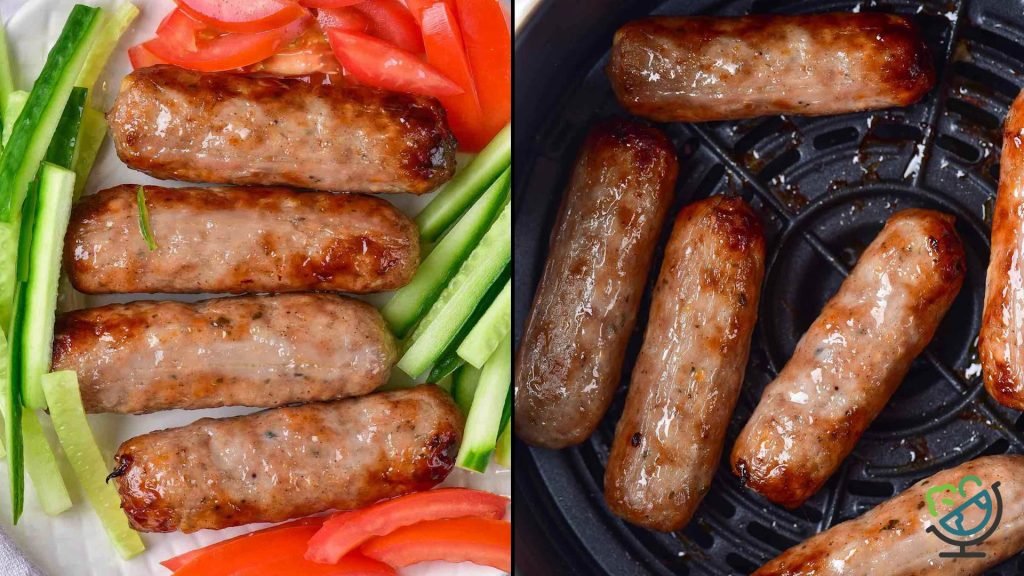
Are you craving a tasty bratwurst but only have frozen ones on hand? Don’t worry—cooking frozen bratwurst is easier than you think.
With the right steps, you can turn those frozen sausages into juicy, flavorful bites in no time. Whether you want to grill, pan-fry, or bake them, this guide will show you how to get perfect results every time. Keep reading, and you’ll discover simple tips that save you time and bring out the best taste in your bratwurst.
Your next delicious meal is just a few easy steps away!
Choosing The Right Bratwurst
Choosing the right bratwurst is key to a delicious meal. It sets the foundation for flavor and texture. There are many options available, each with unique qualities. Knowing the differences helps pick the best one for your cooking style and taste.
Types Of Bratwurst
Bratwurst varies by region and ingredients. Traditional German bratwursts include:
- Nürnberger:Small, thin, and spicy with marjoram.
- Thüringer:Larger and flavored with garlic and caraway.
- Fränkische:Mild with a fine texture.
American bratwursts often have a blend of pork and beef. Some include cheese or beer for extra taste. Choose based on your flavor preference and cooking method.
Quality Tips
Freshness matters. Look for bratwurst with a firm texture and no discoloration. Check the packaging date and avoid any with tears or leaks.
Ingredients list should be simple. Avoid bratwurst with too many preservatives or fillers. High meat content means better flavor and juiciness.
Organic or locally made bratwursts often offer higher quality. They use better meat and fewer additives. These options support local producers and provide a richer taste.
Preparing Frozen Bratwurst
Preparing frozen bratwurst properly is key for a tasty meal. It helps cook the sausage evenly and keeps it juicy. Handling frozen bratwurst with care also avoids health risks. Knowing the right thawing methods and safety steps makes cooking easier and safer.
Thawing Methods
Thawing frozen bratwurst can be done in a few safe ways. Choose the method that fits your time and tools.
- Refrigerator thawing:Place bratwurst in a container. Leave it in the fridge for 12 to 24 hours. This is the safest method.
- Cold water thawing:Seal bratwurst in a plastic bag. Submerge in cold water. Change water every 30 minutes. It takes about 1 to 2 hours.
- Microwave thawing:Use the defrost setting on your microwave. Check bratwurst often to avoid partial cooking. Cook immediately after thawing.
Safety Precautions
Handling bratwurst safely prevents foodborne illness. Follow these tips for safe preparation.
- Do not thaw bratwurst at room temperature. Bacteria grow quickly between 40°F and 140°F.
- Always wash your hands before and after handling raw sausage.
- Use separate utensils and plates for raw and cooked bratwurst.
- Cook bratwurst until the internal temperature reaches 160°F for pork or beef, 165°F for poultry.
- Store any leftover bratwurst in the refrigerator within two hours of cooking.
Cooking Techniques
Frozen bratwurst cooks best when thawed slowly or cooked directly from frozen on low heat. Simmering in water before grilling keeps them juicy and tender. Avoid high heat to prevent splitting and uneven cooking.
Cooking frozen bratwurst can be simple and delicious. Different techniques offer various textures and flavors. Whether you like grilling, pan-frying, oven baking, or boiling, each method provides unique results. Let’s explore these techniques to make your frozen bratwurst tasty and satisfying.Grilling Frozen Bratwurst
Grilling gives bratwurst a smoky flavor. Preheat your grill to medium heat. Place the frozen bratwurst on the grill. Turn them every 5 minutes to cook evenly. Grill for about 20 to 25 minutes. Ensure they reach an internal temperature of 160°F. Enjoy them with your favorite sides.Pan-frying Tips
Pan-frying offers a crispy texture. Use a heavy pan and heat some oil over medium heat. Add the frozen bratwurst to the pan. Cook them for 5 minutes on each side. Reduce the heat to low. Cover the pan and cook for 10 more minutes. Check the internal temperature to ensure it’s 160°F.Oven Baking Method
Oven baking is convenient and hands-off. Preheat your oven to 400°F. Place the frozen bratwurst on a baking sheet. Bake them for 25 to 30 minutes. Turn them halfway through for even cooking. Use a meat thermometer to check for 160°F inside.Boiling Before Cooking
Boiling can make bratwurst juicy. Place the frozen bratwurst in a pot. Cover them with water or broth. Bring to a boil over medium-high heat. Reduce heat and simmer for 10 minutes. Finish them on the grill or in a pan for a crispy exterior.
Credit: basicswithbails.com
Seasoning And Flavor Enhancements
Seasoning and flavor enhancements can turn simple frozen bratwurst into a mouthwatering meal. Adding the right spices or sauces brings out the sausage’s natural taste and adds exciting layers of flavor. You might think frozen bratwurst limits your options, but it actually opens up creative seasoning possibilities.
Marinades And Rubs
Marinating frozen bratwurst might seem tricky, but it works best if you partially thaw them first. A quick soak in a marinade with ingredients like beer, garlic, and mustard can give a tangy, rich flavor.
Dry rubs are another great choice. Try a blend of smoked paprika, brown sugar, black pepper, and a pinch of cayenne for a sweet and spicy kick. Rub the spices evenly over the bratwurst before cooking to get a flavorful crust.
Have you experimented with different herbs? Fresh rosemary or thyme sprinkled on top can lift the taste and make your bratwurst stand out. Don’t be afraid to mix sweet, spicy, and savory notes to find your perfect match.
Serving Suggestions
How you serve your bratwurst can highlight your seasoning efforts. Classic options like grilled onions and sauerkraut work well with smoky rubs. For a fresh twist, try serving with a crisp apple slaw or pickled jalapeños.
Buns are more than just a holder. Toasted buns with a smear of spicy mustard or herb mayo add texture and flavor contrast. Adding melted cheese, such as Swiss or cheddar, can make the meal more indulgent and satisfying.
Think about sides that complement your seasoning choices. Sweet potato fries, roasted vegetables, or even a simple green salad can balance the richness of the bratwurst. What combinations excite your palate the most?
Checking Doneness
Checking doneness is a crucial step when cooking frozen bratwurst. You want to be sure your bratwurst is fully cooked to enjoy its juicy flavor and avoid any food safety risks. Knowing exactly when your bratwurst is done can save you from overcooking or undercooking, both of which affect taste and texture.
Internal Temperature Guide
Using a meat thermometer is the most reliable way to check if your bratwurst is cooked through. Aim for an internal temperature of 160°F (71°C). This ensures the sausage is safe to eat and perfectly juicy inside.
Insert the thermometer into the thickest part of the bratwurst without touching the grill or pan. If the temperature hasn’t reached 160°F yet, give it a few more minutes and check again. Have you ever cut into a sausage too early, only to find it raw in the middle? A thermometer prevents that disappointment.
Visual Cues
Besides temperature, look for visual signs of doneness. The bratwurst’s casing should be golden brown and slightly crisp. If it looks pale or soft, it likely needs more time.
- The juices running from the bratwurst should be clear, not pink or red.
- The texture should feel firm but springy when pressed gently.
- If you slice it open, the meat inside should have no pink spots.
Remember, relying solely on color or firmness can be tricky, especially with frozen sausages. Combining visual checks with temperature readings will give you the best results every time.

Credit: easyhealthyrecipes.com
Common Mistakes To Avoid
Cooking frozen bratwurst might seem straightforward, but there are common mistakes that can easily spoil your meal. Avoiding these pitfalls ensures juicy, flavorful sausages every time. Let’s look at some key errors to watch out for while preparing frozen bratwurst.
Overcooking Issues
One of the biggest mistakes is overcooking bratwurst. Cooking too long or at too high a temperature dries out the sausage, making it tough and less enjoyable.
A good rule is to cook bratwurst gently and check their internal temperature. Aim for 160°F (71°C) to ensure they’re fully cooked but still juicy. Have you ever bitten into a dry sausage and wished you had stopped cooking sooner?
Using a meat thermometer helps avoid guesswork. Also, start cooking on medium heat, then lower it to finish slowly. This technique keeps your bratwurst tender and prevents the casing from bursting.
Handling Frozen Meat
Many try to cook frozen bratwurst directly on high heat, but this often leads to uneven cooking. The outside may char while the inside stays frozen or undercooked.
Instead, gently thaw your bratwurst or cook them slowly from frozen. For example, simmering in water before grilling can warm them through evenly without drying out.
Touching frozen meat with hot oil can cause splattering and uneven heat distribution. Have you experienced oil popping when you added frozen bratwurst to a hot pan?
Patting the sausages dry before cooking helps reduce this risk. Handling frozen bratwurst with care and patience makes a big difference in taste and safety.
Storing And Reheating Leftovers
Properly storing and reheating leftover bratwurst keeps its flavor fresh. It also ensures food safety for your next meal. Follow these simple tips to enjoy your bratwurst again without losing taste or texture.
Proper Storage Tips
- Cool bratwurst completely before storing in the fridge.
- Use an airtight container or wrap tightly with plastic wrap.
- Label the container with the date for easy tracking.
- Store in the refrigerator for up to 3-4 days.
- For longer storage, freeze leftovers in freezer-safe bags.
- Frozen bratwurst can last up to 2 months without losing quality.
Reheating Techniques
- Thaw frozen bratwurst in the fridge overnight before reheating.
- Heat on medium-low in a skillet with a little oil.
- Use a microwave-safe dish and cover to keep moisture in.
- Microwave in short bursts, turning bratwurst for even heating.
- Oven reheating at 350°F (175°C) for 10-15 minutes works well.
- Avoid overheating to prevent dry or tough bratwurst.

Credit: easyhealthyrecipes.com
Frequently Asked Questions
How Do You Cook Frozen Bratwurst Safely?
To cook frozen bratwurst safely, thaw them in the fridge overnight or use the defrost setting on your microwave. Cook immediately after thawing. This prevents bacteria growth and ensures even cooking.
Can You Grill Bratwurst Directly From Frozen?
Grilling bratwurst from frozen is possible but not recommended. It can cook unevenly. Thaw first for best flavor and texture.
What Is The Best Method To Cook Frozen Bratwurst?
The best method is to simmer frozen bratwurst in beer or water first. Then finish on the grill or pan for a crispy exterior.
How Long Does It Take To Cook Frozen Bratwurst?
Cooking frozen bratwurst takes about 20-25 minutes. Simmer first for 10-15 minutes, then grill or pan-fry for 5-10 minutes until browned.
Conclusion
Cooking frozen bratwurst is simple and quick with the right steps. Always thaw or cook them slowly to keep the flavor and texture. Use a pan, grill, or oven to cook them evenly. Serve with your favorite sides for a tasty meal.
Enjoy the juicy taste without any hassle. Now you can make delicious bratwurst anytime, even from frozen. Give it a try and enjoy your meal!

Hi, I’m Daniel Brooks—a food lover and kitchen gear enthusiast. I enjoy testing cookware, utensils, and gadgets to see what really works in everyday cooking. At PlugChef.com, I share honest reviews, comparisons, and simple guides to help you choose the best tools for a safer, smarter, and more enjoyable kitchen.
Related posts:
 What Type of Cooking Utensils are Safe: Expert Picks
 What Innovations Could Blenders Make: Unleashing Future Tech
 Smart Strategies to Organize a Small Kitchen: Maximize Space
 How to Organize a Kitchen Cabinet: Expert Tips & Tricks
 How to Organize Kitchen Drawers: Expert Tips and Tricks
 How to Organize a Corner Kitchen Cupboard: Expert Tips

