Is Olive Wood Good for Cooking Utensils: The Ultimate 2026 Guide
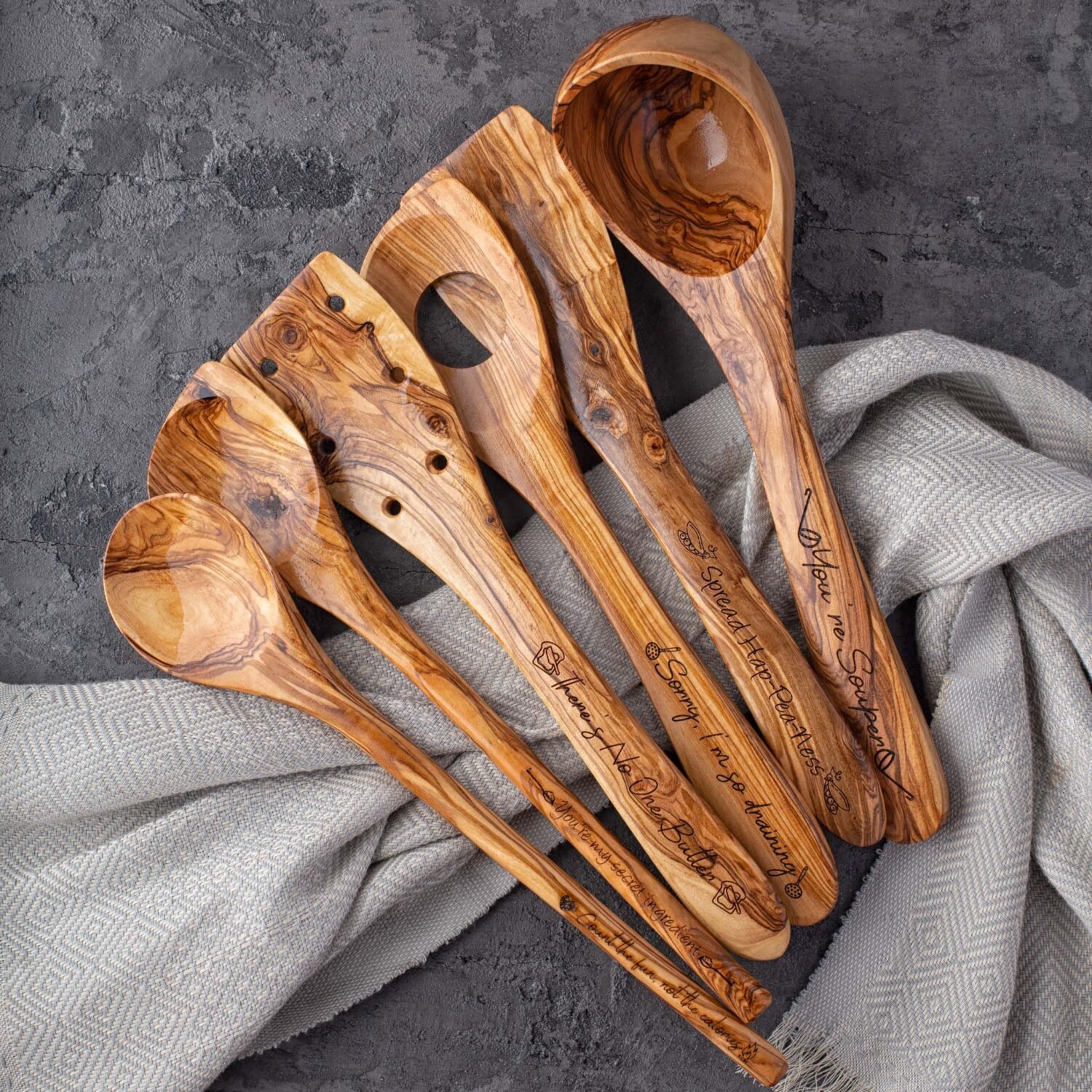
Olive wood has transitioned from a niche artisanal curiosity to a staple in high-end and home kitchens alike. While plastic and metal have dominated culinary tools for decades, the shift toward sustainable, natural materials is driving renewed interest in hardwoods. But is the hype justified?
In practice, olive wood (Olea europaea) offers a distinct advantage: it is dense, stable, and naturally resistant to moisture and bacteria. For home cooks and professional chefs alike, this translates into utensils that last for generations rather than years. However, like any natural material, it requires specific care to prevent warping or cracking. This guide breaks down the physics of the wood, compares it against modern alternatives, and provides a clear maintenance protocol to ensure your investment remains safe and functional.
The Science Behind Olive Wood’s Performance
To understand why olive wood outperforms many other hardwoods, we must look at its cellular structure. It is not just "hard"; it is exceptionally dense and oily.
Density and Janka Hardness
Olive wood registers high on the Janka scale, a measure of wood hardness used by engineers and builders. While exact values vary based on the region the tree was grown, olive wood is significantly harder than softwoods like pine or even bamboo. This density means the surface resists denting from metal spatulas or heavy ingredients.
Natural Oils and Moisture Resistance
Unlike oak or maple, olive wood contains a high concentration of natural phenolic oils. These oils act as a barrier against water absorption. In practice, this means an olive wood spoon is less likely to swell, warp, or split after being rinsed with water, provided it is dried correctly. This hydrophobic quality is the primary reason it remains a top choice for kitchen environments where moisture is constant.
Thermal Insulation
Wood is a thermal insulator. When you leave a metal spoon in a boiling pot, the handle becomes dangerous to touch quickly. Olive wood conducts heat poorly, meaning the handle remains cool even when the head of the utensil is submerged in hot liquid. This makes it inherently safer for long-simmering tasks like soups or stews.
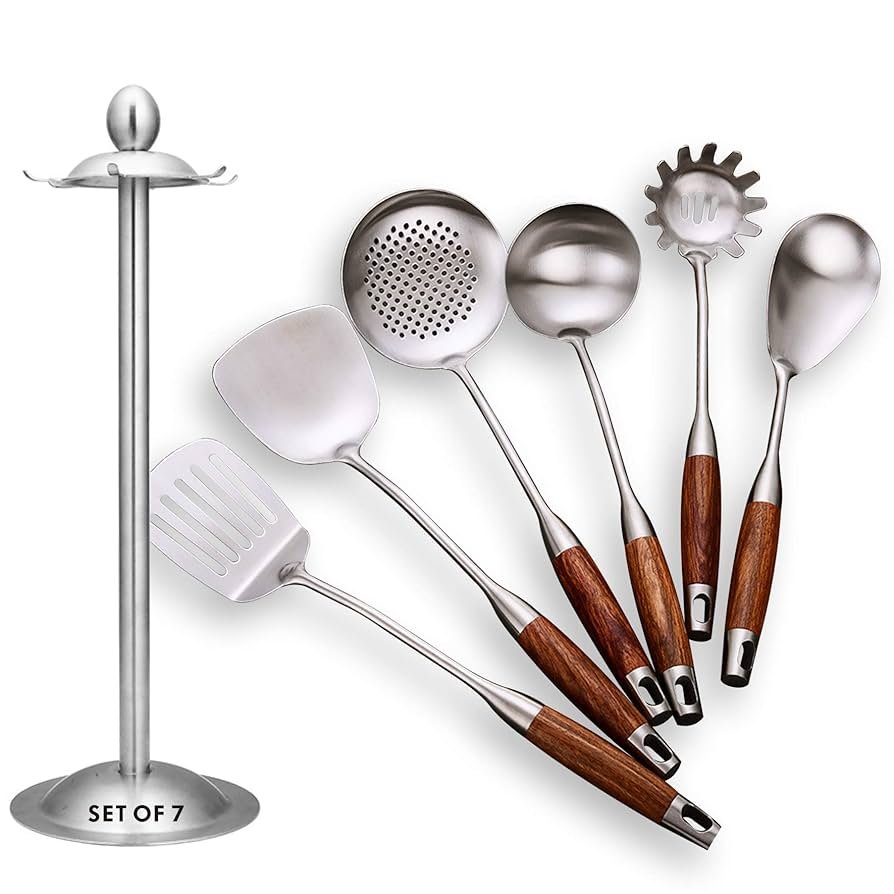
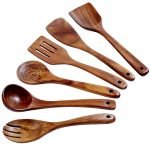
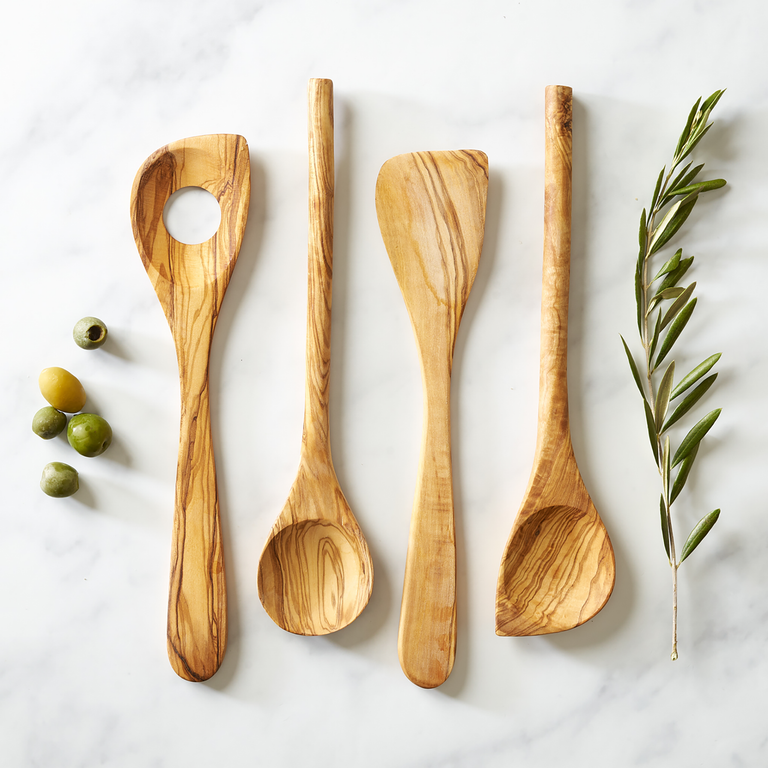 The unique grain density of olive wood is clearly visible in these hand-finished spoons, showcasing the natural variation that makes each piece unique.
Safety and Hygiene: Myth vs. Reality
A common concern regarding wooden utensils is bacterial growth. For decades, plastic was marketed as the "hygienic" choice. Modern food science has flipped this narrative on its head.
Antibacterial Properties
Research into wood antimicrobial properties suggests that many hardwoods, including olive wood, naturally inhibit the growth of certain bacteria. The wood contains natural antimicrobial compounds that create a hostile environment for pathogens like E. coli and Salmonella. While it does not make the wood "sterile," it reduces the risk of cross-contamination compared to scratched-up plastic handles, which harbor bacteria in microscopic grooves.
Leachability of Oils
A frequent question is whether the natural oils in olive wood will leach into food. The answer is no, not in a way that affects safety or flavor. The phenolic compounds are stable at cooking temperatures. However, if you are buying a finished utensil, you should verify that the manufacturer uses a food-safe finish. Avoid products treated with varnishes or lacquers that are not explicitly labeled "food-safe" or "non-toxic."
Comparison to Plastic
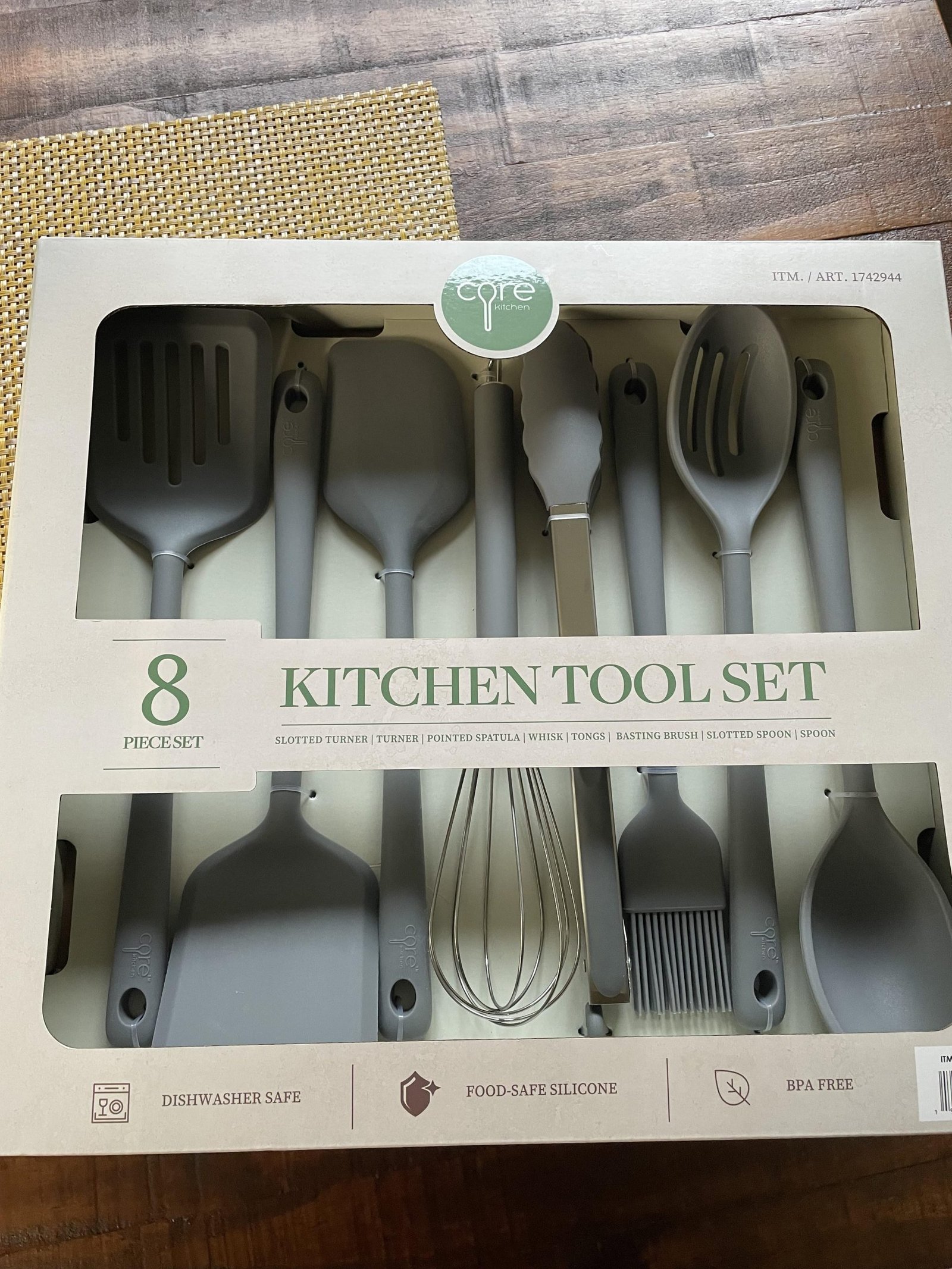
Plastic utensils are prone to micro-plastic shedding, especially when heated. Studies increasingly link high-temperature plastic use to the release of phthalates and BPA. Olive wood offers a stable, inert alternative that does not shed micro-particles into your meals.
Maintenance: How to Make Your Utensils Last Decades
The longevity of olive wood is almost entirely dependent on user care. Unlike metal or plastic, it is a living material that requires periodic attention.
The Oiling Protocol
"Oiling" is not just for aesthetics; it is structural maintenance. The natural oils in the wood can dry out over time, leading to micro-cracks.
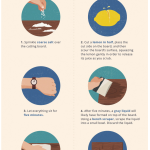
- Choose the Right Oil: Use food-grade mineral oil or a specialized wood conditioner (beeswax + mineral oil blend). Never use olive oil, walnut oil, or other vegetable oils. These oils are "drying oils" or prone to going rancid, which smells terrible and harbors bacteria.
- Frequency: Apply a thin coat every 3–6 months. If the wood looks dull or dry, increase this to every 1–2 months.
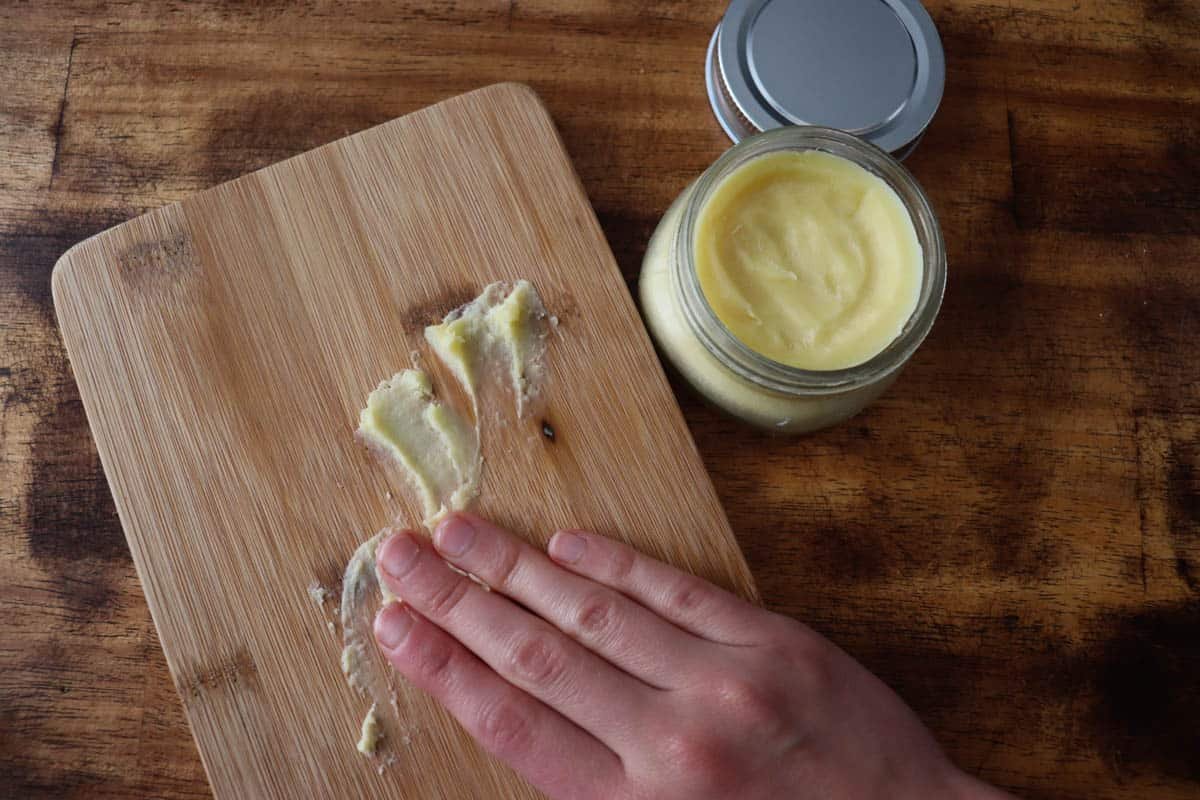
- Application: Wipe a small amount onto the surface with a clean cloth. Let it absorb for 24 hours. The wood should feel smooth, not sticky.
Cleaning Techniques
- Hand Wash Only: Rinse with warm water and mild dish soap. Soak only if absolutely necessary (e.g., to remove dried-on starch), but limit soak time to under 30 minutes.
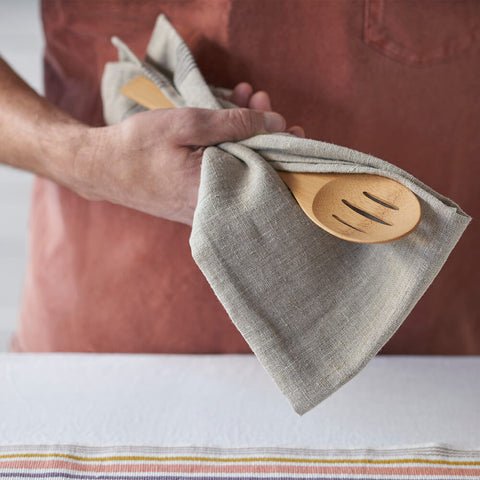
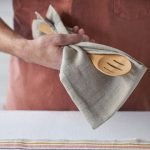
- Dry Immediately: Air-dry in a standing position or dry with a towel immediately after washing. Residual moisture is the enemy of wood.
- Avoid Dishwashers: The combination of high heat and aggressive detergents in dishwashers will strip the natural oils, causing rapid cracking and splitting. It is the fastest way to ruin a quality utensil.
For a more comprehensive look at household safety standards, you might find our guide on first aid kit refill supplies helpful, as it covers the types of non-toxic materials safe for household items.
Environmental Sustainability: The Byproduct Factor
In 2026, sustainability is a primary driver for material selection. Olive wood sits at the top of the eco-friendly hierarchy for kitchen tools.
Waste Reduction
Olive trees are pruned every two years to promote fruit production. Without pruning, the trees grow wild and produce less fruit. The pruned branches, which would otherwise be burned or discarded, are harvested for wood. Additionally, old, non-productive trees are felled and milled. This makes olive wood a circular byproduct of the olive oil industry, not a resource that requires clear-cutting.
Biodegradability
Unlike plastic, which persists for centuries, olive wood is fully biodegradable. At the end of its usable life, an olive wood utensil can be composted, returning nutrients to the soil without leaving a trace.
Carbon Footprint
The processing of olive wood is often low-tech and artisanal. Many producers use local, small-batch manufacturing, reducing the transportation emissions associated with global supply chains. If you are interested in other sustainable home essentials, explore our roundup of lightweight backpacking first aid kits which often feature similar eco-conscious material choices.
Olive Wood vs. Bamboo, Plastic, and Metal
To make an informed purchase, you need to understand how olive wood stacks up against the alternatives.
| Feature | Olive Wood | Bamboo | Plastic | Metal (Stainless) |
|---|---|---|---|---|
| Durability | High (Dense) | Moderate (Can snap) | Low (Warps/Melts) | Very High |
| Hygiene | Excellent (Antimicrobial) | Good | Poor (Harbors bacteria) | Excellent (Non-porous) |
| Weight | Heavy | Lightweight | Lightweight | Heavy |
| Heat Safety | High (Insulator) | High | Low | Low (Conductor) |
| Aesthetic | Unique Grain | Uniform/Plain | Mass-produced | Generic |
| Maintenance | Oiling required | Oiling required | Low | None |
Why Choose Olive Wood Over Bamboo?
Bamboo is technically a grass, not a wood. It grows quickly, making it highly renewable, but it lacks the density of olive wood. In practice, bamboo utensils are more likely to split down the grain under heavy stirring. Olive wood’s interlocking grain structure makes it significantly more resilient to the torque of mixing heavy batters.
Why Choose Olive Wood Over Plastic?
Plastic is the only real competitor for price. However, the "cheap" price is deceptive when you consider the lifespan. A high-quality plastic spoon may last 2 years; a well-maintained olive wood spoon can last 20+. The cost-per-use of olive wood is far lower. Furthermore, for anyone managing household safety gear, reviewing mini first aid kit for purse highlights the importance of non-toxic, durable materials in daily carry items, a principle that applies directly to kitchen tools.
Common Pitfalls and How to Avoid Them
Even with the best intentions, users can damage their olive wood utensils. Here are the most frequent mistakes:
- Using Olive Oil to Oil Wood: This is the most common error. Vegetable oils go rancid. If your spoon starts to smell like paint, you likely oiled it with walnut or olive oil. Fix: Use mineral oil exclusively.
- Leaving Wet in a Drawer: Stacking wet utensils in a closed drawer creates a humid, stagnant environment that promotes mold. Always air dry on a rack or counter.
- Exposing to Direct Flame: While olive wood is heat resistant, it is not fireproof. Do not rest a spoon on a gas burner or hold it near a grill grate. The heat source will char the wood and compromise its integrity.
- Buying "Painted" or Lacquered Items: If the underside of the utensil looks shiny and glassy, it may have a synthetic finish. Ensure the surface is matte and porous to verify it is natural wood with a food-safe oil finish.
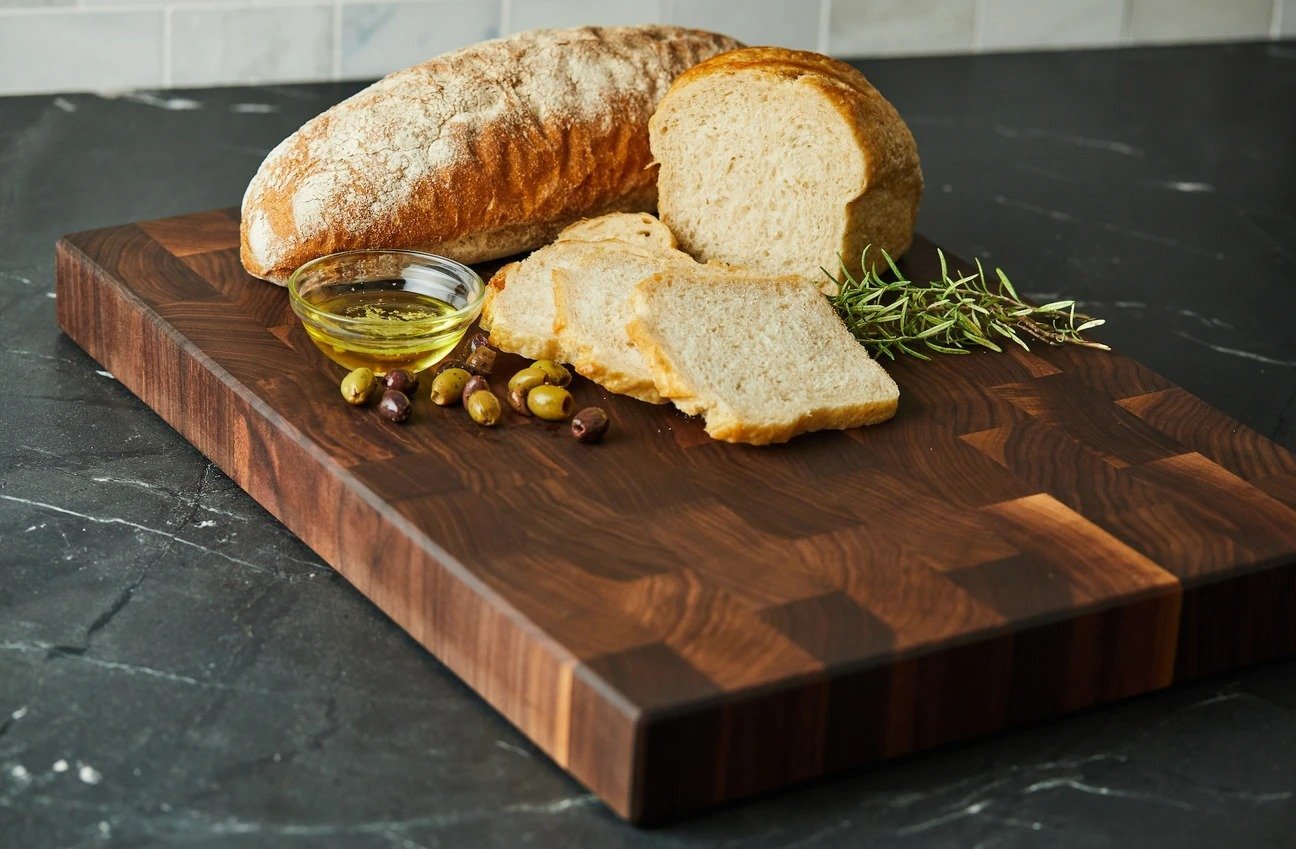
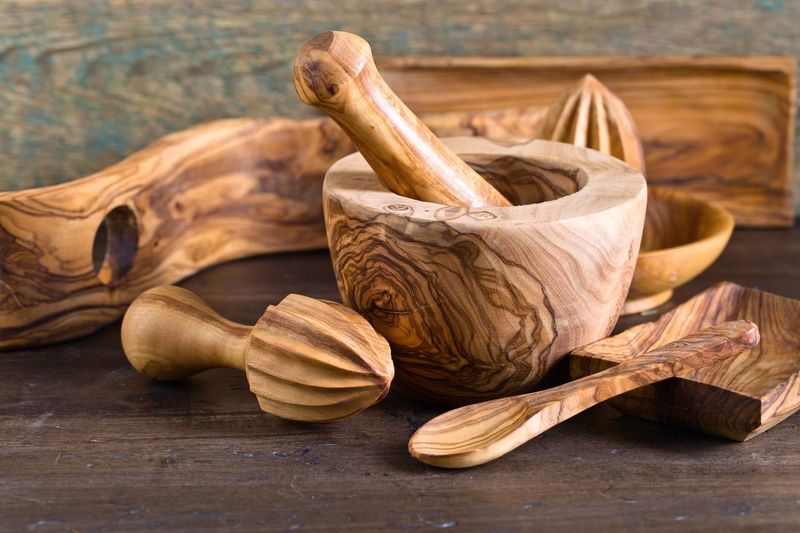 Quality craftsmanship is evident in the seamless edges and the smooth, oiled finish that protects the wood from moisture.
Who Should (and Shouldn’t) Use Olive Wood
Olive wood is not a one-size-fits-all solution. It is ideal for:
- Simmering and Stewing: The thermal insulation keeps handles cool.
- Baking and Batters: The density prevents the head from snapping when stirring thick dough.
- Grilling and Outdoor Cooking: The natural oils add flavor, and the wood is robust enough for high-heat environments (when not directly in the flame).
It is less suitable for:
- Aggressive Searing: If you prefer a metal spatula for flipping steaks at high heat, olive wood may not withstand the torque and heat as well as steel.
- Heavy Scrubbing: Do not use the utensil to scrub food off a pan. The abrasive force will wear down the wood grain. Use a separate plastic or silicone scraper for heavy cleaning.
FAQ
Is olive wood really antibacterial?
Yes, olive wood contains natural phenolic compounds that inhibit the growth of certain bacteria. While it is not a substitute for hygiene (you must still wash it), it is safer than scratched plastic surfaces which harbor pathogens in micro-grooves.
How often should I oil my olive wood utensils?
As a general rule, oil them every 3 to 6 months. However, if the wood feels dry to the touch or the color appears faded, oil it immediately. The wood will "drink" the oil more rapidly in a dry climate.
Can I put olive wood in the dishwasher?
No. The high heat and drying agents in dishwashers strip the natural oils from the wood, causing it to crack and split. Always hand wash and air dry.
What is the difference between olive wood and olive tree wood?
"Olive wood" is the common term for the wood harvested from the Olea europaea tree. It is not "olive tree wood" in a botanical distinction sense; it is simply the timber from the olive tree. Ensure you are buying from Olea europaea and not a synthetic lookalike.
Is olive wood good for grilling?
Yes, it is excellent for grilling. The wood is dense and slow-burning, making it a popular choice for smoking meats and adding a subtle, aromatic flavor to vegetables and pizzas. Ensure the pieces are untreated and dry.
Final Verdict: Is It Worth the Investment?
Olive wood is superior to plastic and bamboo for durability, thermal safety, and hygiene. It is a premium material that justifies its higher upfront cost through a lifespan that can exceed decades. The key to its performance is maintenance: never use vegetable oils, never use a dishwasher, and always air dry.
If you are ready to upgrade your kitchen tools, look for reputable brands that prioritize sustainably sourced, pruned olive wood. For a deeper dive into high-quality kitchen essentials and safety standards, check out our guide on ANSI ISEA Z308.1 first aid kits to understand how rigorous safety testing applies to household products. Investing in one high-quality set of olive wood utensils is often more economical than replacing multiple sets of cheap plastic or metal tools over a decade.

Hi, I’m Daniel Brooks—a food lover and kitchen gear enthusiast. I enjoy testing cookware, utensils, and gadgets to see what really works in everyday cooking. At PlugChef.com, I share honest reviews, comparisons, and simple guides to help you choose the best tools for a safer, smarter, and more enjoyable kitchen.
Similar Posts