
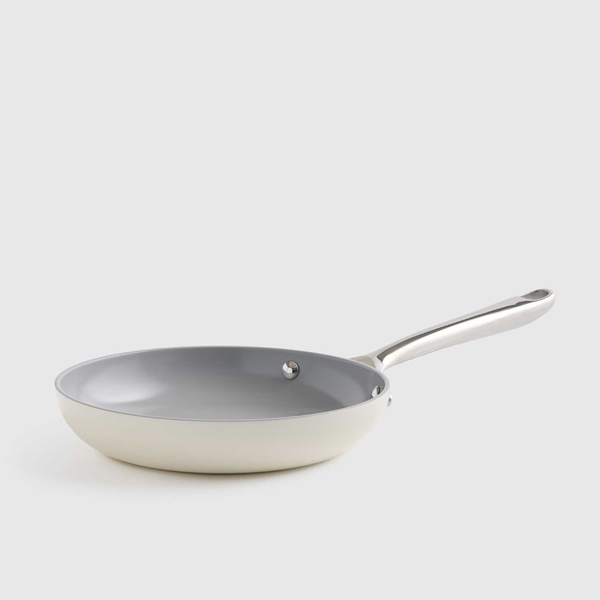
Are you tired of scrubbing stubborn food off your pans? Imagine cooking with ease and cleaning up in seconds.
That’s where ceramic non-stick cookware comes in. But what exactly is ceramic non-stick, and why should it matter to you? You’ll discover how this type of cookware can change your cooking experience, make your meals healthier, and save you time in the kitchen.
Keep reading, and you’ll learn everything you need to know to make smart choices for your kitchen.
Ceramic Non Stick Basics
Ceramic non stick cookware has grown popular for its clean and safe cooking surface. It offers a different option to traditional non stick pans. Understanding the basics helps you choose the right cookware for your kitchen.
This section explains what ceramic non stick means, how it works, and what materials are used in its making.
What Is Ceramic Non Stick?
Ceramic non stick is a type of coating on cookware. It prevents food from sticking during cooking. Unlike traditional non stick coatings, it uses a ceramic-based layer. This coating is usually free from harmful chemicals like PTFE and PFOA.
The ceramic layer gives a smooth surface that is easy to clean. It also allows cooking with less oil or butter.
How It Works
The ceramic coating creates a hard, smooth surface on the pan. This surface stops food from sticking by reducing friction. Heat spreads evenly over the ceramic layer. It helps cook food faster and more uniformly.
Because the coating is non porous, it resists stains and odors. It also withstands high cooking temperatures better than some other coatings.
Materials Used
- Silica:The main ingredient in ceramic coatings. It comes from sand and forms a glass-like surface.
- Mineral oxides:Added for strength and durability.
- Metal base:Usually aluminum or stainless steel. It supports the ceramic layer and conducts heat well.
- Non-toxic binders:Help the ceramic layer stick to the pan.
Health And Safety Benefits
Ceramic non-stick cookware offers several health and safety benefits. It provides a safer cooking experience by avoiding harmful chemicals and toxins. This cookware type supports clean cooking, which helps protect your family’s health. Understanding these benefits can help you make better choices for your kitchen.
Chemical-free Cooking
Ceramic non-stick surfaces do not contain harmful chemicals like PTFE or PFOA. These chemicals can release toxic fumes when heated. Ceramic coatings use natural minerals, making them safer for cooking. You can cook at high temperatures without worrying about harmful gases.
Non-toxic Surfaces
The ceramic coating is free from lead and cadmium. These metals can cause health problems if ingested. Ceramic pans provide a non-toxic surface that does not leach harmful substances into food. This ensures your meals stay pure and safe to eat.
Allergen-friendly Features
Ceramic cookware is easy to clean, reducing allergen buildup. It does not trap food particles like some other pans. This makes it a good choice for people with food allergies. You can avoid cross-contamination and enjoy safer meals.
Durability And Performance
Ceramic non-stick coatings have become popular for their durability and performance. These coatings offer a blend of strength and ease of use. They provide a reliable cooking surface that stands the test of time. Let’s explore their features in more detail.
Scratch And Heat Resistance
Ceramic non-stick coatings resist scratches better than traditional non-stick surfaces. They handle metal utensils with less risk of damage. This makes them ideal for everyday cooking. Also, these coatings endure high temperatures without releasing harmful fumes. Their heat resistance ensures safe and versatile cooking options.
Longevity Compared To Other Coatings
Compared to other non-stick options, ceramic coatings last longer. Their robust construction withstands regular use without wearing down. They maintain their non-stick properties over time. This longevity makes them a smart choice for cost-effective kitchenware.
Maintaining Non Stick Quality
Proper care keeps ceramic coatings non-stick. Use gentle cleaning tools to preserve the surface. Avoid harsh chemicals that can erode the coating. Simple maintenance ensures the pan stays slick and easy to clean. Regular upkeep extends the life of your cookware.
Credit: www.homehardware.ca
Choosing The Right Ceramic Cookware
Choosing the right ceramic cookware can change your cooking experience. Ceramic non-stick pans offer easy cleaning and healthier meals. Picking the best set depends on your cooking needs, budget, and durability preferences. This guide helps you find the ideal ceramic cookware for your kitchen.
Factors To Consider
- Durability: Look for scratch-resistant and chip-proof coatings.
- Heat distribution: Choose cookware that heats evenly to avoid hot spots.
- Size and weight: Select pans comfortable to handle and fit your stove.
- Oven safety: Check the maximum temperature the cookware can withstand.
- Ease of cleaning: Non-stick surfaces should clean easily without harsh scrubbing.
- Toxin-free materials: Ensure the ceramic coating is free from harmful chemicals.
Top Brands And Models
- GreenPan: Known for durable and eco-friendly ceramic coatings.
- T-fal Ceramic: Offers affordable options with good heat control.
- Cuisinart Ceramica: Balances quality and ease of use.
- WearEver Pure Living: Provides a strong non-stick surface and even heating.
- Caraway: Stylish design with natural ceramic coating.
Price Vs. Quality
Higher price often means better quality and longer lifespan. Cheap ceramic cookware may lose non-stick ability quickly. Investing in mid-range to premium brands usually offers safer coatings and better performance. Consider how often you cook and your budget. Balance cost with features that suit your cooking style.
Care And Maintenance Tips
Caring for your ceramic non-stick cookware properly can extend its life and keep it performing at its best. Small daily habits make a big difference in preserving the smooth surface and preventing damage. Let’s look at some practical tips that help you maintain your cookware easily.
Cleaning Techniques
Always wait for your ceramic pan to cool before washing it. Sudden temperature changes can cause cracking or warping. Use warm, soapy water and a soft sponge or cloth to clean the surface gently.
Avoid abrasive scrubbers or steel wool, as they can scratch the ceramic coating. If food is stuck, soak the pan in warm water for a few minutes before wiping it clean. Have you ever noticed how a gentle touch often cleans better than harsh scrubbing?
Proper Storage
Storing your ceramic non-stick cookware properly prevents scratches and chipping. Try to keep pans separate or place a soft cloth or paper towel between stacked pieces. This simple step protects the coating from rubbing against other cookware.
Also, avoid overcrowding your cabinets. Giving your pans space helps maintain their shape and surface quality. How often do you check your kitchen storage to ensure your cookware isn’t getting damaged?
Avoiding Common Mistakes
Many people use high heat on ceramic pans, thinking it speeds up cooking. However, excessive heat can damage the coating and reduce its non-stick properties. Use medium or low heat settings instead to keep your pan in good shape.
Metal utensils can also scratch the ceramic surface. Opt for wooden, silicone, or plastic tools when cooking. Have you noticed any marks or scratches after using metal spoons?
Lastly, don’t use non-stick sprays on ceramic pans. They can leave a residue that builds up over time, making the surface sticky. Instead, add a small amount of oil or butter to maintain smooth cooking without harming the coating.

Credit: www.amazon.ca
Environmental Impact
Understanding the environmental impact of ceramic non-stick cookware can help you make smarter choices for your kitchen and the planet. Unlike traditional non-stick coatings, ceramic options often promise a greener alternative. But how true is that promise when you look closely at their production, use, and disposal?
Eco-friendly Manufacturing
Ceramic non-stick coatings are generally made from natural materials like sand and minerals. This means fewer harmful chemicals are released during production compared to traditional Teflon coatings, which use PTFE and PFOA—substances linked to environmental pollution.
Many manufacturers use lower temperatures and less energy to create ceramic coatings. This reduces their carbon footprint, which is a big plus if you care about the planet. However, not all ceramic cookware is created equal, so checking for certifications or company transparency can help you pick truly eco-friendly options.
Recyclability
One challenge with ceramic non-stick cookware is its recyclability. While the metal base (usually aluminum or stainless steel) can often be recycled, the ceramic coating itself is not biodegradable or recyclable.
This means that when your ceramic cookware reaches the end of its life, it may contribute to landfill waste if not properly disposed of. You might want to consider donating or repurposing your pans before tossing them, as this extends their usefulness and reduces environmental harm.
Sustainability Compared To Other Cookware
Compared to traditional non-stick pans, ceramic cookware often lasts longer without flaking or releasing toxic fumes when overheated. This durability can reduce how often you replace your pans, lowering waste over time.
On the other hand, cast iron and stainless steel pans are also sustainable choices if you maintain them well. They don’t have chemical coatings and are fully recyclable, but they require more care and seasoning.
What matters most is balancing your cooking habits with the type of cookware you choose. Could switching to ceramic non-stick reduce your environmental footprint more than your current pans? It’s worth considering how you use and care for your cookware to make a real difference.
Common Myths And Misconceptions
Ceramic non-stick cookware often faces many myths and misconceptions. These misunderstandings can confuse buyers. Let’s clear up some common doubts about its durability, safety, and performance.
Durability Doubts
Many believe ceramic coatings wear out quickly. This is partly true if you use metal utensils or harsh cleaners. But with gentle care, ceramic non-stick pans last longer than expected. Avoid overheating the pan. Use wooden or silicone tools to protect the surface. Proper care extends the life of ceramic cookware.
Safety Concerns
Some worry ceramic non-stick coatings contain harmful chemicals. Ceramic coatings are free from PTFE and PFOA, chemicals found in traditional non-stick pans. This makes them safer for cooking. Also, ceramic surfaces do not release toxic fumes at high heat. Using ceramic cookware reduces health risks linked to some other non-stick types.
Performance Expectations
People expect ceramic pans to be non-stick like Teflon. Ceramic is non-stick but may not be as slippery at first. It improves with use. Sticking can happen if the pan is too hot or dry. Preheating and using a little oil helps food slide off easily. Ceramic heats evenly, making cooking simpler and healthier.

Credit: www.t-fal.ca
Frequently Asked Questions
What Is Ceramic Non Stick Coating?
Ceramic non stick coating is a smooth, eco-friendly surface on cookware. It prevents food from sticking without harmful chemicals. This coating is made from natural minerals and offers safe, easy cooking and cleaning.
How Does Ceramic Non Stick Differ From Traditional Non Stick?
Ceramic non stick uses inorganic minerals, while traditional coatings use PTFE or PFOA. Ceramic is more environmentally friendly and heat resistant. It also avoids toxic fumes at high temperatures, making it safer for cooking.
Are Ceramic Non Stick Pans Safe To Use?
Yes, ceramic non stick pans are safe when used correctly. They contain no harmful chemicals like PFOA or PTFE. However, avoid overheating to preserve the coating and maintain safety during cooking.
How Long Does Ceramic Non Stick Coating Last?
Ceramic non stick coatings usually last 1 to 3 years. Proper care, like gentle cleaning and avoiding metal utensils, extends their life. Over time, the coating may wear off, reducing non stick effectiveness.
Conclusion
Ceramic non-stick cookware offers a safe and easy way to cook. It uses a smooth ceramic coating that stops food from sticking. Cleaning is simple and fast. This type of cookware heats evenly and works well for many dishes. It is free from harmful chemicals often found in traditional non-stick pans.
Choosing ceramic non-stick can help you cook healthier meals with less oil. It lasts a long time if cared for properly. A smart choice for anyone wanting a reliable, easy-to-use pan. Try it and see the difference in your kitchen.

Hi, I’m Daniel Brooks—a food lover and kitchen gear enthusiast. I enjoy testing cookware, utensils, and gadgets to see what really works in everyday cooking. At PlugChef.com, I share honest reviews, comparisons, and simple guides to help you choose the best tools for a safer, smarter, and more enjoyable kitchen.
Related posts:
 What Type of Cooking Utensils are Safe: Expert Picks
 What Innovations Could Blenders Make: Unleashing Future Tech
 Smart Strategies to Organize a Small Kitchen: Maximize Space
 How to Organize a Kitchen Cabinet: Expert Tips & Tricks
 How to Organize Kitchen Drawers: Expert Tips and Tricks
 How to Organize a Corner Kitchen Cupboard: Expert Tips

