

There’s nothing more disappointing than pulling a container of pre-cut apple slices out of your lunch bag only to find they’ve turned dull, unappetizing brown by midday. Whether you’re packing snacks for your kids, prepping a fruit platter for a party, or meal prepping healthy eats for the week, apple browning is a universal frustration that makes fresh fruit look far less appealing than it should. The good news? You don’t need fancy equipment or expensive products to keep apple slices bright, crisp, and fresh-looking for hours (or even days) with simple, tested tips. In this guide, we’ll break down exactly why apples brown, share proven at-home remedies, advanced techniques, and storage hacks, plus ideas for using your perfectly fresh prepped apples in recipes.
Why Do Apples Turn Brown After Cutting?
That unappealing brown hue on cut apples isn’t a sign of spoilage — it’s a natural chemical reaction called oxidation. The primary driver of this reaction is an enzyme found in apple flesh called polyphenol oxidase (PPO). When you cut, bite, or bruise an apple, you damage its cell walls, allowing PPO to mix with phenolic compounds naturally present in the fruit. When exposed to oxygen in the air, these two compounds react to form brown pigments called melanins, which cause the discoloration you see. This reaction doesn’t affect the apple’s safety or nutritional value, but it does make pre-cut fruit look far less appetizing, especially for snacks or presentations. This process is well-documented in USDA food safety research, which notes that oxidation is the leading cause of discoloration in fresh-cut produce. Browning speed varies based on apple variety, freshness, and how the fruit is handled after cutting. Firmer, fresher apples brown more slowly than overripe or bruised ones, and minimizing air exposure is the single most effective way to slow the reaction across all varieties.
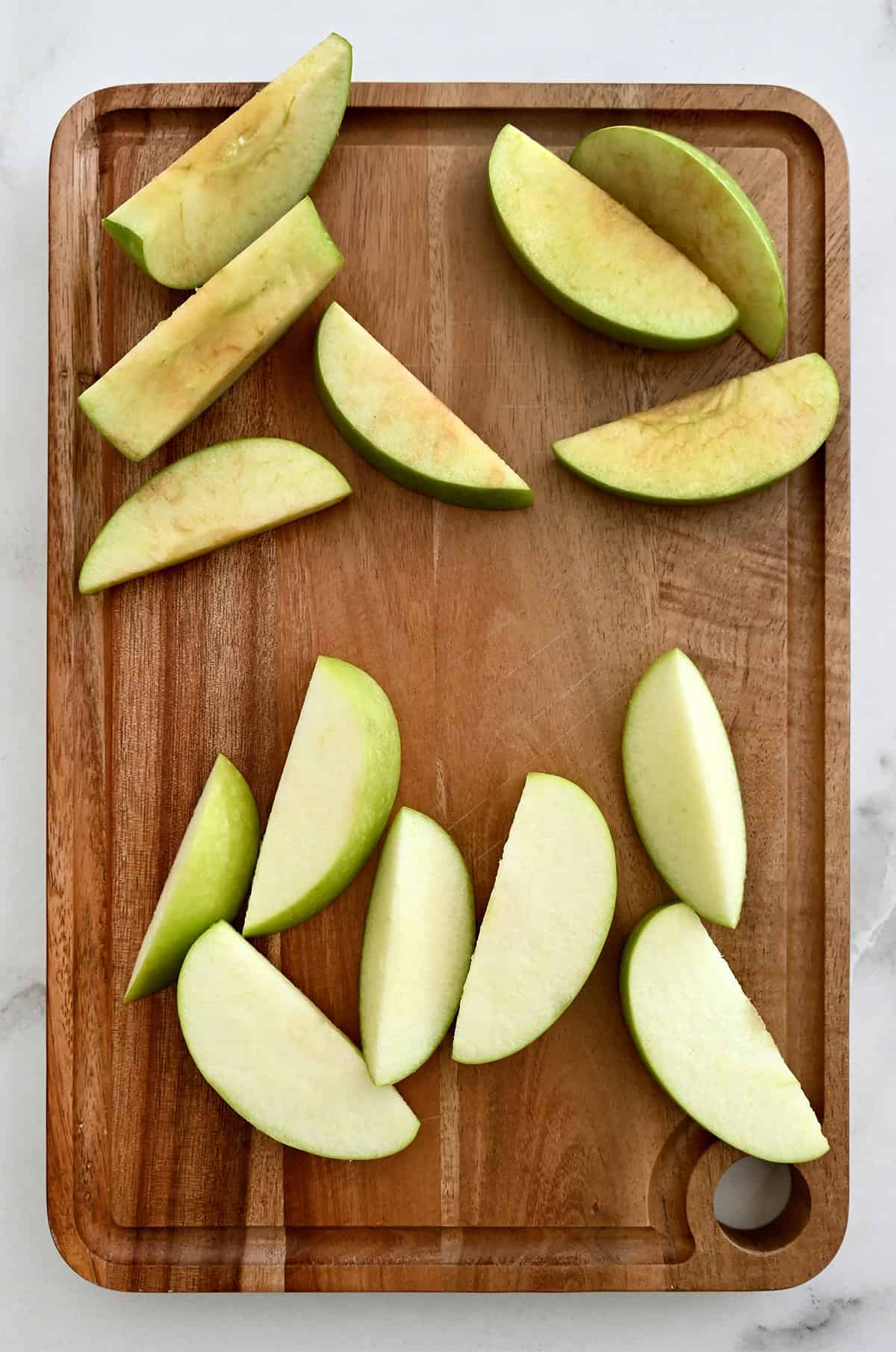 Treated apple slices (right) retain their pale, fresh color for hours longer than untreated slices (left).
Credit: www.justataste.com
Treated apple slices (right) retain their pale, fresh color for hours longer than untreated slices (left).
Credit: www.justataste.com
Choose Apple Varieties That Naturally Resist Browning
Not all apples are created equal when it comes to browning resistance. Some varieties naturally contain lower levels of PPO, or have flesh that reacts more slowly to oxygen, making them ideal for pre-cutting and meal prep. If you regularly pack apple slices for lunch or prep fruit in advance, prioritize these browning-resistant varieties:
| Apple Variety | Browning Resistance | Ideal Use Case |
|---|---|---|
| Honeycrisp | High | Raw snacks, fruit salads, lunchbox slices |
| Fuji | High | Meal prep, baking, fresh eating |
| Pink Lady | High | Fruit platters, garnishes, kid-friendly snacks |
| Ambrosia | High | Salads, fresh eating, snack packs |
| Gala | Medium-High | School lunches, on-the-go snacks |
| Granny Smith | Low | Best reserved for baking, cooking, or juicing |
| In addition to variety, freshness plays a major role in browning speed. Choose apples that are firm to the touch, with no soft spots, wrinkles, or bruises. Store whole, uncut apples in the crisper drawer of your refrigerator, where temperatures stay between 32–36°F (0–2°C) and humidity levels are higher, to keep them crisp and slow natural ripening. Avoid storing whole apples next to ethylene-sensitive produce like leafy greens, berries, or carrots, as apples release ethylene gas that speeds up spoilage in other fruits and vegetables. |
5 Proven At-Home Remedies to Stop Apple Browning
You don’t need commercial products to keep apple slices fresh — most effective browning prevention methods use ingredients you already have in your kitchen. These remedies work by either neutralizing PPO enzyme activity or creating a barrier between the apple flesh and oxygen in the air.
Lemon Juice Soak
Lemon juice is the most popular at-home browning remedy for good reason: its high citric acid content effectively neutralizes PPO activity, and its bright, tangy flavor pairs well with most apple varieties. For balanced results, mix 1 tablespoon of fresh lemon juice with 1 cup of cold water. Submerge apple slices for 30 seconds, or brush the mixture lightly over cut surfaces if you want to avoid a tangy aftertaste. A common mistake is using undiluted lemon juice, which can make apples overly tart and slightly mushy if soaked for too long. Treated slices will stay bright for 4–6 hours at room temperature, or up to 3 days in the refrigerator.
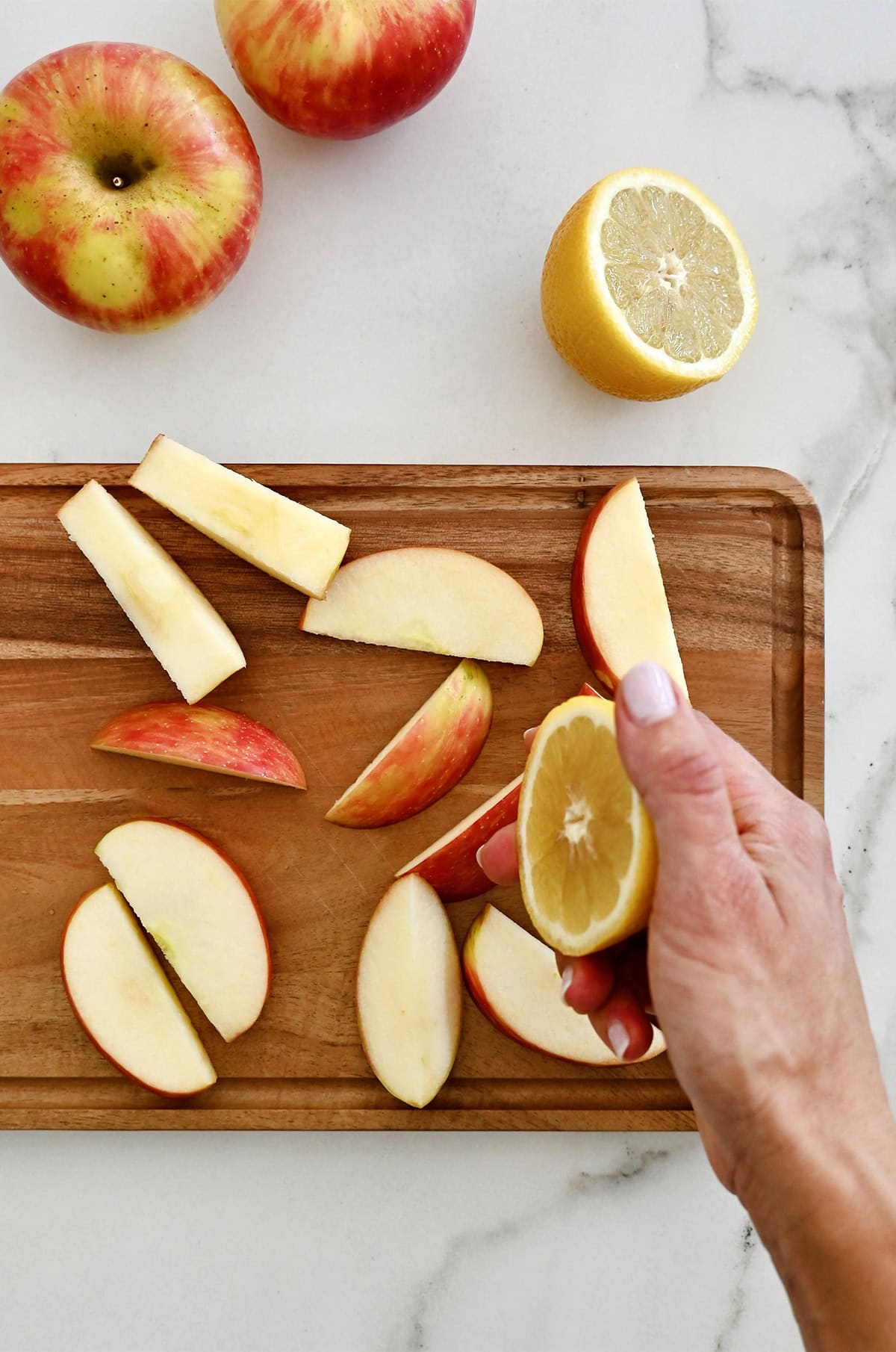 A light brush of diluted lemon juice is one of the most popular at-home browning prevention methods.
Credit: www.justataste.com
A light brush of diluted lemon juice is one of the most popular at-home browning prevention methods.
Credit: www.justataste.com
Salt Water Soak
A mild salt water solution is another highly effective option that won’t alter the apple’s natural flavor if used correctly. Mix ½ teaspoon of kosher salt into 1 cup of cold water, submerge apple slices for 3–5 minutes, then rinse thoroughly under cool running water before serving or storing. The salt inhibits PPO activity without adding a noticeable salty taste when rinsed properly. This method works well for people who dislike the tang of lemon, and keeps slices fresh for up to 5 days in the fridge when stored in an airtight container.
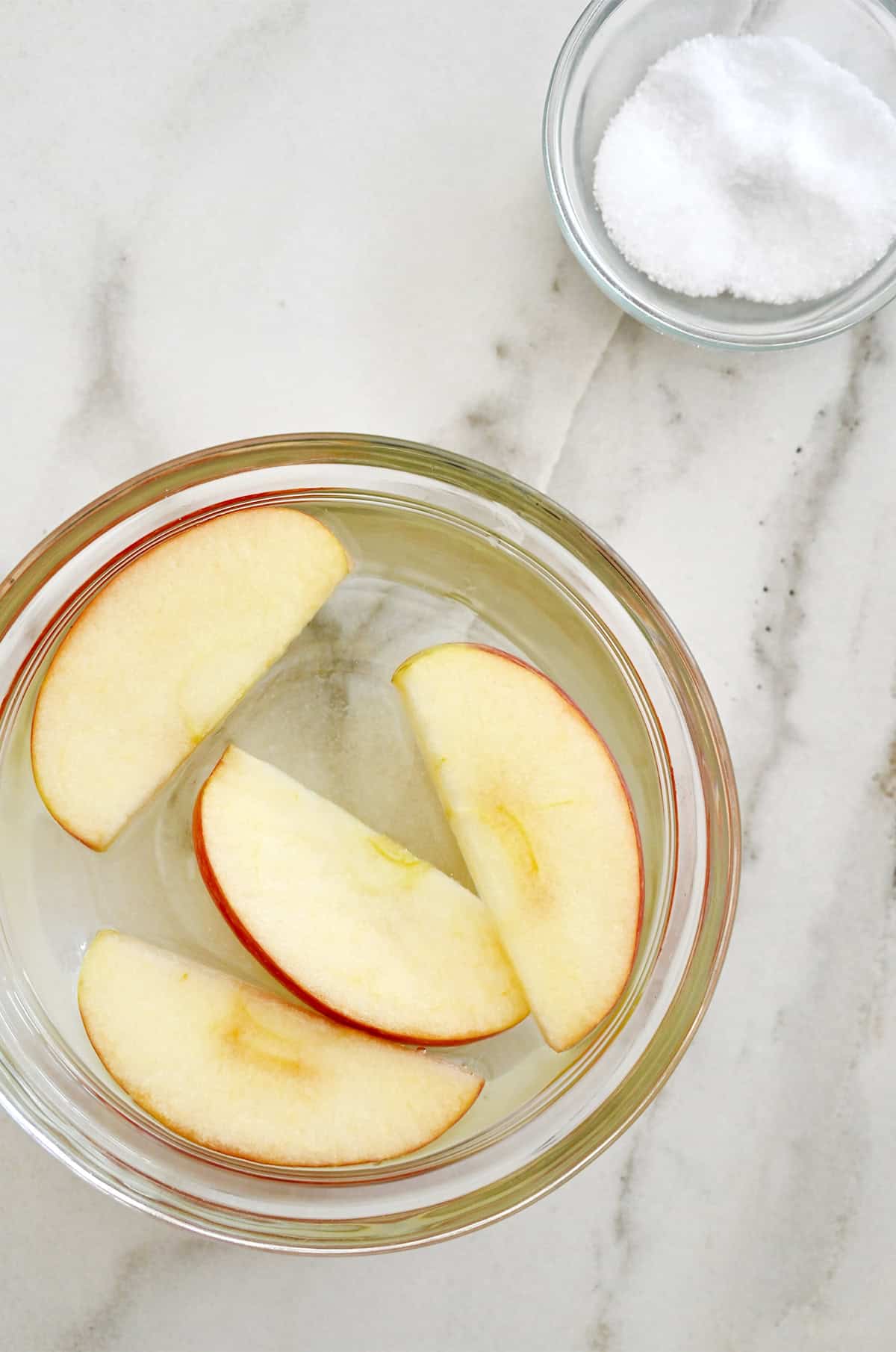 A mild salt water soak inhibits PPO enzyme activity without altering the apple's natural flavor when rinsed properly.
Credit: www.justataste.com
A mild salt water soak inhibits PPO enzyme activity without altering the apple's natural flavor when rinsed properly.
Credit: www.justataste.com
Honey Water Soak
For a subtle sweetness that appeals especially to kids, mix 2 tablespoons of raw honey into 1 cup of warm (not hot) water, then submerge apple slices for 30 seconds. Honey contains natural antioxidants that slow oxidation, and adds a mild, pleasant sweetness that pairs well with cinnamon or nut butter for snacks. This method keeps slices fresh for 3–4 hours at room temperature, or up to 4 days in the fridge.
Vitamin C Powder Soak
If you want a flavorless browning prevention option, ascorbic acid (vitamin C) powder is a great choice. Dissolve 1 teaspoon of vitamin C powder into 1 cup of cold water, submerge slices for 1–2 minutes, then pat dry before storing. This method has no impact on the apple’s natural taste, making it ideal for fruit salads, baking, or dishes where you don’t want added lemon or honey flavor. Treated slices stay fresh for up to 5 days in the fridge.
Cold Water Soak
For a completely free, no-frills option, simply submerge apple slices in a bowl of cold water, weighted down with a small plate to keep them fully immersed. This blocks oxygen from reaching the cut surfaces, slowing oxidation significantly. For extra protection, add a splash of lemon juice or a pinch of salt to the water. Change the water every 12 hours if storing for more than one day to prevent sogginess. This method keeps slices fresh for 2–3 hours at room temperature, or up to 3 days in the fridge.
Advanced Techniques for Long-Lasting Freshness
If you need apple slices to stay fresh for more than a few days, or are prepping fruit for a large event, these advanced techniques will deliver even better results.
Blanching
Blanching is a cooking technique that denatures (deactivates) the PPO enzyme entirely, making it one of the most effective long-term browning prevention methods. To blanch apple slices, bring a large pot of water to a rolling boil, submerge slices for 30 seconds, then immediately transfer them to a bowl of ice water to stop the cooking process. Pat slices completely dry before storing. Blanched slices stay fresh for up to 7 days in the fridge, and are ideal for baking, cooking, or freezing. The only downside is that blanching can slightly soften crisp raw apples, so it’s not recommended if you want crunchy raw snacks. Use a sturdy, heavy-bottomed pot for blanching, and keep it in top condition with these cookware care tips.
Anti-Browning Sprays
Commercial anti-browning sprays use food-grade ascorbic acid, citric acid, or other natural preservatives to create a thin, breathable barrier on apple flesh that blocks oxygen. Most sprays are flavorless and odorless, and work for up to 7 days when stored in the fridge. Look for sprays certified by the USDA to ensure they’re free of artificial preservatives. Sprays are ideal for meal prepping large batches of slices, or for prepping fruit for parties or events where presentation matters.
Ethylene Absorber Packets
If you store cut apples in the fridge for more than 3 days, add an ethylene absorber packet to your storage container. These small packets (often sold for produce storage) absorb excess ethylene gas released by the apples, slowing ripening and browning even further. They’re reusable and last for several months, making them a cost-effective option for regular meal preppers.
Smart Storage Tips for Cut and Whole Apples
How you store apples — both whole and cut — has a huge impact on how long they stay fresh and browning-free.
Refrigerating Whole and Cut Apples
Whole, uncut apples stay fresh longest when stored in the crisper drawer of your refrigerator, where temperatures stay consistently between 32–36°F (0–2°C) and humidity levels are high enough to prevent shriveling. Cut apple slices should always be stored in the fridge if you aren’t serving them within 2 hours, per USDA food safety guidelines. For best results, store slices in an airtight container with a dry paper towel to absorb excess moisture and prevent sogginess.
Airtight Container Storage
Oxygen is the main driver of apple browning, so blocking air exposure is key to long-lasting freshness. Reusable silicone storage bags, glass meal prep containers, or sealed plastic containers all work well for storing cut slices. If you didn’t pre-treat your slices with a browning remedy, add a splash of lemon juice or a pinch of salt to the container before sealing to add an extra layer of protection. Avoid wrapping cut apples in plastic wrap alone, as it doesn’t create a tight enough seal to block all oxygen.
Avoiding Ethylene Cross-Exposure
As mentioned earlier, apples release ethylene gas as they ripen, which speeds up browning in cut produce and spoilage in other fruits and vegetables. Store cut apples separately from ethylene-producing items like bananas, avocados, tomatoes, and peaches. This simple step can extend the freshness of your apple slices by 1–2 days. Additionally, always use clean storage containers to avoid cross-contamination with bacteria from other produce, which can speed up spoilage. For more guidance on storing fresh produce long-term, refer to University of Minnesota Extension produce storage guidelines.
How to Use Prepped Apple Slices in Your Favorite Recipes
Prepped, browning-free apple slices are a versatile ingredient that works in everything from quick snacks to savory main dishes. Here are a few of our favorite ways to use them:
Raw Snacks and Platters
Toss prepped slices with a pinch of cinnamon and a drizzle of nut butter for a quick, protein-packed snack, or arrange them on a fruit platter with grapes, cheese, and crackers for a party-ready appetizer.
Savory Pairings
Pair crisp apple slices with grilled fish or pork for a bright, refreshing contrast in summer seafood dishes. The apple’s natural sweetness cuts through rich, savory flavors, making it a perfect accompaniment to grilled meats.
Baked Goods and Casseroles
Add prepped apple slices to hearty fall casseroles like this simple sweet potato bake for a touch of natural sweetness, or use them in muffins, pies, and crumbles for a quick, no-prep shortcut.
Desserts and Drinks
Top apple slices with yogurt, granola, and a drizzle of honey for a healthy breakfast bowl, or use them as a garnish for bright, refreshing summer drinks for a pop of fresh flavor. For a decadent treat, top them with caramel, nuts, and a scoop of ice cream for a classic decadent dessert topping. If you’re short on time, prepped apple slices are also a great addition to quick weeknight meals like these quick weeknight recipes for a boost of fresh produce.
Frequently Asked Questions
Why do apples turn brown after cutting?
Apple browning is caused by oxidation: when apple flesh is cut or bruised, the enzyme polyphenol oxidase (PPO) mixes with phenolic compounds in the fruit and reacts with oxygen in the air to form brown melanin pigments.
Can you eat brown apples?
Yes, brown apples are completely safe to eat. The browning reaction only affects the fruit’s color and texture, not its safety or nutritional value. If the brown apple is also mushy, slimy, or has an off smell, it may be spoiled and should be discarded.
Does the type of knife affect how fast apples brown?
Yes. Dull knives crush apple cell walls instead of cutting cleanly through them, releasing more PPO and speeding up browning. Always use a sharp knife when prepping apples to minimize cell damage and slow discoloration.
Can you freeze prepped apple slices to prevent browning?
Yes. Toss prepped slices in a quick lemon juice or salt water soak to prevent browning, then lay them flat on a baking sheet to freeze solid before transferring to a freezer bag. Frozen apple slices will last up to 6 months, and are perfect for baking, smoothies, and cooked dishes.
How long do treated apple slices stay fresh?
Treated apple slices stay fresh for 4–5 days when stored in an airtight container in the refrigerator. Untreated slices will start to brown within 1–2 hours at room temperature, or 1–2 days in the fridge.
Does salt water change the taste of apples?
No, as long as you rinse the slices thoroughly after soaking. If you skip the rinse, you may notice a faint salty aftertaste, but a quick rinse under cool water removes all excess salt and leaves the apple’s natural flavor intact.
What’s the fastest way to prevent browning for a last-minute snack?
The fastest method is a cold water soak: submerge apple slices in a bowl of cold water, weighted down with a small plate to keep them fully immersed, for 10–15 minutes before serving. This blocks oxygen exposure and keeps slices bright for several hours.
Final Tips for Crisp, Fresh Apple Slices Any Time
Keeping apple slices from browning doesn’t require extra effort or specialized tools — most of the most effective methods use ingredients you already have in your kitchen. Start by choosing naturally browning-resistant apple varieties like Honeycrisp or Fuji for raw snacking and meal prep, use a quick at-home remedy like diluted lemon juice or salt water for short-term freshness, and store prepped slices in airtight containers in the fridge for up to 5 days. If you’re prepping apples for cooked dishes or long-term storage, try blanching or a vitamin C soak for best results. For more easy, fresh recipe ideas to use your perfectly prepped apple slices, browse our library of quick weeknight recipes and decadent dessert toppings.

Hi, I’m Daniel Brooks—a food lover and kitchen gear enthusiast. I enjoy testing cookware, utensils, and gadgets to see what really works in everyday cooking. At PlugChef.com, I share honest reviews, comparisons, and simple guides to help you choose the best tools for a safer, smarter, and more enjoyable kitchen.
Related posts:
 How to Make a Fruit Basket for a Gift: Easy DIY Guide
 Cord Organizer for Kitchen Appliances: Tidy Up Effortlessly
 A Passive System-Dependent Recovery Process: Boost Appliance Lifespan
 Black Kitchen Cabinets With Black Appliances: Bold Elegance
 How to Clean Kitchen Sink Drain Naturally: Easy & Effective Tips
 Granite Sink Cleaner: The Best Way to Keep Your Sink Clean

