

If you’ve ever stared at a surplus of crisp fall apples, a grocery store sale haul, or a half-empty fruit bowl destined for the compost, freezing apples is the simple, low-waste solution to enjoying their sweet-tart flavor all year. Unlike fresh apples, which go mealy or spoil after a few weeks in the crisper drawer, properly frozen apples lock in their taste, texture, and nutritional value for up to 12 months, ready for smoothies, pies, sauces, and snacks whenever you need them.
This guide covers everything from picking the right varieties to troubleshooting common freezing issues, with tested steps to avoid mushy, bland results. Whether you’re new to food preservation or just looking for a better way to store apples, these easy instructions will help you build a freezer stash that tastes as fresh as the day you picked it.
Choosing the Best Apples for Freezing
Not all apple varieties hold up well to freezing, and picking the right type is the first step to avoiding mushy, flavorless results after thawing. Your goal is to select apples with firm flesh and balanced sweetness that maintain their structure when frozen, so they work well in both cooked and raw (blended) recipes.
Top Apple Varieties That Freeze Well
Tart, crisp apples perform far better than soft, mealy varieties, as their denser flesh resists ice crystal damage during freezing. Stick to these proven options for the best results:
- Granny Smith: Their bright tartness and ultra-firm texture make them the top choice for freezing, especially for pies and sauces where you want apples to hold their shape.
- Honeycrisp: Sweet-tart with a famously crisp bite, these apples freeze exceptionally well and work for everything from smoothies to baked goods.
- Fuji: Dense, sweet, and slow to brown, Fuji apples are ideal for freezing for snacking or adding to oatmeal.
- Pink Lady: Their balanced sweetness and firm flesh make them a versatile all-purpose frozen apple.
Avoid soft varieties like Red Delicious, which turn mushy when frozen and are only suitable for applesauce or puree. If you’re unsure whether a variety will freeze well, opt for apples that feel rock-hard to the touch when raw.
How to Pick Perfectly Fresh Apples for Freezing
Freshness is just as important as variety when freezing apples. Overripe, bruised, or damaged apples have already started breaking down their cell structure, which worsens during freezing and leads to off-flavors and soft texture. When shopping or harvesting, select apples that are:
- Firm to the press with no soft spots, wrinkles, or cuts
- Have smooth, unblemished skin
- Feel heavy for their size, a sign of high water content and freshness
If you can’t freeze your apples immediately after purchasing, store them in the crisper drawer of your fridge for up to 1 week before prepping to preserve their quality. Use a sturdy durable cutting surface to slice apples evenly without nicking your peeler or knife.
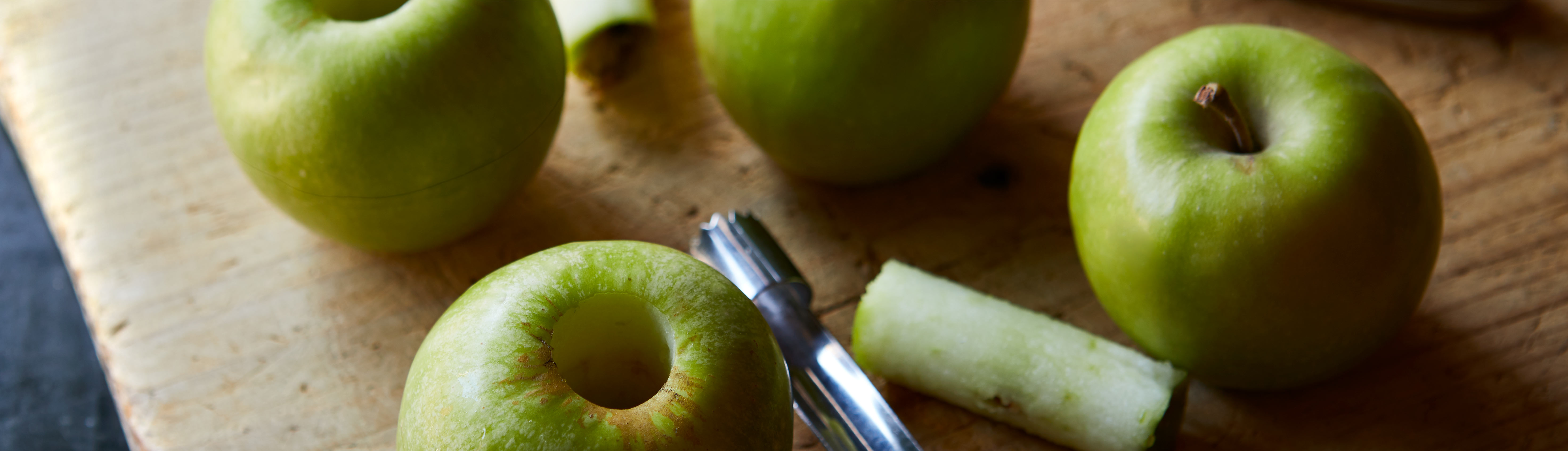 Fresh, blemish-free apples are the best choice for long-term freezer storage.
Credit: realfood.tesco.com
Fresh, blemish-free apples are the best choice for long-term freezer storage.
Credit: realfood.tesco.com
Prep Steps to Lock In Flavor and Texture
Proper prep prevents two of the most common frozen apple issues: browning and sogginess. These steps take 10–15 minutes upfront but will save you from ruined fruit and bland results later.
Washing, Peeling, and Coring
Start by rinsing apples under cold running water, using a soft produce brush to scrub away dirt, pesticide residue, and wax if you’re not using organic produce. Peeling is optional, but unpeeled apple skin can become chewy when frozen and may add bitter flavor to delicate recipes, so most home cooks prefer to peel apples with a vegetable peeler or small paring knife.
Next, cut apples into quarters and use an apple corer or small knife to remove the core, seeds, and any tough stem ends. Seeds contain small amounts of amygdalin, a compound that can release bitter-tasting cyanide when digested in large quantities, so be sure to remove all seed pockets to avoid off-flavors in your finished dishes.
Slicing for Consistent Results
Cut apple quarters into uniform 1/4-inch slices or 1/2-inch chunks. Evenly sized pieces freeze and thaw at the same rate, so you won’t end up with a mix of mushy and rock-hard apple bits in your recipes. Smaller pieces are also easier to portion out for smoothies, oatmeal, or baby food later.
Stopping Browning Before It Starts
Apples brown rapidly when exposed to air due to an enzymatic reaction called oxidation. To prevent this, soak apple slices in one of two solutions for 3–5 minutes before draining and patting completely dry with a clean kitchen towel:
- Lemon juice solution: Mix 1 tablespoon of fresh lemon juice with 1 cup of cold water. This adds a subtle tang that works well for sweet recipes.
- Ascorbic acid solution: For large batches or delicate apple varieties, mix 1 teaspoon of food-grade ascorbic acid (available in canning aisles) with 1 cup of cold water. The University of Minnesota Extension notes that ascorbic acid prevents browning without altering the flavor of subtle apple varieties, making it ideal for professional or large-scale preservation.
For extra tips on stopping enzymatic browning beyond the basic soak, check out our guide to preventing apple browning.
3 Proven Freezing Methods for Every Use Case
Choose the freezing method that matches how you plan to use your apples to get the best texture and flavor for your needs.
Flash Freezing for Individual Slices
Flash freezing is the most versatile method, as it keeps apple slices separate so you can grab small portions without thawing the entire bag. This is the best choice if you’ll use frozen apples for smoothies, snacks, or adding to recipes one handful at a time.
- Arrange prepped, dried apple slices in a single layer on a baking sheet lined with parchment paper, making sure slices don’t touch.
- Place the baking sheet in the freezer for 2–3 hours, until slices are completely solid to the touch.
- Transfer frozen slices to a freezer-safe bag or container, squeeze out as much air as possible, and seal tightly.
Flash frozen slices stay separate for easy portioning in smoothies, baking, and snacks. This method takes a small amount of upfront time, but saves 10+ minutes per recipe later when you don’t have to prep fresh apples.
Sugar or Syrup Packs for Baking
If you plan to use frozen apples primarily for pies, crisps, or other baked goods, a sugar or syrup pack helps preserve their texture and adds a touch of sweetness to your finished dishes.
- Dry sugar pack: Toss apple slices with 1/2 cup of granulated sugar per pound of apples until evenly coated. Pack into freezer bags or containers, squeeze out excess air, and seal. The sugar draws out excess moisture from the apples, preventing sogginess during baking.
- Light syrup pack: For juicier frozen apples, make a light syrup by dissolving 1 cup of sugar in 4 cups of water, then cool completely. Submerge apple slices in the cooled syrup in a freezer-safe container, leaving 1/2 inch of headspace at the top to allow for expansion. Seal tightly and freeze.
Avoid heavy syrups, as they can make baked goods overly sweet and soggy.
Freezing Applesauce or Puree
If you have overripe apples or plan to use apples for baby food, baking, or quick sauces, freezing applesauce or puree is the most space-efficient option. Simply cook peeled, cored apple slices with a splash of water and optional cinnamon or sugar until soft, then blend into a smooth puree and cool completely. Spoon puree into freezer-safe containers, ice cube trays (for small portions), or heavy-duty freezer bags, squeeze out excess air, and seal. Frozen puree will keep for up to 10 months and can be thawed in the microwave or refrigerator in minutes.
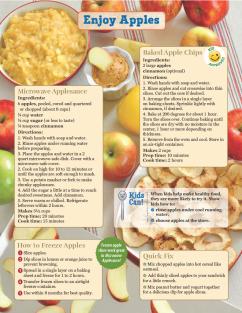 Uniformly sliced 1/4-inch pieces freeze evenly and thaw without mushy spots.
Credit: foodhero.org
Uniformly sliced 1/4-inch pieces freeze evenly and thaw without mushy spots.
Credit: foodhero.org
Packaging and Storage for Maximum Freshness
Even perfectly prepped apples will develop freezer burn or off-flavors if stored incorrectly. Follow these tips to keep your stash fresh for the full 12-month shelf life.
Airtight Containers That Prevent Freezer Burn
Freezer burn occurs when air reaches frozen apple slices, causing moisture to evaporate and leaving dry, tough, discolored patches. To avoid this, use only freezer-specific packaging:
- Heavy-duty freezer bags: Squeeze out as much air as possible before sealing, or use a vacuum sealer for the best results, especially if you freeze apples regularly.
- Rigid plastic containers with tight-fitting lids: Leave 1/2 inch of headspace at the top of the container, as apples expand slightly when frozen.
- Avoid glass jars unless they are labeled explicitly as freezer-safe, as regular glass can crack under freezing temperatures.
Labeling and Stock Rotation
It’s easy to forget what’s in your freezer and when you packed it, so label every bag or container with the apple variety, prep method, and date you froze it using a permanent marker or freezer tape. Follow the first-in, first-out (FIFO) method by using older packages first to ensure you’re using apples at their peak quality.
How Long Do Frozen Apples Last?
When stored at a consistent 0°F (-18°C) or lower, frozen apples will retain their best quality for 8–12 months. The USDA confirms that frozen apples retain nearly all of their vitamin C, fiber, and antioxidant content for this period, making them a nutritionally equivalent alternative to fresh apples when they’re out of season. After 12 months, apples may develop off-flavors or softer texture, though they will still be safe to eat if stored properly. Temperature fluctuations from frequently opening the freezer door can shorten shelf life, so store apples in the back of the freezer where temperatures stay most consistent.
Thawing and Using Frozen Apples
Frozen apples are extremely versatile, but proper thawing (or skipping thawing entirely) will help you avoid sogginess in your finished dishes.
Safe Thawing Methods
For the best texture, thaw frozen apples slowly in the refrigerator overnight. For faster thawing, place sealed bags of apple slices in a bowl of cold water for 30 minutes, changing the water every 10 minutes to keep it cold. Never thaw apples at room temperature, as this can encourage bacterial growth and lead to mushy texture.
Note that you do not need to thaw frozen apples before adding them to cooked or blended recipes: you can toss them directly into pies, smoothies, sauces, or slow cooker dishes straight from the freezer.
Best Recipes for Frozen Apples
Frozen apples work in almost any recipe that calls for fresh apples, with a few small adjustments:
- Baked goods: Use frozen slices directly in pies, crisps, muffins, or breads. You may need to add 1–2 extra teaspoons of cornstarch to thicken the extra juice frozen apples release during baking. Frozen apples work beautifully in baked goods, just like the frozen rhubarb pie method we share for year-round fruit desserts.
- Smoothies and oatmeal: Toss frozen apple chunks directly into your blender or oatmeal pot for a quick, cold addition that doesn’t require thawing.
- Sauces and purees: Simmer frozen apple slices on low heat for 15–20 minutes, mashing occasionally, for a quick homemade applesauce.
- Savory dishes: Add frozen apple chunks to slow cooker batch meals like pork chops, chili, or simple vegetarian slow cooker recipes for subtle sweetness and fiber without extra prep work.
- No-bake desserts: Fold frozen apple slices (thawed and patted dry) into lemon fluff or other no-bake desserts for extra texture and natural sweetness.
Note that thawed frozen apples are not ideal for eating raw, as ice crystal formation breaks down their cell walls and creates a softer, mushier texture than fresh apples. They shine best in cooked or blended preparations.
Troubleshooting Common Freezing Issues
Even with perfect prep, you may run into minor issues with your frozen apple stash. Here’s how to fix them:
How to Fix Mushy Frozen Apples
Mushy texture is almost always caused by excess moisture or ice crystal formation during freezing. To avoid this in future batches:
- Pat apple slices completely dry after the lemon or ascorbic acid soak before freezing to remove excess surface moisture.
- Blanch slices in boiling water for 60 seconds, then immediately submerge in an ice bath to stop the cooking process, before drying and freezing. This step sets the cell walls and reduces sogginess.
- Avoid overripe apples, which have already broken down their flesh before freezing.
If you already have mushy frozen apples, use them in applesauce, puree, or smoothies where texture doesn’t matter.
Preventing and Fixing Freezer Burn
Freezer burn appears as dry, tough, discolored patches on apple slices and is caused by air exposure in packaging. To prevent it:
- Use vacuum-sealed bags or squeeze all air out of freezer bags before sealing.
- Store apples in the coldest part of your freezer, away from the door, to avoid temperature fluctuations.
- Use frozen apples within the 12-month recommended shelf life.
If you notice minor freezer burn on your apples, simply trim off the affected areas and use the rest in cooked recipes like sauces or pies, where the texture difference will be unnoticeable.
 Flash frozen slices stay separate for easy portioning in smoothies, baking, and snacks.
Credit: www.acouplecooks.com
Flash frozen slices stay separate for easy portioning in smoothies, baking, and snacks.
Credit: www.acouplecooks.com
Frequently Asked Questions
How do I prepare apples for freezing?
Wash apples thoroughly under cold running water, then peel, core, and slice into 1/4-inch even pieces. Soak slices in a lemon juice solution (1 tbsp lemon juice per 1 cup cold water) or ascorbic acid solution for 3–5 minutes to prevent browning, then pat completely dry before freezing.
Can I freeze apples without cooking them first?
Yes, raw apple slices freeze perfectly well. The lemon or ascorbic acid soak and proper packaging are enough to preserve their texture and flavor; cooking is only required if you’re making applesauce or puree to freeze.
How long can frozen apples last in the freezer?
Frozen apples retain their best quality for 8–12 months when stored at 0°F (-18°C) or lower. They will remain safe to eat beyond this period if stored properly, but may develop softer texture or off-flavors.
What is the best way to thaw frozen apples?
Thaw frozen apples slowly in the refrigerator overnight for the best texture. For faster thawing, submerge sealed bags in cold water for 30 minutes. You do not need to thaw frozen apples before adding them to cooked or blended recipes.
Can I freeze apple slices with the skin on?
Yes, you can freeze unpeeled apple slices, but the skin may become chewy when thawed and can add bitter flavor to delicate recipes. Peeling is recommended for most use cases, especially baking.
Do frozen apples lose their nutritional value?
No. Frozen apples retain nearly all of their vitamin C, fiber, and antioxidant content when stored properly, making them just as nutritious as fresh apples when they’re out of season.
Conclusion
Freezing apples is one of the easiest, most cost-effective ways to reduce food waste, save money on out-of-season produce, and have versatile fruit on hand for everything from weekday smoothies to weekend pies. By picking the right varieties, prepping slices properly, and using the right packaging, you can lock in fresh apple flavor for up to a year with minimal effort.
For more tips on cutting household food waste and easy weeknight recipe ideas, browse our full library of kitchen hacks blog posts.

Hi, I’m Daniel Brooks—a food lover and kitchen gear enthusiast. I enjoy testing cookware, utensils, and gadgets to see what really works in everyday cooking. At PlugChef.com, I share honest reviews, comparisons, and simple guides to help you choose the best tools for a safer, smarter, and more enjoyable kitchen.
Related posts:
 How to Make a Fruit Basket for a Gift: Easy DIY Guide
 Cord Organizer for Kitchen Appliances: Tidy Up Effortlessly
 A Passive System-Dependent Recovery Process: Boost Appliance Lifespan
 Black Kitchen Cabinets With Black Appliances: Bold Elegance
 How to Clean Kitchen Sink Drain Naturally: Easy & Effective Tips
 Granite Sink Cleaner: The Best Way to Keep Your Sink Clean

