

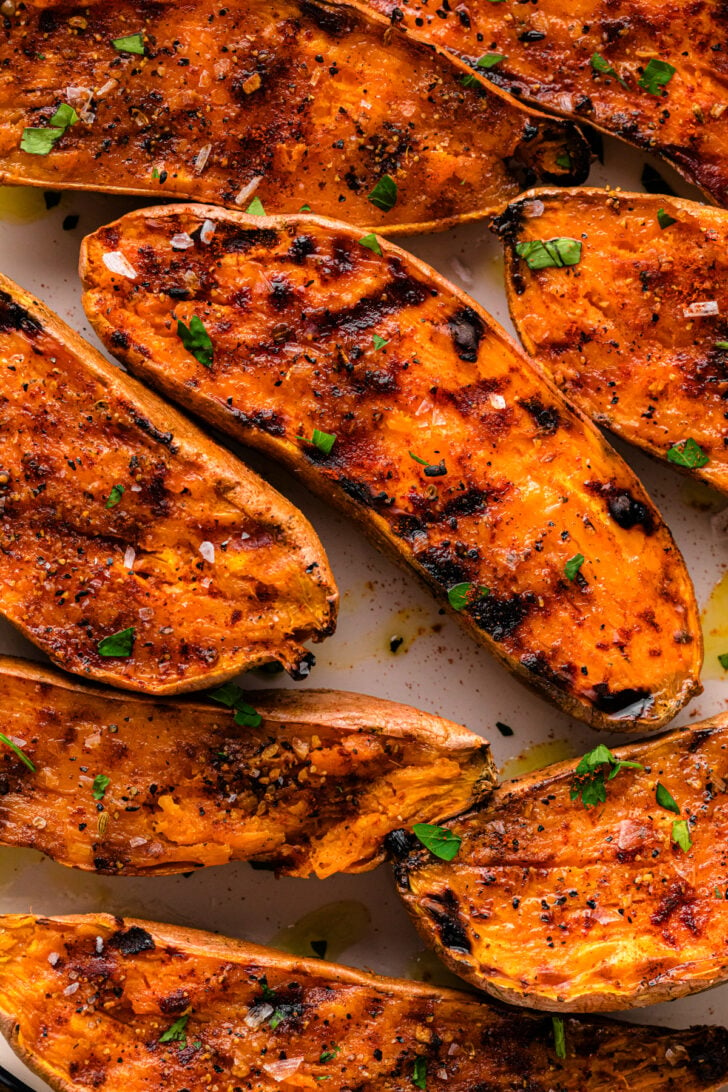
There’s nothing quite like the taste of a whole sweet potato fresh off the grill: crispy, slightly charred skin gives way to creamy, caramelized flesh that’s sweeter and more complex than anything you can make in an oven. Unlike boiled or baked sweet potatoes, grilling infuses the root vegetable with deep, wood-fired smokiness that makes it a star side dish for backyard barbecues, weeknight dinners, or even hearty breakfasts. Many home cooks assume grilling whole sweet potatoes is complicated or time-consuming, but it’s actually one of the easiest, most low-effort grill recipes you can master—no fancy equipment or advanced skills required. This guide walks you through every step, from picking the right variety to troubleshooting common mishaps, so you can pull perfectly smoky, tender sweet potatoes off the grill every single time.
Choosing the Right Sweet Potatoes for Grilling
Picking the right sweet potatoes is the first step to perfect results. Variety, size, and freshness all impact cook time, texture, and final flavor, so a little upfront selection goes a long way.
Popular Varieties for the Grill
Not all sweet potatoes behave the same on a hot grill. The two main categories are firm-fleshed (often sold as "white sweet potatoes") and moist, orange-fleshed varieties, each with unique benefits:
- Beauregard: The most common grocery store variety, with bright orange, moist flesh and high natural sugar content. It grills quickly and develops a rich, sweet flavor without getting chalky.
- Garnet: Deep orange, almost pumpkin-like flesh with a dense texture that holds its shape even if you overcook it slightly. Ideal for beginners who want foolproof results.
- Jewel: Slightly drier, pale orange flesh that absorbs smoky flavor exceptionally well. It has a more earthy, less sugary taste than Beauregard or Garnet.
- Japanese (white sweet potato): Firm, pale yellow flesh with low sugar content and a mild, nutty flavor. It’s lower on the glycemic index and perfect if you prefer a less sweet side dish.
Size and Freshness Tips
Stick to medium-sized sweet potatoes (6–8oz each) for the best results. Large varieties can take 75+ minutes to cook through, while small ones risk drying out before the center is tender. Look for sweet potatoes with smooth, unbroken skin, no soft spots, and no active sprouts. Avoid shriveled or moldy produce, as these will have off-flavors and uneven texture. Never store raw sweet potatoes in the refrigerator: cold temperatures convert starch to sugar unevenly, leading to mushy, discolored spots when cooked. Keep them in a cool, dark pantry for up to 2 weeks before grilling.
 Unpeeled sweet potatoes develop a crispy, fiber-rich skin when grilled whole.
Credit: lingeralittle.com
Unpeeled sweet potatoes develop a crispy, fiber-rich skin when grilled whole.
Credit: lingeralittle.com
Prep Work for Perfect Grilled Sweet Potatoes
Proper prep ensures even cooking, prevents common mishaps, and amplifies the sweet potato’s natural flavor. The process takes less than 5 minutes, and it’s the difference between a mediocre side and a dish people ask for every cookout.
Washing and Drying
Rinse sweet potatoes under cool running water, then scrub the skin thoroughly with a stiff vegetable brush to remove all dirt and debris. Never peel sweet potatoes before grilling: the skin is full of fiber, crisps up into a delicious, chewy layer on the grill, and helps hold the flesh together as it cooks. Pat the potatoes completely dry with paper towels after washing. Excess moisture on the skin will steam the exterior instead of charring it, leading to a soggy, unappealing texture instead of the crispy crust you’re after.
Piercing and Seasoning
Use a fork to poke 4–6 deep holes all the way through the center of each sweet potato. This lets steam escape during cooking, preventing the potato from exploding on the grill—a common, messy mishap that’s easy to avoid. For seasoning, lightly coat the skin with a high-smoke-point oil (avocado or grapeseed work best; avoid olive oil, which burns at high grill temperatures) to promote crisping and prevent sticking. Sprinkle with flaky sea salt to enhance natural sweetness, and add optional spices like smoked paprika, cumin, or a pinch of brown sugar for extra depth.
Grill Setup for Even, Smoky Cooking
A properly prepped grill is non-negotiable for perfectly cooked sweet potatoes with no burnt edges or raw centers. The right temperature and heat distribution make all the difference.
Ideal Temperature and Two-Zone Setup
Preheat your grill to 375–425°F (190–220°C) for the best balance of even cooking and crispy skin. Most built-in grill thermometers are notoriously inaccurate, so a $10 separate probe thermometer is a worthwhile investment for consistent results. For beginners, use a two-zone setup: for gas grills, light only one side of the burners; for charcoal grills, pile all coals on one side of the grill. This creates a hot direct heat zone and a cool indirect heat zone, so you can cook the potato’s interior through without burning the skin. For food safety best practices when grilling produce, refer to University of Minnesota Extension's grilling guidelines.
Foil vs. No-Foil: The Trade-Off
You can grill sweet potatoes either unwrapped or wrapped in aluminum foil, and each method produces very different results:
- Unwrapped: Develops a crispy, charred skin and smoky, caramelized flesh. This is the classic preparation for the dish as described.
- Foil-wrapped: Steams the potato for ultra-tender, moist flesh with no crispy skin. This is a good option if you have very large sweet potatoes or prefer a softer texture, but you’ll miss out on the signature smoky char.
 Indirect heat cooks the inside through, while a quick sear over direct flame chars the skin.
Credit: www.asouthernsoul.com
Indirect heat cooks the inside through, while a quick sear over direct flame chars the skin.
Credit: www.asouthernsoul.com
Grilling Time and Doneness Checks
Grilling times vary based on potato size and grill temperature, so relying on time alone will lead to under or overcooked results. For medium (6–8oz) sweet potatoes, expect a total cook time of 45–60 minutes; large (10oz+) potatoes will take 60–75 minutes. Place potatoes on the cool indirect heat side of the grill for the first 40–50 minutes of cooking, then move them to the direct heat zone for the final 5–10 minutes to crisp the skin and add char. Turn the potatoes every 15 minutes to rotate the sides exposed to the most heat, ensuring even cooking. Avoid lifting the grill lid too often: every open adds 5–10 minutes to total cook time by letting heat escape. To check for doneness, insert a sharp fork or skewer into the thickest part of the potato. It should slide in with zero resistance, like it’s passing through soft butter. If you meet resistance, keep grilling for 10 more minutes and test again. You can also gently squeeze the potato with tongs: it should feel uniformly soft, with no hard spots in the center.
Boosting Smoky Flavor with Wood Chips
While grilled sweet potatoes have a natural, subtle smokiness from the grill grates, adding wood chips takes the flavor to the next level with minimal extra effort.
Best Wood Types for Sweet Potatoes
The type of wood you use will dramatically change the final flavor of your sweet potatoes:
- Mild fruitwoods (apple, cherry, peach): Add a subtle, sweet smokiness that complements the potato’s natural sugars without overpowering it. These are the best all-around options for beginners.
- Hickory or oak: Offer a bolder, more robust smoky flavor that pairs well with savory toppings like bacon or chili.
- Avoid mesquite: Its intense, earthy flavor can easily turn bitter when paired with sweet potatoes, overwhelming their natural taste.
Smoke Application Tips
Soak wood chips in water for at least 30 minutes before grilling to ensure they smolder instead of burning quickly, which produces harsh, acrid smoke. For charcoal grills, scatter soaked chips directly over the hot coals, then close the lid to trap smoke around the potatoes. For gas grills, use a stainless steel smoker box (available at most hardware stores for under $15) placed over the burners on the hot side of the grill. For an extra burst of flavor, add a handful of dry, unsoaked chips halfway through cooking. If you don’t have wood chips, a few sprigs of fresh rosemary or thyme thrown on the coals will add a subtle herbal smokiness that pairs perfectly with sweet potatoes.
Serving Ideas and Pairings
Grilled whole sweet potatoes are incredibly versatile, working as a simple side, a hearty main, or even a base for creative toppings. Their natural sweetness and smoky depth make them compatible with almost any cuisine.
Toppings for Every Taste
Keep it simple with a pat of butter and flaky sea salt, or get creative with these crowd-pleasing options:
- Sweet: Cinnamon and honey, maple syrup and toasted pecans, vanilla Greek yogurt, brown sugar and nutmeg
- Savory: Garlic aioli, crumbled bacon and chives, avocado and lime, black beans and corn salsa, crispy fried egg
- Loaded: Pulled pork, chili, shredded cheddar and jalapeños, tzatziki and olives
Perfect Pairings for Your Meal
Grilled sweet potatoes pair with almost any protein or side dish for a balanced meal:
- Grilled proteins: Perfectly grilled bratwurst, barbecue ribs, grilled chicken, or pork tenderloin
- Sides: Fresh garden salad, roasted Brussels sprouts, corn on the cob, or kale cooked low and slow in a slow cooker
- For a vegetarian cookout, pair with simple plant-based slow cooker recipes for a low-effort, balanced spread
Meal Prep Friendly
Leftover grilled sweet potatoes keep in an airtight container in the fridge for 4–5 days, making them a perfect make-ahead option. Reheat them in the toaster oven or on the grill for 2 minutes to re-crisp the skin, or cut them into cubes and toss into salads, bowls, or quick weeknight slow cooker meals for an easy boost of fiber and nutrients.
Troubleshooting Common Grilling Issues
Even experienced grillers run into occasional mishaps with sweet potatoes. These fixes address the most common problems for perfect results every time:
Undercooked Centers
The dense flesh of sweet potatoes cooks slowly, so the skin can look fully charred while the center is still hard. To fix this: use the two-zone setup to cook over indirect heat first, and avoid pulling the potato off the grill until it passes the fork test. For very large potatoes, par-cook them in the microwave for 3–4 minutes before grilling to cut down on total cook time.
Burnt, Bitter Skins
Burnt skins come from too much direct heat or insufficient oil. Always start sweet potatoes over indirect heat, only moving them to the direct heat zone for the final 5 minutes to crisp the skin. Lightly coat the skin with oil before grilling to create a barrier against charring. If the skin gets too dark before the center is done, wrap the potato loosely in foil for the remaining cooking time.
Exploding Potatoes
Unpierced sweet potatoes build up steam as they cook, which can cause them to burst on the grill, making a mess and creating a safety hazard. Always poke 4–6 deep holes all the way through the potato before cooking to let steam escape.
Dry, Mealy Flesh
Overcooking is the most common cause of dry sweet potato flesh. Pull the potato off the grill as soon as it passes the fork test, and stick to medium-sized potatoes with thick, firm skin, which are less likely to dry out than small, thin-skinned varieties.
 Foil-wrapped sweet potatoes skip the crispy skin for ultra-tender, steamed flesh, if preferred.
Credit: kitchenlaughter.com
Foil-wrapped sweet potatoes skip the crispy skin for ultra-tender, steamed flesh, if preferred.
Credit: kitchenlaughter.com
Frequently Asked Questions
How long does it take to grill a whole sweet potato?
Cooking time depends on size and grill temperature: medium (6–8oz) sweet potatoes take 45–60 minutes, while large (10oz+) can take 60–75 minutes. Always rely on the fork test rather than time alone, as grill heat can vary.
Should I wrap sweet potatoes in foil before grilling?
Foil wrapping is optional, but it changes the final result: wrapped sweet potatoes steam instead of char, so you get ultra-tender, moist flesh and no crispy skin. For the classic smoky, crispy-skinned grilled sweet potato, skip the foil. If you’re short on time, you can par-cook wrapped sweet potatoes in the microwave for 5 minutes before grilling to cut down on cook time.
What temperature is best for grilling sweet potatoes?
Aim for 375–425°F (190–220°C) for the best balance of even cooking and crispy skin. If using a two-zone setup, the indirect heat zone should sit at around 375°F, while the direct heat zone can be 425–450°F for the final crisp.
Can I grill sweet potatoes without a grill thermometer?
Yes, but consistent heat is harder to maintain. For gas grills, set burners to medium and use the hand test: hold your hand 4 inches above the grate—if you can hold it there for 4–5 seconds before pulling away, the heat is in the right range. For charcoal grills, spread a single layer of coals for medium heat, two layers for high heat.
What are the best wood chips for smoking sweet potatoes?
Mild fruitwoods like apple, cherry, or peach are ideal, as they add sweet, subtle smokiness that complements the potato’s natural flavor without overpowering it. Hickory or oak work for bolder smoke, but avoid mesquite, which can impart a bitter taste.
Conclusion
Grilling whole sweet potatoes is one of the simplest, most rewarding ways to cook this versatile root vegetable. With minimal prep and a basic two-zone grill setup, you can pull tender, smoky, caramelized sweet potatoes off the grill in under an hour, no advanced cooking skills required. They work as a no-fuss side for summer barbecues, a hearty base for breakfast or brunch, or a make-ahead meal prep staple that holds up perfectly in the fridge for days. Ready to make this your go-to summer side? Fire up the grill this weekend and try this no-fuss method—you’ll never go back to baked sweet potatoes again. If you give it a go, share your favorite toppings in the comments below!

Hi, I’m Daniel Brooks—a food lover and kitchen gear enthusiast. I enjoy testing cookware, utensils, and gadgets to see what really works in everyday cooking. At PlugChef.com, I share honest reviews, comparisons, and simple guides to help you choose the best tools for a safer, smarter, and more enjoyable kitchen.
Related posts:
 How to Make a Fruit Basket for a Gift: Easy DIY Guide
 Cord Organizer for Kitchen Appliances: Tidy Up Effortlessly
 A Passive System-Dependent Recovery Process: Boost Appliance Lifespan
 Black Kitchen Cabinets With Black Appliances: Bold Elegance
 How to Clean Kitchen Sink Drain Naturally: Easy & Effective Tips
 Granite Sink Cleaner: The Best Way to Keep Your Sink Clean

