What Cooking Utensils to Use With Stainless Steel: Expert Picks
Stainless steel cookware is a cornerstone of professional and home kitchens for a reason: it is non-reactive, durable, and offers precise heat control. However, its polished finish makes it vulnerable to cosmetic damage from the wrong tools. Using abrasive or poorly maintained utensils can leave visible scratches that trap food and bacteria, ultimately reducing the pan's longevity. To get the most out of your investment, you need a strategic approach to tool selection that balances functionality with surface protection.
This guide breaks down the specific materials, tools, and maintenance strategies that protect your stainless steel cookware. We will move beyond generic advice to explain why certain tools fail and how to select the right ones for specific cooking tasks, ensuring your pans remain scratch-free and performant for years. For more on this, see our guide on kitchen utensils storage containers with lids.
Why Material Matters for Stainless Steel Surfaces
Stainless steel is not just about the pot; it is about the interaction between the cooking surface and the tools you use against it. Unlike cast iron, which develops a seasoned patina that protects it, stainless steel relies on its inherent non-reactive properties and a protective oxide layer. Scratches on this layer can disrupt the smoothness of the surface, making food stick more easily and making cleaning significantly harder.
The Truth About "Scratch-Proof" Claims
In practice, no steel-on-steel contact is completely harmless. While stainless steel utensils are durable, they are harder than the brushed or polished finish of most cookware. Using a stainless steel spoon to stir a reduction in a stainless steel pan creates friction that can etch the surface. This is a common mistake: assuming that because the pan is steel, the utensils must be too. In reality, the hardness differential between high-carbon steel utensils and typical 304 or 430 stainless cookware means the utensil will always scratch the pan.
Heat Tolerance and Flexibility
Heat resistance is another critical factor. Stainless steel pans often require high-heat searing. Plastic and low-grade nylon tools can warp, melt, or leach chemicals when exposed to temperatures above 200°F (93°C). Silicone and high-quality wood handle these temperatures with ease, maintaining their structural integrity while staying gentle on the cookware.
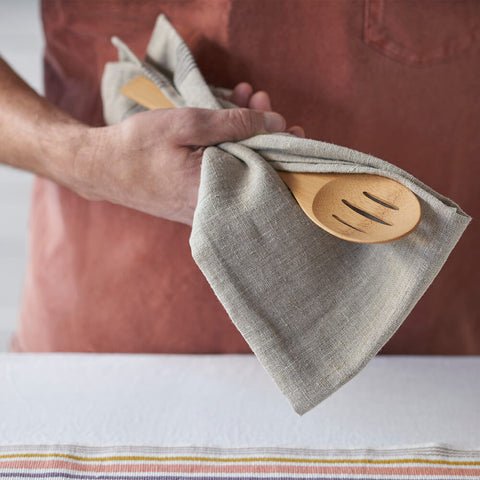
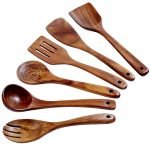
 Wooden and silicone tools offer the safest grip for polished stainless steel surfaces.
Credit: madeincookware.com
Top Utensil Materials for Stainless Steel Cookware
Choosing the right material is the first step in protecting your cookware. Each material has distinct trade-offs regarding durability, heat tolerance, and cleaning. Here is a breakdown of the best options.
Wood: The Classic Choice
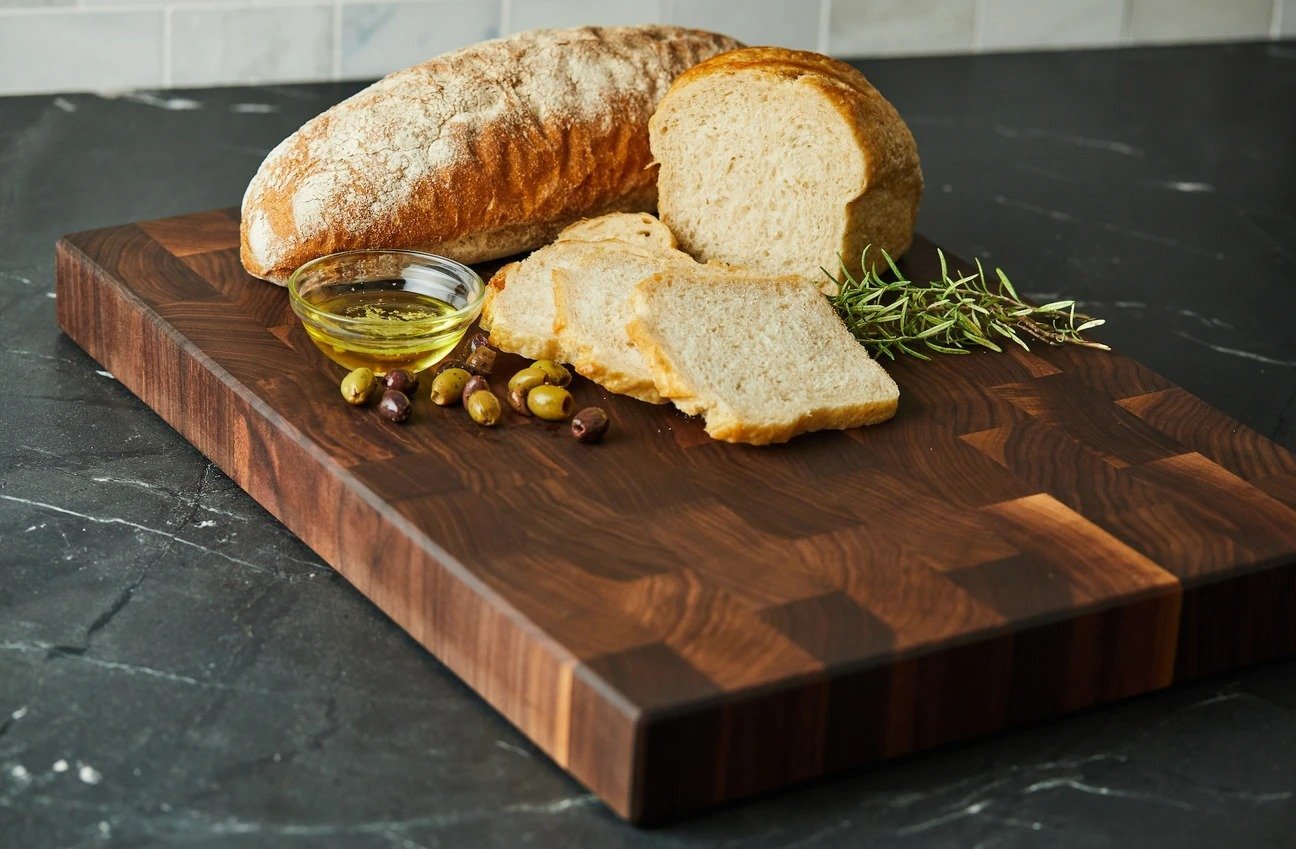
Wood is the traditional go-to for stainless steel. It is non-conductive, meaning you won't get sudden burns if a utensil slides off the pan.
- Best Woods: Maple and cherry are the industry standards. They are dense, hold their shape well, and do not splinter easily.
- Trade-off: Wood is porous. If not dried properly, it can harbor bacteria or warp from steam.
- Expert Tip: In practice, always wash wooden spoons by hand and dry them vertically. Never put them in the dishwasher, as the heat and detergent will crack the wood. For deeper care, consult our guide on routine upkeep for kitchen tools to understand the importance of regular maintenance for durable household items.
Silicone: The Modern Workhorse
Silicone utensils have largely replaced plastic in professional kitchens. They are non-porous, BPA-free, and resistant to temperatures up to 480°F (250°C) or higher.
- Best For: High-heat sautéing, scraping deglazing sauces, and non-stick friendly tasks.
- Trade-off: Low-quality silicone can tear or become brittle over time. Look for reinforced silicone with a metal core for stiffness.
- Durability Note: High-end silicone tools last longer than their cheaper counterparts. Investing in a quality set prevents the need for frequent replacements, saving money in the long run.
Nylon: The Budget-Friendly Option
Nylon tools are lightweight and affordable. However, their heat tolerance is typically lower than silicone, often rated only up to 220°F (104°C).
- Best For: Low to medium heat cooking, such as boiling water or simmering soups.
- Trade-off: Nylon can scratch more easily than wood or silicone and may retain odors if not washed frequently. It is not recommended for searing steaks or working on a hot stove.
Acacia and Bamboo
Similar to maple, acacia and bamboo are hard, lightweight woods. Acacia is particularly popular because it is naturally resistant to moisture and decay. It is an excellent choice for outdoor cooking or humid kitchens where standard wood might fail.
Essential Tools for the Stainless Steel Kitchen
Not every tool is necessary, but a few key items cover 90% of cooking tasks. Focus on owning these core pieces rather than collecting mismatched gadgets.
The Spatula
You need two types of spatulas:
- Flexible Silicone: For scraping bowls, non-stick tasks, and folding.
- Stiff Nylon or Wood: For flipping proteins on a hot stainless steel pan. A stiff tool allows for better control and leverage when flipping heavy steaks or chops.
The Turner/Spatula
Often confused with spatulas, a turner is flat and rigid. It is essential for flipping items that need a firm grip, like fish fillets or vegetables. A wooden or high-density plastic turner is ideal. Avoid thin, flimsy plastic models that bend under the weight of a steak.
Tongs
Tongs are indispensable for tossing ingredients and retrieving food from hot pans.
- Recommendation: Use stainless steel tongs for their durability, but be mindful of the tips. Many high-quality tongs have silicone tips that protect the pan. If using all-metal tongs, avoid "slamming" them against the side of the pan; use them to lift, not to scrape.
- Safety Note: Ensure the joint is secure. Loose tongs are a hazard in a busy kitchen.
Whisks
Whisks are crucial for emulsions and sauces. A stainless steel whisk is durable and easy to clean. However, when whisking sauces in a small stainless steel pan, be gentle to avoid scratching the bottom. A silicone-coated whisk is an alternative for delicate emulsions.
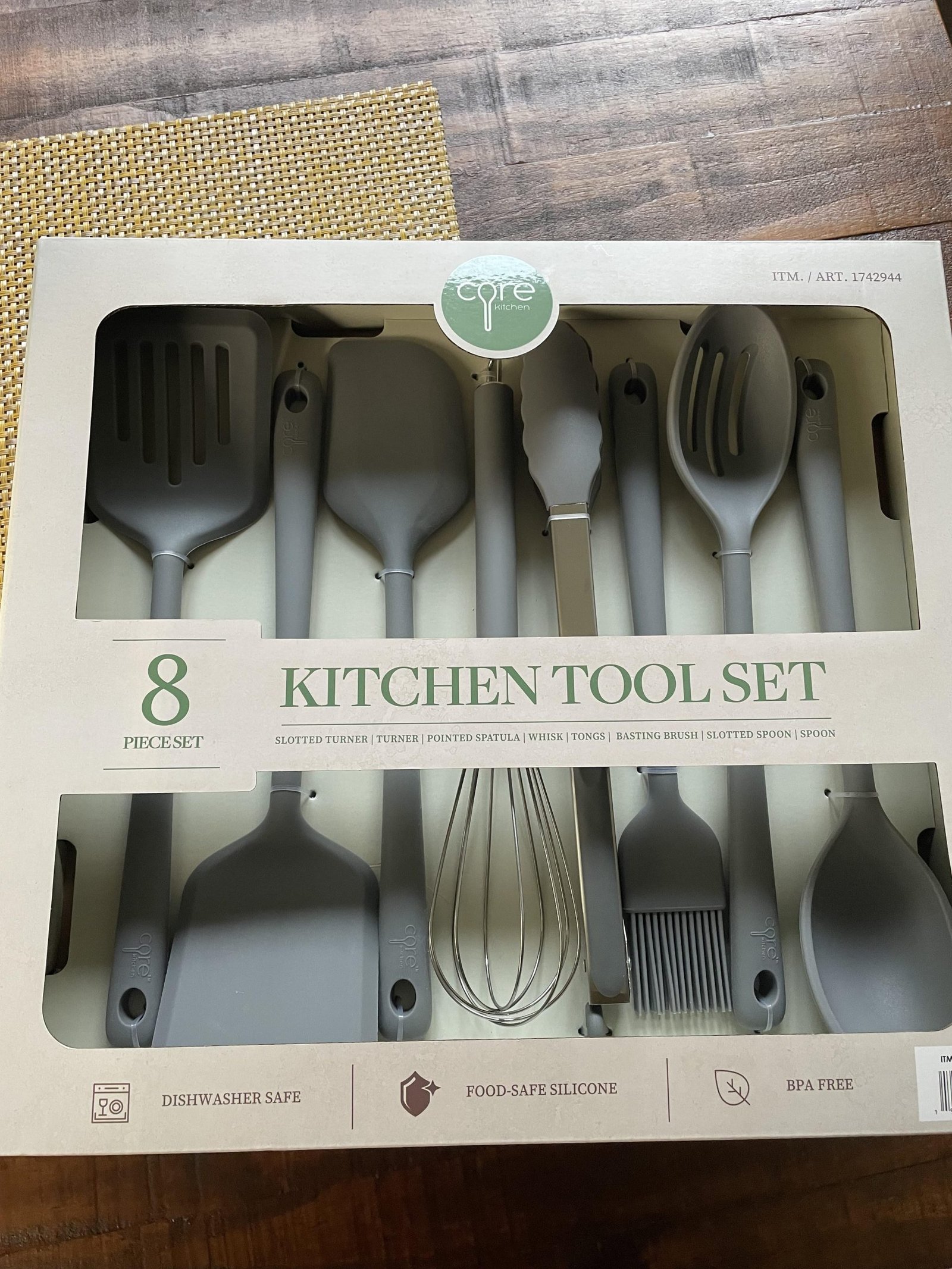
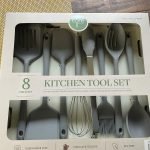
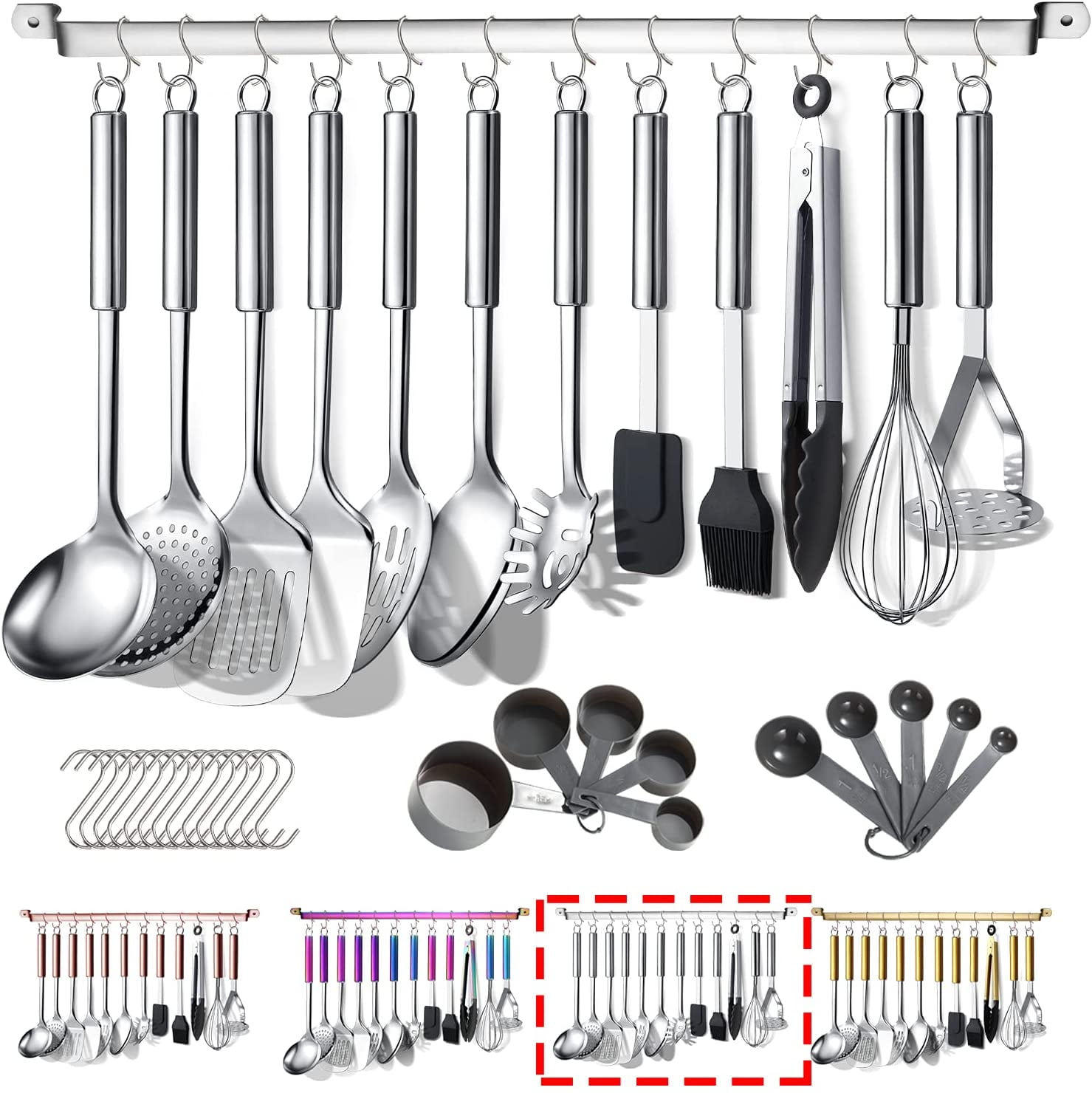 Mixed material sets offer flexibility for different cooking techniques.
Credit: www.walmart.com
How to Choose: Key Factors to Consider
When shopping for utensils, look beyond the material to the construction and design. These details determine longevity and performance.
Heat Rating
Always check the manufacturer's maximum heat rating. If you cook with high heat, ensure your tools can handle at least 400°F. Silicone is generally superior to nylon here. A reliable resource for understanding material safety limits is the FDA guidance on food contact substances, which outlines the safe temperatures for various plastics and elastomers.
Handle Ergonomics
A utensil is only as good as its grip. Look for handles that are balanced and non-slip. Silicone handles can be slippery when wet; a textured grip or an insulated core helps. For frequent cooking, comfort prevents fatigue and reduces the risk of dropping tools into hot liquid.
Maintenance Requirements
Ask yourself: Can I hand-wash this? How long does it take to dry? Wood requires the most maintenance. Silicone and nylon are low-maintenance but may need replacing every few years. Stainless steel is nearly maintenance-free but requires care to avoid scratching the pans.
Common Mistakes to Avoid
Even with the right tools, improper use can damage your cookware. Here are the most frequent errors we see.
Scrubbing with Abrasives
Never use steel wool, scouring pads, or harsh chemical cleaners on stainless steel. These destroy the protective oxide layer and leave micro-scratches that collect food and rust. Use a soft sponge or cloth with a mild dish soap. For burnt-on food, soak the pan in hot water with baking soda, then scrub gently with a non-abrasive pad.
Using Metal on Polished Finishes
As mentioned, metal-on-metal contact is risky. If you love using metal spatulas, limit them to tasks where scratching is less of a concern, such as stirring a large pot of soup, and avoid them on polished frying surfaces. For more on protecting household items from wear, see our article on keeping tools in top shape.
Overlooking the Water Test
Before adding oil, ensure your stainless steel pan is properly preheated. The "water test" (dropping a bead of water to see if it dances) ensures the Leidenfrost effect is achieved, which provides a natural non-stick layer. Using the right utensils to stir this layer can enhance the effect, but the primary factor is heat control.
Maintenance Tips for Longevity
Proper care extends the life of both your cookware and your utensils.
Storing Utensils
Store utensils in a dry place. Humidity is the enemy of wood and metal.
- Wood: Hang them on a rack or keep them in a holder that allows air circulation.
- Metal/Silicone: A utensil crock or drawer organizer keeps them separated and prevents them from knocking against each other.
- Tip: If you live in a high-humidity climate, consider silica gel packets in your utensil storage area to prevent mold or rust. This is similar to how you might maintain a lightweight gear kit for outdoor use, where moisture control is critical.
Cleaning Techniques
- Silicone/Nylon: Dishwasher safe (top rack) or hand wash. Inspect for cracks regularly; throw them out if the material is compromised.
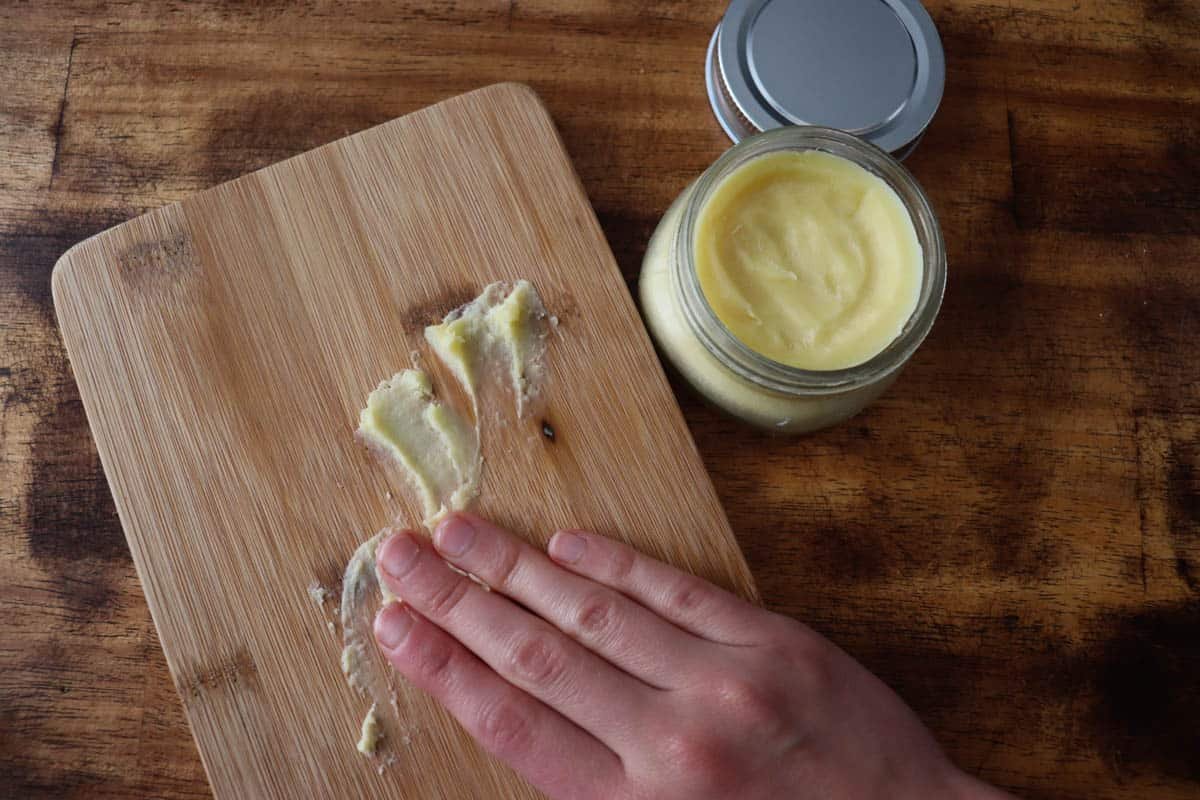
- Wood: Hand wash only. Dry immediately. Season occasionally with food-grade oil to prevent drying and cracking.
- Metal: Dishwasher safe, but hand washing preserves the shine. Dry immediately to prevent water spots.
Expert Recommendations: Top Brands and Picks
While you don't need expensive tools, certain brands offer superior quality and consistency.
OXO Good Grips
OXO is known for ergonomic design. Their silicone utensils feature a comfortable grip that reduces hand fatigue. They are a top choice for home cooks who prioritize ease of use.
Cuisinart ProLine
Cuisinart offers durable, professional-grade tools. Their stainless steel sets are built to last and pair well with their cookware. Look for tools with stay-cool handles.
All-Clad
All-Clad is the gold standard for stainless steel cookware, and their utensils match that quality. Their tools are precision-made and durable. Investing in one high-quality All-Clad turner or whisk is a wise move.
Budget-Friendly: Amazon Basics and IKEA
For everyday tasks, Amazon Basics and IKEA offer affordable silicone and nylon sets. These are fine for low to medium heat cooking. Just be aware that they may wear out faster than premium brands.
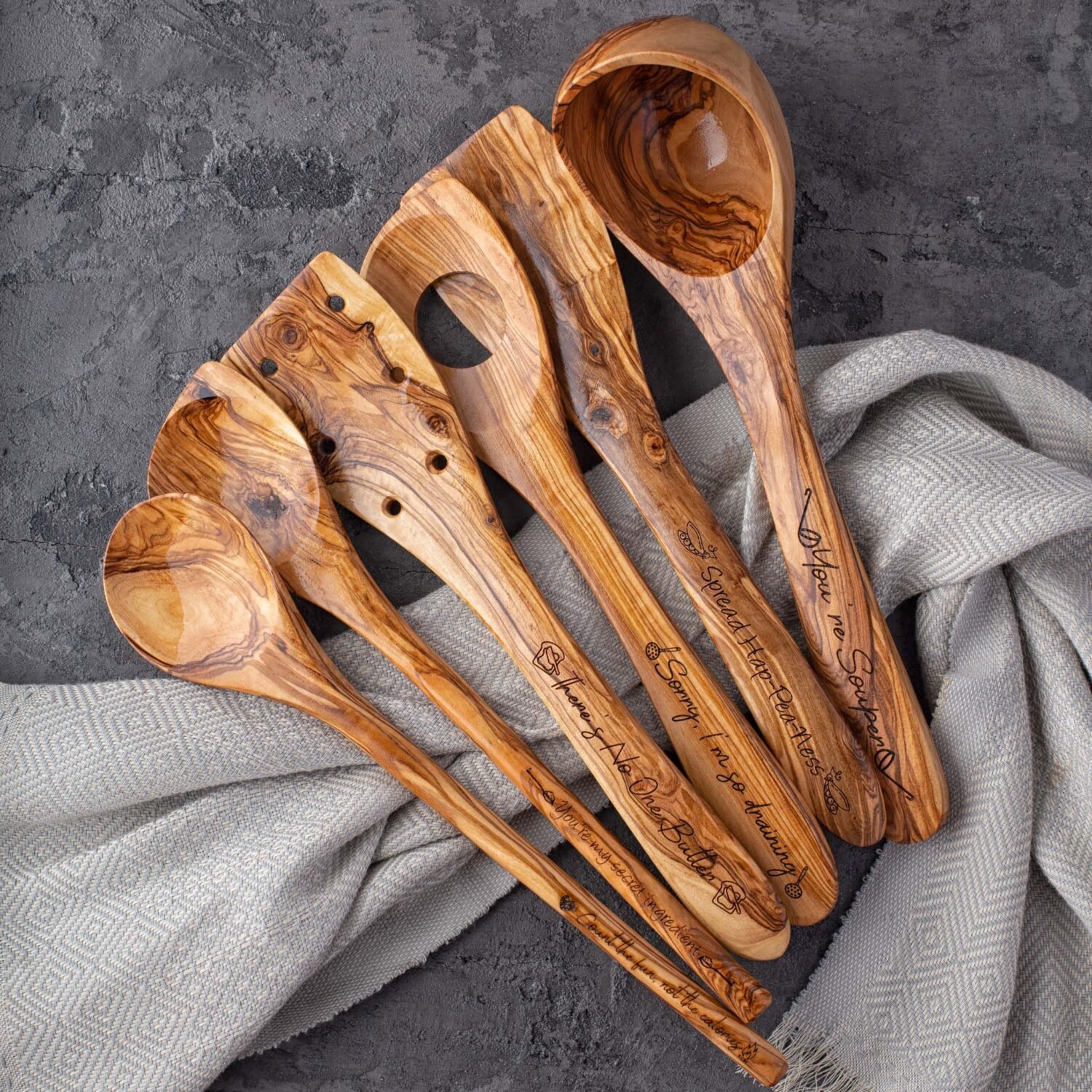
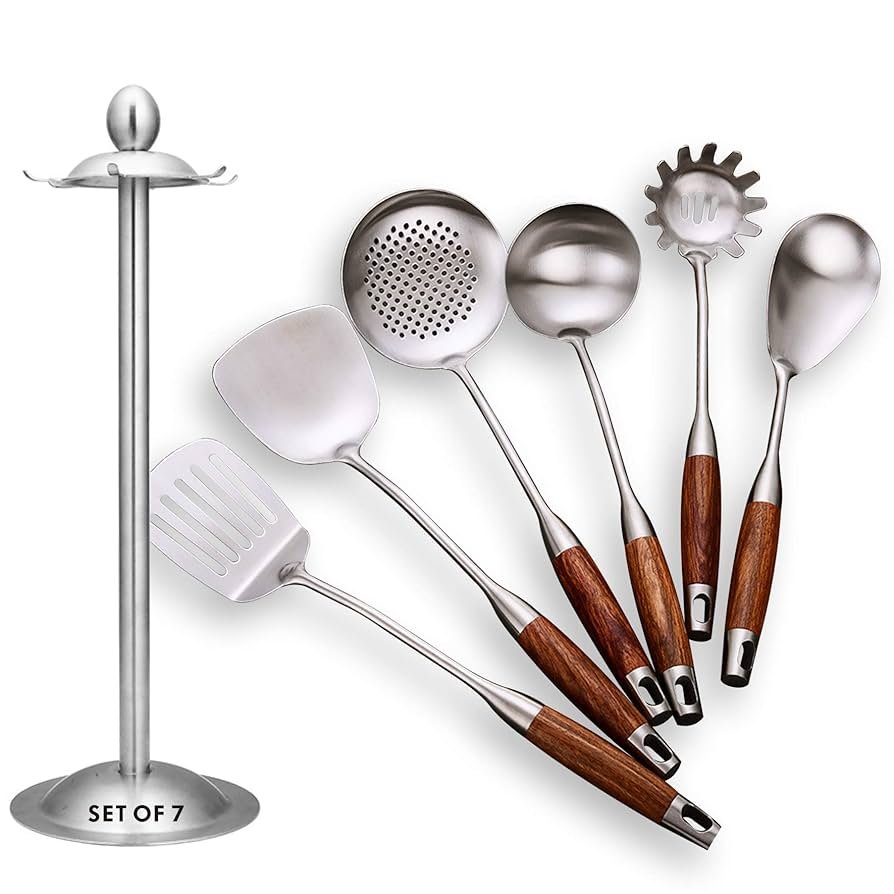
 High-quality metal tools are durable but require gentle use on polished pans.
Credit: www.amazon.com
Frequently Asked Questions
What is the safest material for utensils on stainless steel?
Wood and silicone are the safest options. They are soft enough not to scratch the surface but durable enough for everyday cooking. Wood offers a traditional feel, while silicone handles higher heat better.
Can I use metal utensils in stainless steel pans?
Yes, but with caution. Metal-on-metal contact can scratch the polished finish. If you use metal utensils, keep them clean and avoid aggressive scraping. They are best suited for large pots or less polished surfaces.
How do I stop food from sticking in stainless steel?
The key is the Leidenfrost effect. Preheat the pan on medium-high heat until a water droplet dances on the surface, then add oil. Use a utensil to spread the oil evenly. This creates a temporary non-stick layer.
Are wooden utensils bad for the environment?
Wooden utensils are generally more eco-friendly than plastic. However, they require maintenance. Choosing sustainably sourced wood like maple or cherry ensures a lower environmental impact.
Conclusion
Protecting your stainless steel cookware starts with the tools in your hand. By choosing the right materials—primarily wood and high-quality silicone—and maintaining them properly, you can keep your pans looking new for decades. Avoid abrasive cleaners and harsh metal-on-metal contact.
Invest in a few high-quality tools rather than a large set of cheap ones. A single, well-made wooden spoon or silicone turner will serve you better than a drawer full of flimsy plastic gadgets. By following these expert recommendations, you ensure that your cooking experience remains smooth, safe, and efficient.
Next Step: Audit your current utensil drawer. Remove any plastic tools that have cracked or warped. Replace them with high-heat silicone or wood to ensure your kitchen is equipped for both everyday meals and high-heat searing. For more on keeping your kitchen supplies organized and safe, explore our guide on essential storage solutions.

Hi, I’m Daniel Brooks—a food lover and kitchen gear enthusiast. I enjoy testing cookware, utensils, and gadgets to see what really works in everyday cooking. At PlugChef.com, I share honest reviews, comparisons, and simple guides to help you choose the best tools for a safer, smarter, and more enjoyable kitchen.
Similar Posts