
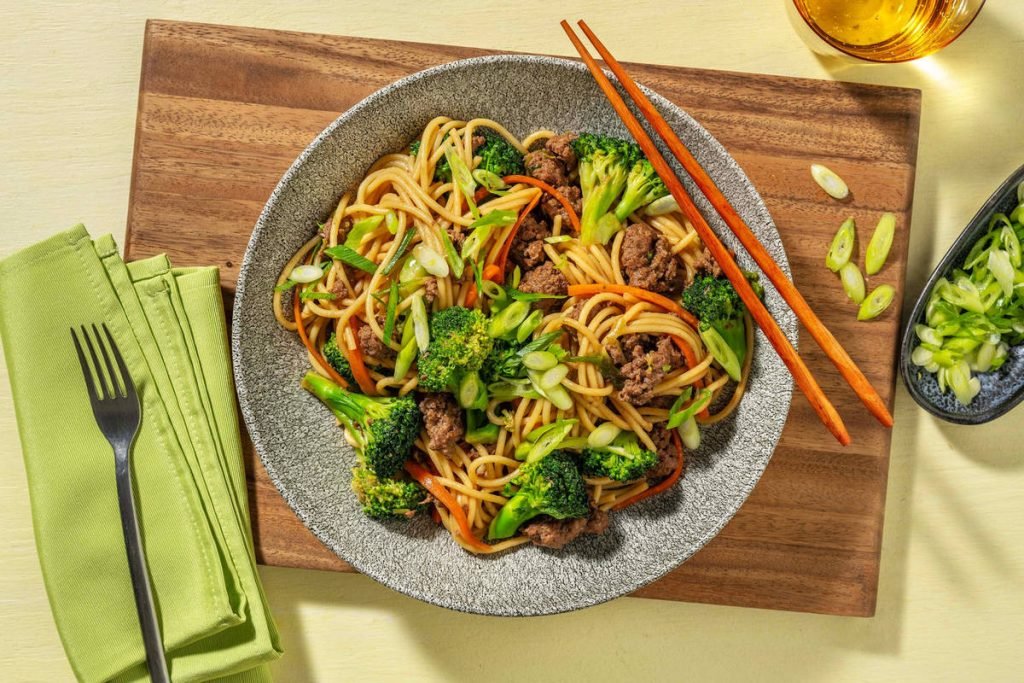
Craving a meal that balances savory protein, crisp vegetables, and chewy carbs in under 30 minutes? Noodles for beef and broccoli deliver exactly that, making them one of the most reliable weeknight dinner options for busy households. Far cheaper and more customizable than takeout, this dish lets you control sodium levels, adjust spice, and accommodate dietary needs with minimal effort. Whether you’re a beginner cook or a seasoned stir-fry pro, the tips and recipes below will help you avoid common pitfalls and make restaurant-quality noodles for beef and broccoli at home.
 A restaurant-quality beef and broccoli noodle stir-fry ready to serve in under 30 minutes
Credit: whatsmomcookin.com
A restaurant-quality beef and broccoli noodle stir-fry ready to serve in under 30 minutes
Credit: whatsmomcookin.com
Why Noodles for Beef and Broccoli Are the Ultimate Weeknight Win
This dish earns its spot in the weekly rotation for good reason. It packs a balanced mix of lean protein from beef, fiber and vitamins from broccoli, and energizing carbs from noodles, all in one bowl. The base recipe comes together in 25 to 30 minutes, with minimal active prep time, and it scales easily for families of any size. You can adjust the seasoning to be mild for kids or extra spicy for adults, swap noodles for gluten-free or low-carb alternatives, and even make it vegetarian by swapping beef for tofu. Unlike many stir-fry dishes that turn soggy when stored, beef and broccoli noodles hold up well to meal prep, making them ideal for lunchboxes or quick weekday dinners.
Choosing the Perfect Noodles for Your Dish
The right noodle makes all the difference in texture and sauce adherence for beef and broccoli. The best options hold up to high-heat stir-frying, cling to savory sauce without turning mushy, and complement the nutty flavor of beef and crispness of broccoli. Below is a quick comparison of the most popular noodle types for this dish, followed by detailed guidance for each:
| Noodle Type | Texture | Cook Time | Best Use Case | Dietary Note |
|---|---|---|---|---|
| Rice noodles | Light, slightly chewy | 3-6 minutes (varies by width) | Gluten-free diets, light stir-fries | Gluten-free, vegan |
| Egg noodles | Rich, firm, slightly springy | 2-8 minutes (fresh vs dried) | Hearty, classic takeout-style dishes | Contains gluten, dairy-free |
| 100% buckwheat soba | Nutty, firm | 4-5 minutes | Light, Asian-inspired dishes | Gluten-free if 100% buckwheat |
| Udon | Thick, chewy, smooth | 5-7 minutes | Satisfying, filling meals | Contains gluten, vegan if no egg added |
| Lo mein | Round, slightly thick, springy | 3-4 minutes | Classic Chinese takeout-style stir-fries | Contains gluten |
Rice Noodles
Rice noodles are the top pick for gluten-free diets, with a light, neutral flavor that lets the beef and sauce shine. Thin rice vermicelli cook in just 3 minutes, while wider pad thai-style noodles take 5 to 6 minutes. Avoid overcooking, as they turn mushy quickly when tossed with sauce. For the best texture, rinse cooked rice noodles briefly with warm water before adding to the stir-fry to prevent sticking.
Egg Noodles
Fresh egg noodles cook in just 2 minutes and have a rich, slightly yellow hue that brightens the dish, while dried egg noodles take 6 to 8 minutes. Their firm texture holds up well to thick, savory sauces, making them ideal for hearty, comfort-food versions of the dish. Look for fresh egg noodles in the refrigerated section of most grocery stores for the best results.
Soba Noodles
Made from buckwheat, soba noodles have a distinct nutty flavor that pairs beautifully with ginger and garlic-based sauces. 100% buckwheat soba is gluten-free, but many blends contain wheat, so check labels if you have a gluten sensitivity. Cook soba noodles al dente for the best texture, and avoid rinsing them if you want the sauce to cling.
Udon Noodles
Thick, chewy udon noodles add a satisfying bite to beef and broccoli stir-fries, making the dish feel more filling. They cook in 5 to 7 minutes and hold up well to heavy sauces. For a traditional Japanese twist, pair udon with a ginger-sesame sauce and top with pickled ginger.
Lo Mein Noodles
The classic choice for takeout-style beef and broccoli noodles, lo mein has a springy, chewy texture that absorbs sauce without turning soggy. Fresh lo mein is widely available in Asian grocery stores and cooks in 3 to 4 minutes, while dried lo mein works in a pinch. A common mistake is rinsing lo mein after cooking, which removes the starch that helps sauce cling to the noodles—skip the rinse for best results.
Prepping Beef for Tender, Restaurant-Quality Results
The texture and flavor of your beef will make or break the dish, so taking 10 extra minutes to prep it correctly is well worth the effort. Follow the guidance below to avoid chewy, bland beef and get that signature tender, savory bite.
Selecting the Best Cut
For stir-fry, you want a cut that is flavorful, tender, and cooks quickly over high heat. Flank steak is the most budget-friendly option, with a bold beefy flavor and firm texture that holds up well to slicing. Skirt steak has more marbling, making it extra juicy and rich, while sirloin is a leaner option with a milder flavor. Avoid tougher cuts like chuck or round steak, which require long, slow cooking to break down their muscle fibers and will turn chewy in a quick stir-fry.
Marinating for Flavor and Tenderness
A good marinade adds depth of flavor and helps tenderize the beef for a melt-in-your-mouth texture. For 1 pound of beef, mix 3 tablespoons low-sodium soy sauce, 1 tablespoon grated fresh ginger, 2 cloves minced garlic, 1 teaspoon brown sugar, 1 teaspoon cornstarch, and 1 tablespoon neutral oil (like avocado or canola). For extra tenderness, add 1/4 teaspoon of baking soda to the marinade—this is a pro tip used in many Chinese restaurants to achieve that signature soft texture. Marinate the beef for 30 minutes to 1 hour at room temperature, or up to 2 hours in the fridge. Avoid marinating for longer than 2 hours, as the salt in the soy sauce will start to break down the meat’s structure and make it mushy. To avoid cross-contamination when handling raw beef, follow FDA food safety guidance and use separate cutting boards for raw meat and produce.
Slicing Techniques for Perfect Texture
Slicing beef thinly and against the grain is the most important step for tender results. The grain is the direction of the muscle fibers in the meat; cutting perpendicular to these fibers shortens them, making the beef much easier to chew. For easiest slicing, place the beef in the freezer for 15 minutes to firm it up, then cut it into 1/8-inch thick slices. Pat the beef dry with paper towels before cooking to remove excess moisture, which will help it sear instead of steaming in the pan.
Perfecting Broccoli for Stir-Fry: Crisp, Not Mushy
Overcooked, mushy broccoli is one of the most common complaints about homemade beef and broccoli dishes. Follow these tips to get bright green, crisp-tender broccoli every time.
Fresh vs Frozen Broccoli
Fresh broccoli has a brighter, crisper texture and holds its shape better during stir-frying, but frozen broccoli is a convenient, budget-friendly alternative that works just as well if prepped correctly. If using fresh broccoli, cut it into uniform 1-inch florets, and peel the tough outer layer of the stems to slice them and use as well. For clean, uniform cuts of beef and broccoli, use a well-maintained cutting board. Scrub broccoli florets with a produce cleaning brush to remove any dirt or pesticide residue before prepping. If using frozen broccoli, do not thaw it before cooking—add it directly to the hot pan to avoid excess moisture leaching out and making your dish soggy.
Blanching for Perfect Texture
For extra crisp, vibrant broccoli, blanch it before adding to the stir-fry. Bring a pot of salted water to a boil, add broccoli florets, and cook for 90 seconds. Immediately transfer the broccoli to a bowl of ice water to stop the cooking process, which locks in its bright green color and crisp texture. Drain the broccoli thoroughly before adding to the pan to avoid watering down your sauce.
Pro Tips for Crunch
Avoid overcrowding the pan when cooking broccoli, as this steams it instead of searing it, leading to mushy texture. Cook broccoli over high heat for 2 to 3 minutes, stirring constantly, until it is bright green and just tender when pierced with a fork. If you prefer a deeper, roasted flavor, toss broccoli with a little oil and salt and roast at 425°F for 10 minutes before adding to the stir-fry.
3 Quick, Flavor-Packed Sauces (No Pre-Made Mixes Needed)
Homemade sauce is far more flavorful than store-bought, and these three recipes come together in 5 minutes or less with pantry staples. All recipes make enough sauce for 4 servings of noodles, beef, and broccoli.
Classic Soy-Garlic Sauce
This savory, umami-rich sauce is the perfect all-purpose option for beef and broccoli noodles. Mix together:
- 1/2 cup low-sodium soy sauce
- 3 cloves minced garlic
- 2 tablespoons brown sugar
- 1 tablespoon oyster sauce (optional, for extra umami)
- 1 teaspoon toasted sesame oil
- 1 tablespoon cornstarch mixed with 2 tablespoons cold water Stir the sauce ingredients together in a small bowl, then add to the pan with the noodles and beef during the last 2 minutes of cooking, stirring constantly until thickened. Taste and adjust seasoning as needed—add more sugar for sweetness or more soy sauce for saltiness.
Spicy Szechuan Sauce
For a bold, fiery kick, this sauce combines savory, tangy, and numbing heat for a signature Szechuan flavor. Mix together:
- 1/3 cup low-sodium soy sauce
- 2 tablespoons chili garlic sauce (like Sambal or Sichuan chili oil)
- 1 tablespoon rice vinegar
- 1 teaspoon sugar
- 1 teaspoon cornstarch mixed with 2 tablespoons cold water
- 1/2 teaspoon ground Sichuan peppercorns (optional, for the signature tingle) Add to the pan during the last 2 minutes of cooking, stirring until thickened. Adjust the amount of chili garlic sauce to control the heat level.
Ginger Sesame Sauce
This bright, nutty sauce is perfect for a lighter, more aromatic version of the dish. Mix together:
- 1/4 cup low-sodium soy sauce
- 1 tablespoon grated fresh ginger
- 1 tablespoon toasted sesame oil
- 1 tablespoon honey or maple syrup
- 1 teaspoon cornstarch mixed with 2 tablespoons cold water Stir into the pan during the last 2 minutes of cooking, then top with toasted sesame seeds and chopped green onions before serving. For a creamy twist, add 1 tablespoon of smooth peanut butter to the sauce.
Step-by-Step Cooking Process for Perfect Results Every Time
Follow this simple process to get perfectly seared beef, crisp broccoli, and evenly sauced noodles every time, with minimal cleanup. If you prefer to clean as you go, a dishwashing brush with handle makes quick work of washing utensils between steps.
Prep All Ingredients First
Stir-fry cooks very quickly, so having all ingredients prepped and within reach before you start is critical. Cook your noodles 1 minute less than the package instructions, as they will finish cooking in the stir-fry. Drain the noodles, toss with a tiny bit of neutral oil to prevent sticking, and set aside. Slice your marinated beef, cut broccoli into florets, and measure out your sauce ingredients before heating the pan. If you have young children in the home, secure child-safe cabinet locks before starting to cook with high heat to prevent accidents.
Sear the Beef
Heat 1 tablespoon of neutral oil in a wok or 12-inch cast-iron skillet over high heat (a drop of water should sizzle immediately when it hits the pan). Add the beef in a single layer, being careful not to overcrowd the pan—cook in batches if your pan is too small. Sear for 1 to 2 minutes per side, until the beef is browned on the outside but still slightly pink inside. Overcooking the beef at this stage will make it tough, so err on the side of undercooking. Remove the beef from the pan and set aside.
Cook the Broccoli
Add 1 teaspoon more oil to the pan if needed, then add the broccoli florets. Stir-fry for 2 to 3 minutes, stirring constantly, until the broccoli is bright green and crisp-tender. Add minced garlic and ginger if using, and cook for 30 seconds until fragrant, being careful not to burn it. If you’re adding extra veggies like bell peppers or mushrooms, add them at this stage and cook for 1 minute.
Combine with Noodles and Sauce
Add the pre-cooked noodles to the pan with the broccoli, then pour the pre-mixed sauce over top. Toss everything together for 1 to 2 minutes, stirring gently, until the sauce is evenly distributed and all ingredients are heated through. Avoid overcooking at this stage, as the noodles will turn mushy. Serve immediately for the best texture.
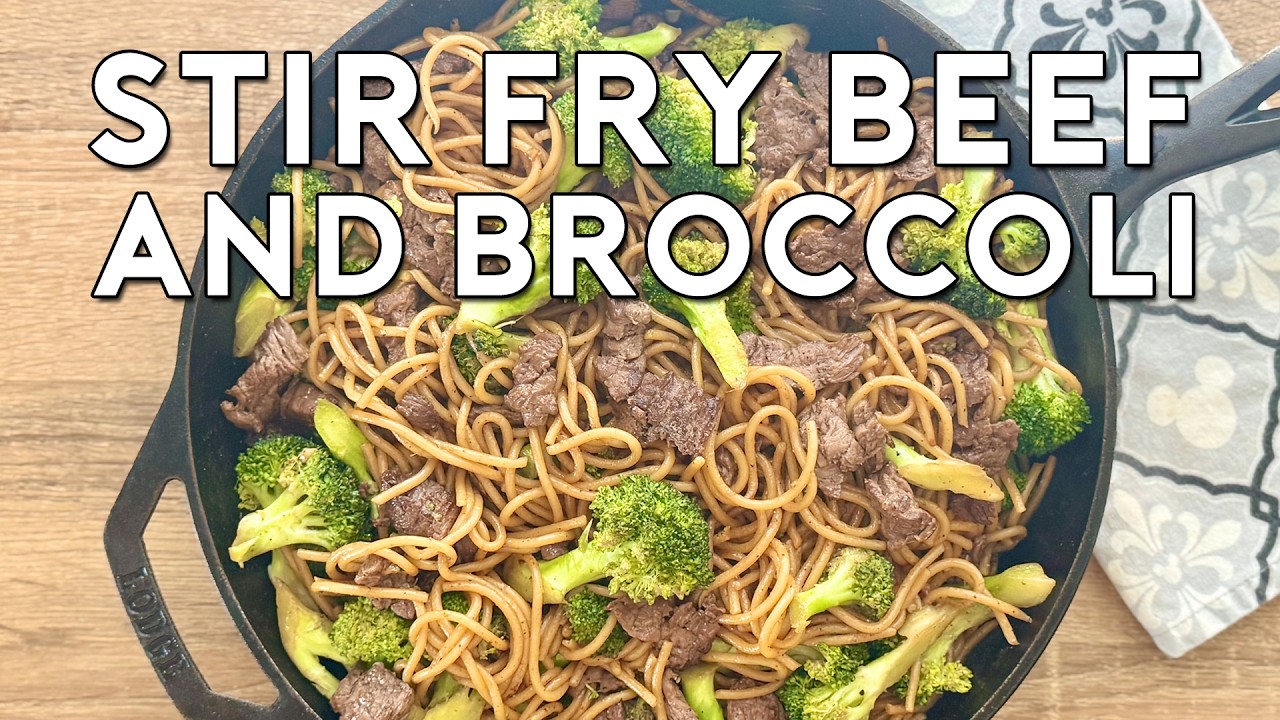 Video tutorial demonstrating step-by-step techniques for tender beef and crisp-tender broccoli
Credit: www.youtube.com
Video tutorial demonstrating step-by-step techniques for tender beef and crisp-tender broccoli
Credit: www.youtube.com
Common Mistakes to Avoid (And How to Fix Them)
Even experienced home cooks run into issues with beef and broccoli noodles from time to time. Avoid these common pitfalls for perfect results every time:
- Overcooking noodles before stir-frying: Undercook noodles by 1 minute in boiling water, as they will finish cooking in the pan. Overcooked noodles turn mushy when tossed with sauce.
- Overcrowding the pan: Adding too much beef or broccoli at once steams the ingredients instead of searing them, leading to soggy, bland results. Cook in batches if your pan is too small.
- Slicing beef with the grain: This shortens the muscle fibers less, leading to chewy, tough beef. Always cut against the grain for tender results.
- Adding sauce too early: Adding sauce before the noodles are fully heated makes them soggy. Wait until the last 1 to 2 minutes of cooking to add the sauce.
- Using low heat for stir-frying: High heat is required to get a good sear on the beef and crisp texture on the broccoli. Don’t be afraid to turn the heat up high.
- Not patting beef dry before cooking: Excess moisture on the beef steams it instead of searing it, leading to a bland, soft texture. Pat beef dry with paper towels before adding to the pan.
Creative Variations to Keep Dinner Interesting
Once you’ve mastered the base recipe, try these simple twists to switch up the flavor and add extra nutrition to your weeknight rotation:
- Extra veggies: Add sliced bell peppers, snap peas, shredded carrots, bok choy, or water chestnuts for extra crunch and color. Cook them with the broccoli for best results.
- Protein swaps: Use thinly sliced chicken breast, pork tenderloin, shrimp, or pressed tofu for a vegetarian option. Adjust cooking time as needed: chicken takes 3 to 4 minutes per side, while tofu needs to be pressed and seared for 2 minutes per side before adding to the pan.
- Sauce twists: Add 1 tablespoon of smooth peanut butter to the ginger sesame sauce for a satay-style dish, 1 teaspoon of miso paste for extra umami depth, or a splash of coconut milk for a creamy curry version.
- Noodle swaps: Try thick udon noodles for a chewier bite, soba noodles for a nutty flavor, or zucchini noodles for a low-carb, low-calorie option. Adjust cook time accordingly for alternative noodle types.
- Garnish upgrades: Top with toasted sesame seeds, chopped cilantro, sliced green onions, a squeeze of fresh lime juice, or a drizzle of sriracha for extra flavor.
Serving Suggestions, Storage, and Reheating Tips
With the right sides and storage methods, you can make beef and broccoli noodles work for any occasion, from quick weeknight dinners to meal prep for the week ahead.
Garnishes and Toppings
Bright, fresh garnishes take the dish to the next level. Top with sliced green onions, toasted sesame seeds, chopped cilantro, crushed red pepper flakes, a drizzle of sriracha, or a squeeze of fresh lime juice for a burst of acidity.
Side Dish Pairings
Beef and broccoli noodles pair well with light, fresh sides to balance the savory, rich flavors. Try a simple cucumber salad with rice vinegar and sesame oil, steamed edamame, a bowl of miso soup, or potstickers for a fuller meal.
Storage Guidelines
Let the dish cool completely to room temperature before storing, and never leave it out for more than 2 hours to avoid foodborne illness. Store leftovers in an airtight container in the refrigerator for up to 3 days. For official guidance on safe food storage and handling, refer to USDA food safety recommendations. For the best results when meal prepping, store the noodles, beef, and broccoli in separate containers, and combine them with fresh sauce just before eating to avoid sogginess. If you have young kids or pets in the home, secure no-drill cabinet locks to store cleaning supplies and sharp utensils out of reach.
Reheating for Best Texture
Reheat leftovers on the stovetop over medium heat for the best texture, adding 1 to 2 teaspoons of water or broth to loosen the sauce and prevent it from drying out. Stir constantly until heated through, about 2 to 3 minutes. If reheating in the microwave, do so in 30-second intervals, stirring in between, and add a splash of water to keep the noodles from turning rubbery. After cooking, scrub your wok with heavy-duty cleaning brushes to remove stuck-on sauce without scratching the non-stick surface.
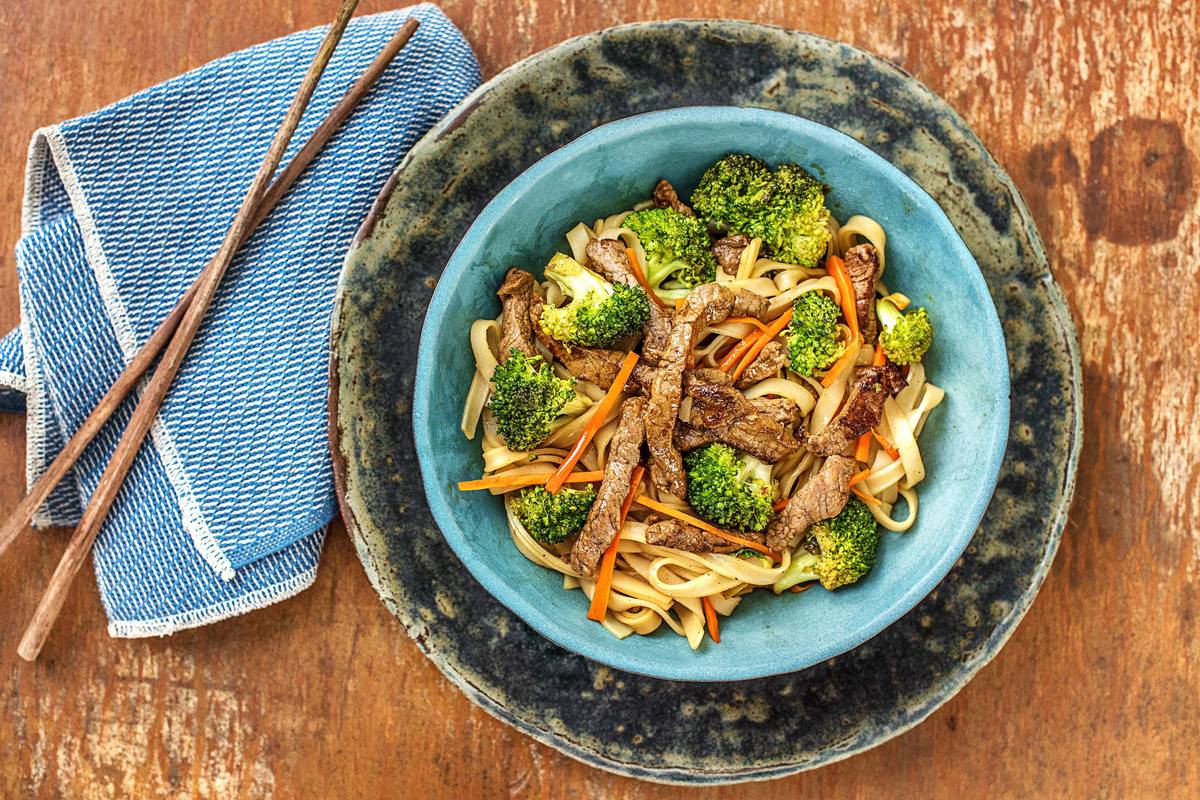 Freshly plated beef and broccoli noodles topped with toasted sesame seeds and green onions
Credit: www.hellofresh.ca
Freshly plated beef and broccoli noodles topped with toasted sesame seeds and green onions
Credit: www.hellofresh.ca
Frequently Asked Questions
What type of noodles work best for beef and broccoli stir-fry?
Fresh lo mein noodles are the gold standard for classic takeout-style texture, as they hold up to thick sauces and have a chewy, springy bite. For gluten-free diets, thin rice noodles or 100% buckwheat soba work well, as they absorb sauce nicely without turning mushy. Avoid delicate noodles like angel hair or spaghetti, as they will break apart when tossed with the beef and broccoli.
How can I make beef and broccoli noodles healthier?
Use lean cuts of beef like sirloin or tenderloin, swap regular soy sauce for low-sodium, add extra broccoli and other non-starchy vegetables, use whole-grain noodles or brown rice noodles for extra fiber, and limit added oil by using a non-stick pan. You can also reduce the sugar in the sauce by omitting it entirely or using a small amount of honey or maple syrup for natural sweetness.
Can I prepare beef and broccoli noodles ahead of time for meal prep?
Yes, but for the best texture, store the components separately: cook noodles and beef, store in airtight containers in the fridge for up to 3 days, and keep broccoli raw or blanched in a separate container. When ready to eat, stir-fry the broccoli first, then add the pre-cooked beef and noodles and sauce, heating through for 2 to 3 minutes. This prevents the noodles from getting soggy and the broccoli from turning mushy.
What sauce pairs best with beef and broccoli noodles?
The classic soy-garlic sauce is the most versatile option, but you can customize it to your taste: add chili garlic sauce for heat, a spoonful of peanut butter for a nutty satay twist, or a dash of rice vinegar for extra tang. For a richer, more umami-forward sauce, add a splash of oyster sauce or a teaspoon of red miso paste.
Can I use frozen broccoli for this dish?
Absolutely—frozen broccoli is a convenient, budget-friendly alternative to fresh, and it works just as well if you don’t thaw it before cooking. Add frozen broccoli directly to the hot pan, and cook it for 1 to 2 minutes longer than fresh broccoli to allow excess moisture to evaporate and prevent your dish from getting soggy.
How do I keep my noodles from getting soggy?
The key is to undercook noodles by 1 minute in boiling water, so they finish cooking in the stir-fry without turning mushy. Also, avoid adding the sauce too early in the cooking process—wait until the last 1 to 2 minutes to add it, and toss everything gently to avoid breaking the noodles. If you’re meal prepping, store the noodles separately from the sauce and other ingredients, and combine them just before eating.
Conclusion
Noodles for beef and broccoli are a versatile, fast, and customizable dish that beats takeout every time, with far more control over ingredients and flavor. With the tips above, you can avoid common pitfalls like chewy beef and mushy broccoli to make a restaurant-quality meal in 30 minutes or less. Experiment with different noodle types, sauces, and add-ins to make the recipe your own, and don’t be afraid to adjust the seasoning to match your taste preferences. For more easy, tested weeknight dinner recipes and kitchen hacks, browse our full blog collection for inspiration for your next meal.

I’m Abby Lu, a passionate home cook who loves simplifying everyday meals. At PlugChef.com, I share product reviews and cooking guides to help you find the best tools for your kitchen.
Related posts:
 How to Make a Fruit Basket for a Gift: Easy DIY Guide
 Do You Need a Basket? Essential Guide for Air Fryers
 Gray Kitchen With Stainless Steel Appliances: Modern Elegance
 Appliance Play Food Kitchen Toys: Ignite Imaginative Play
 How Long Do Beauty Blenders Last: Expert Tips Unveiled
 Philips Kitchen Appliances Compact Pasta And Noodle Maker: Effortless Homemade Pasta

