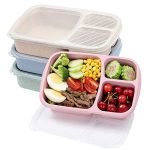
Food Storage Containers Lock & Lock: The Ultimate Kitchen Organization Solution

Lock & Lock owns one of the largest shares of the home food storage market for a reason that goes beyond branding: the dual-latch airtight lid is genuinely better at preserving freshness than standard snap lids. But Lock & Lock sells several very different product lines, and the "Easy Essentials" line that dominates searches isn't the same animal as their glass or premium Fresh'n Seal collections. The difference matters when you're trying to organize a real kitchen, not just photograph one.
This guide breaks down the ten most-searched Lock & Lock Easy Essentials products, walks through what each one is actually good for, and covers the parts of food storage most buying guides skip — material safety, microwave rules, container sizing, cleaning habits, and how to actually keep lids matched so nothing ends up mismatched at 6 p.m. on a Tuesday. For more on this, see our guide on oxo good grips food storage containers.
What Makes Lock & Lock Different From Generic Storage
Lock & Lock was founded in 1978 in South Korea and built its name on one feature: a four-point sealing lid with two latches that lock in place. Compare that to a generic snap-on lid, which relies on friction and usually has a 20–40% air-gap under the rim. The Lock & Lock seal closes that gap, which matters for moisture-sensitive items (bread, crackers, pre-cut vegetables) and odor-sensitive items (garlic sauce, strong spices).

The four-point latch system is the feature that gave Lock & Lock its name.
Three details most reviews gloss over:
- Latch count varies by line. The classic HPL line has four latches. The Easy Essentials line has two latches and a simpler, thinner lid. Both are airtight when seated properly, but they don't interchange.
- BPA-free isn't a blanket win. BPA-free plastic often substitutes BPS, BPF, or other bisphenol-related resins. The FDA has concluded that bisphenol compounds in currently approved food-contact materials meet their toxicological criteria, but many manufacturers moved away voluntarily after public concern. The safest practice remains using designated microwave-safe containers, never overheating, and not storing scalding food directly into plastic.
- The clear body isn't cosmetic. Beyond quick identification, transparency lets you spot condensation, discoloration, and mold growth without opening the container.
Comparison Table: The 10 Most-Searchied Lock & Lock Easy Essentials Products
| # | Product | Pieces | Best For | Signature Feature |
|---|---|---|---|---|
| 1 | Easy Essentials 6-Piece | 6 | Everyday family use | Balanced sizes, 2-latch seal |
| 2 | Easy Essentials 4-Piece Bin | 4 | Dry goods & pantry | Square bin profile |
| 3 | Easy Essentials 6-Piece Stackable | 6 | Vertical space | True stackable geometry |
| 4 | Easy Essentials Color Mates 18-Piece | 18 | Meal prep, color-coding | Multi-color lids |
| 5 | Easy Essentials 54 oz Single | 1 | Grab-and-go lunch | Single large unit |
| 6 | ECO 4-Piece Rectangular | 4 | Eco-conscious households | Eco resin line |
| 7 | HPL806S6 6-Piece | 6 | Compact pantry | Classic HPL design |
| 8 | 16.9 Cup Square (Chips) | 1 | Chips & bulk dry | Largest single size |
| 9 | Tall Rectangular 7.61 Cup | 4 | Pasta & dry grains | Deep vertical form |
| 10 | Tall Rectangle 14-Piece | 14 | Full pantry overhaul | Mixed sizes |
Two of the ten entries are single-container purchases (the 54 oz single and the 16.9 cup chip storage). Those are usually bought as replacements or one-off additions, not as part of a set. The other eight are sets ranging from 4 to 18 pieces. For more on this, see our guide on large food storage containers restaurant.
Product-by-Product Reviews
1. Lock & Lock Easy Essentials 6-Piece Set
The baseline Easy Essentials set — six sizes you'll use for most weekly storage.
This is the "default" Easy Essentials configuration: six sizes with two sizes duplicated so a household can grab matching lids without digging. It's what Lock & Lock recommends for first-time buyers and it's the set most frequently returned to stores when it doesn't fit a specific cabinet dimension.
Pros
- Balanced size range covers most leftovers and prep portions
- BPA-free plastic meets FDA food contact standards
- Two-latch seal provides dependable airtightness for dry and chilled foods
- Stacks flush when lids are properly seated
Cons
- Lids are interchangeable within the set only, not across other Lock & Lock lines
- Thinner plastic than the HPL line, so long-term durability is moderate
- Not fully stackable — lids create an uneven top surface
Best for: Families replacing a mixed cabinet of mismatched Tupperware. Not for: Anyone who needs true vertical stacking or glass storage for hot food.
Shop the 6-piece set on Amazon.
2. Lock & Lock Easy Essentials 4-Piece Bin Set

Square-profile bins designed to sit flush on a pantry shelf.
The "bin" designation here is marketing shorthand — these are rectangular square-profile containers, slightly more compact than the classic Easy Essentials set. They occupy less vertical footprint per unit volume. For more on this, see our guide on large air tight food storage containers.
Pros
- Compact dimensions work in shallow pantry shelves
- Square corners nest more tightly than round containers
- Sturdy enough for weekly use
- Clear body for at-a-glance inventory
Cons
- Limited to mid-range sizes — not ideal for pasta or grains
- Bin shape doesn't stack as cleanly as purpose-built stackable sets
Best for: Small apartments, shallow cabinetry, dry-goods organization. Not for: Anyone who needs deep storage or heavy-duty microwave reheating.
Shop the 4-piece bin set on Amazon.
3. Lock & Lock Easy Essentials 6-Piece Stackable Set

Engineered so the lids tuck into the rim — one of the cleanest stackable plastic sets available.
This is the version most people actually want. The container bodies have a small recess and the lids sit down into that recess, so a stack doesn't collapse when the top lid is pushed. It's the difference between a two-high stack and a six-high stack without the bottom container cracking.
Pros
- Genuinely stackable — lids integrate into the next container's base
- Airtight seal comparable to the standard 6-piece set
- Ideal for fridge side-draws where vertical space is fixed
- Clear bodies with visible stack-level markings on the lid
Cons
- Slightly taller than the standard 6-piece when stacked, so measure before buying
- The recessed-lid design means lids are still set-specific
Best for: Fridge drawers, tall narrow cabinets, meal-prep rotation. Not for: Shallow shelving where the stack's total height exceeds the available depth.
Shop the stackable 6-piece set on Amazon. For more on this, see our guide on glass food storage containers square.
4. Lock & Lock Easy Essentials Color Mates 18-Piece Set

The most visually organized option — color-coded lids make mismatching nearly impossible.
Eighteen pieces with color-matched lids across a range of five or six colors. The design intent is obvious: assign a color to a food category (greens, proteins, grains, snacks, sauces, prep-in-progress) and the whole fridge becomes sortable at a glance.
Pros
- Largest piece count in the lineup — enough to convert an entire pantry
- Color coding dramatically reduces lid-and-container mismatch
- Same airtight seal quality as the smaller Easy Essentials sets
- BPA-free, dishwasher-safe components
Cons
- Highest upfront cost of any set reviewed here
- Lid color options are limited to what Lock & Lock ships — can't add custom colors later
- The extra plastic makes shipping heavier
Best for: Serious meal preppers, families with more than four household members, shared kitchens. Not for: Solo cooks or anyone who only needs 4–6 containers.
Shop the 18-piece Color Mates set on Amazon. For more on this, see our guide on metal pet food storage containers.
5. Lock & Lock Easy Essentials 54 oz Single Container

A single large capacity container sized for family portions or on-the-go meals.
Sold as a one-off, this 54 oz (about 1.6 liters) container is designed for the person who wants one specific size without buying a full set — typically as a lunch container, a sauce or marinade container, or a replacement for a broken favorite.
Pros
- Large 54 oz capacity works for family dinner leftovers
- Lightweight at about 0.45 lb, easy to toss into a lunch bag
- Same BPA-free plastic as the rest of the Easy Essentials line
- Simple two-latch lid opens quickly for frequent use
Cons
- Single purchase means you can't get matching lids if this one breaks
- Capacity is not ideal for dry grains or bulk storage
- Plastic construction means it's not for direct-from-freezer microwave use
Best for: Replacing a single broken container, dedicated lunch use. Not for: Building a storage system — the return on investment is poor compared to a set.
Shop the 54 oz single on Amazon.
6. Lock & Lock ECO 4-Piece Rectangular Set

Color-varied lids on the ECO line — a more environmentally-minded option in the Easy Essentials family.
The ECO line is Lock & Lock's answer to the "I want plastic, but I want to feel less bad about it" buyer. The resin is BPA-free and designed for higher recycling compatibility in markets where soft plastics are accepted.
Pros
- Assorted colors help categorize contents at a glance
- Rectangular shape fits pantry shelves more efficiently than squares
- Dishwasher-safe with a specific eco-focused formulation
- Compact footprint suits small kitchens
Cons
- Only 4 pieces — not enough to convert an entire pantry
- The ECO label is marketing-first; the actual recycling rate depends heavily on your local program
- Weights are slightly higher than the standard Easy Essentials line
Best for: Eco-conscious cooks in small kitchens who need a small, coordinated set. Not for: Anyone who expects the "ECO" label to mean compostable or single-use-free.
Shop the ECO 4-piece set on Amazon.
7. Lock & Lock HPL806S6 6-Piece Container Set

The HPL designation refers to the classic four-latch design that Lock & Lock is most famous for.
The "HPL" is a model prefix dating back decades — it refers to Lock & Lock's original four-latch design. This set is slightly older than the newer Easy Essentials SKUs but the seal quality is often considered better because of the additional latches.
Pros
- Four-latch design is the most durable seal Lock & Lock makes
- Sturdy walls withstand heavy use and repeated dishwashing
- Widely available as a replacement, so broken parts are easy to source
- Classic transparent finish — no clouding or tint
Cons
- Old design means lids only interchange within the HPL family
- Some listings recommend hand washing to preserve latch integrity
- Sizes skew smaller than the newer stackable sets
Best for: Heavy-duty storage, dry goods, anyone who values long-term durability over compact footprint. Not for: People who need large volume in a single container.
Shop the HPL806S6 6-piece set on Amazon.
8. Lock & Lock 16.9 Cup Square Container (Chip Storage)

The largest single capacity in this roundup — made for chips, rice, and other bulk pantry staples.
At 16.9 cups (about 4 liters), this is the biggest single container in the Easy Essentials family. It's sized around one bag of family-size chips or a 5-pound bag of rice, pasta, or dried beans.
Pros
- Fits a standard large chip bag almost perfectly
- Large volume reduces how often you need to replace or restock
- Transparent body shows when you're running low without opening
- Airtight seal is critical for crunchy goods that lose quality fast once opened
Cons
- Square footprint doesn't fit under most upper-cabinet overhangs
- Heavy when full — around 3 lb for a full chip bag
- Odors from strongly flavored contents (spicy chips, onions) can be absorbed over time
Best for: Pantry bulk storage, family-size chip bags, single large dry goods. Not for: People with narrow pantry shelving or who only store small snacks.
Shop the 16.9 cup chip storage on Amazon.
9. Lock & Lock Tall Rectangular 7.61 Cup Set

Deep-profile containers purpose-built for pasta, grains, and dry goods.
The "tall rectangular" form factor is essentially an inverted pantry bin — vertical rather than square. It fits in shallow cabinet depth while offering more volume than a standard square of the same footprint.
Pros
- 7.61 cup capacity handles a full box of pasta or half a bag of rice
- Tall form fits in front of taller pantry items without blocking them
- Stackable design works well in shallow, deep-shelf configurations
- Dishwasher-safe and easy to empty of fine crumbs
Cons
- Total height can exceed standard under-counter clearances
- Only four pieces — enough for a couple of pantry staples, not a full overhaul
- Plastic body warps slightly under hot water if left too long
Best for: Pantry dry goods, especially pasta and rice, in shallow cabinetry. Not for: Refrigerator storage of liquids or warm food.
Shop the tall rectangular 7.61 cup set on Amazon.
10. Lock & Lock Easy Essentials Tall Rectangle 14-Piece Set

The biggest set in this guide — enough to convert an entire pantry and fridge side-draw.
Fourteen pieces is the "buy once, done" option for most households. It's enough to replace every mismatched container in the kitchen without leaving you short-handed on any given day.
Pros
- Largest piece count in the Easy Essentials family
- Mix of sizes covers everything from single servings to family portions
- Consistent lid design means you can mix-and-match within the set
- Dishwasher-safe for easy cleaning cycles
Cons
- Pricey upfront — a full pantry conversion is a real investment
- Tall rectangles don't fit in shallow drawers or short cabinet sections
- Storage on your own takes more space than smaller sets
Best for: Household pantry conversions, shared kitchens with many cooks. Not for: Renters who don't want to invest heavily in one brand, or anyone with very limited storage space.
Shop the 14-piece set on Amazon.
How to Choose the Right Size
Size is where most people go wrong. A common mistake is buying only small containers and then struggling to store family portions or bulk dry goods, or buying only large ones and wasting space on individual servings.
| Container Size | Capacity | Typical Uses |
|---|---|---|
| Small | 1–3 cups | Individual servings, condiments, dips, single snacks |
| Medium | 3–5 cups | Lunches, single leftovers, side dishes |
| Large | 5–8 cups | Family dinner portions, batch-prepped meals |
| XL | 8–12 cups | Pasta, rice, large batch soups |
| Bulk | 12+ cups | Pantry staples, large chip bags, bulk grains |
The practical rule: buy a mix of sizes proportional to your cooking habits. A household that batches meals on Sunday benefits from more large and medium containers. A household that cooks small portions for one or two people benefits from more small containers.
Lock & Lock labels its sizes by "oz" or "cup" depending on the SKU. Rough conversions:
- 1 cup ≈ 8 oz (by weight, for liquids)
- 1 cup ≈ 8 fl oz
- 54 oz ≈ 1.6 liters ≈ 6.75 cups
- 16.9 cups ≈ 4 liters
Material Safety: What "BPA-Free" Actually Means
Every Lock & Lock product in this roundup is BPA-free, but that phrase deserves unpacking.
BPA is bisphenol A — an industrial chemical historically used to make polycarbonate plastics and epoxy resins. Concerns in the 2000s and 2010s led most food-contact plastic manufacturers, including Lock & Lock, to phase out BPA in favor of BPS, BPF, or other bisphenol-family resins, or entirely bisphenol-free options.
What the FDA currently says. The Food and Drug Administration has, in its most recent public guidance, concluded that bisphenol compounds in currently approved food-contact plastics meet its toxicological standards. That's a regulatory floor, not a health endorsement. The EPA and several independent researchers continue to express caution about cumulative exposure.
Practical takeaways for you:
- Follow microwave-safe markings. Containers marked microwave-safe are safe at low-to-moderate temperatures. Not marked? Assume cold-storage only.
- Let hot food cool to room temperature before transferring to plastic. Direct heat speeds up plastic degradation.
- Don't freeze food directly in plastic without padding. Some plastic sets contract and stress the latch seal at -18°C.
- Never microwave a container with its lid on unless the lid is designed to vent. Buildup of steam pressure can warp the lid or force the seal to pop off.
- Retire containers that show clouding, deep scratches, or warping. These are signs of microstructural breakdown and increased chemical migration.
Microwave and Dishwasher Rules
Lock & Lock labels its microwave-safe containers clearly, usually with a microwave icon printed on the base. The critical rules:
Microwave
- Remove the lid entirely, or leave a vent gap of at least 1 cm.
- Use only containers labeled microwave-safe. Many Lock & Lock sets are labeled; some specialty sets are not.
- Don't heat for more than 60 seconds without stirring. Hot spots develop unevenly and can damage the plastic.
- If the container was frozen, microwave in intervals and stir.
Dishwasher
- All containers in this guide are dishwasher-safe on the top rack.
- Bottom racks get hotter and can warp plastic over time.
- Don't dry the containers in a dishwasher's heated dry cycle. Open the door and air-dry instead.
- Never use chlorine bleach to clean plastic. It degrades the resin.
What to Store (And What to Skip)
Lock & Lock plastic containers are remarkably versatile, but not every food belongs in plastic.
Great in plastic
- Leftover cooked food (cool first, store up to 3–4 days refrigerated)
- Raw vegetables and cut produce (with a paper towel to absorb excess moisture)
- Dry goods: rice, pasta, grains, flour, sugar
- Snacks: chips, crackers, pretzels, cereal
- Marinades and sauce batches
- Frozen food (pad with parchment, then stack)
Use glass or ceramic instead
- Hot soups, stews, curries — transfer to a heat-stable vessel before microwaving
- Acidic foods long-term (tomato sauce, citrus marinades) — acid speeds plastic leaching
- Oil-based foods held for weeks (olive oil storage) — plastic absorbs oils and odors over time
- Raw meat held more than 1–2 days — glass is more hygienic and easier to fully sanitize
Never in plastic
- Anything directly from boiling water
- Anything you plan to consume straight from the container
- Strong chemical solutions (vinegar, citrus juice for cleaning)
Cleaning Habits That Extend Lifespan
The seal on a Lock & Lock container is only as good as its maintenance. Two practical habits:
The Water Test. Every few months, fill a container about halfway with water, seal the lid, invert it, and set it on a towel. If any water seeps out, the seal has degraded. Replace the container.
Lid Care. The rubber gasket on the underside of every Lock & Lock lid is where the seal happens. Scrub it gently with a soft brush, never with steel wool. Wipe it dry completely before storing — trapped moisture grows mildew on the gasket itself.
Organization: Putting It All Together
A common mistake is buying a beautiful set of containers and then dropping them into a random cabinet without a system. Here's what actually works:
- Sort by size. Group all small containers in one drawer, medium in another, large along a shelf.
- Store lids on a pegboard. A $10 pegboard with hooks holds all your lids in view and eliminates mismatching.
- Label everything. Use a permanent grease pencil on the outside of the container. Include contents and storage date.
- Color-code if you bought Color Mates. Assign each color a category: green for produce, red for proteins, yellow for grains, blue for sauces, purple for prep-in-progress.
- Store heavy containers on the bottom. Full chip bags and grain containers should be on a low shelf, not overhead.
- Rotate stock quarterly. Empty everything out, clean thoroughly, put back in order of expected use.
Environmental Considerations
Lock & Lock plastic containers are durable enough to last five to ten years with proper care, which is their main environmental case. Compared to buying individual plastic storage bags and wrap, a durable reusable container pays back its carbon cost in weeks of use.
The trade-off: when a Lock & Lock container does break or warp out of service, the odds of it being successfully recycled depend entirely on your local program. Soft plastics (the LLDPE used in Lock & Lock containers) are accepted by many but not most municipal programs. The EPA offers searchable guides to local recycling programs by ZIP code — check yours before you get complacent about the "ECO" line's credentials.
If you're prioritizing sustainability, the best strategy is:
- Buy fewer, higher-quality containers
- Retire plastic only when visibly damaged
- Use a glass set for hot food and acidic foods
- Use plastic exclusively for cold and room-temperature storage
Common Mistakes to Avoid
- Buying only one size. Storage needs span small to bulk. Buy a mix.
- Storing lids loosely. Lid mismatch is the #1 reason a whole set becomes unusable.
- Microwaving plastic that isn't marked. If it isn't labeled, it isn't microwave-safe.
- Freezing directly in thin plastic. Pad with parchment paper first.
- Stacking more than three containers high without purpose. Beyond that, the bottom latches start to warp.
- Storing strong odors (garlic, onions, fish) in plastic for long periods. The plastic absorbs and re-emits those odors later.
- Washing with chlorine bleach. It degrades the plastic resin and shortens container life.
Buy With Confidence: Quick Decision Guide
- Building a pantry from scratch? → 14-piece set or 18-piece Color Mates.
- Small kitchen, minimal shelf space? → 6-piece Stackable set.
- Dry goods and pasta storage? → Tall Rectangular 7.61 cup set.
- A single broken container to replace? → 54 oz single.
- Heavy-duty daily use? → HPL806S6 set with the classic four-latch seal.
Frequently Asked Questions
Are Lock & Lock Containers BPA-Free?
Yes. Every Lock & Lock food storage product, including all ten reviewed here, is manufactured without BPA. The plastic they use instead is one of several bisphenol-family substitutes (BPS, BPF, or similar) or a fully bisphenol-free resin, and it meets FDA food-contact standards for approved food-contact materials.
Can Lock & Lock Containers Be Stacked?
Yes, but not every set stacks equally well. The 6-Piece Stackable set is engineered for vertical stacking with recessed lids. The standard 6-piece and 4-piece sets stack but the lids protrude slightly. For true six-high stacks, use only the Stackable SKUs.
Are Lock & Lock Containers Dishwasher Safe?
Yes. All ten products in this roundup are dishwasher-safe on the top rack. Skip the heated dry cycle and open the door after each load to let containers air-dry completely — that's what prevents mildew on the seal gaskets.
How Airtight Are Lock & Lock Containers?
The seal is genuinely airtight for dry and refrigerated food when the lid is properly latched and the rubber gasket underneath is intact. Do the water test every few months: fill halfway, seal, invert. Any leak means the seal is degrading. Lock & Lock's four-latch HPL series offers the tightest seal; the two-latch Easy Essentials series is adequate but not as durable over years of heavy use.
What Sizes Do Lock & Lock Containers Come In?
Across the Easy Essentials family, capacities run from about 1 cup (small) to 16.9 cups (the chip-storage square). Common capacities include 1.5, 2, 3, 4, 5, 6.75 (54 oz), 7.61, and 16.9 cups. Sets typically mix these sizes so you have a balanced kit rather than six of the same size.
Can Lock & Lock Containers Be Microwaved?
Only those marked with a microwave icon on the base. Always remove or vent the lid, and don't heat for more than 60 seconds without stirring. Containers that went directly from freezer to microwave should be brought to room temperature first. Never microwave a plastic container that has already been warped or clouded.
Can Lock & Lock Containers Store Dry Snacks Like Chips?
Yes — this is one of the best use cases for Lock & Lock. The airtight seal is especially valuable for crunchy goods. The 16.9 cup square container is specifically sized around a family-size chip bag. Strong-flavored chips (spicy, parmesan) can leave lingering odors in the plastic after extended storage.
How Do I Keep Lids From Getting Mismatched?
Use a pegboard or a clear acrylic lid organizer. Store lids in the same order as their containers, or use a permanent grease pencil to match colors on the bottom of each lid. If you've got a Color Mates set, the color-coded lids solve this problem almost entirely.
Are Lock & Lock Containers Glass or Plastic?
Every product in this roundup is plastic (LLDPE or similar thermoplastic). Lock & Lock does sell separate glass lines — Haze Glass, Glass Lock, and the premium Ecolodge collection — but those are different SKUs with different seals and prices. If you want glass, look for a separate "Lock & Lock Glass" product.
How Long Do Lock & Lock Containers Last?
With proper care, five to ten years is realistic. Retire containers when they show clouding, deep scratches that hold grime, warping at the latch mechanism, or seal failure on the water test.
Conclusion
Lock & Lock dominates the food storage conversation because the seal is genuinely good — not because it's the only good option, but because it's the option that most people can find, afford, and use without reading instructions. The Easy Essentials family covers most real-world kitchen needs, from single-serve lunches to bulk chip storage to full pantry conversions.
The best pick depends on your actual kitchen:
- Small apartment, tight budget → 4-piece Bin Set or 6-Piece Stackable
- Family kitchen, batch cooking → 18-piece Color Mates or 14-Piece Tall Rectangle
- Dry goods and pantry heavy → Tall Rectangular 7.61 Cup
- Durability over anything else → HPL806S6 with the classic four-latch seal
- Eco-conscious, small set → ECO 4-Piece Rectangular
Skip the temptation of buying one big set and hoping it fits. Audit your current containers, note what's missing by size and use case, and build from there. A well-organized kitchen with a dozen purpose-matched containers will outperform a full set of mismatched ones every time.
Start with the size and use case that matches your single biggest storage pain point. That's where Lock & Lock earns its reputation — when the seal is doing what it should, and everything fits where it's supposed to.

Hi, I’m Daniel Brooks—a food lover and kitchen gear enthusiast. I enjoy testing cookware, utensils, and gadgets to see what really works in everyday cooking. At PlugChef.com, I share honest reviews, comparisons, and simple guides to help you choose the best tools for a safer, smarter, and more enjoyable kitchen.
Similar Posts