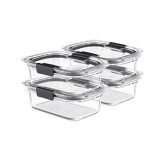
Glass Bulk Food Storage Containers: Organize Your Kitchen with Style

Glass bulk food storage containers have become the cornerstone of modern kitchen organization. Unlike opaque plastic bins, clear glass allows you to instantly verify stock levels without opening lids, reducing search time during meal prep. More importantly, glass is inert. It does not leach chemicals into food, absorb odors, or stain over time, making it the superior choice for storing everything from fresh coffee beans to leftover rotisserie chicken.
This guide breaks down the specific benefits of glass over plastic, explains how airtight seals actually work, and reviews top-performing containers for various kitchen needs. We also include practical tips for maintaining these containers to ensure they remain hygienic and functional for years. For more on this, see our guide on glass food storage containers square.
Why Switch to Glass for Pantry and Freezer Storage
The shift from plastic to glass is driven by both performance and health factors. Plastic containers often develop microscopic scratches that harbor bacteria and absorb strong smells like garlic or fish, which can transfer to neutral foods like pasta or nuts. Glass, being a non-porous surface, prevents this cross-contamination.
Furthermore, glass is fully recyclable at the end of its life, whereas plastic degrades in quality with each recycling cycle. For households focused on sustainability, glass containers significantly reduce single-use waste. When paired with high-quality lids, they create a sealed environment that extends the shelf life of dry goods and prevents freezer burn in cold storage. For more on this, see our guide on martha stewart glass food storage containers.
The Science of Airtight Seals
A true airtight seal is not just about closing the lid; it is about creating a vacuum or pressure balance that prevents gas exchange. Most high-quality glass jars use one of two mechanisms:
- Mechanical Clamping: Wire bail or clamp lids create physical pressure on a gasket. This is ideal for bulk items and pantry staples where you need to open and close the container frequently.
- Suction/Screw-Top Gaskets: These use a silicone or rubber ring compressed against the jar rim. When properly tightened, they create a vacuum that keeps moisture out.
In practice, you can test an airtight seal by placing the jar upside down for a minute. If no liquid leaks and the lid does not pop off, the seal is holding pressure. This simple check ensures your flour stays dry and your coffee stays aromatic.
Choosing the Right Container Size and Shape
Selecting the right size depends on how you use your kitchen. Do not assume a one-size-fits-all approach. Instead, categorize your storage needs into three tiers:
- Small (8–16 oz): Ideal for spices, coffee beans, nuts, and granola.
- Medium (17–36 oz): Perfect for everyday staples like sugar, salt, and baking flour.
- Large (37+ oz): Best for bulk purchases like rice, pasta, oats, and meal-prep leftovers.
Square vs. Round: Square jars maximize shelf space, allowing you to line them up without gaps. Round jars are easier to clean and less likely to trap residue in corners, but they waste space on flat shelves. For a tidy pantry, square containers are generally preferred; for a countertop display, round or tapered designs often look more elegant.
Measuring Markings and Visibility
Many modern glass jars include etched measurement lines. While helpful, they are not always calibrated for volume (cups) vs. weight (grams). For precision baking, always use a kitchen scale rather than relying solely on visual cues. However, for rough portion control, visual markings on large bulk jars are invaluable for tracking when it’s time to restock.
Top 5 Glass Bulk Food Storage Containers Reviewed
The following selection highlights diverse options ranging from compact spice jars to extra-large meal prep vessels. Each review includes a balanced look at pros and cons based on material quality, lid design, and user experience.
1. Liuruiyu 37 Oz Glass Jars with Bamboo Lids (Set of 6)
This set offers a balance of size and quantity, making it a strong entry point for pantry organization. The clear glass body allows for easy inventory checks, while the bamboo lids provide a natural aesthetic that complements most kitchen decors.

Caption: The Liuruiyu jars feature square bases that stack neatly on standard shelves.
Pros:
- Airtight Bamboo Lids: The tight seal prevents moisture ingress, keeping dry goods fresh.
- Uniform Sizing: All six jars are the same size (approx. 4x4x5 inches), simplifying inventory management.
- Versatile Use: Suitable for flour, sugar, cereal, and coffee.
Cons:
- Fragility: Glass requires careful handling, especially when stacking.
- Limited Bulk Capacity: 37 oz may be too small for large pasta or rice bags.
Best For: Home bakers and coffee enthusiasts who want a cohesive set for medium-sized staples. Find the best pantry jars
2. [UPGRADE] 2 Pack Square Super Wide Mouth Airtight Jars
These 1.1-gallon jars are designed for heavy-duty use. The super-wide mouth is a game-changer for transferring bulk items from store packaging without spilling. The inclusion of measurement marks helps with portion control for large batches of marinades or pickles.

Caption: The wide mouth design allows easy scooping of dry goods and thorough cleaning.
Pros:
- Wide Mouth Access: Easy filling and cleaning; no narrow-neck frustration.
- Leak-Proof Lids: Features a spare gasket for long-term reliability.
- Durability: Thick glass construction resists stains and odors.
Cons:
- Bulk Size: May not fit in standard narrow cabinets.
- Weight: Heavier when full, requiring sturdy shelf support.
Best For: Bulk buyers and canners who need large-capacity vessels for dry storage or wet fermentation. View large-capacity jars
3. Vtopmart 78 oz Glass Jars with Clamp Lids (3 Pack)
A classic mason-style jar with a modern twist. The wire clamp lids are robust and ideal for frequent opening and closing. These jars come with chalkboard labels, which are perfect for rotating pantry contents and maintaining a visual organization system.

Caption: Chalkboard labels allow for easy re-identification of contents as seasons change.
Pros:
- Clamp Mechanism: Superior seal for frequent use; easier to open than screw-top.
- Labeling System: Included chalkboard tags enhance organization.
- Retro Aesthetic: Appeals to those who prefer farmhouse-style kitchen decor.
Cons:
- Bulk Weight: At 2.5 lbs each, they are cumbersome to move.
- Fit Issues: Square shape may clash with round shelf space.
Best For: Pantry enthusiasts who want a labeled, easy-access solution for coffee, pasta, and bulk cereals. Check out labeled canisters
4. Large 200 oz Glass Meal Prep Containers (Freezer Safe)
Designed specifically for large-volume food storage, these containers can hold a whole rotisserie chicken or a cut watermelon. They are freezer-safe, making them ideal for batch cooking and storing large portions of soups or stews.

Caption: The integrated handle makes it easier to lift these heavy, freezer-safe containers.
Pros:
- Huge Capacity: 26 cups accommodate large proteins and produce.
- Freezer Safe: Withstands extreme temperatures without cracking.
- Integrated Handle: Simplifies lifting heavy, liquid-filled containers.
Cons:
- Bulky: Requires significant cabinet or fridge space.
- Niche Use: Overkill for everyday dry pantry staples.
Best For: Meal preppers and hosts who cook in large batches and need reliable freezer storage. Shop freezer-safe vessels
5. Vtopmart 7-Pack Multi-Size Glass Jars with Bamboo Lids
This set solves the "what size do I need?" problem by offering a variety of dimensions in one pack. It’s an excellent entry point for those just starting to transition from plastic to glass, allowing you to match jar size to specific ingredients.

Caption: The multi-size set allows for tailored storage of everything from spices to pasta.
Pros:
- Versatility: Seven different sizes cover nearly every pantry need.
- BPA-Free Materials: Safe for food storage and easy to clean.
- Coordinated Look: Uniform design creates a clean, organized appearance.
Cons:
- Individual Fragility: More pieces mean more handling risks.
- Storage Requirement: The entire set takes up more shelf space than a single large bin.
Best For: Beginners or those with diverse cooking needs who want a complete pantry upgrade. Browse multi-size sets
Practical Tips for Using Glass Bulk Containers
Transitioning to glass requires a slight shift in habits to maximize longevity and safety.
Preventing Breakage
A common mistake is placing a hot glass container directly onto a cold, hard surface like marble or granite. Thermal shock can cause cracking. Always allow containers to cool to room temperature before placing them on cold surfaces. Additionally, use felt or silicone mats on shelf edges to cushion the glass.
Maintaining Airtightness
Lids are the weak link in most glass storage systems. Inspect gaskets (the rubber rings inside lids) regularly. If they look cracked, flattened, or have food residue baked in, replace them. For clamp lids, ensure the wire mechanism isn’t rusted or bent, as this compromises the seal. A good gasket can last years, but it’s a consumable part.
Cleaning and Care
- Daily: Hand wash with mild detergent and a soft sponge.
- Deep Clean: Soak jars in warm water with a sprinkle of baking soda to neutralize odors and remove residue.
- Dishwasher: Most glass bodies are dishwasher safe, but check manufacturer guidelines for lids. High heat can warp plastic lid components.
- Drying: Dry lids separately to prevent moisture buildup, which can lead to mold or off-flavors in the seal.
For more comprehensive cleaning routines for kitchenware, check out our guide on routine upkeep for kitchen tools.
Safety and Health Considerations
Glass is generally considered the safest material for food storage, but context matters.
Temperature Shocks
While glass is freezer-safe, sudden changes from freezer to oven can cause shattering. Always bring frozen glass containers to room temperature before reheating in the microwave or oven. If the lid is tight, release the vacuum by loosening it slightly before heating to prevent the lid from popping off violently.
Material Integrity
Inspect jars for chips or cracks regularly. A small chip can become a fracture point under pressure or temperature stress. If you see a hairline crack, retire the container immediately. For guidelines on handling hazardous materials in the kitchen, refer to resources on non-toxic storage solutions.
Pesticide Residue and Contamination
Because glass is inert, it does not react with acidic foods like tomato sauce or citrus. This is a significant advantage over metal or low-quality plastic. To ensure your containers remain sanitary, follow standard food safety guidelines outlined by the Food and Drug Administration (FDA).
Frequently Asked Questions
How long do glass bulk food containers last?
High-quality glass bodies can last indefinitely if not chipped. The limiting factor is usually the lid gasket, which may need replacement every 1–3 years depending on usage. Wire clamps and screw-top mechanisms can also wear out over time.
Can I store hot liquids in glass jars?
Most tempered glass containers are rated for hot liquids, but check the specific product label. Untempered glass may crack with sudden thermal shock. For safety, let hot liquids cool slightly before pouring into glass, and avoid placing hot glass on cold metal racks.
What is the difference between mason jars and bulk storage jars?
Mason jars typically have two-piece lids (band + lid) designed for canning and sealing. Bulk storage jars often use single-piece silicone or clamp lids designed for repeated opening and closing. Mason jars are excellent for pantry use, but bulk-specific jars usually have wider mouths for easier access.
How do I remove strong odors from glass jars?
Odors in glass are rare, but if you notice one, soak the jar in a mixture of water and baking soda for 24 hours. Vinegar can also be used for mineral deposits or sticky residues. Thoroughly rinse and dry before refilling.
Are glass containers better for freezing than plastic?
Yes. Glass does not absorb freezer odors or develop freezer burn patches the way plastic does. It also maintains its structural integrity better in the cold, whereas plastic can become brittle. Just remember to leave headspace for liquid expansion.
Conclusion
Organizing your kitchen with glass bulk food storage containers is a long-term investment in food freshness, hygiene, and aesthetic appeal. By selecting the right size for your needs, maintaining the airtight seals, and following proper handling practices, you can eliminate the clutter of original packaging and create a streamlined pantry.
Start with a small set of multi-size jars to test the workflow, then expand to large-capacity vessels for bulk buying. Whether you prefer the rustic charm of bamboo lids or the industrial reliability of clamp-top mason jars, glass offers a superior alternative to plastic for modern households.
Take the first step toward a tidier, healthier kitchen today. Explore the full range of options and find the sets that fit your space. Discover curated pantry organization tools

Hi, I’m Daniel Brooks—a food lover and kitchen gear enthusiast. I enjoy testing cookware, utensils, and gadgets to see what really works in everyday cooking. At PlugChef.com, I share honest reviews, comparisons, and simple guides to help you choose the best tools for a safer, smarter, and more enjoyable kitchen.
Similar Posts