
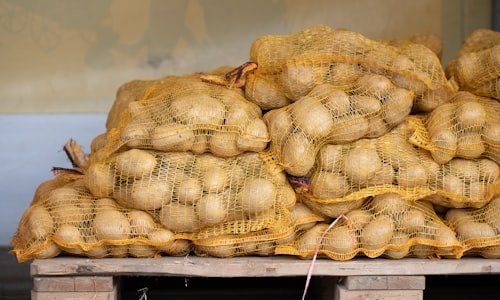
Are you tired of your potatoes going bad before you get a chance to use them all? Imagine having fresh, tasty potatoes ready whenever you need them, without the stress of spoilage.
Long term storage for potatoes can save you money, reduce waste, and make meal planning easier. You’ll discover simple, effective ways to keep your potatoes fresh for months. Keep reading to unlock the secrets that will change how you store your potatoes forever.
Choosing The Right Potatoes
Choosing the right potatoes is the first and most important step for successful long-term storage. The type of potato you pick influences how well it will keep over time. Freshness and quality at the start can save you from wasted food and disappointment later.
Varieties Best For Storage
Not all potatoes are created equal when it comes to storing them for months. Some varieties have thicker skins and denser flesh, which help them last longer without sprouting or rotting.
- Russet potatoes:Known for their rough skin and starchy texture, they store well in cool, dark places.
- Kennebec:These have a firm texture and resist shriveling, making them excellent for storage.
- Red Pontiac:With thicker skins, they hold up well but prefer slightly higher humidity.
Have you noticed some potatoes turning soft or sprouting quickly? Choosing the right variety can cut down on those issues significantly.
Selecting Fresh Potatoes
Freshness at purchase is key. Always look for potatoes that are firm and heavy for their size. This indicates they are full of moisture and not drying out.
Avoid potatoes with green spots—they contain solanine, which tastes bitter and can be harmful in large amounts. Fresh potatoes also have intact skins without wrinkles or shriveling, which protect the tuber inside.
Next time you shop, give your potatoes a gentle squeeze. If they feel soft or spongy, leave them behind. Your storage success depends on starting with the best.
Avoiding Damaged Tubers
Damaged potatoes spoil much faster and can infect others in storage. Check carefully for cuts, bruises, or holes before storing.
Even small nicks can become entry points for bacteria and fungi. Discard any potatoes with signs of rot or mold immediately.
Have you ever found a single rotten potato ruining the whole batch? Taking time to pick only perfect tubers prevents this frustrating problem.

Credit: food52.com
Preparing Potatoes For Storage
Preparing your potatoes properly before storing them can make a huge difference in how long they last and how well they keep their flavor and texture. Taking the time to clean, cure, and sort them carefully sets the stage for successful long-term storage. Let’s look at some practical steps you can take to get your potatoes ready.
Cleaning Techniques
Start by gently brushing off excess dirt from your potatoes. Avoid washing them with water unless they are very dirty, as moisture can lead to rot during storage.
If you must wash, do it quickly and dry them thoroughly before storing. Use a soft brush or cloth to clean without damaging the skin.
Have you noticed that bruised or scratched potatoes spoil faster? Cleaning carefully helps you spot any damage early so you can remove those potatoes before storage.
Curing Process Benefits
Curing your potatoes means letting them rest in a warm, humid place for about 1 to 2 weeks. This process helps heal small cuts and thickens their skin, which protects against rot.
Place your potatoes in a dark area with temperatures around 50-60°F (10-15°C) and humidity near 85-95%. The curing period toughens the skin and reduces moisture loss.
Have you ever skipped curing and found your potatoes shriveled quickly? Curing can extend their life by weeks or even months, making it well worth the effort.
Sorting By Size And Quality
Before storing, sort your potatoes by size and quality. Keep large, healthy potatoes separate from smaller or damaged ones.
Damaged or bruised potatoes can cause others to rot faster, so remove any with cuts, bruises, or signs of disease. Store your best potatoes in a cool, dark place.
Sorting helps you plan how to use your potatoes too. Smaller or imperfect ones are better for immediate cooking, while the best ones stay in storage longer.
Ideal Storage Conditions
Storing potatoes correctly ensures they stay fresh longer. Proper storage conditions are crucial for maintaining their quality. Let’s explore the ideal environment for storing potatoes.
Optimal Temperature Range
Potatoes should be stored at cool temperatures. The ideal range is 45°F to 55°F. This range prevents sprouting and decay. Too cold can turn starches into sugar, altering taste.
Humidity Levels To Maintain
Potatoes need a humid environment. Aim for 85% to 95% humidity. This prevents them from drying out. Low humidity leads to shriveled potatoes. High humidity keeps them plump and fresh.
Light Exposure And Its Effects
Light causes potatoes to turn green. Green potatoes can be toxic. Store them in complete darkness. Use a burlap sack or a cardboard box. This blocks out light and keeps them safe.

Credit: www.youtube.com
Storage Methods
Proper storage methods keep potatoes fresh for months. Choosing the right way depends on space, temperature, and humidity. Potatoes need cool, dark, and well-ventilated places. Avoid storing them near onions or fruits that release gases, causing spoilage.
Root Cellars And Basements
Root cellars and basements provide ideal conditions for storing potatoes. These places are naturally cool and dark. They keep temperatures between 45°F and 50°F, perfect for potatoes. Humidity should be around 85% to prevent drying out. Ventilation is key to stop mold and rot.
Store potatoes in wooden crates or boxes with holes. Avoid plastic bags here to allow air flow. Check potatoes weekly and remove any that show signs of spoilage.
Refrigeration Pros And Cons
Refrigerators keep potatoes cold but not always ideal. Cold temperatures below 40°F turn potato starch into sugar. This changes their taste and texture when cooked. Potatoes stored in the fridge may become sweet and gritty.
Use refrigeration only for short-term storage or for peeled potatoes. Keep them in a paper bag or perforated plastic to reduce moisture buildup. Remove potatoes from the fridge a day before cooking for better flavor.
Using Storage Bags And Containers
Special storage bags and containers help extend potato shelf life. These are usually breathable to let air pass through. They keep moisture balanced and protect from light.
- Use burlap or cotton bags for good ventilation.
- Plastic containers with holes also work well.
- Avoid sealed plastic bags that trap moisture and cause rot.
Store containers in a cool, dark place. Label bags with the date to track freshness. Clean containers between uses to prevent disease spread.
Common Storage Problems
Storing potatoes long term can be tricky because several common problems often pop up. These issues not only reduce the shelf life but also affect the quality and safety of your potatoes. Knowing how to spot and handle these problems early can save you a lot of wasted food and effort.
Preventing Sprouting
Sprouting happens when potatoes sense warmth and light, signaling them to grow new shoots. To keep sprouts at bay, store your potatoes in a cool, dark place with temperatures between 45-50°F (7-10°C). Avoid storing them near onions, as gases from onions can encourage sprouting faster.
If you notice small sprouts, snap them off immediately. Leaving them on can cause the potato to lose nutrients and develop a bitter taste. Have you ever found sprouted potatoes in your pantry? Removing sprouts quickly can keep the rest of your stash fresher for longer.
Dealing With Rot And Mold
Rot and mold thrive in damp, warm environments. Moisture is the enemy here, so always keep your storage area dry and well-ventilated. Using burlap sacks or perforated containers allows air to circulate and reduces the chances of mold growth.
Check your potatoes often and remove any showing soft spots or discoloration immediately. A single rotten potato can quickly infect the entire batch. How often do you inspect your stored potatoes? Regular checks can prevent a small problem from turning into a big mess.
Avoiding Greening
Green potatoes contain solanine, a toxin that develops when tubers are exposed to light. To avoid greening, keep your potatoes in complete darkness or cover them with a thick cloth or paper. Even a small amount of light can trigger the green color and make them unsafe to eat.
If you spot green patches, cut them off before cooking, but if the greening is widespread, it’s safer to discard the potato. Have you ever eaten a green potato by mistake? Protecting your stash from light can prevent this risk and keep your potatoes delicious and safe.
Extending Shelf Life
Extending the shelf life of potatoes is key to reducing waste and saving money. Potatoes need the right care to stay fresh for months. Proper storage slows down sprouting and rotting. A few simple steps help keep potatoes firm and tasty.
Regular Inspection Tips
Check stored potatoes every week. Look for soft spots, sprouts, or mold. Remove any damaged potatoes immediately. This stops rot from spreading to others. Use a gentle touch to avoid bruising. Keep the storage area clean and dry to prevent mold growth.
Separating Potatoes From Other Produce
Store potatoes away from onions and fruits like apples. These release gases that speed up potato spoilage. Keep potatoes in a cool, dark place with good airflow. Use paper bags, burlap sacks, or ventilated boxes. Avoid plastic bags, which trap moisture and cause rot.
Using Natural Preservatives
Natural substances help keep potatoes fresh longer. Sprinkling a little bit of ash or wood charcoal in storage slows sprouting. A small amount of crushed cloves can deter pests. Some people use dried herbs like rosemary for freshness. These natural options are safe and easy to use.

Credit: www.youtube.com
Frequently Asked Questions
How Do I Store Potatoes Long Term At Home?
Store potatoes in a cool, dark, and well-ventilated place. Ideal temperature is 45-50°F (7-10°C). Avoid sunlight to prevent greening. Use paper bags or burlap sacks for airflow. Check regularly for soft or sprouting potatoes and remove them promptly.
Can Potatoes Be Stored In The Refrigerator?
Refrigeration is not recommended for raw potatoes. Cold temperatures convert starch to sugar, altering flavor and texture. However, cooked potatoes can be refrigerated safely for up to 3-5 days. For long-term storage, keep raw potatoes in a cool, dark environment instead.
What Is The Best Container For Storing Potatoes?
Use breathable containers like paper bags, burlap sacks, or wooden crates. Avoid plastic bags, as they trap moisture and cause rot. Proper airflow prevents mold and sprouting. Containers should keep potatoes dark and cool while allowing ventilation.
How Can I Prevent Potatoes From Sprouting During Storage?
Keep potatoes in a cool, dark place with good ventilation. Avoid exposure to light and warmth. Do not wash potatoes before storing, as moisture encourages sprouting. Adding an apple to the storage container may help delay sprouting due to ethylene gas.
Conclusion
Storing potatoes for a long time takes care and the right steps. Keep them cool, dark, and dry to stop sprouting and rotting. Check your potatoes often to catch any bad ones early. Proper storage helps save money and reduces waste.
Fresh potatoes last longer and taste better. Small efforts make a big difference in keeping your potatoes good. Try these simple tips and enjoy your potatoes for weeks. Good storage means you always have potatoes ready to cook. Easy and effective.

Hi, I’m Daniel Brooks—a food lover and kitchen gear enthusiast. I enjoy testing cookware, utensils, and gadgets to see what really works in everyday cooking. At PlugChef.com, I share honest reviews, comparisons, and simple guides to help you choose the best tools for a safer, smarter, and more enjoyable kitchen.
Related posts:
 What Type of Cooking Utensils are Safe: Expert Picks
 What Innovations Could Blenders Make: Unleashing Future Tech
 Smart Strategies to Organize a Small Kitchen: Maximize Space
 How to Organize a Kitchen Cabinet: Expert Tips & Tricks
 How to Organize Kitchen Drawers: Expert Tips and Tricks
 How to Organize a Corner Kitchen Cupboard: Expert Tips

