
There’s nothing more frustrating than reaching for garlic to cook a weeknight meal, only to find your bulb has sprouted green shoots, turned soft, or grown fuzzy mold. Not only does spoiled garlic waste money and require a last-minute grocery run, but it also loses the bright, pungent flavor that makes it a staple in kitchens worldwide. If you’ve ever asked, “How do I store garlic to keep it fresh for months?”, this 2026 guide has you covered. We’ll walk through expert-backed tips for storing whole bulbs, prepped garlic, and long-term preservation methods, plus common mistakes to avoid and how to use stored garlic for maximum flavor in all your favorite dishes.
Choosing the Right Garlic for Long-Lasting Storage
The shelf life of your garlic starts before you even bring it home. Selecting high-quality bulbs and preparing homegrown garlic correctly will set you up for months of fresh, flavorful use.
Spotting Fresh, High-Quality Bulbs
Look for garlic bulbs that feel firm and heavy for their size, with tight, unbroken papery skin. Avoid bulbs with soft spots, bruising, or visible mold, as these are signs of age or poor pre-storage handling. If you can smell the garlic, it should have a strong, pungent, fresh aroma — musty or weak smelling bulbs are already past their prime. For pre-packaged garlic, skip bags with visible condensation, as excess moisture inside the packaging will speed up spoilage.
Hardneck vs. Softneck: Which Stores Longer?
Garlic falls into two main categories, each with different storage timelines and flavor profiles:
- Hardneck varieties (Rocambole, Porcelain, Purple Stripe) have a stiff central stalk and bold, complex flavor, but typically only store for 3–4 months at room temperature.
- Softneck varieties (Artichoke, Silverskin) have a flexible stem, milder flavor, and are the most common type sold in supermarkets. They store significantly longer, often lasting 4–6 months when kept in ideal conditions.
Curing Homegrown Garlic for Optimal Storage
If you grow your own garlic, proper curing after harvest is non-negotiable for long shelf life. After digging up bulbs, brush off excess dirt (do not wash them), trim roots to ¼ inch, and hang bulbs in a warm, dry, well-ventilated area out of direct sunlight for 2–4 weeks. Once the papery skin is dry and the stems are stiff, trim stems to 1–2 inches and store as you would store-bought garlic.
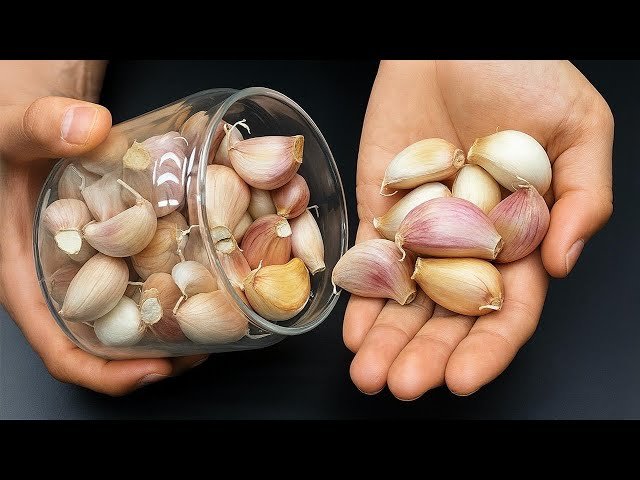
 Fresh, firm bulbs with dry, unbroken skin will store significantly longer than damaged or aged heads.
Credit: www.youtube.com
Fresh, firm bulbs with dry, unbroken skin will store significantly longer than damaged or aged heads.
Credit: www.youtube.com
Ideal Storage Conditions for Whole Garlic Bulbs
Whole, unpeeled garlic has specific environmental needs to stay fresh for months. Deviating from these conditions will speed up sprouting, mold growth, and flavor loss.
Temperature, Humidity, and Light Requirements
According to USDA food storage guidelines, whole garlic bulbs stay freshest when stored at a consistent 60–65°F (15–18°C) with 45–50% relative humidity. Avoid storing garlic near heat sources like ovens, dishwashers, or radiators, as temperature fluctuations speed up spoilage. If you live in an extremely humid climate, you can add a single food-safe desiccant packet to your storage container to absorb excess moisture, just be sure it does not come into direct contact with the bulbs.
Light exposure triggers sprouting and can produce bitter flavors in garlic, so always store bulbs in a dark space like a pantry, cupboard, or drawer away from direct sunlight.
Airflow: The Non-Negotiable Factor
Good airflow is critical to preventing moisture buildup, which leads to mold and rot. Never store whole garlic bulbs in sealed plastic bags, airtight glass jars, or other containers that trap air. Instead, opt for breathable options like mesh produce bags, paper bags with small ventilation holes, woven baskets, or ceramic garlic keepers with built-in vents.
Storing Whole, Unpeeled Garlic Bulbs
Once you’ve selected fresh bulbs and set up an ideal storage space, follow these best practices to maximize shelf life.
Countertop and Pantry Storage Best Practices
For most home cooks, storing garlic in a breathable container on the countertop or in a cool, dark pantry is the simplest, most effective method. Hanging mesh bags of garlic on a hook in your pantry keeps bulbs from touching surfaces and allows air to circulate on all sides. If you use a basket, avoid piling bulbs on top of each other, as this can trap moisture and cause bruising.
What to Avoid (And Why the Fridge Is a Bad Idea for Whole Bulbs)
A common mistake is storing whole garlic bulbs in the refrigerator. Cold temperatures and condensation from frequent door openings trigger rapid sprouting, rubbery texture, and odor absorption from other foods. If you’ve already stored whole bulbs in the fridge and notice sprouting, don’t toss them right away: simply remove the green sprout (which has a bitter flavor) and use the clove as normal, though the texture may be slightly softer than a bulb stored at room temperature.
 Proper airflow in a woven basket keeps whole garlic bulbs dry and prevents sprouting.
Credit: www.youtube.com
Proper airflow in a woven basket keeps whole garlic bulbs dry and prevents sprouting.
Credit: www.youtube.com
Storing Peeled, Chopped, or Minced Garlic
Once garlic is peeled, chopped, or minced, its protective papery skin is removed, exposing it to air and moisture that speeds up spoilage. These methods are best for prepping garlic ahead of time for quick weeknight cooking.
Refrigerator Guidelines for Short-Term Use
Store peeled or chopped garlic in an airtight glass jar or resealable food-safe container in the refrigerator. It will stay fresh for 7–10 days, though its pungency will start to fade after 5 days. If you buy pre-peeled garlic from the store, keep it in its original sealed packaging and follow the use-by date on the label, which is typically 2 weeks from packaging if unopened.
Freezing Garlic for 6+ Months of Flavor
Freezing is the best option for long-term storage of prepped garlic, as it locks in flavor for up to 6 months. For easiest use, spread peeled, chopped garlic in a single layer on a baking sheet and flash-freeze for 2 hours, then transfer the frozen pieces to a freezer-safe bag. This prevents the pieces from sticking together, so you can grab exactly what you need for a recipe. For a more convenient option, mix minced garlic with a small amount of olive oil and freeze the mixture in ice cube trays, then transfer the frozen cubes to a bag for portioned use in soups, stir-fries, and sauces. Note that frozen garlic loses its crisp texture, so it is best used in cooked dishes, not raw applications like dressings.
Safe Garlic-In-Oil Storage (No Botulism Risk)
Infusing garlic in oil is a great way to add garlic flavor to dressings, marinades, and dipping sauces, but it carries a botulism risk if stored incorrectly. According to food safety guidance, the anaerobic (oxygen-free) environment of sealed oil allows Clostridium botulinum spores to grow if the mixture is stored at room temperature. All garlic stored in oil must be kept refrigerated at all times, and used within 7 days, or frozen for up to 3 months. Never store garlic-infused oil on the countertop, even if it is in a sealed bottle.
Long-Term Garlic Preservation Methods
If you grow your own garlic or buy in bulk, these preservation methods will let you enjoy garlic’s flavor year-round.
Dehydrating Garlic for Year-Round Use
Drying removes all moisture from garlic, preventing mold and sprouting for up to 1 year of storage. Slice peeled cloves ⅛-inch thick and spread in a single layer on dehydrator trays, drying at 125°F (52°C) for 8–12 hours, or on a baking sheet in an oven set to its lowest temperature with the door cracked for 6–8 hours, until the slices snap cleanly when bent. Store dried garlic slices or ground garlic powder in airtight containers in a cool, dark place. Dried garlic is perfect for seasoning rubs, soups, and roasted vegetables.
Pickling Garlic for a Tangy, Shelf-Stable Option
Pickled garlic has a bright, tangy, briny flavor that works well in charcuterie boards, salads, and on pizza. To make it, pack peeled garlic cloves into sterilized glass jars, then cover with a boiling mixture of equal parts white vinegar and water, plus 1 tablespoon of salt per quart of liquid. For shelf-stable storage that lasts up to 1 year, process the jars in a boiling water bath for 10 minutes, following University of Minnesota Extension’s home food preservation guide for safe canning procedures. For fridge storage, skip the canning step and keep pickled garlic in the refrigerator for up to 3 months.
 Pre-peeled or chopped garlic is best used within 7–10 days when stored in the refrigerator.
Credit: www.youtube.com
Pre-peeled or chopped garlic is best used within 7–10 days when stored in the refrigerator.
Credit: www.youtube.com
Common Garlic Storage Mistakes to Avoid
Even small missteps can cut your garlic’s shelf life in half. Avoid these common errors to keep your bulbs fresh longer:
- Storing whole bulbs in sealed containers or plastic bags: This traps moisture and leads to mold within a week, even in cool pantries. Always use breathable packaging for whole bulbs.
- Storing garlic near potatoes, onions, or strong cheeses: These items release ethylene gas and excess moisture as they age, which speeds up garlic spoilage and causes it to absorb unwanted odors.
- Removing the papery skin from whole bulbs before storage: The skin protects cloves from air and moisture, so leave it intact until you’re ready to use the garlic.
- Storing garlic in direct sunlight or near heat sources: Light and heat trigger sprouting and flavor loss, so keep bulbs away from windows, ovens, and dishwashers.
How to Tell If Stored Garlic Has Gone Bad
Check your garlic regularly for signs of spoilage to avoid using rotten cloves in your cooking:
- Soft, mushy, or shriveled cloves
- Dark green, black, or white fuzzy mold spots on the skin or cloves
- A sour, rotten, or yeast-like smell instead of the usual pungent garlic aroma
- Long, thick green sprouts (if the sprout is small, you can cut it out and use the clove, but if the clove is soft or shriveled, discard it)
If only a few cloves are bad, discard the affected ones and check the rest of the bulb for signs of rot. If you’re ever unsure if garlic is still good, it’s better to toss it — garlic is inexpensive, and food poisoning is never worth the risk.
Using Stored Garlic for Maximum Flavor
Stored garlic can lose some of its pungency over time, but simple tricks can refresh its flavor for any recipe.
Refreshing Stale Garlic for Better Taste
For garlic that’s been stored for 3+ months and has lost its sharp bite, toast whole unpeeled cloves in a dry skillet over medium heat for 5–7 minutes, turning occasionally, until the skin is charred and the cloves are soft. Let them cool, then squeeze the soft, sweet roasted garlic out of the skin to spread on crusty bread, mash into potatoes, or stir into hearty bean stew for a rich, umami boost. For a quick weeknight appetizer, top homemade thin crust pizza with thinly sliced roasted garlic and mozzarella for a savory, caramelized treat.
Pairing Stored Garlic with Your Favorite Recipes
Fresh, pungent garlic is the star of spicy bang bang chicken, lending its signature kick to the dish’s creamy, sweet, and spicy sauce. For a bright, fresh meal, stir minced garlic into a sauce for sweet and sour shrimp to add depth to the tangy, fruity base. Preserved minced garlic is also a great addition to the dressing for a jarred Greek salad, lending a bold, fresh bite that pairs perfectly with feta, olives, and crisp vegetables. To keep your storage area free of excess moisture that can damage garlic bulbs, make sure to regularly clean absorbent surfaces near your pantry, a quick task covered in our kitchen mat care guide, to reduce humidity levels that encourage mold growth on stored produce.
Frequently Asked Questions
How do I store garlic to keep it fresh longer?
Store whole, unpeeled garlic bulbs in a cool, dark, dry spot with consistent temperatures between 60–65°F (15–18°C) and good airflow, such as a pantry or cupboard away from heat sources. Use breathable containers like mesh bags, paper bags, or woven baskets, and avoid sealed plastic or airtight containers that trap moisture. Properly stored whole bulbs can last 3–6 months, depending on variety and initial freshness.
Can I store garlic in the refrigerator?
Whole garlic bulbs should never be stored in the refrigerator, as cold temperatures and condensation from frequent door openings trigger sprouting, rubbery texture, and mold growth. Peeled, chopped, or pre-minced garlic can be stored in an airtight container in the fridge for 7–10 days, while unopened store-bought pre-peeled garlic can last up to 2 weeks if kept refrigerated.
What is the best container for garlic storage?
The best containers for whole garlic bulbs are breathable options that allow air to circulate while blocking light: mesh produce bags, paper bags with small ventilation holes, woven baskets, or ceramic garlic keepers designed for countertop storage. Avoid sealed plastic bags, glass jars with tight lids, or any container that traps moisture, as this will cause the bulbs to rot quickly.
How long does stored garlic last at room temperature?
When stored correctly, whole softneck garlic bulbs (the most common supermarket variety) can last 4–6 months at room temperature, while hardneck varieties (known for their stronger, more complex flavor) typically last 3–4 months. Peeled or chopped garlic will only last 7–10 days in the fridge, while frozen garlic can be stored for up to 6 months.
Can I freeze whole garlic bulbs?
You can freeze whole garlic bulbs, but it is not recommended for most home cooks, as thawed bulbs develop a soft, mushy texture that is only suitable for cooked dishes. If you choose to freeze whole bulbs, wrap each tightly in plastic wrap and store in a freezer-safe bag for up to 1 year. For better results, peel and chop garlic before freezing, either flash-frozen on a baking sheet or mixed with oil and frozen in ice cube trays for easy portioning.
Conclusion
Storing garlic properly doesn’t require fancy equipment or complicated steps — it just comes down to controlling temperature, humidity, light, and airflow to slow down spoilage. By choosing fresh, high-quality bulbs, storing whole heads in a cool, dark, breathable container, and using proper methods for prepped and long-term preserved garlic, you can keep your garlic fresh, flavorful, and ready to use for months on end. Avoid common pitfalls like refrigeration for whole bulbs, sealed containers, and storing garlic near moisture-producing vegetables like potatoes and onions, and always check for signs of spoilage before use. With these expert tips, you’ll never have to deal with sprouted, moldy garlic again, and you can enjoy its bold, savory flavor in everything from quick weeknight stir-fries to slow-simmered stews. For more easy, flavorful recipes that make the most of fresh and preserved garlic, browse our full library of tested home cooking ideas.

Hi, I’m Daniel Brooks—a food lover and kitchen gear enthusiast. I enjoy testing cookware, utensils, and gadgets to see what really works in everyday cooking. At PlugChef.com, I share honest reviews, comparisons, and simple guides to help you choose the best tools for a safer, smarter, and more enjoyable kitchen.
Related posts:
 How to Make a Fruit Basket for a Gift: Easy DIY Guide
 Do You Need a Basket? Essential Guide for Air Fryers
 Brown Kitchen Cabinets With Stainless Steel Appliances: Modern Elegance
 White Appliances in Kitchen Design: Elevate Your Space
 Kitchen Appliances Stainless Steel Vs White: Ultimate Showdown
 Kitchen Appliances Made in Usa: Quality and Innovation

