
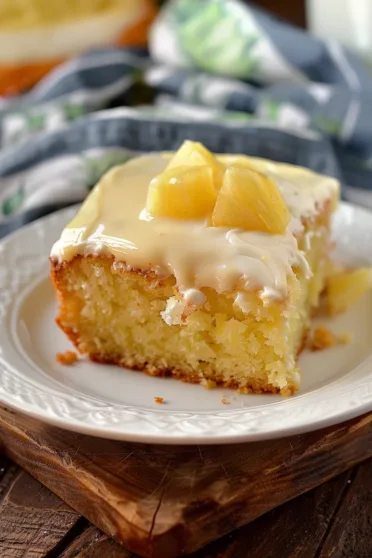
Are you ready to discover a dessert that will wow your taste buds and impress everyone at your next gathering? Pineapple Cake with Cream Cheese Frosting is exactly what you need.
This delightful combination blends the sweet, tangy flavor of pineapple with the rich, smooth texture of cream cheese frosting. Imagine biting into a moist, fluffy cake that melts in your mouth, topped with a creamy frosting that perfectly balances the sweetness.
Whether you’re baking for a special occasion or just treating yourself, this recipe will become your new favorite. Keep reading, and you’ll learn how to make this irresistible dessert step-by-step!
Pineapple Cake Basics
Pineapple cake is a delightful treat that balances sweet and tangy flavors perfectly. Understanding the basics of making this cake helps you get that ideal texture and taste every time. Let’s dive into some key points that will transform your pineapple cake experience.
Choosing The Right Pineapple
Fresh pineapple is your best friend for a vibrant and natural flavor. Look for pineapples that smell sweet at the base and have a firm, golden skin. Avoid ones that feel too soft or have brown spots, as they may be overripe or mushy.
If fresh pineapple isn’t available, canned crushed pineapple packed in juice (not syrup) works well. The juice adds moisture without extra sweetness, which keeps your cake balanced.
Baking Tips For Moist Cake
Moisture is key for pineapple cake, especially since pineapple can dry out the batter if not handled right. Make sure to drain canned pineapple well but keep some juice to add into the mix.
Try folding the pineapple gently into the batter to avoid breaking down the fruit too much. Baking at a moderate temperature, around 350°F (175°C), helps the cake cook evenly without drying out.
Have you ever noticed how letting the cake cool in the pan for a bit helps it stay moist? It traps steam and prevents the cake from drying too quickly.
Flavor Enhancers
Adding a pinch of cinnamon or nutmeg can deepen the flavor without overpowering the pineapple. Vanilla extract is another simple addition that enhances sweetness naturally.
You might want to experiment with a splash of coconut milk or a handful of chopped nuts for texture and a tropical twist. These subtle touches can make your pineapple cake stand out.
What flavor twist will you try to make your pineapple cake uniquely yours?
Cream Cheese Frosting Essentials
Cream cheese frosting is the crown jewel of pineapple cake, bringing a smooth, tangy sweetness that complements the tropical fruit perfectly. Getting this frosting right can make your cake unforgettable, but it hinges on a few key elements. Let’s dive into what makes cream cheese frosting truly exceptional.
Selecting Quality Cream Cheese
Your frosting starts with cream cheese, so choose wisely. Opt for full-fat cream cheese without added flavors or herbs to keep the taste pure and rich. Avoid low-fat versions—they tend to be watery and won’t whip up to the right consistency.
Have you ever noticed how some frostings separate or turn runny? That often happens because the cream cheese wasn’t fresh or cold enough. Always chill your cream cheese before mixing to keep the texture smooth and firm.
Perfect Frosting Texture
The texture of your cream cheese frosting can make or break the experience. It should be light and fluffy, not dense or greasy. Achieve this by beating the cream cheese and butter together until creamy before slowly adding powdered sugar.
Adding powdered sugar too quickly can cause graininess or lumps. Patience is key—blend gently but thoroughly. If your frosting feels too stiff, a splash of milk or cream can soften it without losing stability.
Sweetness Balance
Sweetness in cream cheese frosting needs to complement the pineapple cake, not overpower it. Powdered sugar is your main sweetener, but taste as you go. Start with less and add more to match your preference.
Think about your audience—some like it sweeter, others prefer tangier frosting. You can adjust the balance by tweaking the sugar or adding a hint of vanilla extract for depth. How do you like your frosting: more tangy or sweet?
Combining Flavors
Creating a pineapple cake with cream cheese frosting is a delight. The tangy cream cheese and sweet pineapple balance beautifully. This combination offers a taste sensation that’s both refreshing and rich. Let’s explore how these flavors unite to create magic.
Pairing Pineapple With Cream Cheese
Pineapple’s natural sweetness complements cream cheese’s tangy taste. This blend creates a pleasing contrast. The creaminess of the cheese softens the bold pineapple flavor. This pairing transforms a simple cake into a tropical treat. Balance is key. Use fresh or canned pineapple for best results.
Adding Tropical Twists
Enhance the tropical feel with coconut flakes. Add a hint of lime for a citrusy punch. Mango chunks can introduce another layer of flavor. Each ingredient adds its own charm. Experiment with your favorite tropical fruits. Personalize the cake to suit your taste.
Layering Techniques
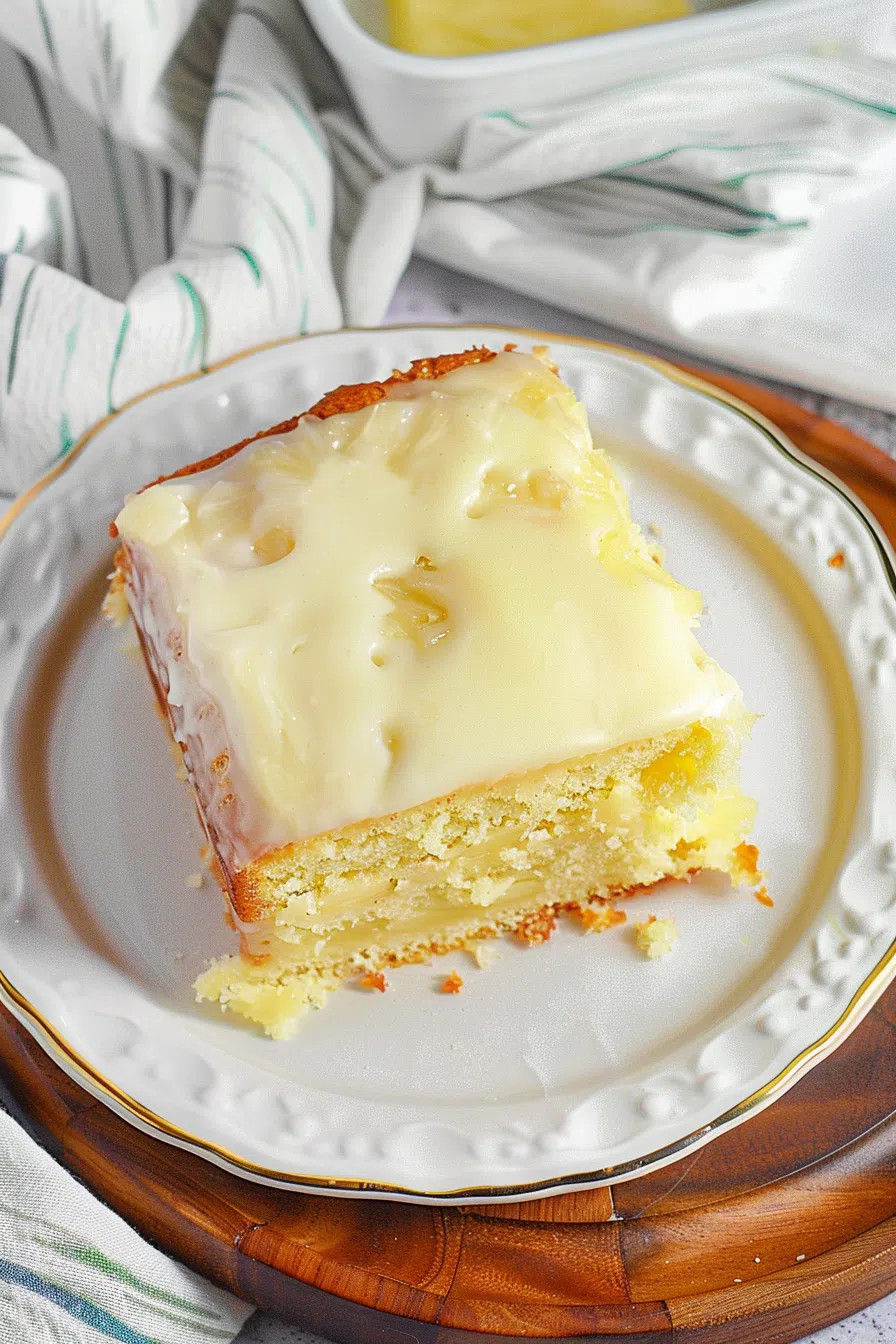
Layering the cake enhances its presentation and flavor. Alternate pineapple chunks and cream cheese frosting between cake layers. Ensure even distribution for consistent taste in every bite. Use a spatula to smooth the frosting evenly. Consider using a serrated knife for clean cuts.
Credit: nodashofgluten.com
Decoration Ideas
Decorating Pineapple Cake with Cream Cheese Frosting can be fun and creative. The right decoration adds charm and makes the cake look fresh and inviting. Use simple ideas to make your cake stand out at any gathering.
Tropical Garnishes
Use fresh pineapple slices to highlight the tropical flavor. Add small pieces of toasted coconut for texture and color. Bright maraschino cherries give a pop of red against the white frosting. Fresh mint leaves bring a cool, green touch that brightens the cake.
Creative Piping Designs
Pipe swirls and rosettes with cream cheese frosting for a soft, elegant look. Use a star tip for texture and depth. Try simple dots or lines around the edges to frame the cake. Mixing white and yellow frosting creates a sunny, tropical feel.
Presentation Tips
- Place the cake on a wooden or bamboo board for a rustic look.
- Serve with tropical fruits arranged around the base.
- Use a clear glass cake stand to showcase the layers.
- Add small, edible flowers for a delicate, natural touch.
Serving And Storage
Serving and storing pineapple cake with cream cheese frosting requires care to keep it fresh and tasty. Proper serving enhances its flavor and texture. Correct storage maintains moisture and prevents spoilage. Knowing how to freeze and thaw helps enjoy this cake later without losing quality.
Best Serving Suggestions
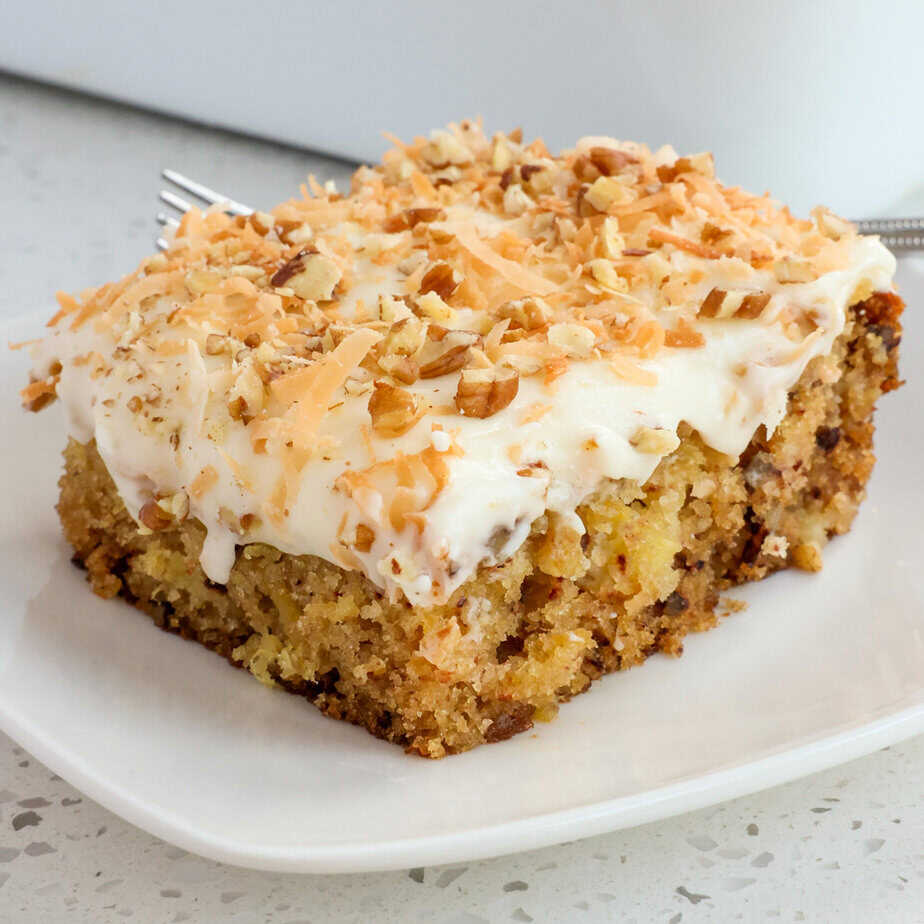
Serve pineapple cake chilled or at room temperature. Chilling helps the cream cheese frosting stay firm. Room temperature makes the cake soft and moist. Cut the cake into small slices for easy handling. Garnish with fresh pineapple chunks or toasted coconut for extra flavor. Pair with a cup of tea or coffee for a perfect treat.
Keeping Cake Fresh
Store the cake in an airtight container to keep it moist. Place it in the refrigerator to extend freshness. Avoid leaving the cake out for more than two hours. Use plastic wrap or foil to cover any cut edges. Keep away from strong-smelling foods to avoid flavor transfer. Consume within 3-4 days for best taste.
Freezing And Thawing
Freeze pineapple cake wrapped tightly in plastic wrap. Then place it inside a freezer-safe container or bag. This prevents freezer burn and preserves flavor. Freeze for up to 2 months for best quality. Thaw the cake in the refrigerator overnight before serving. Avoid microwaving to thaw, as it can spoil the texture. Let the cake reach room temperature before slicing.
Credit: www.smalltownwoman.com
Troubleshooting Common Issues
Dealing with issues in your pineapple cake cream cheese frosting can be frustrating, especially when you want that perfect balance of flavor and texture. Whether your frosting turns out too runny, your cake feels dry, or the frosting separates, these common problems can throw off your baking experience. Let’s tackle these challenges with simple, effective fixes that will keep your cake delicious and your frosting smooth every time.
Fixing Runny Frosting
Runny frosting often happens when the cream cheese or butter is too warm. Try chilling your frosting in the fridge for 15-20 minutes and then whip it again. This helps the fats firm up, giving the frosting a thicker, spreadable consistency.
If chilling doesn’t work, add a small amount of powdered sugar gradually. This not only thickens the frosting but also balances the tartness of the cream cheese. Be careful not to add too much, or your frosting might become too sweet or stiff.
Avoiding Dry Cake
Nothing ruins pineapple cake like dryness. One trick is to check your baking time carefully—overbaking is a common culprit. Insert a toothpick in the center; if it comes out with moist crumbs, your cake is ready.
Adding crushed pineapple with juice into the batter helps keep the cake moist naturally. If you find your cakes are still dry, try brushing the layers with a simple syrup before frosting. This extra step locks in moisture and adds a subtle sweetness.
Preventing Frosting Separation
Frosting separation happens when the fats and liquids split apart. This often occurs if ingredients are mixed at the wrong temperature or too aggressively. Ensure your cream cheese and butter are at room temperature but not too soft before mixing.
Mix your frosting on low speed first, then gradually increase to avoid overheating the mixture. If separation happens, chill the frosting and then whip it again gently. Have you ever noticed how controlling the mixing speed can change the whole texture? It’s a small step that makes a big difference.
Credit: nodashofgluten.com
Frequently Asked Questions
What Ingredients Are Needed For Pineapple Cake Cream Cheese Frosting?
You need cream cheese, unsalted butter, powdered sugar, vanilla extract, and crushed pineapple. These combine for a smooth, tangy, and sweet frosting perfect for pineapple cake.
How Do You Make Pineapple Cream Cheese Frosting?
Beat softened cream cheese and butter until creamy. Gradually add powdered sugar and vanilla. Fold in crushed pineapple gently. Chill before spreading on cake for best texture.
Can Pineapple Cake Frosting Be Made Ahead?
Yes, make the frosting a day ahead. Store it in an airtight container in the fridge. Bring it to room temperature before frosting your cake.
Is Pineapple Cream Cheese Frosting Suitable For All Cakes?
It pairs best with pineapple, vanilla, or spice cakes. The tangy sweetness complements fruity and mildly spiced flavors perfectly. It may overpower delicate or chocolate cakes.
Conclusion
Pineapple cake with cream cheese frosting offers a sweet and tangy treat. It combines soft cake and smooth frosting perfectly. This dessert suits any occasion or simple family gatherings. Baking it at home brings joy and delicious results. Try this recipe and enjoy a fresh, tasty cake today.
Simple, delightful, and sure to please everyone’s taste buds. A perfect way to share happiness with friends and family. Give it a try—you won’t regret it!

Hi, I’m Daniel Brooks—a food lover and kitchen gear enthusiast. I enjoy testing cookware, utensils, and gadgets to see what really works in everyday cooking. At PlugChef.com, I share honest reviews, comparisons, and simple guides to help you choose the best tools for a safer, smarter, and more enjoyable kitchen.
Related posts:
 What Type of Cooking Utensils are Safe: Expert Picks
 What Innovations Could Blenders Make: Unleashing Future Tech
 Smart Strategies to Organize a Small Kitchen: Maximize Space
 How to Organize a Kitchen Cabinet: Expert Tips & Tricks
 How to Organize Kitchen Drawers: Expert Tips and Tricks
 How to Organize a Corner Kitchen Cupboard: Expert Tips

