
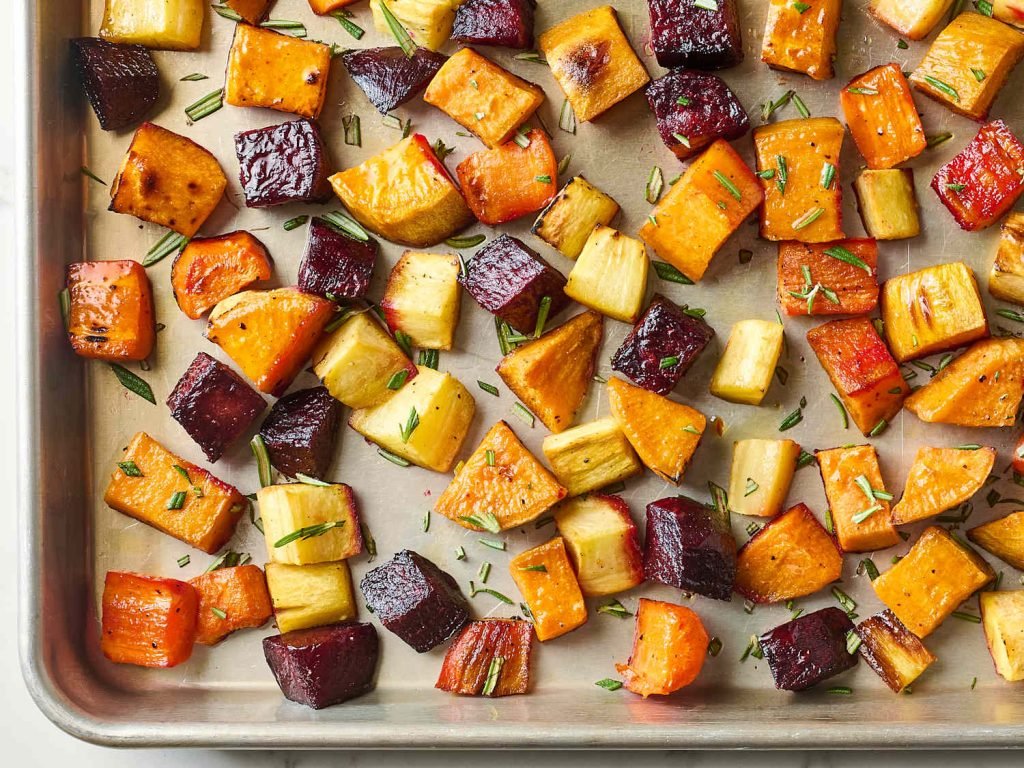
Roasting root vegetables in the oven is a simple, low-effort way to transform ordinary produce into a sweet, caramelized, nutrient-dense side dish that works for everything from casual weeknight meals to holiday feasts. According to the U.S. Department of Agriculture, roasting is one of the most nutrient-preserving cooking methods for root vegetables, as it locks in fiber, vitamins, and minerals without requiring excess added fat or salt. Whether you’re a seasoned home cook or a beginner looking to add more veggies to your rotation, this guide walks you through every step to avoid common mistakes like sogginess, uneven cooking, or bland flavor, so you get crispy, caramelized, perfectly tender root veggies every time.
Choosing the Best Root Vegetables for Roasting
The first step to perfect roasted root veggies is selecting the right produce, as different varieties offer unique flavor profiles, textures, and cook times. Picking fresh, high-quality vegetables ensures even cooking and maximum flavor, while avoiding watery or damaged produce prevents sogginess and off-flavors.
Top Root Vegetables for Oven Roasting
Not all root vegetables roast equally well—opt for dense, starchy varieties that hold their shape and caramelize beautifully at high heat:
- Carrots: Sweet, bright, and medium-density, roasting brings out their natural sugar for a crisp-tender bite. Cook time: 25–35 minutes at 400°F.
- Yukon Gold or Russet potatoes: Starchy with a creamy interior and crispy exterior, they are a classic roasting staple. Cook time: 30–40 minutes at 400°F.
- Sweet potatoes: Naturally sweet, soft, and packed with vitamin A, they caramelize quickly for a rich, satisfying flavor. Cook time: 25–35 minutes at 400°F.
- Parsnips: Earthy, nutty, and slightly sweeter than carrots, they add depth to any veggie medley. Cook time: 30–40 minutes at 400°F.
- Beets: Deep, earthy, and dense, they develop a rich, jammy sweetness when roasted. Cubed beets cook in 35–45 minutes; whole beets take 50–60 minutes at 400°F.
- Turnips and rutabagas: Peppery, slightly bitter, and earthy, they add a complex, savory note to mixes. Cook time: 30–40 minutes at 400°F. Avoid watery vegetables like zucchini, cherry tomatoes, or bell peppers for long, high-heat roasts, as they release excess moisture and turn soggy quickly.
How to Pick Fresh, High-Quality Produce
Freshness makes or breaks the final flavor and texture of your roasted veggies. Look for these signs when shopping:
- Firm, heavy produce: Dense, heavy vegetables are full of moisture and will roast evenly, while light, hollow-feeling veggies are likely dried out or old.
- Smooth, unbroken skin: Avoid soft spots, cracks, wrinkles, or sprouts, which indicate age or damage.
- Vibrant color: Bright, consistent color signals freshness; faded or dull skin means the veggie is past its prime.
- Intact greens (for beets and carrots): If the veggie still has its leafy greens attached, it was harvested very recently and will be fresher. If possible, opt for organic root vegetables if you plan to leave the skins on, as this reduces exposure to pesticide residue that can linger on porous produce skins.
 A perfectly roasted medley of carrots, potatoes, and beets fresh from the oven.
Credit: smittenkitchen.com
A perfectly roasted medley of carrots, potatoes, and beets fresh from the oven.
Credit: smittenkitchen.com
Prep Work: The Foundation of Perfect Roasted Veggies
Proper prep is the difference between bland, unevenly cooked veggies and crispy, caramelized perfection. Taking a few extra minutes to wash, peel, and cut your produce correctly ensures even cooking and maximum flavor.
Washing and Peeling Best Practices
Start by rinsing all root vegetables under cold running water to remove dirt, grit, and debris. Use a stiff produce brush for tough-skinned veggies like carrots, potatoes, and beets to scrub away embedded dirt, especially in crevices and around the stem ends. Peeling is optional for most root vegetables: the skin is rich in fiber and nutrients, and leaving it on adds a firmer, crispier texture to the finished roast. For beets, wear disposable gloves while peeling to avoid stained hands—beet pigment is highly staining and can linger on skin for days. If you choose to peel, use a sharp Y-shaped peeler and work in long, smooth strokes to avoid wasting the nutrient-dense layer just under the skin. A common mistake is peeling too aggressively, which strips away the sweet, flavorful layer directly under the skin, leading to blander roasted results.
Cutting Techniques for Even Cooking
Uniform size and shape are non-negotiable for even roasting. Aim for 1–1.5 inch pieces for most root veggies; cut denser varieties like beets and turnips into 1 inch pieces if mixing with softer options like parsnips to ensure they finish cooking at the same time. Cut all pieces into the same shape (e.g., all cubes or all batons) rather than a mix, as different shapes cook at different rates. For fibrous veggies like parsnips, cut against the grain to break up tough fibers and yield a more tender result. A quick hack for consistent cuts: use a mandoline with a safety guard, or place a ruler along your cutting board as a guide for uniform sizing.
Seasoning and Oil: Boosting Flavor and Crispiness
The right seasoning and oil transform roasted root veggies from plain to craveable, enhancing their natural sweetness and creating that signature crispy, caramelized exterior.
Herbs, Spices, and Flavor Boosters
Dried herbs and spices are best added before roasting, as they need time to rehydrate and release their flavor in the hot oven. Classic pairings include rosemary, thyme, and oregano for earthy, herbaceous notes; smoked paprika and cumin for warm, smoky depth; and garlic powder and onion powder for savory savoriness. Fresh herbs like parsley, cilantro, and dill should be added after roasting, as high heat will cause them to burn and turn bitter. A key pro tip: toss vegetables with oil first, then season, as the fat helps spices adhere to the surface and bloom, intensifying their flavor significantly.
Balancing Salt, Sweetness, and Umami
Salt is the most important seasoning for roasted root veggies, as it enhances their natural sweetness and balances earthy, bitter notes from turnips or beets. Use kosher salt rather than table salt, as it is less salty by volume and easier to control. For extra depth, add a touch of umami with a splash of soy sauce or Worcestershire sauce mixed into the oil, or a sprinkle of grated Parmesan after roasting. A small amount of sweetener (maple syrup, honey, or brown sugar) added halfway through roasting promotes caramelization and balances bitter flavors from turnips or rutabagas. For a tangy finish, drizzle with balsamic glaze or a squeeze of fresh lemon juice after roasting to cut through the richness.
Choosing the Right Oil for High-Heat Roasting
Oil is essential for crispy roasted veggies, as it conducts heat to the vegetable surface, prevents sticking, and promotes the Maillard reaction that creates golden-brown, caramelized crusts. Opt for high-smoke-point oils for roasting at 400°F and above, as low-smoke-point oils will burn and develop bitter flavors:
- Avocado oil (smoke point 520°F): Neutral flavor, ideal for high-heat roasting.
- Light olive oil (smoke point 465°F): Mild flavor, a versatile all-purpose option.
- Grapeseed oil (smoke point 420°F): Neutral, works well for delicate flavor profiles. Avoid extra virgin olive oil for roasting above 375°F, as its lower smoke point (375°F) will cause it to burn. Skip butter for high-heat roasting, as it burns quickly; add a small pat of butter halfway through cooking if you want a rich, creamy finish. Use 1–2 tablespoons of oil per pound of vegetables—just enough to coat every piece evenly. Too much oil leads to sogginess, while too little causes sticking and uneven browning.
Oven Settings for Consistent Results
Small tweaks to your oven temperature and rack placement can make a huge difference in the final texture and flavor of your roasted veggies.
Ideal Temperature Ranges for Different Veggies
The sweet spot for most roasted root veggies is 400–425°F, as this temperature range accelerates the Maillard reaction to create deep, caramelized flavor and crispy edges, while keeping the interior tender. Use 400°F for mixed veggie trays, as it accommodates both soft and dense varieties. Lower the temperature to 375°F for very dense veggies like whole beets, or if you prefer softer, less crispy results. If you use a convection oven, lower your target temperature by 25°F, as the circulating fan cooks food more efficiently and can cause burning if the temperature is set too high. Always preheat your oven for at least 10 minutes before adding the baking sheet, as a stable, preheated environment ensures even cooking from the start.
Rack Positioning and Pan Prep Tips
The center rack is the best position for most roasting, as it allows hot air to circulate evenly around the tray. Avoid the top rack, as direct radiant heat from the upper heating element will burn the veggies before their interiors are tender. The bottom rack is also a poor choice, as it traps heat near the tray bottom, leading to burnt undersides and raw centers. For pan prep: use a large, rimmed metal baking sheet (avoid glass or ceramic, which conduct heat more slowly and can lead to soggier veggies). Arrange veggies in a single layer with space between each piece—overcrowding traps steam and causes sogginess. If roasting a large batch, use two baking sheets or roast in batches to ensure even heat circulation.
The Roasting Process: Step-by-Step
Once your veggies are prepped and seasoned, the roasting process itself is simple, but a few small steps ensure perfect results every time.
Timing Guidelines by Vegetable Type
Cooking times vary based on vegetable density and piece size. At 400°F, use these general guidelines:
- Carrots, sweet potatoes, parsnips: 25–35 minutes
- Potatoes, turnips, rutabagas: 30–40 minutes
- Cubed beets: 35–45 minutes
- Whole beets: 50–60 minutes Stir or flip the veggies halfway through the cooking time to expose all sides to heat, promote even browning, and prevent hot spots from burning.
How to Tell When They’re Done
The best way to check for doneness is to insert a fork into the thickest piece of veggie: it should slide in easily with no resistance, and the edges should be deep golden brown, not pale. For extra crispy edges, increase the heat to 425°F for the final 5 minutes of roasting, watching closely to avoid burning. Avoid covering the tray with foil, as this traps steam and will make your veggies soggy.
 Close up of the crispy, caramelized edges and tender interior of perfectly roasted root veggies.
Credit: food52.com
Close up of the crispy, caramelized edges and tender interior of perfectly roasted root veggies.
Credit: food52.com
Customize Your Roast: Flavor Pairings and Variations
While basic salt, pepper, and olive oil is a classic combination, roasted root veggies are incredibly versatile and work with nearly every global flavor profile. Experiment with these twists to keep your roasted veggie rotation interesting.
Global Flavor Twists
- Mediterranean: Toss with olive oil, dried oregano, garlic powder, and kosher salt before roasting. Finish with fresh lemon juice, crumbled feta, and chopped kalamata olives.
- Mexican: Coat with avocado oil, chili powder, cumin, and a pinch of brown sugar. Finish with a squeeze of lime, chopped cilantro, and a drizzle of crema.
- Indian: Toss with coconut oil, garam masala, turmeric, and a pinch of cayenne. Finish with a dollop of plain yogurt and fresh cilantro.
Sauce and Topping Ideas
Drizzle finished roasted veggies with balsamic glaze, tahini sauce, honey mustard, or chimichurri for extra moisture and bold flavor. Toppings like toasted walnuts, pecans, dried cranberries, or grated Parmesan add texture and depth. For a quick, balanced meal, toss roasted veggies with cooked grains and a protein of your choice for a hearty grain bowl.
Meal Prep and Serving Ideas
Roasted root veggies keep in an airtight container in the refrigerator for 4–5 days. To reheat and crisp them back up, use an oven or air fryer at 400°F for 3–5 minutes, rather than microwaving, which will make them soggy. They pair perfectly with a wide range of main dishes: serve them alongside bright, tangy protein dishes like sweet and sour shrimp for a fresh, zesty meal, or hearty, savory options like Hawaiian roll sliders for a casual weeknight dinner. They also complement fresh jarred Greek salad for a balanced lunch, or can be tossed into hearty bean and kale stew for a filling vegetarian entree. They also work perfectly as a make-ahead side for busy weeks, and reheat easily to pair with spicy bang bang chicken for a bold, savory dinner.
 Roasted root vegetables finished with a tangy cider vinaigrette for extra brightness.
Credit: food52.com
Roasted root vegetables finished with a tangy cider vinaigrette for extra brightness.
Credit: food52.com
Troubleshooting Common Roasting Issues
Even experienced home cooks run into issues with roasted root veggies from time to time. Use these fixes to salvage your dish and avoid repeat mistakes.
Fixing Soggy, Steamed Veggies
Sogginess is almost always caused by excess moisture or overcrowding. Always pat veggies dry with a clean paper towel after washing, as surface moisture turns to steam in the oven and prevents browning. Arrange veggies in a single layer with space between each piece; if you’re roasting a large batch, use two baking sheets or cook in batches to avoid trapping steam. Too much oil will also lead to sogginess, so stick to the 1–2 tablespoons per pound rule. If your veggies are already soggy after roasting, spread them in a single layer on a clean baking sheet and pop them back in the oven at 425°F for 5–10 minutes to crisp up the exterior.
Preventing and Salvaging Burnt Vegetables
Burning is usually caused by an oven running hotter than its setting (use an oven thermometer to check your oven’s actual temperature, as many models run 25°F hotter than the dial indicates), veggies placed too close to the top heating element, or forgetting to stir halfway through cooking. If you notice edges darkening too quickly, lower the oven temperature by 25°F and extend the cooking time by 5–10 minutes. If the outside is burnt but the inside is still undercooked, scrape off the charred bits, add a splash of water or vegetable broth to the tray to steam them slightly, then continue roasting at a lower temperature until tender.
Resolving Undercooked, Crunchy Centers
Undercooked root veggies almost always result from cutting pieces too large, overcrowding the pan, or roasting at too low a temperature. If your veggies are crunchy after the recommended cooking time, spread them out on a larger tray to ensure even heat circulation, raise the oven temperature by 25°F, and continue roasting in 5-minute increments until tender. For very dense veggies like whole beets, wrap them in foil before roasting to trap moisture and help them cook through evenly.
Frequently Asked Questions
What root vegetables work best for oven roasting?
Carrots, potatoes (Yukon Gold or Russet), sweet potatoes, parsnips, beets, turnips, and rutabagas are all ideal, as they have dense, starchy flesh that caramelizes beautifully at high heat. Avoid watery vegetables like zucchini, cherry tomatoes, or bell peppers for long, high-heat roasts, as they release excess moisture and turn soggy quickly.
How long do I roast root vegetables at 400°F?
Cooking time varies by vegetable type and size: cubed carrots, sweet potatoes, and parsnips take 25–35 minutes; cubed potatoes, turnips, and rutabagas take 30–40 minutes; cubed beets take 35–45 minutes; whole beets take 50–60 minutes. Always check for doneness by piercing the thickest piece with a fork—it should slide in easily with no resistance.
Should I peel root vegetables before roasting?
Peeling is optional and comes down to personal preference and the vegetable type. Leaving skins on adds extra fiber, nutrients, and a firmer, crispier texture, but always scrub unpeeled veggies thoroughly to remove dirt and residue. Peel if the skin is tough, damaged, or you prefer a smoother texture; avoid peeling too deeply to preserve the nutrient-rich layer just under the skin.
What oil and seasoning work best for roasted root vegetables?
Use high-smoke-point oils like avocado oil, light olive oil, or grapeseed oil for high-heat roasting to avoid bitter, burnt flavors. For seasoning, dried herbs (rosemary, thyme, oregano) and spices (smoked paprika, cumin, garlic powder) added before roasting create deep, aromatic flavor, while fresh herbs (parsley, cilantro, dill) added after roasting add bright, fresh notes. Finish with kosher salt and a touch of black pepper to enhance natural sweetness.
Can I roast frozen root vegetables?
Yes, but thaw them first and pat them extremely dry to remove excess ice crystals, which cause sogginess. Toss with oil and seasoning, then roast at 425°F for 20–25 minutes, stirring halfway, until crispy and caramelized.
Do I need to line my baking sheet?
Lining with parchment paper or a silicone baking mat makes cleanup easier, but if you want maximum crispiness, roast directly on a bare metal baking sheet—the direct contact with the hot metal promotes better browning and crisp edges.
Final Thoughts
Roasting root vegetables in the oven is a low-fuss, versatile cooking method that brings out the natural sweetness and earthy depth of produce, creating a crispy, tender side dish that works for any meal. By following the tips in this guide—from selecting fresh produce to adjusting oven settings and customizing flavors—you’ll avoid common mistakes like sogginess and burning, and get perfect results every time. Roasted root veggies are also incredibly flexible: they work as a simple weeknight side, a base for grain bowls, a make-ahead meal prep staple, or even an addition to holiday feasts. Don’t be afraid to experiment with different seasonings, sauces, and pairings to find your favorite flavor combination. For more easy, flavorful weeknight side dishes that come together in 30 minutes or less, browse our full collection of tested weeknight recipes to find your next go-to meal.

Hi, I’m Daniel Brooks—a food lover and kitchen gear enthusiast. I enjoy testing cookware, utensils, and gadgets to see what really works in everyday cooking. At PlugChef.com, I share honest reviews, comparisons, and simple guides to help you choose the best tools for a safer, smarter, and more enjoyable kitchen.
Related posts:
 How to Make a Fruit Basket for a Gift: Easy DIY Guide
 Do You Need a Basket? Essential Guide for Air Fryers
 Stainless Steel Appliances in a White Kitchen: Stylish Harmony
 Kitchen With White Cabinets And Stainless Steel Appliances: Timeless Elegance
 Culinary Evolution Smart Kitchen Appliances Leomart: Transform Cooking
 How to Clean Kitchen Sink Drain Smell: Easy Tips to Eliminate Odors

