
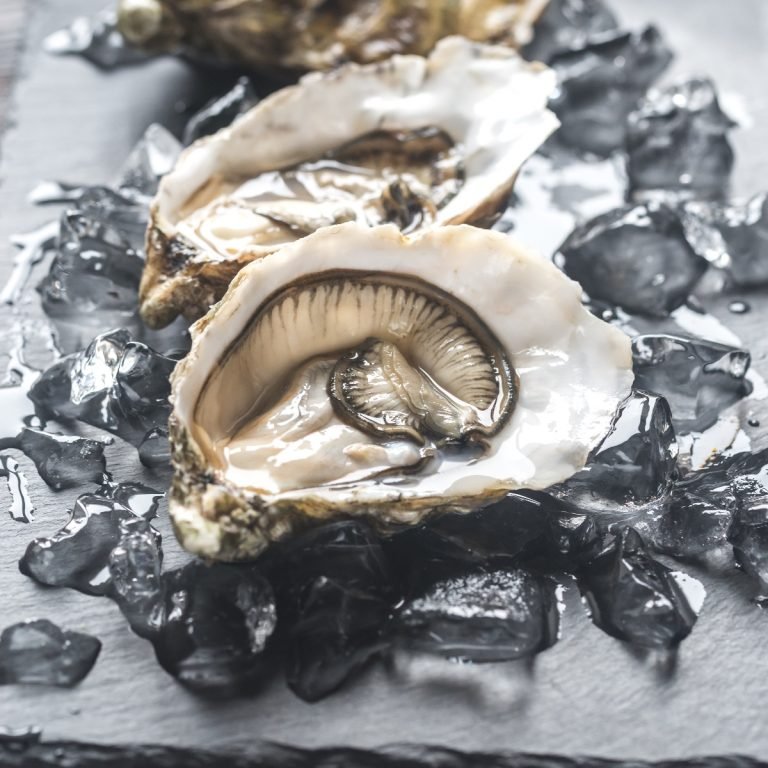
Are oysters good in October? If you love fresh seafood, you’ve probably wondered about the best time to enjoy these tasty treats.
October sits right between summer’s end and the chill of winter, making it a curious month for oyster lovers. You might be asking yourself: Are oysters still fresh? Will they taste as good? This article will give you clear answers and help you decide when to savor oysters at their peak.
Keep reading to discover why October could be the perfect month for your next oyster feast.
Oysters And Seasonal Eating
Oysters have a unique relationship with the seasons, which affects their taste, texture, and safety. Eating oysters in their prime season can make a big difference to your dining experience. Understanding this seasonal rhythm helps you enjoy oysters at their best while supporting sustainable harvesting practices.
Why Seasonality Matters
Seasonality impacts oysters in several ways. During certain months, oysters are plumper and sweeter because they are not spawning. This means October oysters often have a richer flavor compared to summer months.
Seasonal eating also ensures oysters are safer to consume. Warmer months can increase the risk of bacteria in oysters, making colder months a better choice for your health. Have you ever wondered why restaurants highlight “R” months for oyster dishes?
Oyster Harvesting Cycles
Oysters follow a natural cycle that affects when they are harvested. They spawn mostly in the warmer months, usually from late spring to early fall, which can make them watery and less tasty. Harvesting outside this period means the oysters have had time to recover and fatten up.
In October, oysters are typically coming out of their spawning season. This timing gives you oysters that are firm and flavorful. If you want the best oysters, look for those harvested during cooler months—you’ll notice the difference immediately.
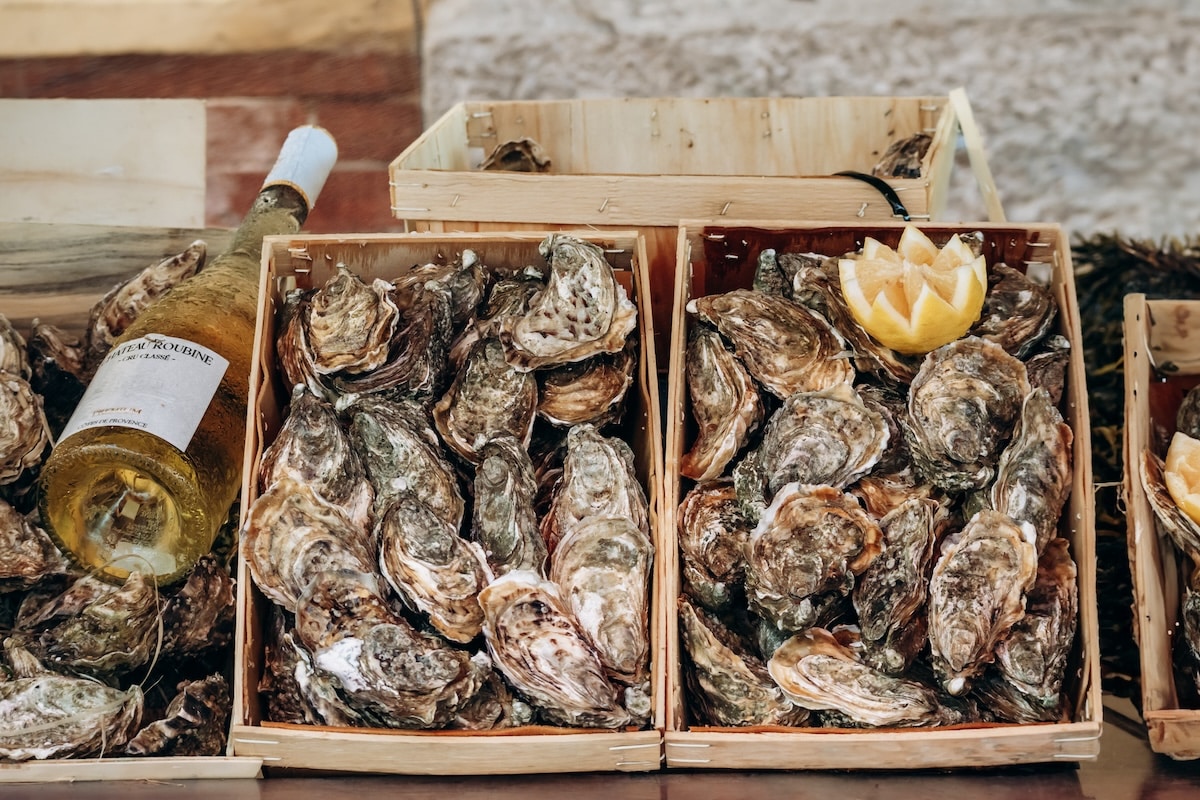
Credit: myfrenchcountryhomemagazine.com
Oysters In October
October is a unique month for oyster lovers. The cooler temperatures and changing waters affect these shellfish in interesting ways. You might wonder if oysters are still worth enjoying as the season shifts.
Availability During Fall
Oysters remain widely available in October, especially in coastal regions where harvesting continues year-round. Many oyster farms ramp up their efforts to meet demand as the summer crowds fade. This means you can often find fresh oysters at markets and restaurants without much trouble.
However, availability can vary based on location and weather conditions. Some areas experience slower harvests due to colder water or conservation rules. Have you checked your local seafood supplier to see what’s fresh this fall?
Taste And Texture Changes
As water temperatures drop in October, oysters undergo subtle shifts in flavor and texture. Cooler waters tend to make oysters firmer and sometimes sweeter, enhancing their natural briny taste. This change can make them more enjoyable if you prefer a crisp bite over a softer one.
On the other hand, some oysters may lose a bit of their summer richness. This is because their fat content fluctuates with their reproductive cycle. Next time you taste an oyster in October, pay attention to these differences—your palate might discover new favorites.
Health Benefits Of Oysters
Oysters in October are fresh and full of nutrients like zinc and omega-3. Eating them supports heart health and boosts the immune system. This month is ideal for enjoying their natural benefits.
Oysters are a nutrient-rich delicacy with impressive health benefits. They are especially popular in October. These tasty shellfish provide essential nutrients. They support overall well-being and good health. Let’s explore their nutritional profile.Nutritional Profile
Oysters are packed with protein. They are low in calories and fat. They offer a good source of omega-3 fatty acids. These healthy fats support heart health. Oysters are also rich in essential nutrients. They provide an excellent source of vitamins and minerals.Key Vitamins And Minerals
Oysters are high in zinc. Zinc boosts immune function and supports healing. They are also rich in vitamin B12. This vitamin supports brain health. Oysters contain iron, which prevents anemia. They are a great source of magnesium and selenium. These minerals support metabolic functions and prevent cell damage.Boosting Immunity
Zinc in oysters helps strengthen the immune system. It helps the body fight off infections. Vitamin C in oysters also boosts immunity. It supports the body’s natural defenses. Eating oysters can keep you healthier in October. Enjoy them as a tasty and beneficial treat.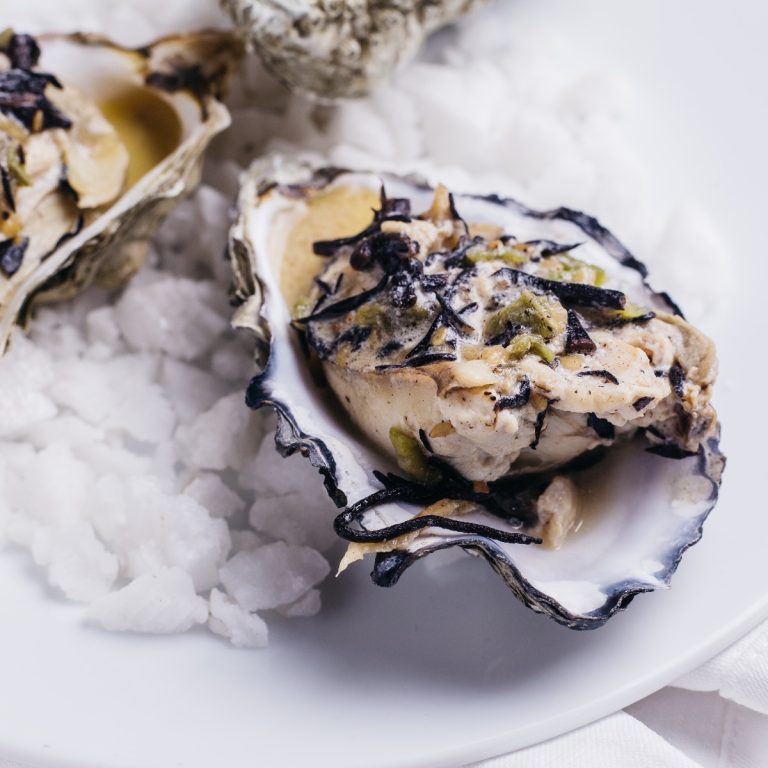
Credit: www.reluctantgourmet.com
Risks Of Eating Oysters In October
Eating oysters in October can be tempting, especially with their rich flavor and seasonal freshness. However, you should be aware of certain risks tied to this time of year. Understanding these risks can help you enjoy oysters safely without facing unpleasant health issues.
Potential Contaminants
Oysters can carry harmful bacteria and viruses, especially in warmer months like October. Vibrio vulnificus, a bacteria found in warm coastal waters, can cause severe illness if you eat raw or undercooked oysters.
Pollutants and toxins may also accumulate in oysters during this time due to increased water runoff after autumn rains. These contaminants are invisible and tasteless, making it hard for you to detect any danger by simply looking or tasting the oyster.
Food Safety Tips
To reduce risks, always buy oysters from reputable sources that follow strict safety guidelines. Make sure oysters are stored at the correct temperature—below 40°F (4°C)—to slow bacterial growth.
Cooking oysters thoroughly is one of the safest ways to enjoy them in October. If you prefer raw oysters, consider freezing them first or ask your supplier about testing for harmful bacteria.
Have you checked where your oysters come from and how they were handled? Taking these steps can protect your health and let you savor oysters with confidence.
Sustainable Oyster Farming
Sustainable oyster farming offers a way to enjoy oysters without harming the environment. It focuses on methods that protect marine ecosystems while producing fresh, high-quality shellfish. If you care about where your food comes from and how it affects the planet, sustainable oyster farming is worth understanding.
Environmental Impact
Oyster farms can actually improve water quality. Oysters filter large amounts of water, removing excess nutrients and pollutants. This natural filtration helps reduce harmful algae blooms that damage marine life.
Unlike some types of fishing, oyster farming doesn’t destroy ocean habitats. Farmers often use techniques that avoid disturbing the seabed. This means the ecosystem remains healthy and diverse.
Have you ever wondered how your seafood choices affect ocean health? Choosing oysters from sustainable farms supports cleaner and more balanced waters.
Supporting Local Fisheries
Buying oysters from local farms helps small businesses thrive. These fisheries rely on sustainable practices to maintain their livelihoods over time. Your purchase directly supports communities who care about the environment.
Local oyster farms often provide fresher products than imported ones. This means better taste and fewer carbon emissions from transportation. You get a win-win: tasty oysters and a smaller environmental footprint.
Next time you enjoy oysters in October, think about where they come from. Supporting sustainable local farms is a simple way to make a positive impact on both your plate and the planet.
Best Ways To Enjoy Oysters In October
October is an ideal month for enjoying oysters, thanks to their peak freshness and flavor. You can savor them in many ways that highlight their natural brininess and texture. How you prepare and pair oysters can transform your eating experience, making every bite memorable.
Cooking Methods
Raw oysters on the half shell remain a classic choice in October. The cool weather and crisp oysters bring a refreshing contrast that’s hard to beat.
If you prefer something warm, try grilling oysters with a touch of garlic butter. The smoky flavor adds depth without overpowering their delicate taste.
Baking oysters with a light topping of herbs and breadcrumbs creates a crunchy finish that complements their softness. This method is perfect for a cozy autumn evening.
Steaming oysters gently opens them and preserves their juices, offering a simple yet satisfying dish. You can add a splash of white wine or lemon to enhance the natural flavors.
Pairing Suggestions
- Wine:Crisp white wines like Sauvignon Blanc or a dry Champagne work well. Their acidity balances the oyster’s saltiness beautifully.
- Beer:Light lagers or pilsners can refresh your palate between bites. Their subtle bitterness complements oyster sweetness.
- Condiments:Classic mignonette sauce or a squeeze of fresh lemon juice highlights oyster freshness. For a twist, try a drop of hot sauce or a dab of horseradish.
- Accompaniments:Freshly baked bread or seaweed salad adds texture without stealing the spotlight. Think about simple sides that support, not overshadow.
What’s your favorite oyster pairing that makes October tastier? Experimenting with different combinations can reveal new favorites and deepen your appreciation for this seasonal delicacy.
)
Credit: appellationoysters.com
Frequently Asked Questions
Are Oysters Safe To Eat In October?
Yes, oysters are generally safe to eat in October. Cooler water temperatures reduce harmful bacteria. Always buy fresh oysters from trusted sources.
Why Are Oysters Better In Months With “r”?
Oysters are better in months with “R” because colder waters improve their taste and texture. October falls into this period, ensuring freshness.
How Does October Affect Oyster Flavor?
October’s cooler water enhances oyster flavor by slowing their metabolism. This results in a sweeter, firmer, and more enjoyable oyster experience.
Can I Harvest Oysters In October?
Harvesting oysters in October is common and sustainable. Many oyster farms operate during this month due to ideal water conditions.
Conclusion
Oysters in October taste fresh and are safer to eat. Cooler water helps them stay healthy and full of flavor. Many people enjoy their rich, briny taste this time of year. Eating oysters now means you get good quality and great nutrition.
So, October is a smart month to enjoy these shellfish. Try them fresh, and you might find a new favorite. Simple, tasty, and seasonal—oysters shine in the fall months.

Hi, I’m Daniel Brooks—a food lover and kitchen gear enthusiast. I enjoy testing cookware, utensils, and gadgets to see what really works in everyday cooking. At PlugChef.com, I share honest reviews, comparisons, and simple guides to help you choose the best tools for a safer, smarter, and more enjoyable kitchen.
Related posts:
 What Type of Cooking Utensils are Safe: Expert Picks
 What Innovations Could Blenders Make: Unleashing Future Tech
 Smart Strategies to Organize a Small Kitchen: Maximize Space
 How to Organize a Kitchen Cabinet: Expert Tips & Tricks
 How to Organize Kitchen Drawers: Expert Tips and Tricks
 How to Organize a Corner Kitchen Cupboard: Expert Tips

