Lighting Under Cabinets in Kitchen: Transform Your Space with Ease
Good lighting does more than brighten a countertop—it improves safety, enhances workflow, and adds a welcoming ambiance to the heart of the home. Modern under‑cabinet fixtures combine LED efficiency with flexible power options, making it easy to upgrade any kitchen without major renovation. This guide covers why the right lighting matters, what features to prioritize, how to install it securely, and which current models deliver the best balance of performance and value.
Why Under‑Cabinet Lighting Matters
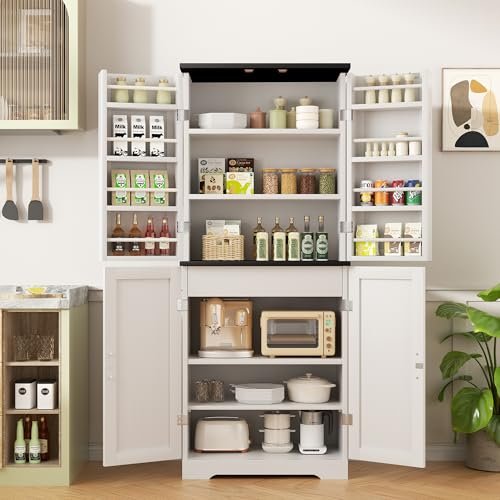
Task areas such as chopping, measuring, and reading recipes benefit from focused, shadow‑free illumination. Relying solely on ceiling fixtures leaves work zones dim, increasing the risk of slips or inaccurate cuts. Proper under‑cabinet lighting lifts luminance levels to 300–500 lux on the countertop, aligning with Illuminating Engineering Society (IES) recommendations for kitchen task lighting (NIST LED performance standards). Beyond function, a warm glow (2700K–3000K) creates a cozy backdrop for casual dining, while cooler tones (4000K–5000K) support precision work. For more on this, see our guide on kitchen storage cabinets for small spaces.
In addition to visual comfort, effective lighting reduces energy use. Choosing fixtures with motion sensors or timers ensures lights run only when needed, cutting wasted electricity. Many modern kits also meet Department of Energy efficiency guidelines, helping lower utility bills over time (DOE’s lighting efficiency guide).
Just as a rugged field-ready kit prepares you for emergencies, proper under-cabinet lighting prepares your workspace for precision tasks.
Types of Under‑Cabinet Lighting
Understanding the main categories helps you match a solution to your kitchen’s layout, power availability, and aesthetic preferences.
Battery‑Operated Motion Sensor Lights
These self‑contained units run on rechargeable lithium‑ion batteries and activate when movement is detected. They are ideal for renters or anyone who wants to avoid wiring. Typical runtimes range from 4 to 12 hours per charge, depending on brightness and sensor frequency. Magnetic or adhesive mounts allow quick repositioning.
Hardwired LED Bars
Hardwired fixtures connect directly to a kitchen circuit, providing constant power without battery concerns. They often include integrated drivers, dimmers, and multiple color temperature switches. Installation may require a licensed electrician, especially if new wiring or a switch is needed, but the result is a clean, permanent look.
Plug‑In LED Strips
Plug‑in models draw power from a nearby outlet via a low‑voltage adapter. They combine the convenience of battery‑free operation with the flexibility to relocate the strip if outlets are available. Look for UL‑listed adapters and ensure the cord length reaches your power source without creating a tripping hazard.
Puck Lights
Small, round LED pucks deliver focused spots of light and are often used to highlight specific zones such as a spice rack or a glass display. Many puck kits include remote controls, enabling you to adjust brightness or color from a distance. Their compact size makes them suitable for shallow cabinets where larger strips won’t fit.
Flexible LED Tape
Ultra‑thin adhesive-backed tape can be cut to length and adhered to the underside of cabinets. It offers seamless, continuous illumination and is available in high‑density versions that produce uniform light without visible dots. Some tapes are dimmable and support tunable white or RGB color mixing.
Key Features to Consider
When comparing products, focus on these practical attributes to ensure the lighting meets your daily needs.
Brightness and Output
Look for lumen ratings that suit your task. For general prep, 200–400 lumens per linear foot provides adequate visibility. High‑output strips (600+ lumens/ft) are beneficial for detailed work such as pastry decoration or fine slicing.
Color Temperature and Tunability
Warm white (2700K–3000K) mimics incandescent lighting and creates a relaxed atmosphere. Neutral white (3500K–4000K) balances warmth with clarity, while daylight (5000K–6500K) offers crisp, true‑color rendering. Many kits now include a slider or preset buttons to shift between temperatures, letting you adapt the mood throughout the day.
Dimming Capability
Continuous dimming (0–100%) lets you fine‑tune light levels for tasks ranging from vigorous chopping to subdued evening ambiance. Pulse‑width modulation (PWM) drivers deliver smooth dimming without flicker, which is important for video recording or prolonged reading.
Motion Sensors and Timers
Integrated passive infrared (PIR) sensors activate lights when you approach the countertop and deactivate after a set period of inactivity, typically 15–30 seconds. Adjustable sensitivity prevents false triggers from pets or hallway traffic. Timers add another layer of automation, allowing you to schedule lighting for specific hours (e.g., sunrise to sunset).
Power Source and Battery Life
Rechargeable batteries should offer at least 2,000 mAh for strips lasting 8–10 hours on medium brightness. Quick‑charge via USB‑C reduces downtime. For hardwired options, verify the fixture’s voltage rating matches your circuit (usually 120 V AC in the U.S.).
Installation Method
Magnetic mounts work best on steel or ferromagnetic cabinets; adhesive pads suit wood, laminate, or metal surfaces. Ensure the backing is rated for kitchen conditions—heat, steam, and occasional splashes. Some kits include screws for a more permanent hold when magnets aren’t sufficient.
Installation Tips & Best Practices
A thoughtful installation maximizes both performance and longevity.
- Measure the Cabinet Interior – Record the length of each run where light will be placed. Subtract a few inches at each end to avoid shining light onto the cabinet doors or walls.
- Test Placement Before Fixing – Use the supplied magnets or temporary adhesive to hold the fixture in position. Observe the light spread at typical working height and adjust as needed.
- Prepare the Surface – Clean the mounting area with isopropyl alcohol to remove grease and dust. This improves adhesive bond and prevents slipping.
- Secure Wiring (if applicable) – For plug‑in strips, route the adapter cord along the cabinet edge and secure it with clips to keep it out of the way. Avoid pinching the cord against sharp edges.
- Set Sensors and Timers – After mounting, walk through the detection zone to confirm the sensor triggers at the desired distance. Adjust the sensitivity dial if the light turns on too early or stays on too long.
- Check Electrical Compliance – If you are hardwiring, consult the National Electrical Code (NEC) or a licensed electrician to ensure proper circuit load and grounding. Never exceed the fixture’s rated wattage.
Before you begin, consider the power source like you would check essential supplies for boaters before a trip. If you prefer a reusable container for supplies to hold extra batteries or remotes, a small organizer can help. For those mounting lights under metal cabinets, think of the required gear for work trucks to ensure secure attachment. Even anglers appreciate a fisherman’s safety pouch for small tools, similarly a compact remote can be tucked away.
Top Product Picks (2026)
Below are several well‑reviewed models that represent the current market. Each entry includes the original product image (with updated alt text) and a concise overview of strengths, ideal use‑cases, and any trade‑offs.
MCGOR 10‑inch Under Cabinet Lighting (2‑Pack)

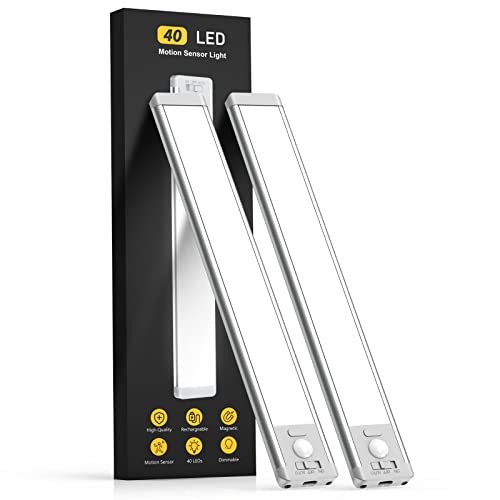
The MCGOR kit delivers two 10‑inch LED strips powered by built‑in rechargeable batteries. Each bar offers five brightness levels and a motion sensor that activates the light within roughly 10 cm of movement. Magnetic mounts let you attach or reposition the strips without tools, making them suitable for rental kitchens or temporary setups.
Pros: Easy wireless installation, adjustable brightness, motion‑activated energy savings.
Cons: Limited to 10‑inch length; may require multiple units for longer runs.
Best for: Small galley kitchens, pantry interiors, or accent lighting inside cabinets.
Gritin 10.2‑inch Under Cabinet Lighting (2‑Pack)

Gritin’s strips provide 84 LEDs per bar, delivering up to 350 lumens. Users can choose among three color temperatures (warm, neutral, cool) and five brightness steps, all controllable via the integrated motion sensor. The magnetic backing works on steel cabinets, while the included adhesive pads accommodate wood or laminate.
Pros: High LED density, flexible color/temperature settings, reliable motion activation.
Cons: Battery life diminishes quickly at maximum brightness; recharging takes about 2 hours.
Best for: Users who want tunable white light and hands‑free operation.
Ezvalo 5‑Pack Under Cabinet Lighting

This set includes five 10‑inch strips, each with a 2,200 mAh battery, remote control, and motion sensor. The remote lets you switch between three preset color temperatures and adjust brightness in five steps without reaching for the fixture. Magnetic mounts provide quick installation, and the strips can be daisy‑chained using the included connectors for longer runs.
Pros: Remote convenience, solid battery capacity, modular linking.
Cons: The 10‑inch length may still necessitate multiple pieces for expansive countertops.
Best for: Medium‑sized kitchens where centralized control is valued.
Ezvalo 6‑Pack with Charging Station

Ezvalo’s charging station houses all six units, simplifying recharging and storage. Each light offers motion sensing, a built‑in timer (adjustable from 5 to 30 minutes), and three color temperatures. The magnetic base works on most cabinet interiors, and the remote enables zone‑by‑zone control.
Pros: Centralized charging reduces cable clutter, timer adds extra energy savings.
Cons: The station occupies counter space; lights must be returned to the dock for recharging.
Best for: Users who prefer a “set‑and‑forget” system with minimal battery handling.
Ezvalo 6‑Pack Puck Lights with Remote and RG Colors

These compact puck lights measure roughly 1.2 inches in diameter and pack 30 LEDs each. The remote controls brightness, chooses among three white temperatures, or selects one of 12 preset RGB colors for accent lighting. Motion sensing activates the pucks when you reach into a cabinet, and the magnetic backing secures them to steel surfaces.
Pros: Versatile color effects, focused spot lighting, remote‑only operation.
Cons: Limited spread; best used as supplemental lighting rather than primary task illumination.
Best for: Highlighting glassware, creating ambiance, or adding a pop of color to open shelving.
UltraPro 24‑inch Hardwired Under Cabinet Lights
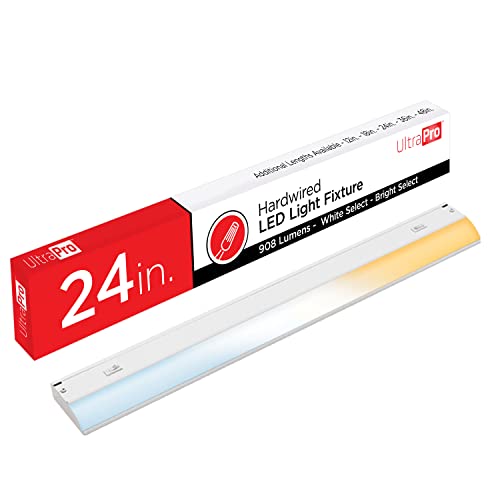
The UltraPro fixture is a single 24‑inch bar designed for permanent installation. It includes a built‑in driver, three selectable color temperatures (2700K, 4000K, 5000K), and a smooth rotary dimmer. Mounting brackets screw into the cabinet sidewall, providing a sturdy, vibration‑resistant fit.
Pros: Continuous power, no battery maintenance, even light distribution over a long run.
Cons: Requires access to a junction box and possibly an electrician for wiring.
Best for: Homeowners planning a remodel or new construction who want a seamless, low‑profile solution.
WOBANE Under Cabinet LED Lighting Kit
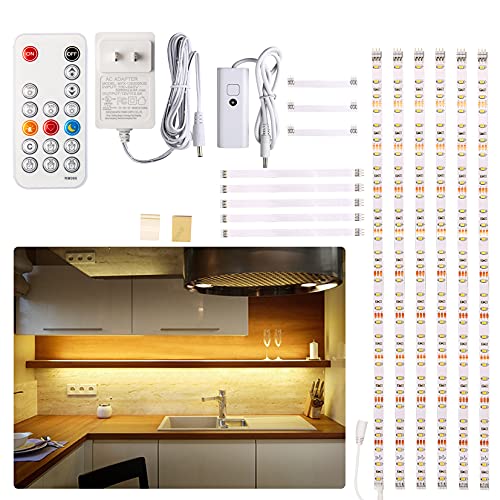
WOBANE provides six adhesive‑backed LED strips, each emitting 1,500 lumens at a fixed 2700K warm white. A plug‑in AC adapter powers the chain, and an inline remote lets you dim the lights in three steps or set a timer for automatic shut‑off. The strips can be cut at marked intervals to fit custom lengths.
Pros: Strong, consistent warm output; plug‑in convenience eliminates battery concerns.
Cons: Fixed color temperature limits flexibility for cooler work lighting.
Best for: Traditional kitchens where a warm, inviting glow is desired.
Generic Rechargeable Magnetic LED Bar (First)

This unbranded bar features a 2,200 mAh battery, motion sensor, and three preset brightness levels (low, medium, high). Magnetic attachment works on steel cabinets, and the included adhesive pad offers an alternative for non‑metallic surfaces. The unit charges via a micro‑USB port located on the end cap.
Pros: Simple operation, affordable entry point, motion‑activated efficiency.
Cons: Limited adjustability compared to multi‑color models; micro‑USB charging is slower than USB‑C.
Best for: Budget‑conscious users seeking basic task lighting.
Generic USB‑Rechargeable LED Bar with Motion Sensor (Second)

Each bar in this two‑pack includes a 2,200 mAh battery, USB‑C charging port, motion sensor, and a sliding dimmer that adjusts output from 10 % to 100 %. The magnetic base secures the fixture to metal cabinets, while an adhesive strip provides a wood‑compatible option.
Pros: Fast USB‑C recharging, smooth dimming, dual‑pack coverage for longer runs.
Cons: No color temperature adjustment; output is fixed at a neutral white (~4000K).
Best for: Users who prioritize quick recharging and fine brightness control over color tuning.
Maylit 12‑inch Ultra‑Thin Plug‑In LED Bars (3‑Pack)

Maylit’s bars measure just 0.8 inches thick, allowing them to sit flush under shallow cabinets. Each unit plugs directly into a standard outlet via a low‑voltage adapter and delivers 500 lumens of daylight‑white (6000K) light. A built‑in dial provides continuous dimming from 10 % to 100 %.
Pros: Extremely low profile, plug‑in simplicity, high color rendering for detailed tasks.
Cons: Fixed daylight tone may feel too clinical for relaxed ambiance; cords must be managed to avoid clutter.
Best for: Modern kitchens where a clean, bright work light is paramount and cabinet depth is limited.
Conclusion
Upgrading your kitchen with under‑cabinet lighting delivers immediate gains in safety, efficiency, and aesthetics. By selecting fixtures that match your cabinet dimensions, power preferences, and desired ambiance, you create a workspace that is both functional and inviting. Whether you opt for wireless motion‑sensor strips for effortless installation or a hardwired bar for permanent, uniform illumination, the right choice will make meal preparation smoother and your kitchen more enjoyable.
Begin by measuring your cabinet interior and select a kit that matches your workflow—then enjoy the transformation that precise, well‑placed light can bring to your home.

Hi, I’m Daniel Brooks—a food lover and kitchen gear enthusiast. I enjoy testing cookware, utensils, and gadgets to see what really works in everyday cooking. At PlugChef.com, I share honest reviews, comparisons, and simple guides to help you choose the best tools for a safer, smarter, and more enjoyable kitchen.
Similar Posts