Kitchen Rug for Under Table: Stylish & Practical Solutions for Every Space
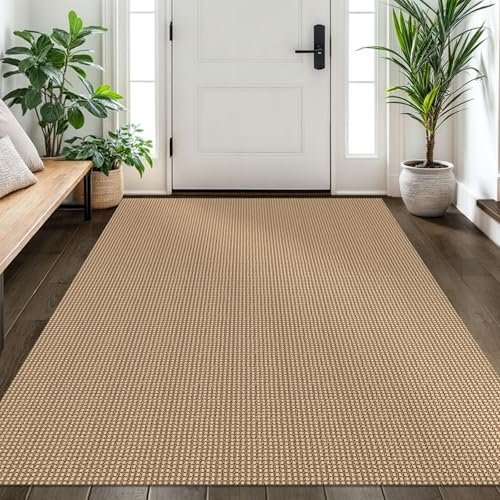
A well‑chosen rug beneath your dining table does more than look good—it cushions footsteps, shields flooring from spills, and helps define the eating zone in open‑plan kitchens. In 2026, homeowners prioritize materials that stand up to frequent washing, offer slip resistance, and complement evolving styles ranging from minimalist Scandinavian to rich boho layers. This guide walks you through measurement, material selection, safety features, care routines, and budget considerations, then highlights a handful of top‑rated options that balance form and function.
Why Place a Rug Under the Table?
Beyond aesthetics, a table‑side rug delivers concrete benefits:
- Floor protection – Prevents scratches, dents, and staining from chair legs, especially on hardwood, tile, or laminate.
- Comfort underfoot – Adds a soft layer that reduces fatigue during long meals or prep sessions.
- Noise dampening – Absorbs the clatter of dishes and chairs, creating a quieter dining atmosphere.
- Safety boost – A non‑slip backing keeps the rug from shifting, lowering slip risks when floors are wet.
- Visual anchoring – Defines the dining area within a larger room, making the space feel intentional and cohesive.
In practice, families with young children or pets often cite spill containment as the primary reason for adding a rug, while empty‑nesters prioritize style and comfort. For more on this, see our guide on kitchen table with bench storage.
Measuring for the Perfect Fit
Getting the size right avoids a rug that looks awkward or interferes with chair movement.
- Measure the table – Record length and width.
- Add clearance – Allow at least 24 in (60 cm) on each side for chairs to pull out fully. For a standard 60‑in rectangular table, aim for a rug roughly 108 in × 78 in (9 ft × 6.5 ft).
- Consider shape – Round tables pair best with round or square rugs that extend equally; rectangular tables suit rectangular runners or larger area rugs.
- Check door swings – Ensure the rug doesn’t block adjacent doors or traffic lanes.
Example: A 48‑in round table needs a rug of at least 96 in diameter to give 24 in of clearance all around.
Material Guide: Pros, Cons, and Best Uses
| Material | Feel & Look | Durability | Maintenance | Ideal For |
|---|---|---|---|---|
| Cotton | Soft, natural, often woven or braided | Good; may flatten with heavy use | Machine‑washable (cold, gentle) | Casual, high‑traffic homes; easy‑care lovers |
| Vinyl/PVC | Smooth, slightly glossy; often solid colors | Excellent; resists water, stains, scratches | Wipe clean; can be hosed down | Families with kids/pets; outdoor‑adjacent kitchens |
| Wool | Plush, luxurious; subtle sheen | Very durable; naturally crush‑resistant | Spot clean; professional clean yearly | Formal dining rooms; cooler climates |
| Synthetic blends (polyester, nylon) | Varied textures; can mimic natural fibers | Strong; resists fading and mildew | Usually washable; low‑pile options easy to vacuum | Budget‑conscious shoppers; modern aesthetics |
| Jute / Sisal | Rough, earthy texture | Moderate; prone to staining if not sealed | Vacuum; spot clean with dry powder | Rustic or coastal styles; low‑moisture areas |
| Bamboo fiber | Silky, slightly lustrous | Good; antimicrobial properties | Hand wash or gentle cycle | Eco‑focused buyers; contemporary spaces |
Trade‑off tip: If you prioritize washability, cotton or synthetic blends win. For ultimate spill barrier, vinyl is unmatched but offers less underfoot softness.
Style Trends for 2026
- Neutral textures – Linen‑look weaves in oat, greige, or soft gray let the tableware shine.
- Geometric low‑pile – Subtle hexagons or chevrons add interest without overwhelming small spaces.
- Botanical prints – Leafy motifs in muted sage or terracotta continue to bridge farmhouse and modern boho.
- Vintage distressed – Faded medallion or patchwork designs give character while hiding wear.
- Bold color blocks – Deep navy, forest green, or burnt orange used as a single accent rug can energize a neutral kitchen.
When selecting a pattern, remember that busy designs can hide stains but may clash with intricate tableware; solids or tone‑on‑tone textures keep the focus on your culinary presentations. For more on this, see our guide on best coffee table accessories.
Safety and Placement Essentials
A rug that slides or bunches creates a hazard. Look for:
- Rubber or latex backing – Provides grip on smooth floors; check that it’s labeled “non‑slip.”
- Flatweave construction – Low pile reduces tripping risk and lets chairs roll smoothly.
- Edge finishing – Serged or bound edges prevent fraying that could catch shoes.
Place a rug pad underneath if the backing alone feels insufficient; a thin felt‑rubber pad adds cushioning and keeps the rug from migrating. In homes with elderly residents, a non‑slip rug is as vital as keeping a basic emergency kit handy—just as you’d store a first‑aid set for cuts, a secure rug prevents falls.
Cleaning and Care Routines
Regular upkeep extends a rug’s life and maintains hygiene.
- Weekly – Vacuum with a beater‑bar off setting to lift dust and crumbs.
- Spot spills – Blot immediately; for water‑safe materials, use a mild detergent solution and a soft cloth.
- Machine washing – Cotton and many synthetics tolerate a gentle cycle (30 °C/86 °F) with mild detergent; air dry flat to avoid shrinkage.
- Vinyl mats – Hose down or wipe with a disinfectant spray; avoid abrasive pads that could scratch the surface.
- Wool – Sprinkle baking soda to neutralize odors, then vacuum; professional cleaning every 12–18 months preserves fibers.
Avoid bleach on natural fibers; it can weaken fibers and cause discoloration.
Budget Overview
| Price Tier | Typical Size | Materials | What You Get |
|---|---|---|---|
| Under $30 | 2’ × 3’ – 3’ × 5’ | Polypropylene, low‑pile cotton | Basic protection; limited style |
| $30‑$80 | 3’ × 5’ – 5’ × 7’ | Cotton blends, vinyl, polyester | Washable, non‑slip, moderate designs |
| $80‑$150 | 5’ × 7’ – 6’ × 9’ | Wool, higher‑grade cotton, jute with backing | Premium feel, durability, sophisticated patterns |
| Over $150 | 6’ × 9’+ | Hand‑loomed wool, organic cotton, eco‑vinyl | Artisan craftsmanship, sustainable sourcing, luxury feel |
Consider a mid‑range cotton‑vinyl hybrid if you need both washability and a soft feel for under‑$100.
Eco‑Friendly and Sustainable Options
If environmental impact guides your purchase, look for:
- Organic cotton – Grown without synthetic pesticides; often carries GOTS certification.
- Recycled polyester – Made from post‑consumer PET bottles; reduces landfill waste.
- Natural jute or sisal – Biodegradable fibers; pair with a latex backing derived from renewable rubber.
- Low‑VOC adhesives – Ensure backing compounds meet GreenGuard standards for indoor air quality.
Brands that disclose their supply chain and offer take‑back programs are increasingly common in 2026.
Curated Product Picks
Below are several rugs that consistently earn high marks for kitchen‑under‑table use. Each entry includes key specs, practical pros/cons, and a direct link to view the product. For more on this, see our guide on best blenders for smoothies under 100.
EARTHALL Woven Area Rug 4 × 6 ft

Woven braid adds texture and grip; ideal for entryways or dining nooks.
- Material: 100 % cotton with braided weave
- Size: 48 in × 72 in (4 × 6 ft)
- Pros: Machine‑washable, rubber‑non‑slip backing, warm earth‑tone palette that hides minor stains
- Cons: May fade after many washes; only one size offered
- View on Amazon: EARTHALL Woven Area Rug
FURKIT Vinyl Floor Mat 3 × 5 ft

Heavy‑duty vinyl protects floors from spills and scratches; suitable for indoor/outdoor use.
- Material: PVC vinyl with textured top layer
- Size: 36 in × 60 in (3 × 5 ft)
- Pros: Fully waterproof, easy wipe‑clean, sturdy enough for garage or patio
- Cons: Single color (black); heavier at ~5.3 lb may be awkward to lift alone
- View on Amazon: FURKIT Vinyl Floor Mat
StepRite Kitchen Mat – Cushioned Standing Mat
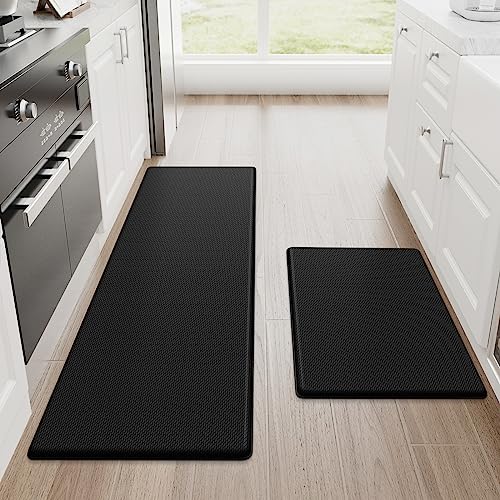
Designed for fatigue relief while cooking or prep work.
- Material: High‑density foam core, vinyl top, rubber backing
- Size: Various; common 20 in × 32 in
- Pros: Cushioned standing surface, waterproof top, stays put on tile/wood
- Cons: Limited color selection; fixed dimensions may not suit large tables
- View on Amazon: StepRite Kitchen Mat
Boho Dining Room Rug 6 × 9 ft – Washable Black/Multi

Large enough for most dining tables; stain‑resistant fibers simplify upkeep.
- Material: Polypropylene blend, low pile
- Size: 72 in × 108 in (6 × 9 ft)
- Pros: Machine washable, non‑slip backing, stain‑resistant, versatile boho look
- Cons: Limited colorways (black/multi); low pile offers less cushioning
- View on Amazon: Boho Dining Room Rug
Lofus 5 × 7 ft Vintage Boho Rug – Floral Brown

Adds a soft, lived‑in vibe while standing up to foot traffic.
- Material: Cotton‑polyester blend, low pile
- Size: 60 in × 84 in (5 × 7 ft)
- Pros: Washable, soft underfoot, non‑slip backing, vintage boho aesthetic
- Cons: Floral brown may clash with cool‑toned decor; only one size
- View on Amazon: Lofus 5×7 Area Rug
Frequently Asked Questions
What size rug should I use under a 48‑inch round table?
Add at least 24 in of clearance on all sides, so a rug of 96 in diameter (8 ft) works well. If space is tight, a 72‑in (6‑ft) round rug leaves 12 in clearance—still sufficient for most chairs.
Are vinyl mats safe for hardwood floors?
Yes, provided the backing is non‑abrasive. Many vinyl mats feature a felt or rubber layer that prevents scratching while offering waterproof protection. For more on this, see our guide on kitchen hood cleaning certification online.
How often should I wash a cotton kitchen rug?
Wash every 2–4 weeks if the rug sees daily spills; otherwise, a monthly wash keeps it fresh. Always follow the manufacturer’s temperature guide to avoid shrinkage.
Do I need a rug pad if the rug already has non‑slip backing?
A pad adds extra cushioning and can prolong the rug’s life by reducing friction between rug and floor. Use a thin felt‑rubber pad if you want more comfort underfoot. For more on this, see our guide on kitchen brushes for cleaning.
Can I use a rug outdoors, like on a patio dining set?
Choose a vinyl or polypropylene mat labeled for outdoor use. These resist UV fading and can be hosed down after meals.
Conclusion
Selecting the right kitchen rug for under your table blends practical protection with personal style. Measure carefully, prioritize washable, non‑slip materials, and pick a pattern that harmonizes with your kitchen’s overall look. Whether you opt for a budget‑friendly cotton blend, a rugged vinyl mat, or a plush wool piece, a well‑placed rug makes mealtimes more comfortable, keeps floors pristine, and ties the dining area together.
Ready to upgrade your space? Start by measuring your table, then explore the options above to find the rug that fits both your lifestyle and your aesthetic.

Hi, I’m Daniel Brooks—a food lover and kitchen gear enthusiast. I enjoy testing cookware, utensils, and gadgets to see what really works in everyday cooking. At PlugChef.com, I share honest reviews, comparisons, and simple guides to help you choose the best tools for a safer, smarter, and more enjoyable kitchen.
Similar Posts