
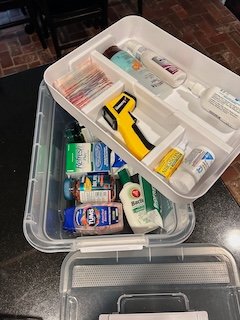
Moving into a college dorm is equal parts exciting and overwhelming. Between move-in day chaos, late-night study sessions, intramural sports, and late runs to the dining hall, minor injuries and sudden ailments are basically a rite of passage. While most campuses have a health center, wait times for non-emergency issues can stretch to hours—especially during midterm and finals season. A well-stocked first aid kit for college fills that gap, letting you treat minor cuts, headaches, stomach bugs, and more in minutes, without leaving your dorm room or missing class. This guide breaks down exactly what you need, how to stock it, and how to maintain it for the entire school year, tailored specifically to the unique needs of college students.
Why a Dedicated College First Aid Kit Is Non-Negotiable
Most first-year students are living away from home for the first time, with no parent to grab bandages or pain relievers when a sudden need pops up. Campus health centers are excellent for serious or persistent issues, but they are often understaffed during peak illness seasons, and a 2-hour wait for a small cut or headache is a waste of time you could spend studying or attending class. Shared dorm spaces also expose you to more germs, allergens, and minor injury risks (from heavy furniture moves to clumsy late-night trips to the bathroom) than you’d encounter at home. A common mistake new students make is assuming they can run to the campus store for supplies, but these items are often overpriced and sell out quickly during cold and flu season. A personal kit eliminates these headaches, saves you money long-term, and gives you peace of mind that you’re prepared for small, unexpected moments.
Core Medical Supplies for Wound Care
These items address the most common minor injuries college students face, from paper cuts to scraped knees from intramural sports.
Bandages, Gauze, and Wound Closure Supplies
You’ll need a range of options to cover every use case:
- 10–15 small adhesive bandages in assorted sizes for paper cuts from library books, small scrapes from moving furniture, or blisters from walking across campus all day. Hydrocolloid bandages are ideal for blisters, as they protect the area while it heals.
- 2–3 sterile 4×4 gauze pads for larger scrapes or wounds that need more coverage than a standard bandage.
- Medical paper tape that’s gentle on sensitive skin and won’t leave sticky residue when removed, unlike regular scotch tape, which can tear fragile skin and trap bacteria.
- A tube of liquid bandage for small cuts that need to stay dry, like when you’re washing dishes in a shared dorm sink. Per CDC first aid guidelines, always clean minor cuts and scrapes with mild soap and water before applying antiseptic and a bandage to reduce infection risk.
Antiseptics and Infection Prevention
Antiseptic wipes and creams are non-negotiable for cleaning wounds before bandaging:
- Pack 20+ alcohol-free antiseptic wipes for sensitive skin, as alcohol-based wipes can sting and delay healing on shallow cuts.
- A small tube of antibiotic ointment (like bacitracin) helps prevent infection on larger scrapes that need gauze.
- You can also use antiseptic wipes to sanitize shared dorm surfaces like doorknobs, desk surfaces, or microwave keypads during cold and flu season to reduce germ exposure. Avoid using hydrogen peroxide or rubbing alcohol directly on open wounds, as these can damage healthy tissue and slow healing—this is a common misconception many students have.
Basic Tools for Dressing Application
A small set of tools makes applying first aid fast and effective:
- Blunt-tip scissors let you cut gauze or tape to size without risking accidental cuts.
- A compact roll of medical tape secures dressings in place, even on joints like knees or elbows that move a lot.
- Pointed-tip tweezers are critical for removing splinters from wooden dorm furniture, ticks after hikes or walks on campus trails, or small debris from scraped knees. Store all these tools in a small zippered pouch inside your kit to keep them clean and easy to find.
 A basic starter kit covers most minor injuries common in dorm settings.
Credit: www.amazon.com
A basic starter kit covers most minor injuries common in dorm settings.
Credit: www.amazon.com
Over-the-Counter Medications for Campus-Specific Ailments
Stock these meds to treat common minor illnesses without a trip to the pharmacy or health center.
Pain and Fever Relief
Stock two types of pain relievers to cover different needs:
- Ibuprofen (Advil, Motrin): Ideal for reducing inflammation from sprains, muscle aches from carrying heavy textbooks across campus, or headaches from staring at a computer screen for hours. Take with food to avoid stomach upset, which is common when eating late-night snacks.
- Acetaminophen (Tylenol): Better for mild pain, fever, or hangovers. Critical safety note: never mix acetaminophen with alcohol, as this can cause severe liver damage.
- Avoid aspirin for anyone under 18: It is linked to Reye’s syndrome, a rare but life-threatening condition. Always follow the dosage instructions on the packaging, and never share prescription pain medications with friends.
Cold, Allergy, and Sleep Support
Dorm living exposes you to more germs and allergens than you’d encounter at home, so stock meds tailored to your schedule:
- Non-drowsy second-generation antihistamines (loratadine, fexofenadine) ease seasonal allergy symptoms like sneezing and itchy eyes without making you sleepy for 8 a.m. lectures.
- Drowsy first-generation antihistamines (diphenhydramine) or nighttime cold formulas work for when you have a cold and can sleep in, and can also be used short-term for mild insomnia during exam week (don’t use them for more than 7–10 days without consulting a doctor).
- A bag of cough drops with menthol soothes sore throats from yelling at sporting events or dry dorm air. The FDA recommends checking the expiration dates of all over-the-counter medications every 6 months to ensure they remain effective and safe to use.
Digestive Aids for Common Campus Food Issues
Late-night dining hall pizza, shared dorm snacks, and unfamiliar local food are all common triggers for digestive discomfort:
- A bottle of antacids with calcium neutralizes heartburn from greasy food.
- An anti-diarrheal medication treats sudden stomach bugs from spoiled food or dining hall mishaps.
- A small supply of stool softeners helps with occasional constipation from a diet of campus convenience food. Important safety note: do not use anti-diarrheal meds if you have a fever, blood in your stool, or severe abdominal pain—these are signs of a more serious infection, and you should visit your campus health center immediately. Meal prepping simple, balanced meals in reusable meal prep containers reduces your reliance on late-night greasy convenience food that often triggers these issues.
Optional Mental Health and Stress Relief Items
While a first aid kit is not a substitute for professional mental health care, you can include small items to manage mild stress and anxiety. Pack chamomile tea bags for calming moments before exams, a small stress ball to fidget with during lectures, or lavender essential oil to diffuse in your dorm room. Write the 988 Suicide & Crisis Lifeline number and your campus counseling center contact info on your emergency contact card for easy access during a mental health crisis.
Essential Tools, Diagnostic Items, and Emergency Supplies
These items help you assess minor ailments and respond to more urgent situations until you can get professional care.
Diagnostic and Treatment Tools
- A digital oral thermometer is the most accurate option for checking for fever, a common sign of infection or illness. Forehead thermometers are faster but less precise, making them good for quick checks but not definitive diagnoses.
- Keep 2–3 instant cold packs in your kit—they activate with a simple squeeze, no refrigeration required, and are perfect for reducing swelling and pain from sprains, bumps, or bruises from intramural sports or falls.
- A pair of nitrile disposable gloves protects your hands when administering first aid to others without exposing yourself to bodily fluids, and can also be used for cleaning up shared dorm spaces.
Emergency Preparedness Items
A laminated emergency contact card is one of the most important items in your kit, but most students only write down their parents’ phone numbers. Include your full name, date of birth, insurance information, list of allergies (including medication allergies), primary care provider contact info, and campus security and health center numbers. If you have a severe allergy, asthma, or other chronic condition, include a copy of your treatment plan so first responders can help you even if you’re unable to communicate. For students who live off-campus far from campus resources, add a small battery-powered flashlight and a whistle to signal for help if you’re injured in a dark parking lot or remote area.
 A fully stocked kit includes both medical supplies and comfort items for shared living.
Credit: www.dormco.com
A fully stocked kit includes both medical supplies and comfort items for shared living.
Credit: www.dormco.com
Personal Care and Comfort Add-Ons for Dorm Life
These often-overlooked items address the unique comfort and hygiene needs of shared college living.
Hygiene and Skin Care Essentials
- A 3 oz bottle of hand sanitizer with at least 60% alcohol is critical for cleaning your hands when you can’t access soap in a shared dorm bathroom, or after touching high-traffic surfaces like library desks or gym equipment.
- Latex-free nitrile gloves protect your hands when administering first aid or cleaning up messes in shared spaces.
- A tube of SPF 30+ broad-spectrum sunscreen, even if you only walk to class for 10 minutes a day—cumulative UV exposure causes skin damage over time, and many college campuses have outdoor classes or events.
- A lip balm with SPF 15+ prevents chapping and sun damage on cold, windy fall days.
- Preservative-free lubricating eye drops soothe dryness from long study sessions in front of a computer. Avoid redness relief drops with tetrahydrozoline, which can cause rebound redness and irritation with long-term use.
- A small pack of unscented tissues works for sneezes, spills, and cleaning small wounds, and can even be used as a makeshift barrier if you run out of bandages in a pinch.
- A small supply of tampons or pads is a critical oversight in most standard first aid guides—periods often come unexpectedly, and having these on hand saves you an awkward late-night trip to the campus store.
Snack and Comfort Supplies for Mild Ailments
Keep a few small, non-perishable snacks in your kit for when you’re too sick to make it to the dining hall or a grocery store. Crackers, ginger chews, and electrolyte packets help settle nausea from stomach bugs or motion sickness on trips home. Store these snacks in small airtight storage jars to keep them fresh and pest-free in your dorm room. Keep dry goods like granola and oatmeal in bulk dry food storage containers so you have gentle, easy-to-prepare options when you’re under the weather.
How to Maintain and Store Your First Aid Kit for the School Year
A well-maintained kit is only useful if you can access it quickly when you need it, and all supplies are in good working order.
Regular Checks and Restocking
Set a recurring reminder on your phone to check your kit every 3 months, aligned with your semester breaks (fall, spring, summer) so you don’t forget. At each check, throw away any expired medications or supplies with damaged packaging, and replace them with fresh items. Keep a digital checklist of all items in your kit saved to your phone notes app, so you can quickly reference what needs restocking after using an item, without digging through the entire kit. The FDA recommends replacing all OTC medications after their expiration date, as they lose efficacy over time and can even become harmful.
Smart Storage for Shared Dorm Spaces
Store your kit in a watertight plastic container to protect supplies from moisture or spills in your dorm room. Keep it in an easily accessible spot, like under your bed or on a low shelf in your closet, so you and your roommate can grab it quickly in an emergency—avoid locking it in a suitcase or storing it on a high shelf that’s hard to reach. If you share a kitchen with suitemates, store communal first aid supplies in a large shared food storage container to keep them organized and out of reach of younger siblings or pets who may visit. For more dorm room organization and health tips, check out our dorm life tips blog for guides on meal prep, storage, and staying healthy during the school year.
Portable Kits for On-the-Go Needs
Keep a mini, lightweight version of your first aid kit in your backpack for classes, intramural sports, off-campus trips, or weekend visits home. This mini kit should include 5 small bandages, antiseptic wipes, pain relievers, and hand sanitizer, so you’re prepared for minor injuries even when you’re not in your dorm.
 A mini portable kit fits in a backpack for classes, intramural sports, or off-campus trips.
Credit: www.amazon.com
A mini portable kit fits in a backpack for classes, intramural sports, or off-campus trips.
Credit: www.amazon.com
Frequently Asked Questions
What essential items should be in a college first aid kit?
A complete college first aid kit includes wound care supplies (assorted bandages, gauze, antiseptics, tape, scissors, tweezers), over-the-counter medications (pain relievers, cold/allergy meds, digestive aids), diagnostic tools (digital thermometer, instant cold packs), an emergency contact card, and personal care items (hand sanitizer, sunscreen, tissues). Optional add-ons include stress relief items, feminine products, and a mini portable kit for on-the-go use.
How often should I check and restock my first aid kit?
Check your kit every 3 months, aligned with semester breaks, and immediately after any use to replace used supplies. Replace all expired medications and damaged supplies at each check, as per FDA guidelines.
Can a college first aid kit help with mental health emergencies?
While a first aid kit is not a substitute for professional mental health care, you can include the 988 Suicide & Crisis Lifeline number and your campus counseling center contact info on your emergency contact card. Small items like stress balls, chamomile tea, or lavender essential oil can help manage mild anxiety, but any severe mental health crisis requires immediate professional support.
Where is the best place to keep a first aid kit in college?
Keep a larger comprehensive kit in an easily accessible spot in your dorm room, like under your bed or in a low closet shelf, and let your roommate know where it is. Keep a smaller mini kit in your backpack for classes, sports, or off-campus trips so you have access even when you’re not in your dorm. Avoid storing it in locked luggage or hard-to-reach areas where it can’t be accessed quickly in an emergency.
Conclusion
A well-stocked first aid kit for college is one of the simplest, most low-cost investments you can make in your health and peace of mind during the school year. It eliminates the need to rush to the campus store for basic supplies during an emergency, cuts down on wait times at the health center for minor issues, and lets you focus on your studies instead of small, preventable ailments. The items listed above cover 90% of common minor injuries and illnesses college students face, from paper cuts and blisters to colds and dining hall stomach bugs.
If you’re prepping for the upcoming semester, stock up on durable meal prep and proper food storage solutions to reduce your risk of foodborne illness and cut down on late-night convenience store runs that often lead to digestive issues. For more dorm room essentials and health tips, browse our full blog library today.

I’m Abby Lu, a passionate home cook who loves simplifying everyday meals. At PlugChef.com, I share product reviews and cooking guides to help you find the best tools for your kitchen.
Related posts:
 Is Nylon Cooking Utensils Safe? Unveiling the Truth
 Is Bamboo Good for Cooking Utensils: Discover the Benefits
 Can You Cut Raw Meat on a Wood Cutting Board Safely?
 Harbor Freight First Aid Kit: Essential Safety Gear for Emergencies
 First Aid Kit Supplies Refills: Essential Items You Must Restock
 10 Person First Aid Kit: Essential Gear for Emergencies

