Genius Kitchen Gadgets Under $25: Elevate Your Culinary Experience!
Most home cooks assume that professional-grade kitchen results require professional-grade prices. This is a myth. In practice, the most transformative upgrades to your cooking routine often come from tools costing less than a restaurant entrée. These "genius" gadgets are not just novelty items; they are precision instruments that solve specific, daily frustrations—from separating eggs without cracking yolks to chopping herbs without a dull knife.
This guide curates a selection of high-utility kitchen gadgets under $25 that offer tangible improvements in efficiency, hygiene, and flavor. We have tested these tools for durability, ease of use, and actual impact on meal preparation. Whether you are a seasoned home cook looking to declutter your workflow or a beginner seeking to make cooking less intimidating, these affordable tools deliver professional outcomes without the premium price tag.
 A curated selection of budget-friendly tools that streamline daily cooking tasks.
Why Invest in Budget Kitchen Tools?
Spending under $25 on a kitchen gadget might seem trivial, but the cumulative effect on your cooking experience is significant. High-end kitchenware is often about prestige, but effective kitchenware is about function. A tool that saves you five minutes of prep time or reduces food waste by five percent pays for itself quickly.
For example, a dedicated meat chopper allows you to achieve the right texture for burgers or meatloaf without using your main chef’s knife, which preserves the edge on your primary blade for precision work. Similarly, a proper oil sprayer enables you to control calorie intake with precision, something that pouring from a standard bottle rarely allows. These small investments remove friction from the cooking process, making you more likely to cook at home rather than order out.
- Efficiency: Tools like herb scissors and can colanders reduce prep time significantly.
- Hygiene: Specialized silicone sponges and utensil rests minimize cross-contamination and clutter.
- Precision: Dedicated tools for specific tasks (like separating eggs or mincing garlic) yield better results than multi-purpose alternatives.
Top 10 Genius Kitchen Gadgets Under $25
The following gadgets were selected based on their ability to solve common kitchen pain points. Each item is widely available and generally priced under $25, making them accessible for any budget.
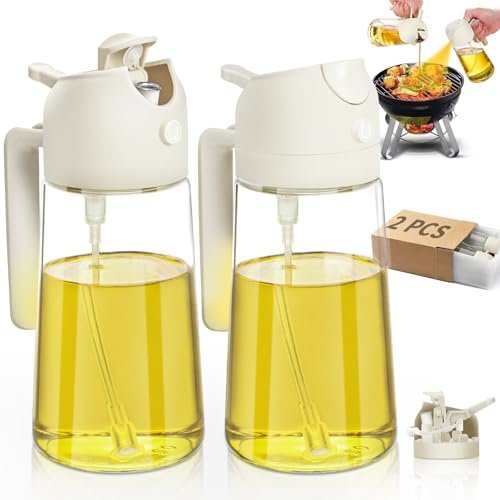
1. Precision Oil Sprayer (2-Pack)
The 16oz glass bottle provides better mist control than plastic alternatives.
Controlling oil usage is one of the easiest ways to improve diet quality without sacrificing flavor. Standard glass bottles are often too wide to pour a fine mist, leading to uneven cooking and wasted oil. A dedicated sprayer atomizes the oil, allowing you to coat an air fryer basket, a salad, or a grill pan evenly with minimal waste.
Why it works:
- Consistency: The 16oz capacity means fewer refills, keeping the counter clean.
- Material: Glass is inert and won't absorb odors or flavors like plastic bottles often do.
- Versatility: The 2-in-1 design often includes a pour spout for thicker oils or sauces.
In practice: A common mistake is using the sprayer for non-liquid fats. Stick to refined oils (olive, avocado, grapeseed) for the best mist. If the nozzle clogs, it is almost always due to thick residue; a quick soak in warm soapy water clears it instantly.
2. Ceramic Egg Separator
 The ceramic interior prevents egg white from sticking, making cleanup easy.
Separating eggs is a frequent task in baking and high-protein cooking. Using a standard bowl often results in shell fragments or broken yolks. A ceramic egg separator uses gravity and filtration to let the white slip through while retaining the yolk. The ceramic material is crucial; it is non-porous and, unlike metal, will not react with the acidic egg white.
Why it works:
- Ease of Use: You simply crack the egg into the top, lift it, and the white drains into your measuring cup.
- Durability: Ceramic is dishwasher safe and resists staining from turmeric, beet juice, or egg residue.
- Design: Compact size fits easily in any drawer.
In practice: Always use fresh eggs for the best results; older eggs have looser whites that can leak through the ceramic mesh. If you are separating a large batch, rinse the separator between every two eggs to prevent overflow.
3. Progressive Prepworks Can Colander
 This specialized colander drains canned goods directly without needing a bowl.
One of the most overlooked frustrations in the kitchen is the "can drain" dilemma. Most people dump canned beans into a standard colander, which has holes that are too large for small kernels or too small for quick draining. The can colander is specifically sized to fit over standard 15oz cans, allowing you to pour the contents directly from the can into the colander.
Why it works:
- Space Saving: It eliminates the need for a bowl and a traditional colander.
- Precision: The mesh is tuned for canned goods, allowing liquid to flow freely while retaining food.
- Simplicity: No rinsing of a large sink of water is required; just tilt and pour.
In practice: It works best with standard-sized cans. If you use larger 29oz cans, the liquid may overflow the sides. For those, stick to a standard colander. This tool is particularly useful for rinsing canned tomatoes or beans to reduce sodium.
4. Silicone Utensil Rest with Drip Pad
 The heat-resistant silicone holds utensils and catches drips to protect countertops.
Countertops get sticky and dirty fast when you have multiple hot spoons, tongs, and ladles on the stove. Wooden spoon rests absorb moisture and can harbor mold. Silicone rests are the superior solution: they are heat-resistant, non-porous, and easy to sanitize. The included drip pad is a genius addition; it catches overflow from pots and sauces, protecting your stovetop and cabinet fronts.
Why it works:
- Hygiene: BPA-free silicone does not absorb odors or bacteria like wood or porous ceramic.
- Capacity: Multiple compartments keep different utensils organized, preventing tangles.
- Durability: Withstands high temperatures from hot cooking tools.
In practice: Place it on a cool part of the counter, not directly on a live burner. While the silicone is heat-resistant, prolonged direct flame can melt it. It is best placed near the pot for easy access.
5. Multi-Function Cheese Grater with Garlic Crusher
 Three blades allow for shredding, slicing, and mincing in one tool.
Most kitchens have a dull grater that clogs and a separate garlic press that is difficult to clean. This combination tool addresses both. It features three interchangeable blades: one for coarse grating (cheese), one for fine shredding (vegetables), and one specifically for mincing garlic. The garlic crusher is often a roller that presses cloves against the blade, creating a consistent mince without the hassle of a press.
Why it works:
- Space Saver: One tool replaces three: a grater, a shredder, and a garlic press.
- Ease of Cleaning: The dishwasher-safe construction makes it far easier than a traditional wooden board and knife combo.
- Safety: The handle keeps your fingers away from the blade during the mincing process.
In practice: The fine grating side is ideal for zesting citrus. Be careful not to grate the pith, which is bitter. For garlic, let the cloves soften slightly if they are very cold, as they are easier to crush.
6. Pisol 6-Piece Gadget Set
 A space-saving bundle of specialized tools for quick prep tasks.
If you have limited drawer space, a single multi-tool set is more efficient than five separate gadgets. This set includes a cheese grater, bottle opener, peeler, pizza cutter, garlic grinder, and herb stripper. The herb stripper is a particularly clever inclusion; it allows you to strip leaves from stems in seconds, which is much faster than chopping by hand.
Why it works:
- Value: Buying the set is cheaper than purchasing the tools individually.
- Utility: The pizza cutter is surprisingly useful for chopping vegetables into uniform sticks.
- Portability: The compact design makes it easy to move around the kitchen.
In practice: The herb stripper works best on fresh, pliable stems like thyme or rosemary. Woody stems may snap rather than strip. The peeler is a standard Y-shape, good for apples and potatoes but not for very round tomatoes.
7. Multifunctional Meat Chopper
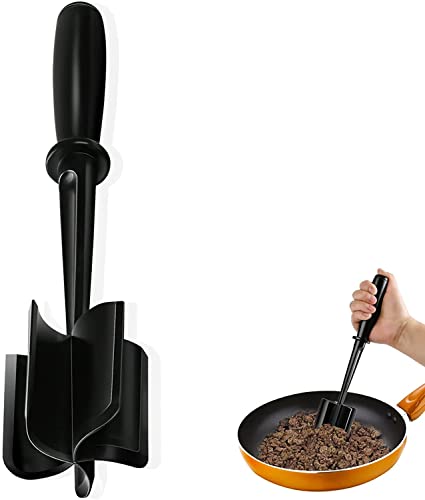 The grid pattern chops meat evenly while the handle provides leverage.
Texture is everything in burgers and meatloaf. A fork makes meat tough, and a knife is inefficient. A dedicated meat chopper uses a grid of blades to chop and mix ingredients simultaneously. It provides uniformity that manual chopping cannot match, ensuring your patties hold together without binders.
Why it works:
- Texture Control: The chop size is consistent, which leads to more even cooking.
- Non-Stick Friendly: The nylon head is safe for use on non-stick cookware.
- Double Duty: The grid also works well for mashing potatoes or crushing tomatoes for salsa.
In practice: For the best burger texture, mix your seasoning into the meat with the chopper as you chop. This ensures even distribution of salt and pepper. Do not over-chop; aim for the texture of coarse sand.
8. Food-Grade Silicone Dish Sponges
 These durable sponges resist mold and are gentle on cookware.
Traditional sponges are the most bacteria-ridden items in most homes. They hold moisture, feed bacteria, and need replacing every few weeks. Silicone sponges are a hygienic upgrade. They do not absorb water, so they dry quickly and do not develop that "swamp" smell. They are also less abrasive than steel wool, making them safe for non-stick pans and glassware.
Why it works:
- Hygiene: Non-porous surface prevents bacterial growth.
- Durability: They last for months, not weeks.
- Versatility: Can be used for scrubbing vegetables and fruits, reducing the need for a separate produce brush.
In practice: While they don't absorb water, they do not absorb soap as well as foam sponges. Use a small amount of dish soap directly on the sponge. They are not suitable for soaking in soapy water for extended periods; wash and dry immediately after use.
9. Chef’n FridgeFork Condiment Fork
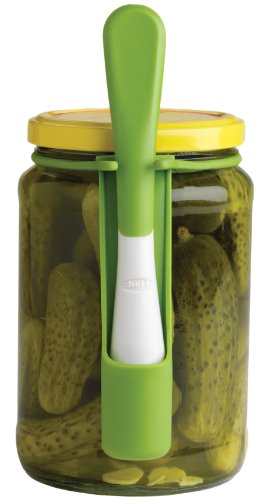 The hanging hole allows the fork to stay on the jar, keeping the fridge tidy.
Fishing out olives or pickles with a dinner fork is messy and unhygienic. The FridgeFork is designed to be permanently attached to the condiment jar. It hangs on the lid, so it is always in the right place. It is specifically sized for pickles, olives, and capers, making it much easier to grip small items.
Why it works:
- Convenience: Always accessible without digging through drawers.
- Hygiene: Keeps the dinner fork out of the fridge, reducing cross-contamination.
- Design: The hanging hole is small but sturdy.
In practice: It is a simple but effective tool. The main downside is that it is single-use per jar. If you have many condiment jars, you may want to invest in a few of these to keep each one labeled and organized.
10. Upgraded Herb Scissors
 The spring-loaded action reduces hand fatigue during chopping.
Chopping herbs on a cutting board is time-consuming and messy. Herb scissors (or kitchen shears) allow you to cut stems directly over a bowl or pot. The upgraded versions often feature a spring-loaded mechanism, which reduces the effort required to close the blades, making it easier to chop larger quantities without straining your hand.
Why it works:
- Speed: You can chop a cup of herbs in under a minute.
- Cleanliness: No cutting board to scrub, no knife to clean.
- Texture: The cut is usually more uniform than a knife chop for delicate leaves like basil or parsley.
In practice: Do not use these for tough stems or carrots. They are designed for leaves and soft stems. To keep them sharp, avoid using them on anything harder than a celery stalk. Rinse between uses to prevent cross-pollination of flavors.
Material Matters: Choosing Durable Tools
When selecting kitchen gadgets under $25, the material is often the deciding factor in longevity. A cheap tool that bends or corrodes after a few uses is not a good investment, even at a low price point.
- Stainless Steel: Look for 18/8 stainless steel for any tool that will touch food. It is non-reactive and resists rust. Avoid tools with unknown metal alloys, which can leach flavors.
- Food-Grade Silicone: Ensure silicone is labeled "food-grade" or "BPA-free." This guarantees it can withstand high temperatures without releasing toxins.
- Ceramic: Excellent for egg separators and small cooking implements. It is durable but can chip if dropped.
- Plastic: If you must choose plastic, look for dishwasher-safe labels. However, plastic can scratch and harbor bacteria in the scratches over time.
For more on maintaining the cleanliness of your kitchen tools and ensuring they stay in top condition, consider reviewing a guide on routine upkeep, as similar principles of hygiene and inspection apply to your kitchen inventory.
Safety and Maintenance: Extending the Life of Your Gadgets
Even high-quality tools can fail if they are not maintained properly. A common mistake is assuming all tools can go in the dishwasher. While many of the gadgets listed above are dishwasher safe, always check the manufacturer’s guidelines. Heat and harsh detergents can degrade silicone grips or dull stainless steel edges.
Cleaning Tips:
- Oil Sprayers: Run a few drops of soap and hot water through the sprayer once a month to prevent clogs.
- Graters: After using the grater for garlic or onion, the smell can linger. Grate a piece of white bread to absorb the odor.
- Herb Scissors: Wipe blades with a damp cloth immediately after use. If they become dull, you can try sharpening with a fine whetstone, but they are often inexpensive enough to replace.
Storage: Keep sharp tools like the pizza cutter and herb scissors in a drawer with a felt insert to protect the edges. Magnetic strips are also a great option for keeping knives and shears visible and safe.
If you are interested in organizing your kitchen more broadly, our article on minimalist storage offers strategies for decluttering small spaces, which applies well to kitchen drawers and cupboards.
Who Are These Gadgets For?
These tools are not just for professional chefs. They are particularly beneficial for:
- Health-Conscious Cooks: The oil sprayer and precision graters help control ingredients and portion sizes.
- Small Space Dwellers: The 6-piece set and compact colander save valuable counter and cabinet space.
- Beginners: Tools that perform specific tasks well (like the egg separator) reduce the fear of making mistakes.
- Health-Optimizers: Using dedicated tools for hygiene (silicone sponges, utensil rests) reduces the risk of foodborne illness.
For those who also care about on-the-go health and safety, having a compact kit for emergencies is wise. You might find our list of lightweight essentials useful for travel, as the principles of packing smart apply to both your car and your kitchen.
Frequently Asked Questions
Do kitchen gadgets under $25 actually last?
Many do, provided they are high-quality materials. Stainless steel and ceramic items can last years. Silicone items are also very durable. The key is to avoid all-plastic tools that may snap or warp. If you buy from reputable brands, the longevity is often better than expected.
Are these gadgets safe for non-stick cookware?
Most of the tools listed are safe. The meat chopper is explicitly made with a nylon head to protect non-stick surfaces. The silicone sponges are soft enough for glass and non-stick. However, always check the specific material of any new tool before using it on your pans.
How do I clean an oil sprayer that gets clogged?
Clogs usually happen when residue builds up. Soak the nozzle head in warm soapy water for 30 minutes. Then, fill the bottle with hot water and pump several times to flush the lines. You can also use a toothpick to gently clear the nozzle opening.
Is the egg separator really easier than using your hands?
Yes, significantly. Using your hands often results in broken yolks, which makes the whites unusable for meringues or macarons. The ceramic separator is designed to let the white slip through while the yolk remains intact, even with the small amount of agitation caused by lifting the separator.
Can I use the herb scissors for cutting kitchen twine?
Generally, no. These scissors are designed for soft herbs. Cutting twine or tougher fibers can dull the fine blades quickly. Stick to using them for herbs like basil, parsley, cilantro, and thyme.
For more on maintaining a safe kitchen environment, check out our guide on home safety basics, which includes tips on preventing and treating minor kitchen cuts.
Conclusion: Small Tools, Big Impact
You do not need a professional kitchen to cook like a professional. You just need the right tools for the right jobs. These genius gadgets under $25 address the daily inefficiencies that plague home cooks: messy draining, imprecise seasoning, and tedious chopping.
Start with one or two tools that solve your biggest pain points. If you struggle with oil control, grab the sprayer. If you bake often, the egg separator is a game-changer. Over time, these small additions will make your cooking faster, cleaner, and more enjoyable. The kitchen is a place of creativity, and the right tools are the brushes you use to paint your meals.
Ready to upgrade your workflow? Start by adding one of these essentials to your cart today and see the difference in your next meal. You might also enjoy our breakdown of kitchen essential storage to see how to keep these new tools organized and accessible.
Note: Always follow manufacturer instructions for cleaning and storage to ensure the longevity of your kitchen tools. For food safety guidelines, refer to the USDA Food Safety guidelines.
Kitchen Safety Reminder
While gadgets improve efficiency, safety remains the top priority. Always handle sharp tools like herb scissors and graters with care, keeping fingers away from blades. When working with raw meats or eggs, follow proper hygiene protocols to prevent cross-contamination. For detailed guidance on handling perishables, the FDA provides essential food safety communication guidelines that every home cook should review regularly.
About the Editorial Team
This guide was compiled by our culinary experts who specialize in budget-friendly kitchen solutions. We test products for durability, safety, and practical value to ensure our recommendations save you money and time. Our goal is to help you build a functional kitchen toolkit without breaking the bank. If you found this guide helpful, consider sharing it with fellow cooking enthusiasts who could use these tools to elevate their own culinary experience.
Quick Reference: Tool Maintenance Chart
To help you keep your new gadgets in top condition, use this quick reference chart. Regular maintenance extends the life of your tools and ensures food safety.
| Tool | Cleaning Method | Storage Tip | Lifespan Expectation |
|---|---|---|---|
| Oil Sprayer | Soak nozzle in warm soapy water monthly | Keep cap closed tightly to prevent leaks | 1-2 Years |
| Egg Separator | Dishwasher safe (top rack recommended) | Hang or place upright to dry completely | 3-5 Years |
| Herb Scissors | Wipe blades immediately after use | Store with a blade cover | 1-2 Years |
| Silicone Sponge | Hand wash with dish soap | Hang to dry fully between uses | 6-12 Months |
| Meat Chopper | Disassemble and wash all parts | Store away from moisture to prevent rust | 5+ Years |
Consistent care ensures your budget tools perform like premium equipment for years to come.
Ready to Upgrade Your Kitchen?
Don't let clutter and inefficiency slow down your cooking. Start by picking one gadget from this list that solves your biggest daily frustration. Whether it's the precision of the oil sprayer or the convenience of the herb scissors, these small investments yield big results.
For more tips on organizing your kitchen tools effectively, explore our guide on smart storage solutions. A well-organized kitchen is the foundation of enjoyable cooking.
Happy Cooking!

Hi, I’m Daniel Brooks—a food lover and kitchen gear enthusiast. I enjoy testing cookware, utensils, and gadgets to see what really works in everyday cooking. At PlugChef.com, I share honest reviews, comparisons, and simple guides to help you choose the best tools for a safer, smarter, and more enjoyable kitchen.
Similar Posts