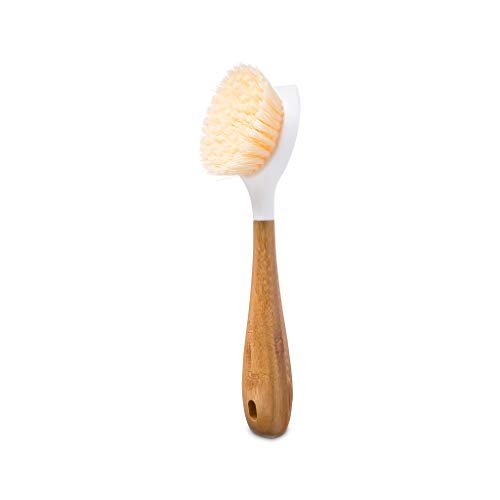
Every year, millions of plastic dish brushes and synthetic scrubbers end up in landfills, where they take 400+ years to break down while shedding microplastics into soil and waterways with every use. For homeowners committed to reducing household waste without sacrificing cleaning performance, the Ecococonut Kitchen Cleaning Brush offers a simple, high-performance solution. Made from renewable coconut coir fibers and fast-growing sustainable bamboo, these brushes deliver the scrubbing power needed for pots, pans, and stuck-on food residue, without the plastic waste, microplastic shedding, or harsh chemicals of traditional synthetic scrubbers. As of 2026, many municipalities have implemented bans on single-use plastic cleaning tools, making compostable options like Ecococonut not just eco-friendly, but also compliant with local waste reduction rules. In this guide, we’ll break down how Ecococonut brushes work, their key benefits, performance across kitchen surfaces, top product picks, care tips to extend their lifespan, and answers to common buyer questions.
What Is the Ecococonut Kitchen Cleaning Brush?
Ecococonut kitchen cleaning brushes are a line of plastic-free scrubbing tools built for everyday dishwashing and kitchen cleaning tasks. Unlike conventional brushes with nylon bristles and plastic handles, Ecococonut models use two core natural materials:
- Coconut coir: The tough, fibrous outer layer of coconut husks, a waste byproduct of the coconut food and textile industry that would otherwise be discarded. Coir is firm enough to scrape burnt-on food, but soft enough to avoid scratching most cookware surfaces.
- Moso bamboo: A fast-growing, pesticide-free grass that reaches maturity in 3–5 years (far faster than hardwood trees used for traditional brush handles). Bamboo is naturally antimicrobial, resisting the bacteria and odor buildup common with soggy plastic brushes.
Most Ecococonut brushes are fully compostable at end of life, with no synthetic glues or plastic components, making them a true zero-waste alternative to disposable scrubbers. They are designed for hand-washing dishes, pots, pans, cast iron cookware, and even fresh produce, with options ranging from small palm-sized brushes to long-handled models for deep pots.
Key Benefits of Eco-Friendly Coconut & Bamboo Brushes
Ecococonut brushes outperform plastic scrubbers in both sustainability and functionality for most household cleaning tasks:
- Non-abrasive yet high-powered scrubbing: Coconut coir bristles are firm enough to remove baked-on grease, burnt rice, and stuck-on sauce, but soft enough to avoid scratching stainless steel, ceramic, glass, and non-stick cookware. A common mistake new zero-waste kitchen converts make is using steel wool on non-stick pans, which ruins the coating permanently—Ecococonut brushes are a safe, effective alternative for these surfaces.
- No microplastic shedding: Unlike synthetic nylon brushes that release thousands of microplastic particles with every scrub session, contaminating household water supplies and ocean ecosystems per U.S. Environmental Protection Agency guidance on microplastic pollution, Ecococonut brushes release no harmful particles during use.
- Odor and bacteria resistant: Bamboo’s natural antimicrobial properties prevent the mold, mildew, and sour smells that develop with plastic brushes left to air dry. This eliminates the need to replace brushes due to hygiene concerns alone.
- Sustainable, low-impact sourcing: Bamboo requires no pesticides or irrigation to grow, and coconut coir repurposes a waste product of the coconut industry, reducing the environmental footprint of both material sourcing and end-of-life disposal.
Performance on Different Kitchen Surfaces
Ecococonut brushes are versatile enough for nearly every kitchen cleaning task, with performance varying slightly by brush design:
Dishes and Glassware
The soft-to-medium stiffness of coconut coir bristles removes dried-on food, sauce, and coffee residue from plates, glasses, and mugs without leaving fine scratches that make glassware look dull over time. For extra stuck-on messes, pair the brush with warm soapy water and a 5-minute soak before scrubbing.
Pots, Pans, and Cast Iron Cookware
Long-handled Ecococonut brushes reach the bottom of deep stock pots and Dutch ovens without burning your hands, while firm bristles scrape away burnt food and grease without stripping the polymerized seasoning layer from cast iron. This makes them a top pick for cast iron enthusiasts who avoid steel wool for fear of ruining their cookware.
Delicate Surfaces (Non-Stick, Ceramic Coating)
Ecococonut brushes are safe for most non-stick and ceramic coated cookware, as the bristles are not stiff enough to scratch the protective layer. For vintage or extra-delicate non-stick surfaces, test the brush on a small, inconspicuous area first to confirm compatibility.
Produce and Kitchen Sinks
Small palm-sized Ecococonut brushes are ideal for scrubbing dirt off root vegetables like potatoes and carrots, without damaging the skin. They also work well for cleaning porcelain, stainless steel, and composite kitchen sinks, removing hard water stains and food debris without scratching the surface.
Top Ecococonut & Natural Coconut Fiber Kitchen Brushes (2026)
The original Ecococonut product line has expanded to include a range of brush designs for different use cases, with several comparable third-party options available for shoppers. Below are the top picks for 2026, all made with coconut coir and sustainable bamboo:
Full Circle Be Good Bamboo Handle Dish Brush (Best for Cast Iron & Deep Pots)
 Long handle design reduces strain when scrubbing deep pots
This 9.25-inch long-handled brush is designed for scrubbing the bottom of deep stock pots, Dutch ovens, and cast iron skillets without burning your hands or wrists. Its firm coconut coir bristles tackle burnt-on food and grease without stripping cast iron seasoning, making it a favorite among home cooks who avoid harsh steel wool. The ergonomic bamboo grip reduces hand fatigue during long dishwashing sessions.
Pros:
Long handle design reduces strain when scrubbing deep pots
This 9.25-inch long-handled brush is designed for scrubbing the bottom of deep stock pots, Dutch ovens, and cast iron skillets without burning your hands or wrists. Its firm coconut coir bristles tackle burnt-on food and grease without stripping cast iron seasoning, making it a favorite among home cooks who avoid harsh steel wool. The ergonomic bamboo grip reduces hand fatigue during long dishwashing sessions.
Pros:
- Sustainably harvested bamboo handle, fully compostable
- Firm bristles safe for cast iron, stainless steel, and non-stick cookware
- Long handle eliminates hand strain for deep pots
- Compact 2.36-inch width fits easily in kitchen drawers Cons:
- Not dishwasher safe; requires hand washing and air drying
- White handle may show stains over time with heavy use
- Bristles wear faster with daily heavy-duty scrubbing For a durable, cast iron-safe scrub brush with a long handle to reduce hand strain, shop the Full Circle Be Good Bamboo Handle Dish Brush here.
SAMEBUTECO 4-Piece Bamboo Dish Brush Set (Best Multi-Task Kitchen Kit)
 Four specialized brushes cover every kitchen scrubbing need
This 4-piece set includes a large pot brush, small dish brush, narrow bottle brush, and produce scrubber, giving you a dedicated tool for every kitchen cleaning task without buying separate brushes. All tools feature sustainable bamboo handles and natural coconut coir bristles, with an ergonomic grip for comfortable use. The compact set fits easily in a kitchen drawer or convenient countertop storage for quick access.
Pros:
Four specialized brushes cover every kitchen scrubbing need
This 4-piece set includes a large pot brush, small dish brush, narrow bottle brush, and produce scrubber, giving you a dedicated tool for every kitchen cleaning task without buying separate brushes. All tools feature sustainable bamboo handles and natural coconut coir bristles, with an ergonomic grip for comfortable use. The compact set fits easily in a kitchen drawer or convenient countertop storage for quick access.
Pros:
- Versatile set covers pots, pans, bottles, produce, and dishes
- Eco-friendly bamboo and coir construction, fully compostable
- Ergonomic grip reduces hand strain during use
- Great value for the number of tools included Cons:
- Natural bristles wear faster than synthetic alternatives with heavy use
- Requires full air drying between uses to prevent mildew
- No replaceable heads; full brush replacement required when bristles wear down For a complete set of eco-friendly brushes for every kitchen task, shop the SAMEBUTECO 4-Piece Set here.
Jungle Culture 6-Piece Natural Dish Brush Set (Best Zero-Waste Starter Pack)
 Complete set for fully plastic-free kitchen cleaning
This 6-piece set is perfect for households new to zero-waste cleaning, including two dish brushes, a pot brush, a bottle brush, a natural cellulose scourer, and a coconut coir sponge. All components are fully plastic-free and compostable, with materials sourced from sustainable farms. The cellulose scourer is ideal for quick everyday dishwashing, while the coconut brushes tackle tougher messes. For households prioritizing plastic-free waste disposal, this set eliminates the need for any synthetic cleaning tools.
Pros:
Complete set for fully plastic-free kitchen cleaning
This 6-piece set is perfect for households new to zero-waste cleaning, including two dish brushes, a pot brush, a bottle brush, a natural cellulose scourer, and a coconut coir sponge. All components are fully plastic-free and compostable, with materials sourced from sustainable farms. The cellulose scourer is ideal for quick everyday dishwashing, while the coconut brushes tackle tougher messes. For households prioritizing plastic-free waste disposal, this set eliminates the need for any synthetic cleaning tools.
Pros:
- Fully plastic-free, 100% compostable components
- 6 tools cover every kitchen cleaning need, no additional purchases required
- Includes a cellulose scourer for delicate dishes and a sponge for quick wiping
- Compact, space-saving design for small kitchens Cons:
- Natural fibers require thorough drying between uses to prevent mildew
- Less effective on extremely tough, baked-on grime than steel wool
- No replaceable heads for individual tools For a full zero-waste kitchen cleaning starter set, shop the Jungle Culture 6-Piece Set here.
Eplanita Natural Dish Brush with Replacement Heads (Best Long-Term Value)
 Replaceable heads extend the life of the brush handle for less waste
This set includes a durable bamboo handle, 3 replaceable coconut coir brush heads, and an extra plant-based sponge for delicate surfaces. Unlike single-use brushes, you only need to replace the worn bristle head, not the entire handle, which reduces long-term waste and saves money over time. The extra sponge is ideal for cleaning non-stick surfaces or wiping countertops without scratching. Following proper tool care guidelines, the bamboo handle can last for years with regular use.
Pros:
Replaceable heads extend the life of the brush handle for less waste
This set includes a durable bamboo handle, 3 replaceable coconut coir brush heads, and an extra plant-based sponge for delicate surfaces. Unlike single-use brushes, you only need to replace the worn bristle head, not the entire handle, which reduces long-term waste and saves money over time. The extra sponge is ideal for cleaning non-stick surfaces or wiping countertops without scratching. Following proper tool care guidelines, the bamboo handle can last for years with regular use.
Pros:
- Replaceable heads reduce long-term waste and cost
- Fully plastic-free, compostable materials
- Extra plant sponge included for delicate cleaning tasks
- Ergonomic handle grip for comfortable use Cons:
- Bamboo handle can crack if left submerged in water for long periods
- Natural bristles wear faster than synthetic alternatives with heavy use
- Only one brush head included initially, additional heads sold separately For a low-waste, long-lasting brush with replaceable parts, shop the Eplanita Natural Dish Brush Set here.
Airnex Natural Cellulose & Coconut Scrubber Sponges (12-Pack, Best for Everyday Dishes)
 Dual-sided sponges for quick, plastic-free everyday cleaning
These dual-sided sponges feature a soft, absorbent cellulose side for wiping counters and cleaning delicate dishes, and a rough coconut coir scrubber side for removing stuck-on food. The 12-pack lasts 3–6 months for average households, and all components are fully compostable in home bins. Unlike synthetic sponges that shed microplastics and take centuries to break down, these sponges decompose fully in 6–12 months.
Pros:
Dual-sided sponges for quick, plastic-free everyday cleaning
These dual-sided sponges feature a soft, absorbent cellulose side for wiping counters and cleaning delicate dishes, and a rough coconut coir scrubber side for removing stuck-on food. The 12-pack lasts 3–6 months for average households, and all components are fully compostable in home bins. Unlike synthetic sponges that shed microplastics and take centuries to break down, these sponges decompose fully in 6–12 months.
Pros:
- 12-pack value for long-term use
- Dual-sided design for both wiping and scrubbing
- Fully compostable, no plastic components
- Absorbent cellulose side holds soap for quick cleaning Cons:
- Not suitable for heavy-duty burnt-on messes
- Coconut scrubber side wears faster than synthetic scrub pads
- Less effective on tough greasy residue than stiff brushes For a pack of compostable sponges for everyday dishwashing, shop the Airnex 12-Pack here.
How to Care for Your Ecococonut Brush to Extend Its Lifespan
With proper care, Ecococonut brushes last 3–6 months on average, comparable to low-cost plastic scrubbers, with a far lower environmental impact. Follow these simple steps to maximize their lifespan:
- Rinse and dry immediately after use: Shake off excess water and soap after each dishwashing session, then stand the brush bristle-side up in a proper air circulation brush holder to dry fully. Never leave the brush sitting in soapy water or a closed, damp drawer, as this promotes mildew growth and warps the bamboo handle.
- Avoid prolonged soaking: Never submerge the entire brush in water for extended periods, as bamboo is a natural material that can crack, warp, or develop mold when exposed to excess moisture for hours at a time.
- Sanitize monthly: Soak the brush head in a mix of 1 part white vinegar to 3 parts hot water for 10 minutes once a month to kill bacteria and remove built-up residue. Rinse thoroughly and air dry fully after sanitizing. For extra sanitization, run the bristles under boiling water for 30 seconds.
- Store in a dry, well-ventilated area: Keep brushes away from direct sunlight (which can dry out and crack bamboo over time) and damp spaces like under the sink.
Ecococonut Brushes vs. Traditional Plastic & Synthetic Scrubbers
For shoppers weighing the switch to an eco-friendly brush, the below comparison highlights key differences between Ecococonut models and conventional plastic scrubbers:
| Feature | Ecococonut Coconut Coir & Bamboo Brush | Traditional Plastic/Nylon Scrubber |
|---|---|---|
| Material Source | Renewable bamboo, waste coconut coir (coconut industry byproduct) | Petroleum-based plastic, synthetic nylon |
| Microplastic Shedding | None | Sheds microplastics with every use, contaminating water and food |
| End-of-Life Disposal | Fully compostable in home bins in 6–12 months | Takes 400+ years to break down in landfill, releases toxic additives |
| Surface Safety | Non-abrasive, safe for non-stick, cast iron, glass, ceramic | Can scratch delicate surfaces; steel wool variants damage non-stick seasoning |
| Average Lifespan | 3–6 months with proper care | 1–3 months for low-cost plastic brushes, 6+ months for high-end nylon |
| Long-Term Cost | $3–$8 per brush; replaceable head models reduce cost over time | $1–$5 per brush; no replaceable parts, full replacement required |
As the table shows, Ecococonut brushes offer comparable performance to plastic scrubbers for most household tasks, with far lower environmental impact and no microplastic shedding.
Frequently Asked Questions
What materials are used in Ecococonut kitchen cleaning brushes?
Ecococonut brushes are made from 100% natural, plastic-free materials: coconut coir (the fibrous outer layer of coconut husks, a waste byproduct of the coconut industry) and Moso bamboo, a fast-growing, pesticide-free grass. No synthetic glues, plastics, or animal-derived materials are used in standard Ecococonut brush construction, making them fully compostable at end of life.
Are Ecococonut brushes safe for non-stick cookware?
Yes. The firm but non-abrasive coconut coir bristles will not scratch non-stick coatings, unlike steel wool or stiff nylon brushes. For vintage or extra-delicate non-stick surfaces, test the brush on a small, hidden area of the cookware first to confirm compatibility.
Can Ecococonut brushes replace traditional plastic scrubbers?
Yes, for 90% of daily household kitchen cleaning tasks, Ecococonut brushes perform as well as or better than plastic scrubbers. They are suitable for dishes, pots, pans, cast iron, sinks, and produce. For extremely heavy-duty, caked-on grime, you may want to keep a steel wool scrubber on hand for occasional use, but no plastic scrubber is needed for everyday tasks.
How do I dispose of an old Ecococonut brush?
Worn Ecococonut brushes and bristles break down fully in home compost bins in 6–12 months, per University of Minnesota Extension composting guidelines for natural fiber products. If you don’t have access to composting, you can toss the entire brush in your regular trash, where it will still break down far faster than plastic. For models with replaceable heads, compost only the worn bristle head and keep the bamboo handle for a new replacement.
Do Ecococonut brushes work on burnt-on food?
Yes. The firm coconut coir bristles scrub away most burnt-on residue when paired with warm soapy water and a 5–10 minute soak on the cookware. For extremely tough, baked-on grime, add a sprinkle of baking soda to the surface before scrubbing for extra abrasion without scratching.
Conclusion
Switching to an Ecococonut kitchen cleaning brush is one of the easiest, most low-effort changes you can make to reduce your household plastic waste, without sacrificing cleaning performance. These brushes deliver the scrubbing power needed for even the toughest kitchen messes, while their fully compostable materials ensure they don’t linger in landfills for centuries. With proper care, a single Ecococonut brush lasts as long as a traditional plastic scrubber, and replaceable head models extend that lifespan even further by letting you swap only the worn bristles. If you’re ready to make the switch, opt for a brush with a replaceable head for the lowest long-term environmental impact, and pair it with other zero-waste kitchen essentials like reusable silicone baking mats and plastic-free compostable trash bags to build a fully sustainable, low-waste kitchen routine aligned with organic minimalist kitchen design principles. Small, consistent changes like this add up to meaningful environmental benefits over time, while keeping your dishes sparkling and your kitchen free of harsh chemicals.

I’m Abby Lu, a passionate home cook who loves simplifying everyday meals. At PlugChef.com, I share product reviews and cooking guides to help you find the best tools for your kitchen.
Related posts:
 Black Stainless Steel Kitchen Appliance Packages: Elevate Your Culinary Experience
 Frigidaire Gallery Kitchen Appliance Packages: Elevate Your Culinary Experience
 Whirlpool Kitchen Appliance Package Deals: Transform Your Cooking Space Today!
 Best Microwave Egg Cooker: Quick, Delicious Breakfasts Made Easy
 Best Beginner Espresso Machine: Top Picks for Perfect Home Brews
 Best Blenders Sunglasses for Men: Stylish Polarized UV Protection