Whether you run a home kitchen, mobile food trailer, or full-scale commercial restaurant, consistent kitchen equipment maintenance is the single most effective way to cut unexpected repair costs, reduce food safety risks, and keep your tools performing at their best. In practice, regular upkeep extends the usable lifespan of kitchen equipment by 2–5 years on average, while also ensuring consistent cooking results and compliance with local health regulations for food service operations. Even high-performance appliances like blenders that make hot soup require routine care to avoid motor burnout and maintain blending consistency. This guide covers actionable, up-to-date maintenance practices for every type of kitchen equipment, tailored for home cooks, small food business owners, and professional kitchen managers in 2026.
 New kitchen owners can build consistent maintenance habits early to extend the life of their equipment.
 Reference materials help homeowners and professionals choose low-maintenance, long-lasting kitchen equipment and surfaces.
Why Routine Maintenance Is Non-Negotiable for Every Kitchen
Skipping small, regular upkeep tasks may seem harmless in the short term, but it leads to three high-cost, high-risk outcomes over time:
- Unexpected repair and replacement costs: Unplanned equipment failures can cost commercial kitchens thousands of dollars in lost revenue and emergency repairs, while home cooks face the expense of replacing faulty appliances years before their expected lifespan. Regular maintenance catches small issues like worn gaskets or clogged filters before they escalate into costly breakdowns.
- Food safety risks: Dirty or faulty equipment creates hidden breeding grounds for bacteria like Salmonella and E. coli, which can cause serious foodborne illness. The U.S. Food and Drug Administration (FDA) Food Code requires commercial kitchens to implement regular cleaning and maintenance schedules for all food-contact equipment to prevent cross-contamination.
- Inconsistent performance: Well-maintained appliances operate at peak efficiency, delivering consistent cooking temperatures, blending power, and cooling performance. A neglected oven with a worn door seal, for example, can run 25°F hotter or colder than its setting, leading to undercooked or burnt food.
Daily and Weekly Maintenance Tasks for All Equipment
High-use equipment requires frequent, low-effort care to stay safe and functional. Split tasks by equipment type for streamlined upkeep:
Small Hand Tools (Cutting Boards, Knives, Small Appliances)
These items see the most daily use and require the most frequent attention:
- Cutting boards: Wash all cutting boards with hot, soapy water after each use, and sanitize with a 1-tablespoon-per-gallon bleach solution after prepping raw meat, poultry, or seafood. For wooden cutting boards, avoid soaking to prevent warping; instead, spot-clean stains with a paste of baking soda and lemon, following our guide on how to clean cutting board stain for tough discoloration. Apply a thin coat of food-grade mineral oil every 2–4 weeks to maintain the board’s protective barrier and prevent cracking; refer to our guide on how many coats of mineral oil on a cutting board for step-by-step instructions.
 Adaptive kitchen tools require the same regular cleaning and maintenance as standard equipment to ensure safety and longevity.
 Proper wood care, including regular oiling, extends the life of wooden cutting boards and utensils.
- Knives: Hone chef knives with a honing steel after every 2–3 uses to maintain a sharp edge, and have them professionally sharpened annually to reduce slipping hazards. Store knives in a block or magnetic strip rather than loose in a drawer to protect edges and prevent accidental cuts.
- Small appliances: For coffee grinders, unplug and empty the bean hopper after each use, then brush out the burrs to remove stale coffee oils that can bitter brew flavor. For high-performance blenders, drain and wash the jar after each use, and run a cycle with warm soapy water weekly to remove stuck-on residue; check the rubber gasket seal monthly for wear to prevent leaks during operation.
 Specialized brushes make it easy to remove stale coffee oils and grounds from grinder burrs for optimal performance.
Large Household Appliances (Ovens, Refrigerators, Dishwashers)
- Ovens: Wipe up spills immediately after use to prevent smoke and fire hazards during future cooking. Limit self-cleaning cycles to 2–3 times per year, as the extreme heat can damage heating elements and warp interior finishes. Inspect the door seal annually for cracks or gaps that let heat escape, which reduces cooking efficiency and increases energy bills.
- Refrigerators: Clean condenser coils (located at the back or bottom of the unit) every 6 months with a vacuum brush to remove dust and pet hair, which improves cooling efficiency and extends compressor lifespan. Check door gaskets for gaps by closing a dollar bill in the door; if it slides out easily, the gasket needs replacement to prevent cold air loss. Defrost manual freezers when ice buildup exceeds 1/4 inch to maintain optimal cooling performance.
- Dishwashers: Run a full cleaning cycle with a commercial descaler or 1 cup of white vinegar placed in the top rack monthly to remove limescale and food particles. Clean the filter and spray arms every 2–3 months to ensure water flows freely and dishes come out clean.
Commercial-Grade Equipment (Food Trailers, Restaurants, Catering Kitchens)
Commercial equipment requires more frequent and rigorous maintenance to meet health codes and avoid costly downtime:
- Clean grease traps and hood filters weekly to prevent fire hazards, and inspect gaskets on reach-in refrigerators daily for tears that could cause dangerous temperature fluctuations.
- Calibrate cooking equipment (grills, ranges, fryers) weekly to ensure consistent cooking temperatures and avoid undercooked food.
- Keep a dedicated maintenance logbook to track service dates, repairs, part replacements, and warranty information for every piece of equipment. This simplifies regulatory inspections and helps service technicians diagnose issues faster by providing a full service history.
 Custom food trailers require specialized maintenance for mobile kitchen equipment to meet health and safety standards during events.
Seasonal and Annual Deep Maintenance Tasks
These less frequent tasks address wear and tear that builds up over time:
- Descaling: For all appliances that use water (coffee makers, dishwashers, ice makers, water heaters), run a descaling cycle every 3–6 months using a 1:1 mix of white vinegar and water, followed by a full rinse cycle to remove residue. In areas with hard water, increase frequency to every 2 months to prevent limescale buildup that damages internal components.
- Electrical and gas inspections: Inspect all electrical cords and plugs for fraying or damage annually, and replace any faulty cords immediately to avoid fire risks. For gas appliances, check connections for leaks annually with a soap solution (bubbles indicate a leak that requires professional repair). Follow University of Minnesota Extension best practices for home appliance upkeep tailored to your local climate to avoid weather-related damage and maintain efficiency year-round.
- Outdoor kitchen care: Cover all appliances and prep surfaces with waterproof covers during winter or rainy seasons, and disconnect gas lines from grills and ranges if they will not be used for more than 3 months. Inspect outdoor refrigerators and ice makers monthly for temperature consistency, as ambient weather can impact their performance.
 Proper seasonal maintenance protects outdoor kitchen equipment from weather-related damage year-round.
Common Maintenance Mistakes That Shorten Equipment Lifespan
Even well-meaning maintenance routines can backfire if you make these common errors:
- Using abrasive cleaners on sensitive surfaces: Steel wool, harsh bleach solutions, and acidic cleaners (like undiluted vinegar) scratch stainless steel finishes, non-stick coatings, and wooden surfaces, creating hiding spots for bacteria and reducing appliance efficiency. For stainless steel sinks and appliances, use a soft cloth and pH-neutral cleaner; follow our guide to best stainless steel cleaner for kitchen sinks for streak-free, damage-free results.
- Ignoring manufacturer guidelines: Every appliance has specific maintenance requirements based on its design; ignoring these can void warranties and cause premature wear. For example, self-cleaning ovens should never have the door gasket wiped with harsh chemicals, as this can degrade the heat-resistant seal and cause the self-clean cycle to malfunction.
- Delaying small repairs: A minor leak in a dishwasher, a small crack in a cutting board, or a loose hinge on a refrigerator door can escalate into costly replacements if ignored. Address issues as soon as you notice them to avoid larger problems down the line.
- Over-lubricating moving parts: For commercial equipment with hinges, gears, or motor parts, use only the lubricant recommended by the manufacturer; excess lubricant attracts dirt and grime, which can jam mechanisms and cause premature wear.
- Soaking wooden cutting boards: Prolonged soaking causes wooden boards to warp, crack, and absorb water that harbors bacteria. Wipe wooden boards down with a damp cloth after each use, and only hand-wash with minimal water when deep cleaning.
Essential Tools and Resources for Streamlined Upkeep
Building a basic maintenance kit and setting up a tracking system makes regular upkeep far easier:
- Basic maintenance kit: Stock your kitchen or supply closet with food-grade mineral oil for wooden cutting boards and utensils, a soft-bristle brush for appliance crevices and coffee grinder burrs, a commercial-grade descaler, pH-neutral kitchen cleaner, and a set of replacement gaskets for frequently used appliances.
- Tracking systems: For home kitchens, use a digital calendar with automated reminders for recurring tasks like descaling or coil cleaning. For commercial operations, a physical or digital maintenance record book is required to document cleaning and service for health inspections, and helps technicians diagnose issues faster by providing a full service history. Many commercial kitchen management apps also integrate maintenance tracking with inventory and staff scheduling.
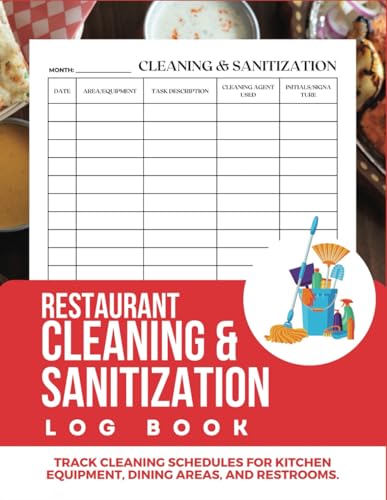 A printed logbook simplifies compliance tracking for commercial kitchen cleaning and maintenance schedules.
 A dedicated maintenance record book simplifies warranty claims and service appointments for commercial equipment.
- Reference resources: For new kitchen owners or those looking to upgrade to lower-maintenance equipment, beginner guides like this beginner's kitchen maintenance guide provide step-by-step advice for stocking and caring for basic kitchen tools. For vintage or retro-style appliances that prioritize durability over smart features, check out our guide to retro kitchen appliances for low-maintenance, long-lasting options that hold up to heavy use.
 Comprehensive reference guides provide quick, actionable tips for common kitchen maintenance tasks.
Frequently Asked Questions
How often should I clean kitchen equipment for maintenance?
Clean all food-contact surfaces (cutting boards, countertops, appliance exteriors) after each use to prevent bacterial growth. Deep clean large appliances like ovens, refrigerators, and dishwashers monthly, and sanitize commercial equipment daily per local health code requirements. For wooden cutting boards, apply a fresh coat of food-grade mineral oil every 2–4 weeks to maintain their protective barrier and prevent cracking.
What are the key steps for proper kitchen equipment maintenance?
Core maintenance steps include: 1) Daily cleaning and sanitization of all food-contact surfaces, 2) Weekly inspection of cords, seals, and moving parts for wear or damage, 3) Monthly deep cleaning of hard-to-reach areas like condenser coils, appliance filters, and grinder burrs, 4) Annual professional servicing for large commercial and high-end residential appliances, and 5) Detailed record-keeping of service dates, repairs, and part replacements to track equipment health over time.
How do I track kitchen maintenance schedules effectively?
For home kitchens, use a digital calendar with automated reminders for recurring tasks like descaling or coil cleaning. For commercial operations, a physical or digital maintenance record book is required to document cleaning and service for health inspections, and helps technicians diagnose issues faster by providing a full service history. Many commercial kitchen management apps also integrate maintenance tracking with inventory and staff scheduling.
How can I maintain coffee grinders for optimal performance?
Empty the bean hopper and brush out the burrs after each use to remove stale coffee oils that can bitter brew flavor. Run a cycle of uncooked rice through the grinder monthly to absorb residual oils, and deep clean the burrs with a dedicated soft-bristle brush every 3 months. Avoid getting water inside the grinder motor, as this can cause rust and electrical damage.
What maintenance do adaptive kitchen tools for seniors require?
Adaptive tools like one-handed cutting boards and ergonomic utensils require the same basic cleaning as standard kitchen tools: wash with hot, soapy water after each use, and sanitize regularly to prevent bacterial growth. Check non-slip feet and adjustable parts monthly for wear to ensure stability during use. For wooden adaptive cutting boards, follow the same oiling schedule as standard wooden boards to prevent cracking and bacterial growth.
How do I maintain outdoor kitchen equipment year-round?
Clean grill grates and outdoor appliance surfaces after each use to prevent rust and grease buildup. Cover all appliances and prep surfaces with waterproof covers during winter or rainy seasons, and disconnect gas lines from grills and ranges if they will not be used for more than 3 months. Inspect outdoor refrigerators and ice makers monthly for temperature consistency, as ambient weather can impact their performance.
Conclusion
Consistent kitchen equipment maintenance is one of the simplest, most cost-effective ways to protect your investment, reduce long-term expenses, and keep your cooking space safe and efficient. Whether you’re a home cook prepping meals for your family, a food trailer owner serving customers at local festivals, or a restaurant manager overseeing a full commercial kitchen, small, regular upkeep tasks prevent costly breakdowns and extend the usable life of your tools by years.
Beyond extending lifespan, proper maintenance ensures consistent cooking performance, reduces food safety risks, and helps commercial operations stay compliant with local health regulations. By building daily, weekly, and seasonal maintenance tasks into your routine, and keeping clear records of service and repairs, you’ll avoid the stress and expense of unexpected equipment failures.
For more tips to keep your kitchen running smoothly, check out our guides to organizing kitchen drawers for easy access to maintenance tools, and how to organize kitchen cabinets with pots and pans to protect your cookware from damage during storage.

I’m Abby Lu, a passionate home cook who loves simplifying everyday meals. At PlugChef.com, I share product reviews and cooking guides to help you find the best tools for your kitchen.
Related posts:
 Best Tea Instead of Coffee: Discover Delicious Caffeine-Free Alternatives
 Philips Kitchen Appliances Cleaning Comparison: Top Solutions for Effortless Maintenance
 Best Vacuum Sealers for Food: Top Picks for Ultimate Freshness
 Best Gluten Free Bread Mix for Bread Machine: Top Picks for Tasty Loaves
 Kitchen Cleaning Brush Meesho: Top Picks for Efficient Deep Cleaning
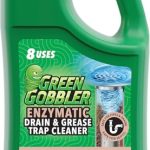 Top Drain Cleaners to Remove Grease and Unclog Drains Fast