
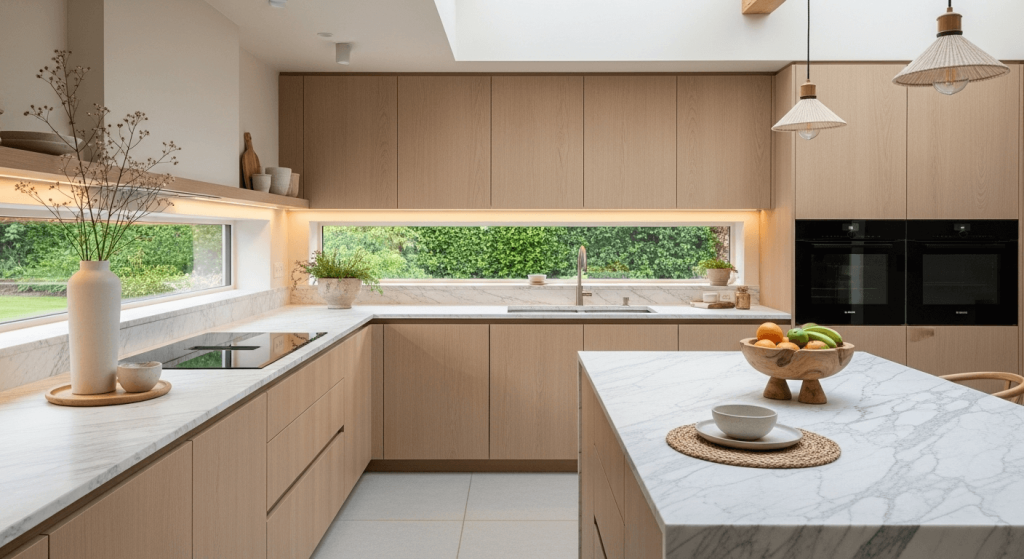
An organic minimalist kitchen blends uncluttered functionality with warm, natural touches to create a space that feels calm, inviting, and deeply functional. Unlike cold, sparse standard minimalism, this style prioritizes biophilic elements, sustainable materials, and intentional design to support everyday cooking, reduce stress, and lower your home’s environmental impact. Whether you are renovating fully or making small, incremental updates, this guide walks you through every step to build a kitchen that balances effortless elegance with practical, daily use.
What Defines an Organic Minimalist Kitchen?
At its core, this design style rejects excess while embracing the imperfect, tactile beauty of natural materials. It prioritizes every item’s purpose, avoids single-use or trendy decor, and creates a direct connection to the outdoors through texture, light, and greenery. The goal is not a sterile, showroom-like space, but a warm, liveable kitchen that feels peaceful even during busy weeknight cooking sessions.
Key Distinctions From Standard Minimalism
Standard minimalism often relies on synthetic, smooth surfaces and a strictly neutral, uniform palette that can feel impersonal. Organic minimalism, by contrast, leans into the natural variation of wood grain, stone veining, and woven textures to add warmth without visual clutter. It also prioritizes non-toxic, sustainably sourced materials over mass-produced options, and includes small biophilic touches like live plants or fresh herb gardens to bring life into the space without adding unnecessary items.
Foundational Design Principles to Follow
Skipping these core guidelines often leads to a kitchen that looks stylish on paper but is frustrating to use daily. Start with these rules to set your project up for long-term success.
Prioritize the Kitchen Work Triangle
The work triangle, developed by the National Kitchen and Bath Association (NKBA), is the gold standard for functional kitchen layout. It positions your sink, stove, and refrigerator at the three points of a triangle, with each leg measuring 4 to 9 feet, and a total perimeter of 12 to 26 feet. This layout minimizes unnecessary movement while cooking, and no major traffic paths or cabinetry should cross through the triangle to avoid obstructions. For open-concept kitchens, keep island overhangs at least 12 inches away from the triangle to maintain clear flow.
Embrace "Intentional Only" Storage
Every item in an organic minimalist kitchen should have a dedicated, accessible home. Avoid "junk drawers" for random miscellaneous items, and instead use custom dividers for utensils, spice jars, and small gadgets. Countertops should hold only the 2-3 items you use daily (e.g., a knife block, a kettle, a fruit bowl); all other small appliances and gadgets should be stored out of sight in cabinets or drawers. In practice, keeping 10-15% of counter space clear prevents clutter from accumulating even during high-use periods.
Prioritize Durability Over Trends
Choose materials and fixtures that age gracefully, developing a natural patina rather than showing wear and tear. Avoid trendy accent colors or disposable decor that will feel outdated in 2-3 years. Instead, invest in high-quality, timeless pieces that will last for decades, reducing long-term waste and the need for frequent replacements.
Choosing Natural, Low-Maintenance Materials
Material selection is the most impactful choice for an organic minimalist kitchen, as it sets the tone for the entire space and determines long-term maintenance needs. Prioritize sustainably sourced, non-toxic options that align with the style’s eco-friendly ethos.
Cabinetry and Surfaces
For cabinetry, opt for FSC-certified solid wood or plywood with low-VOC finishes to avoid harmful off-gassing. Avoid MDF or particleboard with high formaldehyde content, which can release toxins into your home for years. For countertops, quartz is a top low-maintenance pick: it offers natural stone veining with no need for regular sealing, and it resists stains and scratches better than marble or granite. If you prefer a more rustic feel, end-grain butcher block is durable and warm, but requires monthly oiling to prevent drying. Honed granite is another excellent option, as its matte finish hides water spots and scratches far better than polished stone.
Flooring Options
FSC-certified hardwood, cork, and natural linoleum are the best fits for organic minimalist kitchens. Cork is particularly well-suited for cooks who stand for long periods, as it is soft underfoot, renewable (harvested from cork oak tree bark without harming the tree), and naturally resistant to moisture. Natural linoleum is biodegradable, durable, and available in a wide range of muted, earthy tones.
Hardware and Fixtures
Choose simple, clean-lined hardware in matte brass, brushed nickel, or oil-rubbed bronze to complement natural materials. Avoid ornate, shiny plastic fixtures that compete with the organic aesthetic. For faucets, look for low-flow, WaterSense-certified models to reduce water waste without sacrificing functionality.
 A well-lit organic minimalist kitchen balances natural wood cabinetry with functional workspace and small greenery accents.
Curating a Calming, Cohesive Color Palette
The right color scheme enhances natural light, makes the space feel larger, and creates a serene backdrop for your natural materials. Stick to the 80/20 rule to avoid clutter: 80% of your palette should be neutral base tones, with 20% subtle earthy accents.
Neutral Base Tones
Warm whites, soft greys, and creamy beiges are the perfect base for walls, large surfaces, and cabinetry. These shades reflect natural light to make even small kitchens feel airy and open, and they don’t compete with the texture of wood or stone. When painting cabinetry, opt for a matte or eggshell finish to avoid harsh glare, and choose low-VOC or zero-VOC paint to avoid harmful off-gassing in your kitchen.
Subtle Earthy Accents
Add small pops of earthy color via a stone backsplash, terracotta floor tiles, or a single accent wall in muted sage green or warm taupe. These shades bring the outdoors in without overwhelming the minimalist aesthetic. For a cohesive look, pull accent colors directly from your natural materials: for example, match a backsplash tile to the grey veining in your stone countertops, or choose a paint shade that complements the undertones of your wood cabinetry.
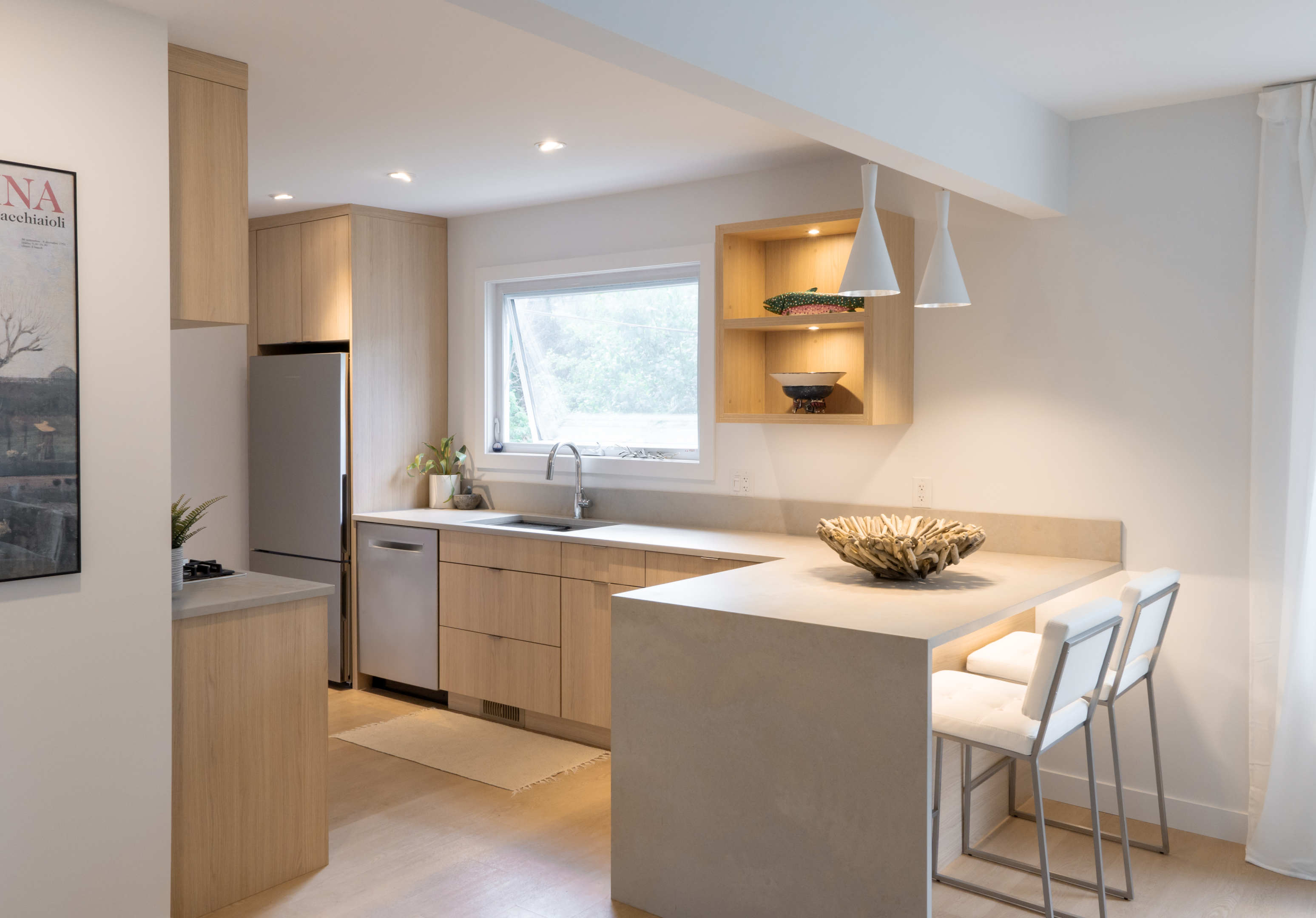 Soft neutral walls and natural stone surfaces create a calm, cohesive base for the design.
Credit: decorcabinets.com
Soft neutral walls and natural stone surfaces create a calm, cohesive base for the design.
Credit: decorcabinets.com
Planning a Functional, Uncluttered Layout
A beautiful organic minimalist kitchen fails if it is not functional for your daily cooking needs. Focus on clear workflow and smart storage to keep the space feeling open and easy to use.
Zone Planning for Efficiency
Divide your kitchen into four distinct zones to reduce movement while cooking:
- Cooking zone: Stove, cooktop, and nearby storage for pots, pans, and cooking utensils
- Prep zone: Clear counter space near the sink, with easy access to cutting boards and knives
- Cleaning zone: Sink, dishwasher, and drying rack storage
- Storage zone: Pantry, refrigerator, and storage for non-perishable goods Keep high-use items in the zone where they are used most: for example, store dish soap and sponges under the sink, and keep everyday dishes in cabinets near the dishwasher for easy unloading.
Smart Storage Solutions
Maximize hidden storage to keep countertops clear. Install pull-out shelves in lower cabinets for easy access to back items, use deep drawer dividers for streamlined pot and pan storage instead of open shelving for heavy cookware, and add vertical spice racks inside cabinet doors to free up counter space. For small gadgets like blenders or food processors, use an appliance garage or a dedicated lower cabinet with a pull-out shelf to keep them out of sight when not in use.
 Streamlined cabinetry and concealed storage keep countertops clear and the aesthetic uncluttered.
Credit: www.tallboxdesign.com
Streamlined cabinetry and concealed storage keep countertops clear and the aesthetic uncluttered.
Credit: www.tallboxdesign.com
Bringing Biophilic Elements Indoors Without Clutter
Biophilic design (the practice of connecting indoor spaces to nature) is a core tenet of organic minimalism, as it reduces stress, improves air quality, and adds subtle warmth to the space. The key is to add greenery intentionally, without overwhelming the minimalist aesthetic.
Low-Maintenance Air-Purifying Plants
Stick to 2-3 small, low-maintenance plants to avoid clutter. Snake plants (Sansevieria) release oxygen at night and require watering only once every 2-3 weeks, making them ideal for busy households. Pothos trails nicely from high shelves or the top of a cabinet, and naturally removes formaldehyde from the air. Small succulents or ZZ plants are also excellent picks, as they require almost no care and fit easily on windowsills.
Compact Kitchen Herb Gardens
Grow fresh cooking herbs in small windowsill planters or a vertical wall-mounted garden to add fragrance and functionality without taking up counter space. Basil, mint, cilantro, and rosemary are all low-maintenance options that thrive in kitchen windows with 4-6 hours of sunlight daily. Harvest herbs as needed for cooking, and use food-safe wooden prep surface care guidelines for your cutting boards to avoid cross-contamination between herbs and other ingredients.
Lighting Design That Balances Warmth and Function
Lighting is one of the most underrated elements of organic minimalist kitchen design, as it directly impacts the space’s mood and usability. Aim for a layered lighting approach to avoid harsh, sterile overhead light.
Maximizing Natural Light
Keep window treatments minimal to let as much natural light in as possible: use sheer linen curtains to diffuse harsh midday sun, and avoid heavy drapes or blinds that block light. Paint walls and ceilings in light, warm neutral tones to reflect natural light, and avoid hanging large decor or cabinets that block window exposure. If your kitchen has limited natural light, add a skylight or light tube to bring in additional daylight without compromising privacy.
Ambient and Task Lighting
Combine three types of artificial lighting for a balanced, inviting feel:
- Ambient lighting: Recessed ceiling lights or a simple central pendant to provide overall, even illumination
- Task lighting: Pendant lights over the island or sink, and under-cabinet LED strips to light countertop prep areas
- Accent lighting: Small LED lights inside glass-front cabinets to highlight dishware or glassware Choose fixtures with organic, simple shapes: woven rattan pendants, matte metal finishes, or ceramic shades complement the natural aesthetic. Opt for warm 2700K-3000K bulbs to create a cozy, inviting feel, and avoid cool white bulbs that feel sterile and harsh.
Sustainable, Low-Waste Kitchen Practices
An organic minimalist kitchen extends beyond aesthetics to include low-impact, sustainable habits that reduce your home’s environmental footprint and support a healthier lifestyle.
Energy-Efficient Appliance Choices
Prioritize Energy Star-rated appliances, which use 10-50% less energy than standard models, lowering your utility bills and carbon footprint. For small appliances like toasters, kettles, and blenders, consider domestically made, durable small appliances that reduce shipping emissions and often have longer lifespans than imported alternatives. Induction cooktops are another excellent pick: they are 90% energy efficient (vs. 40% for gas cooktops), heat food faster, and produce less ambient heat in the kitchen.
Waste Reduction Systems
Set up a simple waste reduction system to keep your kitchen low-waste:
- A small under-sink compost bin for food scraps (fruit peels, vegetable trimmings, coffee grounds) that can be emptied weekly into a backyard compost pile or municipal compost program
- Reusable glass and stainless steel storage containers for leftovers instead of single-use plastic wrap or bags
- A dedicated recycling station with labeled bins for cans, glass, plastic, and paper to make sorting easy For evidence-based waste reduction strategies, refer to EPA's sustainable kitchen best practices, which outlines low-impact disposal and composting guidelines for residential kitchens.
Long-Term Maintenance to Preserve Effortless Elegance
An organic minimalist kitchen stays serene and functional with consistent, low-effort maintenance. Avoid harsh chemical cleaners that can damage natural materials, and stick to a simple, regular routine to keep the space looking its best.
Caring for Natural Materials
- Seal stone countertops and backsplashes annually to prevent staining from spills
- Oil wooden cutting boards, butcher block, and wood cabinet hardware every 1-2 months with food-safe mineral oil to prevent drying and cracking
- Use pH-neutral, non-abrasive cleaners for all surfaces to avoid etching stone or damaging wood finishes
- For teak accents or outdoor kitchen elements, follow proper care for teak and wood surfaces to maintain their natural patina without harsh bleaching agents
Decluttering Cadences
A common mistake is letting clutter accumulate slowly over time. Stick to two simple routines to keep the space clear:
- A 10-minute nightly tidy after dinner to put away dishes, wipe countertops, and put stray items back in their dedicated homes
- A full cabinet and drawer declutter every 3 months to donate or recycle items you haven’t used in 6 months, and reassess storage needs as your habits change For small items like utensils, spice jars, and baking tools, install custom dividers or use custom drawer organization systems to keep everything sorted and out of sight.
Frequently Asked Questions
How do I design an organic minimalist kitchen on a budget?
Start by decluttering your existing space before buying new materials to avoid unnecessary purchases. Repurpose existing cabinets with a fresh coat of low-VOC paint instead of replacing them, and opt for affordable sustainable materials like bamboo or cork instead of expensive marble. Shop for reclaimed wood at local salvage yards for countertops or open shelves, and prioritize one high-impact upgrade (like new hardware or lighting) at a time instead of a full costly renovation.
What colors work best for an organic minimalist kitchen?
Stick to a base of warm whites, soft greys, and creamy beiges for walls and large surfaces to maximize light and create a calm backdrop. Add subtle earthy accents like sage green, terracotta, or warm taupe via a small backsplash, accent wall, or accessories like dish towels and potted plants to bring in organic warmth without cluttering the space. Avoid bright, saturated colors that feel chaotic and compete with natural materials.
What is the golden rule for kitchen layout design?
The core kitchen work triangle principle, developed by the National Kitchen and Bath Association, dictates that the sink, stove, and refrigerator should form a triangle with a total perimeter of 12 to 26 feet, with each individual leg measuring 4 to 9 feet. This layout minimizes unnecessary movement while cooking, and no major traffic paths or cabinetry should cross through the triangle to avoid obstructions.
Are there free tools to design my organic minimalist kitchen?
Yes, free tools like SketchUp Free, Roomstyler, and IKEA’s Home Planner let you input your kitchen’s dimensions and test material palettes, layout options, and furniture placements before purchasing. Many of these tools also have pre-made templates for minimalist kitchen designs to speed up the planning process.
Conclusion
An organic minimalist kitchen is more than a design trend: it is a long-term investment in a calmer, more functional, and more sustainable home. By prioritizing natural materials, intentional storage, and biophilic touches, you can create a space that feels both elegant and easy to live with, even on the busiest days. You do not need a full renovation to get started: small swaps like adding a potted snake plant, replacing plastic storage containers with glass jars, or decluttering one cabinet this week can bring you one step closer to your vision. Ready to build your serene, functional kitchen? Start with one small change today, and build from there to create a space that truly supports your daily life.

I’m Abby Lu, a passionate home cook who loves simplifying everyday meals. At PlugChef.com, I share product reviews and cooking guides to help you find the best tools for your kitchen.
Related posts:
 Eco-Friendly Kitchen Ideas to Reduce Waste and Save Energy
 Kamenstein 20 Jar Rotating Spice Rack: Organize Effortlessly
 Rubber Sink Mat With Holes: Essential Kitchen Upgrade
 Frozen Salmon How to Cook: Easy, Delicious & Quick Methods
 Roast Nuts in Air Fryer: Quick, Crispy, and Delicious Snacks
 Ground Sausage And Potato Recipes: Quick, Tasty Comfort Meals

