
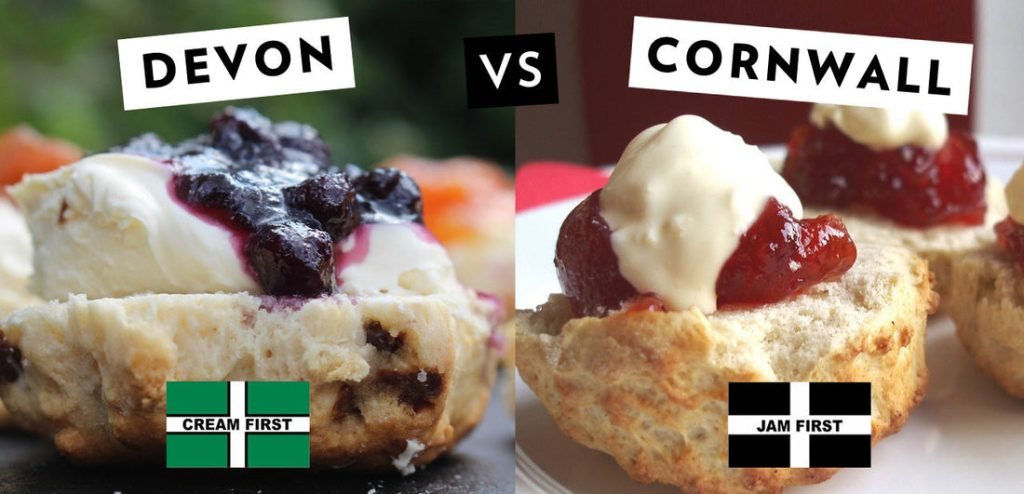
Are you confused about the difference between Devonshire cream and clotted cream? You’re not alone.
Both are rich, creamy toppings often enjoyed with scones, but they aren’t exactly the same. Knowing which one to choose can make a big difference in your tea time or dessert experience. You’ll discover what sets these two creams apart and how to pick the perfect one for your taste.
Keep reading to uncover the creamy secrets that will take your treats to the next level.

Credit: www.coombecastle.com
Origins Of Devonshire Cream
Understanding the origins of Devonshire cream helps you appreciate its unique place in British culinary tradition. This rich, creamy delight carries a history that is deeply tied to the region of Devon in England. Knowing where it comes from can change the way you enjoy your afternoon tea or scones.
Historical Roots
Devonshire cream has been part of local life for centuries, cherished by families and farmers alike. It originated in the rural countryside of Devon, where dairy farming was a central part of the community’s livelihood. The cream was traditionally made from the milk of cows grazing on the lush pastures unique to this area, giving it a distinct flavor.
Have you ever wondered why this cream tastes different from others you’ve tried? The answer lies in its connection to the land and the old-fashioned ways that have been preserved over generations.
Traditional Production Methods
Making Devonshire cream involves simple yet precise steps that focus on quality over quantity. Cream is carefully skimmed off the top of fresh milk that has been left to stand, allowing the natural separation to occur. This method ensures the cream retains its thick, velvety texture without any additives.
The process is slow and hands-on, often done on small farms using time-honored techniques. This attention to detail is what sets Devonshire cream apart from mass-produced alternatives. If you’ve ever tasted it fresh from a local farm, you know it carries a richness and freshness that’s hard to replicate.

Credit: www.youtube.com
Clotted Cream Background
Clotted cream is a rich, thick cream famous in the UK. It has a creamy texture and a slightly sweet taste. This cream is often enjoyed with scones and jam. Its history dates back many centuries, making it a traditional favorite in British cuisine.
Where It Comes From
Clotted cream comes from the southwest of England. Counties like Devon and Cornwall are well known for making it. The cream is made from cow’s milk, specifically full-fat milk. The region’s climate and farming methods help produce its unique flavor. It is a local specialty cherished by many.
How It’s Made
Making clotted cream involves heating fresh milk slowly. The milk is left to cool in shallow pans for several hours. During this time, thick cream rises to the surface and forms clots. This cream is then skimmed off carefully. The process creates a smooth, rich product with a high fat content.
Texture And Appearance
Devonshire cream is smooth and light with a pale yellow color. Clotted cream feels thicker, richer, and has a creamy, golden appearance. Both offer unique textures that suit different tastes and dishes.
When it comes to distinguishing between Devonshire cream and clotted cream, texture and appearance play a crucial role. Both are indulgent treats, but they offer distinctly different experiences. Understanding these differences can elevate your afternoon tea experience or help you impress guests with your knowledge of British delicacies.Visual Differences
At first glance, both creams might appear similar, but look closer. Devonshire cream often boasts a lighter, more whipped appearance. It’s smooth and slightly glossy, with a texture reminiscent of thick whipped cream. In contrast, clotted cream tends to have a more rustic look. It is denser and features a pale golden crust on the top. This crust is a signature of the clotted cream, hinting at its rich, buttery essence.Mouthfeel Comparison
Have you ever wondered how each cream feels on your palate? Devonshire cream is light and airy, melting effortlessly in your mouth. Its consistency is reminiscent of a velvety mousse, offering a subtle richness without overwhelming your taste buds. Clotted cream, however, is a different story. Its thick, luxurious texture coats your mouth, delivering a rich and buttery experience. It offers a satisfying weight, perfect for those who crave a more indulgent treat. Which texture appeals more to you? The ethereal lightness of Devonshire cream or the sumptuous density of clotted cream? Your choice can transform a simple scone into an unforgettable treat.Flavor Profiles
Understanding the flavor profiles helps to appreciate the unique qualities of Devonshire cream and clotted cream. Both creams have rich, creamy textures but differ in taste and aroma. These differences influence how they complement various foods, especially traditional scones and desserts. Exploring their flavor notes reveals why each cream suits different palates and dishes.
Taste Notes Of Devonshire Cream
Devonshire cream is smooth and lightly sweet. It has a mild dairy flavor that feels fresh on the tongue. The cream is less dense, giving it a delicate mouthfeel. You may notice a subtle buttery taste that enhances desserts without overpowering them. Its gentle sweetness blends well with jam and fruits.
Flavor Characteristics Of Clotted Cream
Clotted cream boasts a deep, rich flavor with a hint of nuttiness. It carries a slightly caramelized taste due to slow heating during production. The texture is thick and velvety, making it feel indulgent. This cream has a more pronounced dairy richness, offering a bold taste experience. It pairs perfectly with scones, adding a luxurious finish.
Culinary Uses
Devonshire cream and clotted cream bring rich, creamy textures to many dishes. Each cream shines in different culinary roles. Their thick, smooth nature makes them perfect for enhancing simple treats. Understanding their uses helps highlight their unique qualities in the kitchen.
Pairing With Scones And Tea
Devonshire cream and clotted cream are classic companions for scones. Spread thickly on warm scones, they add indulgence and flavor. Their creamy richness balances the crumbly texture of the scone. Serve alongside a cup of tea for a traditional British experience.
Clotted cream has a slightly nutty taste that pairs well with sweet jams. Devonshire cream is lighter, making it ideal for those who prefer a less heavy topping. Both creams elevate afternoon tea with their smooth, luscious mouthfeel.
Other Recipes And Applications
Beyond scones, these creams work well in various recipes. They add luxury to desserts like fruit tarts and puddings. Stirring clotted cream into custards or ice cream adds depth and creaminess.
Devonshire cream blends smoothly into sauces, enriching flavor without overwhelming. Use either cream as a topping for pancakes or waffles for a decadent breakfast. Their thick texture makes them perfect for dolloping on fresh berries or baked goods.
Nutritional Aspects
Nutritional aspects of Devonshire cream and clotted cream show some differences. Both are rich dairy products enjoyed in many dishes. Understanding their calories, fats, and proteins helps make better choices.
Caloric Content
Devonshire cream has fewer calories than clotted cream. A typical serving of Devonshire cream contains about 100 calories per two tablespoons. Clotted cream is much richer, with around 200 calories for the same amount. The higher calories come from its thicker texture and fat content. Choosing between them depends on your calorie needs.
Fat And Protein Levels
Clotted cream has a higher fat level, usually around 55% fat. Devonshire cream contains about 40% fat, making it lighter. Both creams have similar protein content, about 2 grams per serving. Fat gives clotted cream its thick, smooth texture. Protein supports muscle and body functions. Consider these values when adding cream to your diet.
Availability And Cost
Understanding the availability and cost of Devonshire cream versus clotted cream can help you decide which one fits best into your kitchen and budget. Both creams have unique qualities, but where you can find them and their price points vary significantly. Knowing these differences can save you time and money while enhancing your culinary experience.
Where To Find Each Cream
Devonshire cream is commonly found in supermarkets across the UK, especially in the South West regions like Devon and Cornwall. You might spot it in the dairy aisle alongside butter and other creams.
Clotted cream, on the other hand, is more specialized. It’s often available at farmers’ markets, gourmet food shops, and online retailers specializing in British products. In some countries, clotted cream might be harder to find, so you may need to check specialty stores or order it online.
Have you tried checking local farmers’ markets? They sometimes offer fresh clotted cream that beats anything from a supermarket shelf.
Price Comparison
| Cream Type | Average Price (per 200g) | Price Range |
|---|---|---|
| Devonshire Cream | £3 – £5 | Low to Mid |
| Clotted Cream | £5 – £8 | Mid to High |
Devonshire cream tends to be more budget-friendly. It offers a creamy texture without the premium price tag. Clotted cream’s rich, thick quality comes at a higher cost due to its traditional production process.
Are you willing to spend more for authentic clotted cream, or does Devonshire cream’s affordability suit your needs better? Your choice might depend on how often you use it and the flavor you prefer.

Credit: www.amazon.com
Consumer Preferences
Consumer preferences play a big role in the Devonshire cream vs clotted cream debate. Both creams have loyal fans who enjoy their unique qualities. People choose based on taste, texture, and how they use the cream. Understanding these preferences helps explain why both creams remain popular.
Taste Test Results
Many taste tests show distinct differences between the two creams. Devonshire cream is lighter and has a fresh, mild flavor. Clotted cream tastes richer and more buttery. Some testers prefer the smoothness of Devonshire cream. Others enjoy the thick, creamy texture of clotted cream.
Here is a simple comparison table based on common taste test feedback:
| Cream Type | Flavor | Texture |
|---|---|---|
| Devonshire Cream | Light, fresh | Soft, smooth |
| Clotted Cream | Rich, buttery | Thick, dense |
Popular Opinions
Public opinion varies depending on region and tradition. In Devon and Cornwall, clotted cream is often the first choice. Many appreciate its deep flavor and thick texture on scones. Elsewhere, people like Devonshire cream for its lighter feel and ease of spreading.
Some consumers find clotted cream too heavy for daily use. Others say Devonshire cream lacks the classic taste they expect. Both creams appear regularly at tea parties and special occasions. This shows strong, ongoing demand for both types.
Frequently Asked Questions
What Is The Main Difference Between Devonshire And Clotted Cream?
Devonshire cream is smooth and slightly thinner, while clotted cream is thick and grainy. Both are rich but differ in texture and production methods.
Can I Substitute Devonshire Cream For Clotted Cream?
Yes, Devonshire cream can substitute clotted cream in recipes. However, the texture and taste will be less rich and slightly different.
Where Is Clotted Cream Traditionally Made?
Clotted cream is traditionally made in Cornwall and Devon, England. It is a protected product with strict production methods in these regions.
Which Cream Is Better For Scones, Devonshire Or Clotted?
Clotted cream is preferred for scones due to its thick, rich texture. Devonshire cream is smoother but less traditional for scones.
Conclusion
Devonshire cream and clotted cream both add rich flavor to treats. Each has a unique texture and taste to enjoy. Devonshire cream is smooth and light, while clotted cream is thick and creamy. Choose based on your recipe or personal preference.
Both bring a touch of English tradition to your table. Try them both to see which you like best. Simple pleasures make food special. Enjoy your cream with scones or desserts anytime.

Hi, I’m Daniel Brooks—a food lover and kitchen gear enthusiast. I enjoy testing cookware, utensils, and gadgets to see what really works in everyday cooking. At PlugChef.com, I share honest reviews, comparisons, and simple guides to help you choose the best tools for a safer, smarter, and more enjoyable kitchen.
Related posts:
 What Type of Cooking Utensils are Safe: Expert Picks
 What Innovations Could Blenders Make: Unleashing Future Tech
 Smart Strategies to Organize a Small Kitchen: Maximize Space
 How to Organize a Kitchen Cabinet: Expert Tips & Tricks
 How to Organize Kitchen Drawers: Expert Tips and Tricks
 How to Organize a Corner Kitchen Cupboard: Expert Tips

