
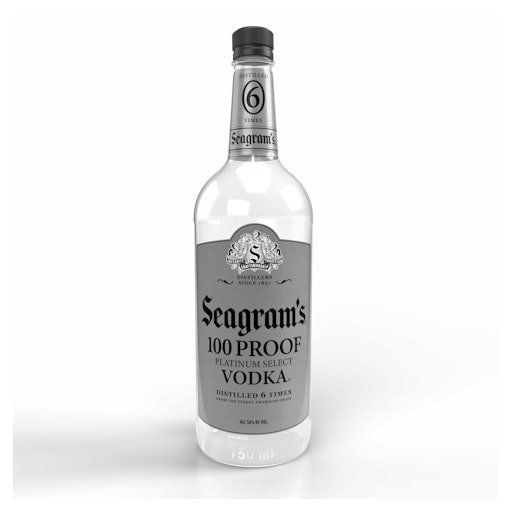
Looking to make your limoncello stand out with a bold, smooth kick? Choosing the right vodka can make all the difference, and 100 proof vodka might just be the secret ingredient you need.
It packs the perfect punch to bring out the bright, zesty flavors of your lemons while giving your homemade liqueur a richer, more balanced taste. If you want your limoncello to impress every time, keep reading to discover why 100 proof vodka could be your best choice and how it transforms your drink into something truly unforgettable.

Credit: abeautifulmess.com
Choosing 100 Proof Vodka
Choosing the right 100 proof vodka is key to making great limoncello. Vodka at 100 proof means it has 50% alcohol by volume. This strength helps extract flavors from lemon peels effectively. It also balances the sweetness and tartness in limoncello. Picking the right brand and quality ensures a smooth, flavorful finish.
Why 100 Proof Matters
100 proof vodka has the perfect strength for limoncello. The higher alcohol content extracts more oils from lemon zest. This gives limoncello a bright, fresh taste. Lower proof vodka might not capture all flavors well. Too strong vodka can overpower the delicate lemon notes. 100 proof strikes a good balance for flavor and aroma.
Popular Brands To Consider
- Smirnoff Red Label – reliable and affordable
- Absolut 100 – smooth with rich character
- Tito’s Handmade Vodka – clean taste, good for infusions
- Burnett’s 100 – budget-friendly and widely available
These brands offer consistent quality at 100 proof. They provide a solid base for homemade limoncello recipes.
Balancing Strength And Smoothness
Strong vodka extracts flavor but can taste harsh. Smoothness helps limoncello feel pleasant on the palate. Choose vodka with mild flavor and clean finish. Check if the vodka is distilled multiple times. This improves smoothness without losing strength. A well-balanced vodka makes limoncello enjoyable and easy to sip.

Credit: abeautifulmess.com
Crafting Limoncello With Bold Flavors
Crafting limoncello with bold flavors requires more than just mixing lemon zest with 100 proof vodka. It’s about choosing the right ingredients and applying techniques that bring out the lemon’s natural oils and aromas. Each step, from selecting lemons to infusing the vodka, shapes the final taste and aroma you’ll enjoy.
Selecting The Best Lemons
Choose lemons that are fresh, firm, and heavy for their size. These lemons hold more juice and essential oils, which means richer flavor. Organic lemons are best to avoid any wax or chemicals that can interfere with the infusion.
Think about where your lemons come from. Meyer lemons offer a sweeter, more floral note, while traditional Eureka or Lisbon lemons provide a sharper, classic tang. What flavor profile do you want your limoncello to have?
Peeling Techniques For Intense Aroma
Use a vegetable peeler or a sharp paring knife to remove only the yellow zest, avoiding the bitter white pith underneath. The zest contains the essential oils that give limoncello its bright aroma and flavor.
Try peeling in long, thin strips to maximize surface area. This helps release more oils during infusion. Have you noticed how just a few drops of lemon oil can transform a recipe? That’s the power of careful peeling.
Infusion Time And Tips
Pour your 100 proof vodka over the lemon zest in a clean, airtight jar. Store it in a cool, dark place to keep the flavors pure. Let it infuse for at least 7 to 10 days, shaking the jar gently every day to mix the oils evenly.
Taste the infusion regularly. Once the vodka has a strong lemon aroma and flavor, it’s ready for the next step. Patience here rewards you with a limoncello that’s bold, fresh, and perfectly balanced.
Enhancing Taste Profiles
Choosing 100 proof vodka for limoncello brings a stronger, cleaner flavor. It helps highlight the bright lemon zest, making each sip crisp and refreshing. This vodka’s higher alcohol content balances sweetness and sharpness perfectly.
When crafting a perfect Limoncello with 100 proof vodka, enhancing its taste profile is essential to creating a beverage that’s both refreshing and memorable. This involves striking the right balance between sweetness, aromatic complexity, and alcohol strength. By doing so, you can elevate your homemade Limoncello from ordinary to extraordinary.Adding Sweetness And Syrups
Sweetness is crucial in Limoncello, as it offsets the sharpness of the lemon and the intensity of the vodka. You might wonder how to achieve this delicate balance without overwhelming the palate. Try using simple syrup; it dissolves effortlessly and blends well with the other ingredients. Consider experimenting with different types of sugar. Cane sugar adds a deeper sweetness, while honey can infuse a subtle floral note. Remember, the key is to sweeten to taste, allowing you to control the final flavor profile.Incorporating Herbs And Spices
Herbs and spices can introduce a surprising twist to your Limoncello. Ever thought about adding basil or mint? These herbs can bring a fresh, aromatic dimension to your drink. Spices like cardamom or ginger can add warmth and complexity, creating an unexpected but delightful contrast to the citrus notes. Be adventurous, but start small. You can always add more, but it’s tricky to take it out once infused.Adjusting Alcohol Content
The beauty of using 100 proof vodka is the flexibility it offers in adjusting the alcohol content. While the higher proof provides a robust base, you might want to dilute it slightly for a smoother finish. Adding water or more syrup can help mellow the strength without sacrificing flavor. Think about who will be enjoying your Limoncello. Do they prefer a stronger kick or a smoother sip? Adjust accordingly to suit your audience.Storage And Serving
Storing and serving 100 proof vodka for limoncello involves more than just keeping the bottle upright. Proper storage maintains the vodka’s quality and ensures your limoncello tastes fresh every time. Serving it right enhances the overall experience, letting you enjoy the full burst of flavor.
Ideal Bottles And Containers
Choose glass bottles with airtight seals to store your vodka-based limoncello. Glass preserves the flavor without adding unwanted tastes, unlike some plastics. Dark or amber-colored bottles are best because they protect the liquid from light, which can degrade its quality.
Make sure the container is clean and dry before pouring your limoncello. I once stored my batch in a plastic jug, and the taste absorbed a strange aftertaste—definitely something to avoid. Do you have a special bottle that makes your limoncello feel more festive? That’s exactly the kind of container you want to use.
Chilling And Presentation
Keep your 100 proof limoncello chilled for the best flavor. Refrigeration or a quick stint in the freezer before serving makes it smooth and refreshing. Avoid ice, as it can dilute the strong, vibrant taste you worked hard to create.
Serving limoncello in small, frosted glasses enhances its crispness. I recommend glasses with a narrow opening to concentrate the aroma. Have you noticed how presentation changes your enjoyment? Small touches like this make a big difference.
Pairing With Foods And Cocktails
Limoncello pairs wonderfully with light desserts such as lemon tart or almond biscotti. The sweetness and citrus notes complement these treats without overpowering them. It can also cut through rich cheeses, making your cheese board more exciting.
Try mixing your limoncello with sparkling water or tonic for a simple, refreshing cocktail. A splash of fresh mint or basil adds a surprising twist. What’s your favorite food or drink to enjoy with limoncello? Experimenting here can lead to delicious discoveries.
Troubleshooting Common Issues
Making limoncello with 100 proof vodka can sometimes lead to issues like harsh flavors, cloudiness, or a short shelf life. These problems affect taste and appearance. Fixing them helps enjoy a smooth, clear, and long-lasting limoncello.
Fixing Harsh Flavors
Harsh flavors come from using strong vodka or over-extracting lemon peels. Reduce bitterness by:
- Using fewer lemon peels during infusion.
- Letting the mixture rest longer to mellow harshness.
- Adding simple syrup slowly to balance strong alcohol taste.
- Chilling the limoncello before serving to soften flavors.
Preventing Cloudiness
Cloudiness occurs when oils and water mix improperly. Keep limoncello clear by:
- Peeling lemons carefully to avoid white pith, which causes cloudiness.
- Filtering the liquid through a fine mesh or coffee filter.
- Using cold vodka and chilling limoncello before bottling.
- Avoiding exposure to heat and sunlight during storage.
Extending Shelf Life
Proper storage extends limoncello’s freshness and flavor. Try these tips:
- Store in airtight glass bottles to avoid oxidation.
- Keep limoncello in the freezer or fridge after bottling.
- Avoid frequent opening to reduce exposure to air.
- Use clean utensils when pouring to prevent contamination.
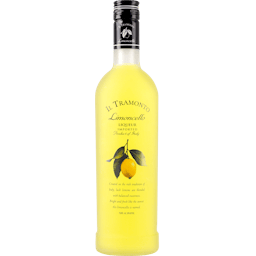
Credit: www.gianteagle.com
Frequently Asked Questions
What Is 100 Proof Vodka In Limoncello Making?
100 proof vodka contains 50% alcohol by volume. It provides a strong base for limoncello. This higher alcohol content extracts more lemon oils and flavors, enhancing the drink’s aroma and taste.
Why Use 100 Proof Vodka For Limoncello?
Using 100 proof vodka intensifies the lemon flavor. It results in a richer, more vibrant limoncello. The higher proof also improves preservation, keeping your limoncello fresh longer.
Can I Substitute 100 Proof Vodka With Lower Proof Vodka?
Lower proof vodka can be used but may weaken flavor extraction. The limoncello might taste less intense and less aromatic. For best results, 100 proof vodka is recommended.
How Does 100 Proof Vodka Affect Limoncello’s Texture?
100 proof vodka creates a smoother, more balanced texture. The alcohol blends well with lemon oils and sugar. This yields a silky and refreshing limoncello experience.
Conclusion
Choosing 100 proof vodka gives your limoncello a strong, clean taste. It blends well with lemon zest and sugar. This vodka helps balance sweetness and brightness perfectly. Making limoncello at home becomes simple and fun. You control the flavors and strength easily.
Enjoy a fresh, zesty drink made your way. A good vodka base makes all the difference. Try it and taste the difference yourself.

Hi, I’m Daniel Brooks—a food lover and kitchen gear enthusiast. I enjoy testing cookware, utensils, and gadgets to see what really works in everyday cooking. At PlugChef.com, I share honest reviews, comparisons, and simple guides to help you choose the best tools for a safer, smarter, and more enjoyable kitchen.
Related posts:
 What Type of Cooking Utensils are Safe: Expert Picks
 What Innovations Could Blenders Make: Unleashing Future Tech
 Smart Strategies to Organize a Small Kitchen: Maximize Space
 How to Organize a Kitchen Cabinet: Expert Tips & Tricks
 How to Organize Kitchen Drawers: Expert Tips and Tricks
 How to Organize a Corner Kitchen Cupboard: Expert Tips

