
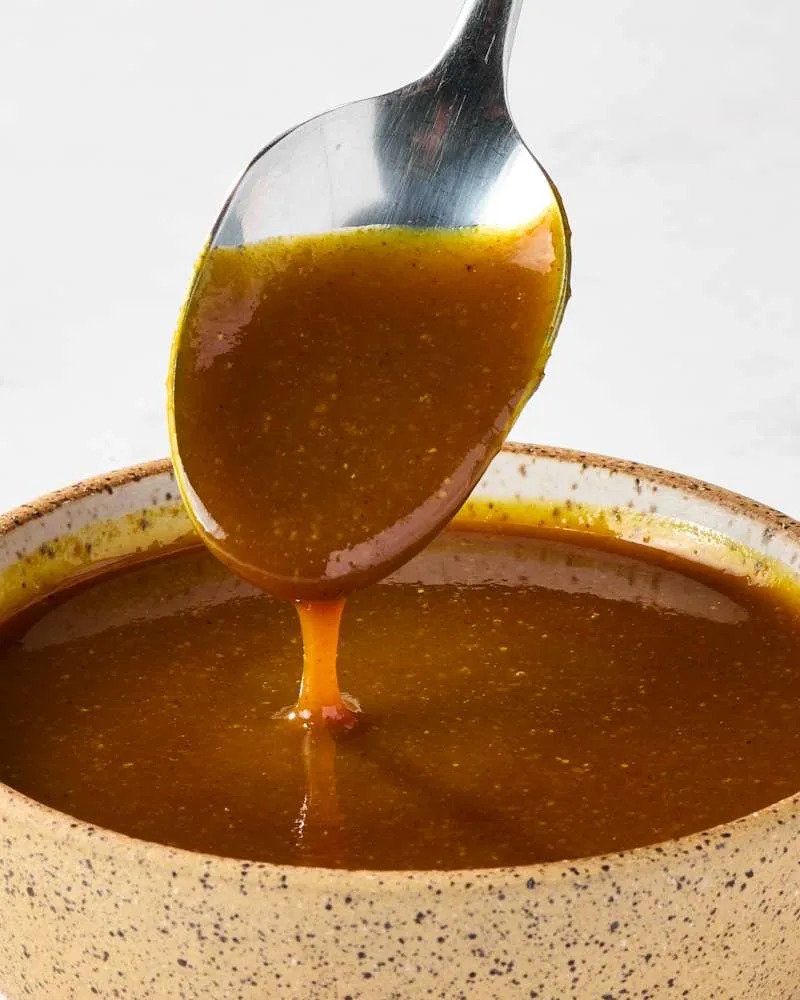
Honey gold sauce is the versatile condiment that has earned a permanent spot in home kitchens and fast-casual restaurant menus alike, and for good reason: its perfectly balanced sweet, tangy, and subtly savory profile works with everything from chicken nuggets to grilled salmon. Unlike one-note honey mustard or overly spicy honey BBQ sauce, honey gold sauce has a signature warm golden hue and a smooth, clingy texture that makes it ideal for dipping, glazing, and drizzling. If you’ve ever wondered what sets it apart, how to make it at home, and the best ways to use it, this guide covers every detail you need to master this crowd-pleasing staple.
What Exactly Is Honey Gold Sauce?
Honey gold sauce is a sweet and savory condiment defined by its balanced flavor, smooth texture, and rich amber hue. Its name comes from the golden color that comes from a combination of caramelized honey, browned butter, or warm spices like paprika and turmeric in many commercial versions. While honey-based sweet and savory sauces date back to ancient Roman oxygarum (a blend of honey, vinegar, and fish sauce used as a universal seasoning), the modern honey gold sauce popularized in the U.S. in the late 1990s, when fast-casual chains sought a crowd-pleasing condiment that appealed to both kids and adults. Unlike its historical predecessors, modern honey gold sauce is formulated to have a non-gritty texture and a balanced flavor that doesn’t overpower delicate proteins or vegetables.
How It Differs From Similar Condiments
Many home cooks confuse honey gold sauce with other honey-based condiments, but its unique balance sets it apart:
| Condiment | Key Flavor Difference | Best Use Case |
|---|---|---|
| Honey mustard | Sharper, more mustard-forward, often grainy | Sandwiches, pretzel dips |
| Honey garlic sauce | More garlicky, thinner consistency | Stir-fries, Asian-inspired dishes |
| Honey BBQ sauce | Smoky, spicier, thicker | Ribs, pulled pork |
| Honey gold sauce | Balanced sweet-tangy, smooth, versatile | Chicken, veggies, fries, desserts |
Signature Flavor Profile & The Science Behind Its Balance
The universal appeal of honey gold sauce comes from its perfectly calibrated four-part flavor structure:
- Bright, floral sweetness: From high-quality honey (clover or wildflower works best) that adds warmth without being cloying.
- Tangy acidity: From apple cider vinegar, lemon juice, or mustard that cuts through sweetness to create a lingering, refreshing aftertaste.
- Subtle savory depth: From umami-rich ingredients like soy sauce, Worcestershire sauce, or garlic powder that add complexity and prevent the sauce from tasting like plain sweetened honey.
- Warmth (optional): A hint of heat from paprika, ginger, or a dash of hot sauce that adds depth without overpowering the other notes. A common mistake when making homemade sauce is overdoing the vinegar or hot sauce, which throws off the balance. In practice, the best versions have a sweetness level that’s just high enough to make you want another bite, with a tang that lingers lightly on the palate.
Core Ingredients & Common Variations
The magic of honey gold sauce lies in its simple, flexible ingredient list. A standard batch uses:
- ½ cup pure honey (clover or wildflower for mild floral notes)
- 2 tablespoons unsalted butter (or vegan butter for dairy-free)
- 1 tablespoon apple cider vinegar (or white wine vinegar for a sharper tang)
- 1 teaspoon Dijon mustard (or yellow mustard for a milder flavor)
- 1 teaspoon low-sodium soy sauce or Worcestershire sauce (adds umami depth, a key ingredient many basic recipes leave out)
- ½ teaspoon garlic powder
- Pinch of paprika or cayenne (optional, for subtle warmth) Popular variations include spicy honey gold (add 1-2 teaspoons of sriracha or hot sauce), smoky honey gold (add ½ teaspoon smoked paprika or a dash of liquid smoke), and vegan honey gold (swap honey for maple syrup and butter for coconut oil).
2026 Tested Homemade Honey Gold Sauce Recipe
Making honey gold sauce at home takes less than 15 minutes, and you can tweak the flavor to match your preferences perfectly. This tested recipe yields 1 cup of sauce, enough for 2-3 weeks of use for a small household.
Ingredients
All ingredients are shelf-stable except for butter, so you can keep a batch on hand for quick meals.
Step-by-Step Instructions
- Melt the butter in a small saucepan over medium-low heat. Avoid high heat, as burnt butter will make the sauce bitter. A common mistake is turning the heat too high, which causes the honey to caramelize too quickly and develop a burnt aftertaste.
- Add the honey, vinegar, mustard, soy sauce, garlic powder, and paprika (if using). Whisk continuously to combine, making sure no honey settles at the bottom of the pan.
- Bring the mixture to a gentle simmer, then reduce heat to low and cook for 4-5 minutes, stirring occasionally, until the sauce thickens slightly and coats the back of a spoon. Do not boil, as this can cause the sauce to separate.
- Taste and adjust seasoning: add a pinch of salt if needed, a splash more vinegar for tang, or a teaspoon of honey if you prefer it sweeter.
- Remove from heat and let cool completely before transferring to an airtight container.
Pro Tips for Perfect Consistency
- If the sauce is too thick after cooling, whisk in a teaspoon of warm water at a time until you reach your desired consistency.
- For a no-cook version, melt the butter in a microwave-safe bowl, add all other ingredients, and whisk until fully combined, microwaving in 10-second intervals if needed to melt the honey.
- To avoid a grainy texture, use raw, unfiltered honey only if you plan to warm it slightly first; processed honey blends more smoothly at room temperature.
 Creamy, golden honey gold sauce ready for dipping or glazing
Top Culinary Uses (Beyond Chicken Wings)
Honey gold sauce’s balanced flavor makes it far more versatile than its reputation as a chicken wing dip suggests. Here are the most popular, chef-tested ways to use it:
| Use Case | Ideal Pairings | Pro Tip |
|---|---|---|
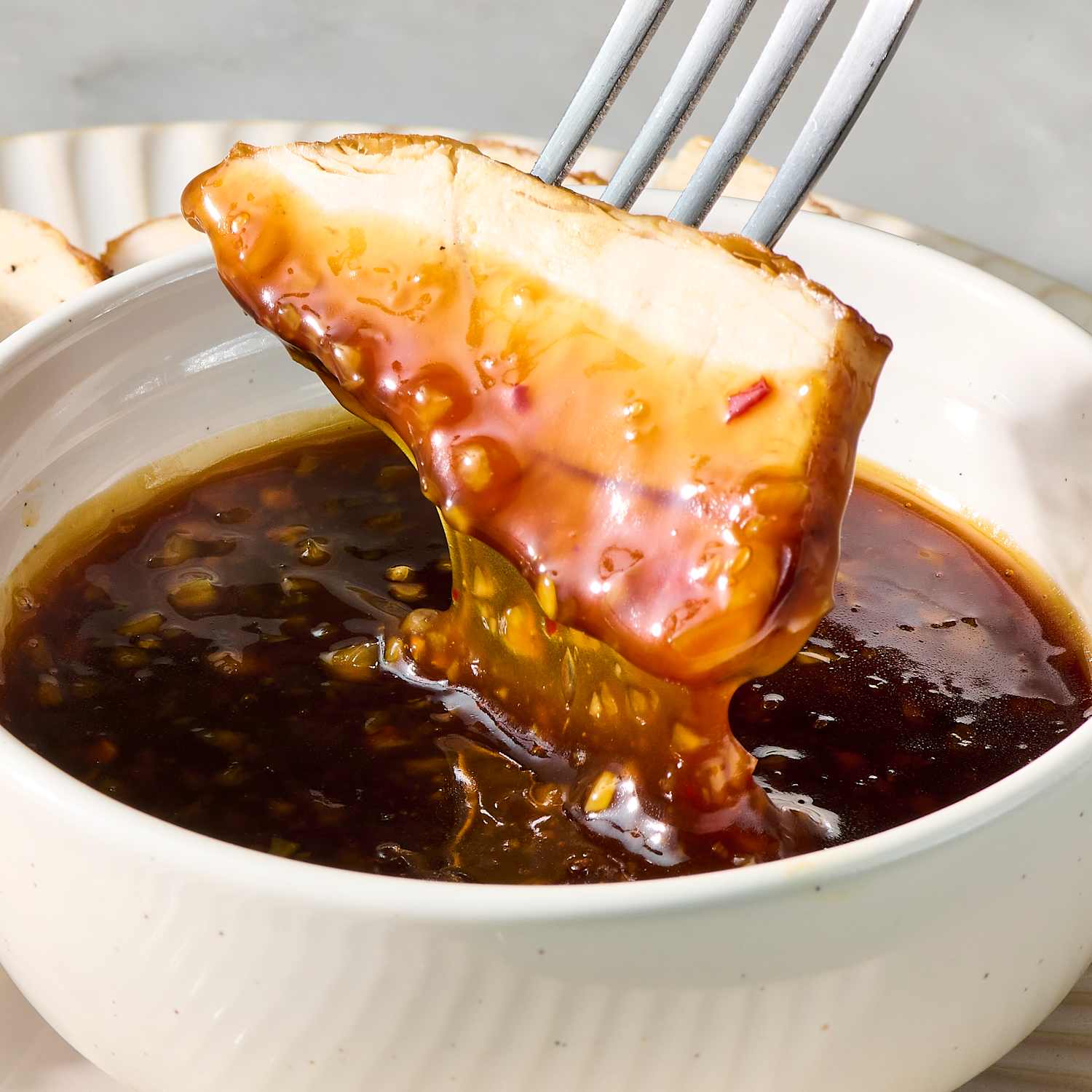
| Protein glaze | Grilled chicken, salmon, pork tenderloin, duck breast | Brush on during the last 5 minutes of cooking to avoid charring from the honey’s natural sugars |
| Dipping sauce | Chicken nuggets, sweet potato fries, veggie sticks, pretzel bites | Thin with a splash of warm water for a looser, restaurant-style dip consistency |
| Salad dressing | Kale, spinach, grain bowls, roasted vegetable salads | Whisk in a teaspoon of Dijon mustard to help emulsify the sauce so it doesn’t separate on greens |
| Dessert drizzle | Vanilla ice cream, cheesecake, pound cake, grilled peaches | Warm slightly in the microwave for 10 seconds before drizzling for a smooth, silky flow |
| A common mistake is using honey gold sauce as a marinade for raw meat for more than 2 hours, as the acidity from the vinegar can break down the protein and make it mushy. For best results, use it as a finishing glaze or a short 30-minute marinade for milder cuts like chicken breast. | ||
| Serve honey gold sauce alongside a charcuterie spread on a custom carved board for a standout party appetizer, or pair it with neatly sliced cheese and fresh fruit for a balanced, no-cook snack. |
Storage & Shelf Life Guidelines
Proper storage keeps honey gold sauce fresh and safe to eat, with timelines varying slightly between homemade and store-bought versions:
- Unopened store-bought: Store in a cool, dark pantry away from direct sunlight. Most unopened bottles stay fresh for 6-12 months, per USDA food storage guidelines, as long as the seal is intact and the best-by date has not passed.
- Opened store-bought: Seal tightly and store in the refrigerator. Most opened bottles last 3-6 months; always check for mold, off smells, or separation that won’t recombine with stirring before use.
- Homemade: Store in an airtight container in the refrigerator for 10 to 14 days. The lack of commercial preservatives means it will spoil faster than store-bought versions.
- Frozen: Portion homemade sauce into ice cube trays and freeze for up to 3 months. Thaw individual portions in the refrigerator before use. A common food safety mistake is leaving honey gold sauce out at room temperature for more than 2 hours at gatherings; per FDA food safety recommendations, perishable condiments with dairy or natural sugars should be discarded after this time to avoid bacterial growth.
Where to Buy Honey Gold Sauce
Honey gold sauce is widely available both in-store and online. Popular commercial brands include Heinz Honey Gold, Chick-fil-A’s proprietary version (sold in select grocery retailers), and regional specialty brands. You can find it in the condiment aisle of most major grocery chains, including Walmart, Target, and Kroger, or order it directly from Amazon or gourmet food websites for delivery. After making your sauce, clean the saucepan easily with a top-rated scrub brush to avoid stuck-on sugar residue. Wipe down countertops after prepping ingredients with a soap-dispensing scrub brush for quick, mess-free cleanup. Store opened sauce on an upper shelf behind child-safe cabinet locks to keep it out of reach of young children, especially if your version includes spicy add-ins.
 Store-bought honey gold sauce is widely available in most grocery condiment aisles
Frequently Asked Questions
Is honey gold sauce gluten-free?
Base ingredients like honey, vinegar, and spices are naturally gluten-free, but many commercial versions include soy sauce or Worcestershire sauce that contains wheat. Always check the label for gluten-free certification if you have a sensitivity, and opt for tamari instead of soy sauce when making homemade sauce.
Can I make vegan honey gold sauce?
Yes: swap butter for vegan butter or melted coconut oil, and replace honey with maple syrup for a 1:1, plant-based version that has the same sweet-savory balance.
Is honey gold sauce healthy?
Honey gold sauce made with pure honey contains small amounts of antioxidants and antibacterial properties, but it is still high in natural sugars, so it should be consumed in moderation as part of a balanced diet. Homemade versions let you control added sugar and sodium levels for a healthier option than most commercial brands, which often include high-fructose corn syrup and preservatives.
How do I fix sauce that’s too sweet or too tangy?
For overly sweet sauce, add 1 teaspoon of apple cider vinegar or lemon juice at a time, stirring well, until the sweetness is balanced. For overly tangy sauce, add 1 teaspoon of honey or brown sugar at a time until the acidity mellows.
Can I use honey gold sauce as a marinade?
Yes, but only for short 30-minute marinades for mild proteins like chicken or pork. The acidity in the sauce can break down muscle fibers if left on for longer, leading to a mushy texture.
Where can I buy honey gold sauce?
It is widely available in the condiment aisle of most major grocery stores, including Walmart, Target, and Kroger. Popular commercial brands include Heinz Honey Gold, Chick-fil-A’s proprietary sauce (sold in select grocery retailers), and local specialty food brands. It is also available for purchase online through Amazon and gourmet food retailers.
Final Tips for Mastering Honey Gold Sauce
- Use high-quality, unfiltered honey for the deepest, most complex sweetness.
- Always use medium-low heat when cooking the sauce to avoid burning the honey, which creates a bitter aftertaste.
- Label homemade sauce with the date you made it to avoid forgetting its shelf life.
- For a smoother glaze for proteins, strain the sauce through a fine-mesh sieve after cooking to remove any clumps of spices or garlic.
Honey gold sauce is the ultimate versatile condiment for anyone who loves the perfect balance of sweet and savory. Whether you buy it store-bought for quick weeknight meals or whip up a batch at home to customize the flavor to your taste, it works for everything from dipping crispy fries to glazing holiday ham. Its universal appeal comes from its ability to complement both savory proteins and sweet treats, making it a staple worth keeping in your fridge. For more easy, tested kitchen recipes and cooking tips to upgrade your meals, browse our kitchen inspiration hub for new ideas every week.

I’m Abby Lu, a passionate home cook who loves simplifying everyday meals. At PlugChef.com, I share product reviews and cooking guides to help you find the best tools for your kitchen.
Related posts:
 How to Make a Fruit Basket for a Gift: Easy DIY Guide
 Mesh Desk Organizer With Sliding Drawer: Maximize Efficiency
 Decorative Woven Baskets for Wall: Transform Your Space
 Rubbermaid Large Dish Drying Rack: Ultimate Kitchen Solution
 Gray Kitchen With Stainless Steel Appliances: Modern Elegance
 Appliance Play Food Kitchen Toys: Ignite Imaginative Play

