
Glass cookware is a kitchen staple for even heat distribution, visible cooking progress, and easy serving straight from oven to table. But between burnt-on dinner residue, hard water cloudiness, and the constant fear of scratching that clear surface, keeping it sparkling can feel like a hassle. Many people reach for harsh abrasive cleaners or steel wool that end up dulling the glass instead of cleaning it, or skip regular maintenance until stains are impossible to remove. The good news? You don’t need expensive specialty products or hours of scrubbing to make your glass pots, pans, bakeware, and stovetops look brand new. In this 2026-updated guide, we’ll cover type-specific cleaning methods, common mistakes to avoid, and step-by-step tips for everything from daily wipe-downs to restoring decades-old cloudy glass, all with safe, non-damaging ingredients you likely already have at home.
First: Know Your Glass Cookware Type
Not all glass cookware is created equal, and using the wrong cleaning method for your specific type can cause permanent damage. Most household glass cookware falls into one of three categories:
- Soda-lime glass: The most common, affordable option for bakeware (like standard Pyrex) and budget glass pots. It’s durable for oven use but more prone to thermal shock cracks than premium glass.
- Borosilicate glass: Higher-end bakeware and stovetop-safe glass cookware, designed to withstand extreme temperature changes without cracking.
- Tempered glass cooktops: The smooth glass surface on electric and induction stoves, which is extra prone to scratches and etching from abrasive cleaners. Identifying your cookware type first will help you pick the safest cleaning methods and avoid accidental damage.
What to Avoid When Cleaning Glass Cookware
Even well-meaning cleaning habits can ruin glass cookware over time. Skip these common mistakes to keep your pieces clear and scratch-free:
- Ammonia-based cleaners (including many window sprays) and bleach: These can etch the glass surface over time, leaving permanent cloudy streaks.
- Steel wool, harsh scouring pads, and metal scrapers: Even small amounts of pressure will leave micro-scratches that trap grime and make future cleaning harder.
- Thermal shock: Never pour cold water on hot glass, or place hot glass directly on a cold, wet surface—this is the top cause of cracks and chips in both bakeware and stovetops.
- Abrasive homemade mixes (like coarse salt and lemon): While popular hacks, coarse salt acts as a harsh abrasive that will scratch soft glass surfaces over time.
Choosing the Right Cleaner for Your Cookware
You don’t need a cabinet full of specialty products to keep glass clean. The best cleaner depends on the type of grime you’re tackling, but most messes can be handled with gentle, glass-safe ingredients.
Commercial Cleaners vs. DIY Solutions
Commercial glass cleaners offer convenience for quick daily wipe-downs, but many contain ammonia or harsh fragrances that can damage glass over time. If you opt for a store-bought formula, look for products labeled “ammonia-free” and “safe for glass cookware” or certified under the EPA Safer Choice program to avoid harmful ingredients. DIY cleaning solutions are just as effective for most messes, cost pennies per use, and are free of harsh chemicals. For everyday cleaning, a drop of mild dish soap mixed with warm water is all you need. For tougher stains, baking soda, white vinegar, and lemon juice are safe, proven options that won’t scratch or etch glass.
Safe, Glass-Friendly Ingredients
Keep these staples on hand for every glass cleaning need:
- Baking soda: A mild, non-scratch abrasive that lifts stuck-on food and stains without damaging the surface.
- White vinegar: Cuts through grease and dissolves hard water mineral deposits that cause cloudiness.
- Lemon juice: Natural citric acid breaks down tough stains and deodorizes glass without harsh fumes.
- Mild dish soap or castile soap: Gentle enough for daily use, powerful enough to cut through cooking grease. For daily cleaning, you don’t need anything more than warm water and a drop of dish soap—reserve stronger ingredients for set-in stains to avoid unnecessary wear on your cookware.
Daily Cleaning Routine to Prevent Buildup
Consistent, gentle daily cleaning is the single best way to avoid stubborn stains and burnt residue down the line. Follow this 2-minute routine after every use:
Rinse Immediately After Use
As soon as your glass cookware cools to room temperature (never clean piping hot glass, as sudden temperature changes can cause cracks), rinse it under warm running water to remove loose food particles. Letting food dry on glass makes residue significantly harder to remove later, per University of Minnesota Extension food safety guidelines, so rinsing right after cooking cuts down on scrubbing time significantly.
Gentle Scrubbing for Light Messes
Use a soft sponge or soft-bristled cleaning scrub brush to scrub away remaining residue with a drop of dish soap. Avoid pressing hard—light circular motions are enough to lift messes without scratching. For extra stuck-on bits, soak the cookware in warm soapy water for 5-10 minutes before scrubbing to soften residue.
How to Remove Tough Stains and Discoloration
Even with regular cleaning, glass cookware can develop stubborn stains from tomato sauce, grease, or hard water. These step-by-step methods will lift even set-in grime without damaging the surface.
Baking Soda and Vinegar Paste for Stuck-On Stains
This classic DIY combo works for almost every type of glass stain:
- Sprinkle a thin layer of baking soda over the stained area.
- Spray or pour white vinegar over the baking soda to create a gentle fizzing reaction.
- Let the mixture sit for 15 minutes to break down the stain.
- Scrub gently with a soft sponge or non-abrasive scrubber, then rinse thoroughly with warm water. Repeat the process for extremely stubborn stains, but avoid letting the mixture sit for more than 30 minutes to prevent any risk of surface wear.
Lemon for Mineral Deposits and Grease
Citric acid is especially effective for hard water cloudiness and greasy buildup:
- Cut a fresh lemon in half, and rub the cut side directly over the stained or cloudy area.
- Let the lemon juice sit for 10 minutes to break down mineral deposits.
- Scrub gently with a soft cloth, then rinse with warm water. For large areas, you can also soak a paper towel in lemon juice, lay it over the stained surface, and let it sit for 20 minutes before scrubbing.
Restoring Dull, Cloudy Glass
If your glass cookware has a persistent cloudy film that regular cleaning won’t fix, it’s likely caused by one of two issues: hard water mineral buildup, or etching from harsh cleaners or dishwasher detergent. For mineral buildup: Soak the cookware in a 1:1 mix of white vinegar and warm water for 1 hour, then scrub with baking soda paste and rinse. For etched glass, unfortunately the damage is permanent, so switching to gentle, non-abrasive cleaners is the only way to prevent further cloudiness.
How to Remove Burnt-On Residue
Burnt food left on glass cookware can feel impossible to remove, but the right soaking and scraping technique will lift even the blackest, most stubborn residue without scratches.
Soaking Techniques for Heavy Buildup
First, let the cookware cool completely to avoid thermal shock. Fill it with hot (not boiling) soapy water and 2 tablespoons of baking soda, and let it soak for at least 30 minutes. For extremely heavy burnt residue, let it soak overnight—most stuck-on bits will loosen on their own with no scrubbing needed. If you’re dealing with stovetop glass, avoid boiling the soaking solution directly on the cooktop, as this can damage the heating elements underneath.
Safe Scraping Methods
After soaking, use a plastic scraper or nylon scrubber to lift loosened residue. Hold the scraper at a 45-degree angle to the glass, and use light, even pressure to avoid scratching. If residue still sticks, re-soak for another 30 minutes before scraping again. A soap-dispensing scrub brush makes it easy to apply dish soap directly to stuck-on bits while you work, cutting down on scrubbing time.
Drying and Polishing for Streak-Free Shine
Water spots from mineral deposits are the #1 reason glass cookware looks dull right after cleaning. Proper drying and polishing will eliminate spots and leave your glass sparkling.
Preventing Water Spots
Water spots form when minerals in tap water dry on the glass surface. To avoid them:
- Dry your glass cookware immediately after washing with a lint-free microfiber cloth, never air dry.
- If you have hard water, use a 1:1 mix of white vinegar and water as a final rinse before drying to dissolve mineral deposits.
- For stovetop glass, wipe away spills as soon as the surface is cool to prevent sticky, hard-to-remove buildup.
Polishing for Extra Sparkle
For an extra streak-free shine, polish dried glass cookware with a clean, dry microfiber cloth using circular motions. For baked-on cookware, you can also buff the surface with a tiny amount of olive oil on a cloth to restore shine and create a natural non-stick barrier for future use.
Long-Term Maintenance to Keep Cookware Looking New
Small, consistent habits will extend the life of your glass cookware by years and keep it looking clear and new for the long term.
Avoiding Abrasive Tools and Harsh Cleaners
Stick to soft sponges, microfiber cloths, and non-abrasive cleaning brushes for cookware for all cleaning. Never use steel wool, harsh scouring pads, or cleaners with ammonia or bleach, as these will etch the glass surface over time and cause permanent cloudiness. If you use a dishwasher to clean glass cookware, always place it on the top rack, away from heating elements, and use a mild, non-abrasive detergent to avoid etching.
Safe Storage Practices
Glass cookware is prone to chipping and cracking if stored improperly. Place paper towels or felt pads between stacked pieces to prevent direct contact, and avoid overcrowding cabinets where heavy items can bump against glass. If you have young children, store glass cookware in a locked cabinet using child-proof cabinet locks to prevent accidental breakage and injury.
For more daily kitchen upkeep hacks, check out our full kitchen maintenance guide to keep every part of your kitchen running smoothly.
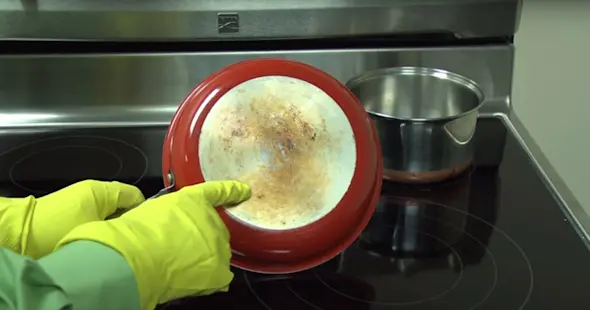 Soft, non-abrasive sponges are the safest choice for daily glass cookware cleaning
Credit: www.searspartsdirect.com
Soft, non-abrasive sponges are the safest choice for daily glass cookware cleaning
Credit: www.searspartsdirect.com
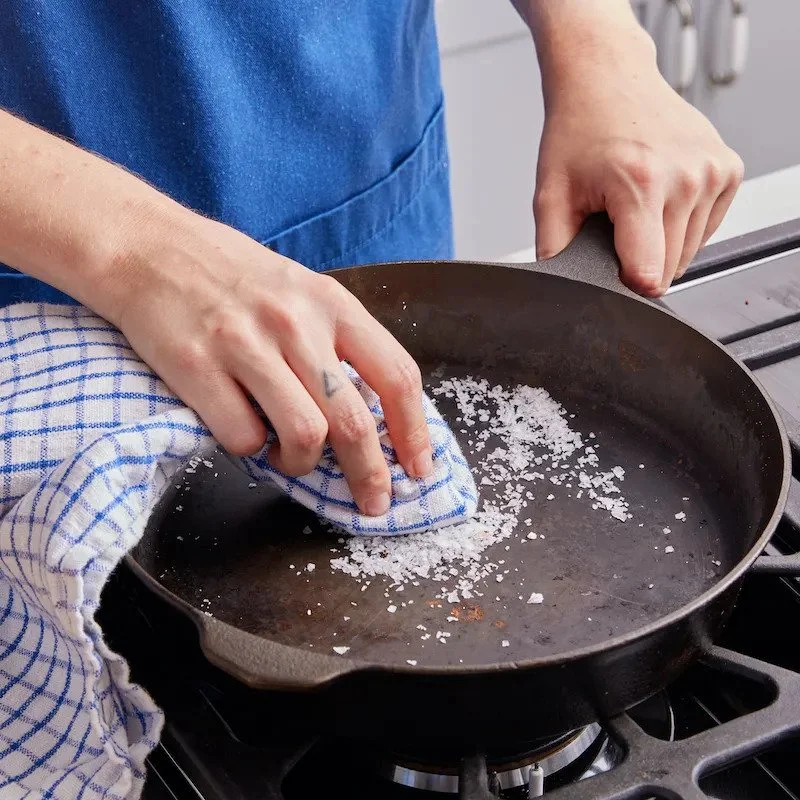 Baking soda and white vinegar are safe, effective DIY cleaners for glass cookware stains
Credit: blog.blueapron.com
Baking soda and white vinegar are safe, effective DIY cleaners for glass cookware stains
Credit: blog.blueapron.com
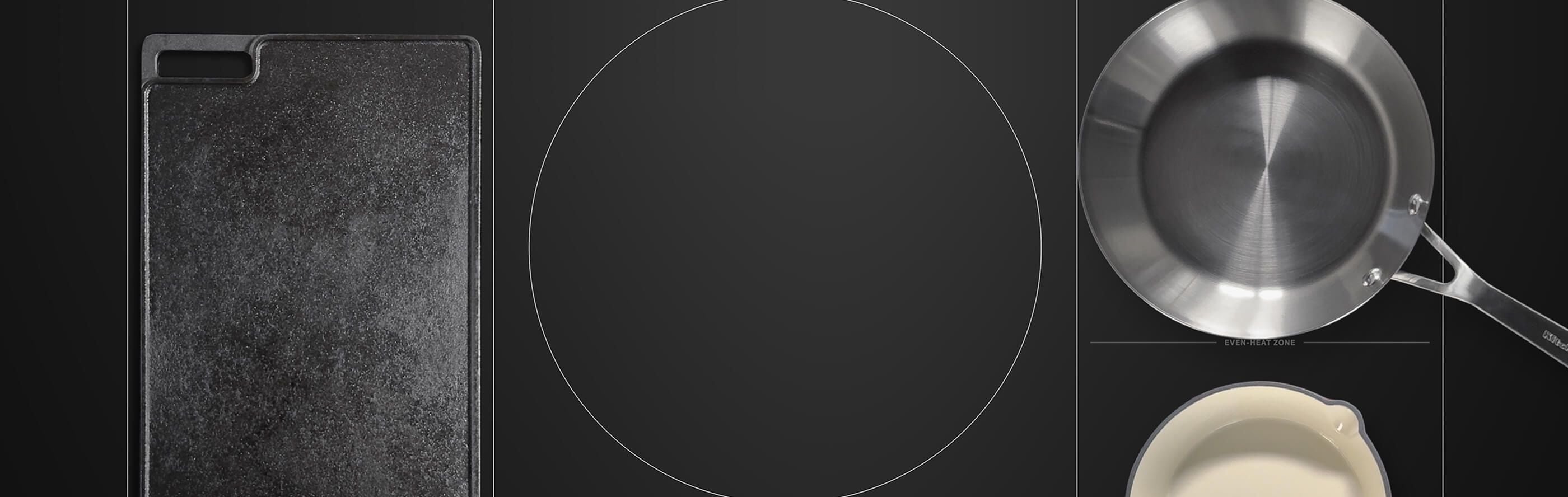 Proper drying and polishing leave glass cookware and stovetops streak-free and shiny
Credit: www.kitchenaid.com
Proper drying and polishing leave glass cookware and stovetops streak-free and shiny
Credit: www.kitchenaid.com
Frequently Asked Questions
How do I remove stains from glass cookware?
For most stains, make a paste of baking soda and water, apply it to the stained area, let sit for 15 minutes, then scrub gently with a soft sponge and rinse. For tougher grease or mineral stains, use a 1:1 mix of white vinegar and water as a pre-treatment before scrubbing.
Can I use vinegar to clean glass cookware?
Yes, white vinegar is completely safe for all types of glass cookware when diluted with water. It cuts through grease and dissolves hard water mineral deposits that cause cloudiness. For best results, use a 1:1 vinegar-to-water mix, and rinse thoroughly after cleaning to avoid any lingering vinegar smell.
What is the best way to clean burnt glass cookware?
Let the cookware cool completely, then fill it with hot soapy water and 2 tablespoons of baking soda. Let it soak for at least 30 minutes (overnight for extremely heavy buildup), then scrape loosened residue with a plastic scraper and rinse. Avoid metal scrapers, which will scratch the glass.
Is it safe to use abrasive cleaners on glass cookware?
No. Abrasive cleaners, steel wool, and harsh scouring pads will leave micro-scratches on the glass surface that trap grime and cause permanent cloudiness over time. Stick to mild dish soap, baking soda, and non-abrasive scrubbing tools for all glass cleaning.
Can I put glass cookware in the dishwasher?
Most standard soda-lime glass bakeware is top-rack dishwasher safe, but frequent dishwasher use can cause cloudiness over time from harsh detergents and high heat. For premium borosilicate glass and stovetop glass, hand washing is always recommended to avoid damage and extend lifespan.
Why is my glass cookware turning cloudy?
Cloudiness is usually caused by one of two issues: hard water mineral deposits, or etching from harsh cleaners, bleach, or dishwasher detergent. For mineral buildup, soak the cookware in a vinegar and water solution to dissolve the deposits. If the cloudiness is from etching, the damage is permanent, so switching to gentle, non-abrasic cleaners will prevent further wear.
Conclusion
Cleaning glass cookware doesn’t have to be a chore, and you don’t need harsh chemicals or hours of scrubbing to get sparkling results. The key is consistent, gentle maintenance: rinse messes right after cooking, avoid abrasive tools and harsh cleaners, and use simple DIY ingredients like baking soda and vinegar for tougher stains. For old, cloudy cookware, a deep soak in vinegar can often restore its original clarity, and proper storage will prevent chips and cracks for years of use. Ready to tackle that stubborn burnt residue or cloudy film on your glass cookware? Pick one of these tips today to see immediate results. For more kitchen cleaning, safety, and cooking hacks, browse our full kitchen resource library to make every part of your kitchen easier to maintain.

I’m Abby Lu, a passionate home cook who loves simplifying everyday meals. At PlugChef.com, I share product reviews and cooking guides to help you find the best tools for your kitchen.
Related posts:
 How to Make a Fruit Basket for a Gift: Easy DIY Guide
 Mesh Desk Organizer With Sliding Drawer: Maximize Efficiency
 Decorative Woven Baskets for Wall: Transform Your Space
 Rubbermaid Large Dish Drying Rack: Ultimate Kitchen Solution
 Gray Kitchen With Stainless Steel Appliances: Modern Elegance
 Appliance Play Food Kitchen Toys: Ignite Imaginative Play

