
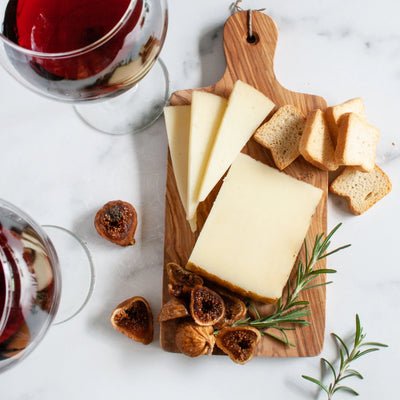
Cheese and crackers are a timeless, versatile snack that works for everything from casual weeknight bites to elegant charcuterie boards for gatherings. The right pairing doesn’t just complement the cheese’s flavor — it amplifies it, balancing richness, saltiness, and texture to create a bite that feels intentional and delicious. Whether you’re building a full cheese board or grabbing a quick snack, understanding how different cheese types interact with cracker varieties will help you avoid mismatched flavors and disappointing textures. This guide breaks down the best types of cheese for crackers, with specific pairing recommendations, common pitfalls to avoid, and pro tips for serving.
Why Cheese and Cracker Pairings Work
Crackers act as a neutral or complementary base for cheese, cutting through rich, creamy textures and adding a crisp, salty contrast to soft or mild varieties. They also provide a sturdy vehicle for toppings like jams, nuts, and cured meats, turning a simple two-component snack into a complex, satisfying bite. The best pairings balance intensity: a sharp, aged cheddar needs a neutral cracker to shine, while a mild brie can stand up to a flavored, seeded cracker without being overwhelmed. For more on this, see our guide on how to cut round cheese for charcuterie board.
Key Factors to Consider Before Pairing
Before selecting your cheese and cracker combination, keep these four core factors in mind to avoid mismatched flavors and textures:
- Flavor intensity: Scale cheeses from mild (fresh mozzarella) to extra sharp (aged pecorino). Pair mild cheeses with flavored or herbed crackers, and strong cheeses with neutral varieties to avoid overpowering the cheese.
- Texture: Soft, spreadable cheeses need sturdy crackers to hold up to spreading without tearing; hard, crumbly cheeses pair well with thin, crisp crackers that don’t compete for textural focus.
- Moisture content: High-moisture fresh cheeses can make thin crackers soggy quickly. Pair them with thicker, sturdier crackers, and serve them just before eating to avoid sogginess.
- Serving temperature: Cheese served at room temperature (60–70°F / 15–21°C) has far more pronounced flavor than cold cheese. Pull cheese out of the fridge 30–60 minutes before serving for the best taste. Per FDA food safety guidance for perishable foods, perishable cheese should not sit at room temperature for more than 2 hours to avoid bacterial growth, so plan your serving window accordingly.
Best Soft Cheeses for Crackers
Soft cheeses have a high moisture content, creamy texture, and mild to medium flavor, making them some of the most versatile options for cracker pairings. They spread easily, pair well with both sweet and savory toppings, and work for everything from quick snacks to elegant appetizers.
Brie and Camembert
These classic French soft-ripened cheeses have a velvety, buttery interior and a white, edible mold rind that adds a subtle earthy note. Brie is typically milder and creamier, with a hint of mushroom flavor from its rind, while Camembert has a firmer texture and more pronounced, nutty earthiness. Both spread effortlessly on sturdy water crackers or thin baguette slices, and pair beautifully with sweet toppings like fig jam or honey, as well as savory elements like prosciutto. A common mistake is serving brie and camembert cold: the cheese will be firm and flavorless, and the rind will taste chalky. Let it come to room temperature before serving for a creamy, balanced bite. For more on this, see our guide on how to cut brie cheese for charcuterie board.
Fresh Goat Cheese (Chèvre)
Tangy, bright, and slightly crumbly, fresh goat cheese has a signature tang that cuts through rich, buttery crackers. It comes in many forms: plain logs rolled in herbs or black pepper, crumbled rounds, or spreadable whipped varieties. It pairs exceptionally well with cracked pepper crackers, whole-grain crispbreads, and sweet elements like honey or roasted beets. For a more adventurous pairing, try it with spicy harissa crackers for a sweet-heat contrast.
Cream Cheese and Whipped Varieties
Smooth, mild, and ultra-creamy, cream cheese is a versatile cracker topping that works for both savory and sweet applications. Plain cream cheese is a blank canvas for toppings like smoked salmon, capers, or fresh dill, while flavored varieties (chive, garlic, strawberry) add a burst of flavor to plain water crackers. Whipped cream cheese has a lighter, fluffier texture that spreads easily even on thin, delicate crackers without tearing them. For a quick appetizer, top a graham cracker with whipped cream cheese and a dollop of pepper jelly for a sweet-savory bite. For more on this, see our guide on how to cut goat cheese for charcuterie board.
 A well-arranged soft cheese platter with accompanying crackers and fruit for pairing
Credit: domestikatedlife.com
A well-arranged soft cheese platter with accompanying crackers and fruit for pairing
Credit: domestikatedlife.com
Semi-Soft Cheeses for Balanced Pairings
Semi-soft cheeses have a pliable, sliceable texture and mild to medium flavor intensity, making them some of the most versatile options for cracker pairings. They hold up well to spreading, slicing, and topping, and won’t overwhelm milder cracker varieties.
Havarti and Mild Munster
Havarti, a Danish cheese, has a buttery, slightly nutty flavor and a smooth, springy texture that melts slightly when served at room temperature. It pairs perfectly with seeded whole-grain crackers, as the nutty cracker notes complement its mild richness. Mild Munster (not to be confused with the stronger German Münster cheese) has a creamy, mild flavor and a pale orange rind, and works well with herb-infused crackers for a savory, crowd-pleasing bite. For more on this, see our guide on best cheese cutting tools.
Fontina and Young Gouda
Fontina, an Italian alpine cheese, has a nutty, slightly sweet flavor with subtle earthy notes from its aging process. It melts beautifully, making it a great option for warm cracker bites, and pairs well with rosemary or olive oil crackers. Young Gouda (aged 1–3 months) has a smooth, caramel-like sweetness and a firm but yielding texture, and works with both plain and lightly flavored crackers, as well as fruit toppings like apple slices.
Monterey Jack and Pepper Jack
Mild, buttery Monterey Jack is a semi-soft American cheese that melts easily and has a subtle, creamy flavor that pairs well with jalapeño or chili-flavored crackers for a mild kick. Pepper Jack, a variation infused with spicy peppers, adds a bold, warm heat that balances well with cool, creamy crackers or sweet honey crackers to cut through the spice. For more on this, see our guide on mac and cheese dinner sides.
Hard and Aged Cheeses for Bold Pairings
Hard, aged cheeses have a low moisture content, firm texture, and intense, complex flavors that develop over months or years of aging. Their bold profiles stand up well to sturdy, crunchy crackers, and they pair beautifully with bold toppings like cured meats, mustard, and pickles.
Aged Cheddar
Cheddar aged 6+ months has a sharp, tangy flavor and a crumbly, firm texture that pairs perfectly with thick, crunchy whole-grain crackers or crisp oat crackers. Extra-aged cheddar (12+ months) has a crystalline, crumbly texture and a nutty, almost savory depth that works well with neutral water crackers to let its complex flavor shine. A common mistake is pairing extra-aged cheddar with strongly flavored crackers (like garlic or herb) — the cracker will overpower the cheese’s nuanced notes.
Parmesan and Parmigiano-Reggiano
Hard, granular Italian Parmigiano-Reggiano (made exclusively in the Parma region of Italy under strict DOP regulations) has a nutty, savory, slightly salty flavor with a firm, crumbly texture. It’s best grated or shaved over plain crackers, or paired with olive oil crackers and a drizzle of balsamic glaze for a simple, elegant appetizer. Its intense flavor means a little goes a long way, so opt for thin slices or small gratings to avoid overwhelming the palate. Generic “Parmesan” style cheeses have a milder, less complex flavor and work well for casual snacking on plain crackers.
Pecorino Romano and Sheep’s Milk Hard Cheeses
Made from sheep’s milk, Pecorino Romano has a sharp, salty, piquant flavor that’s more intense than cow’s milk Parmesan. It pairs well with hearty, seeded crackers or rye crackers, and works beautifully with sweet toppings like fig jam to balance its saltiness. Other sheep’s milk hard cheeses, like Manchego (from Spain), have a nutty, buttery flavor that pairs well with olive crackers or plain crispbreads.
Aged Gouda and Gruyère
Aged Gouda (aged 1+ years) has a caramel-like, butterscotch sweetness and a firm, crystalline texture that pairs perfectly with sweet crackers or fruit-topped crackers. Gruyère, a Swiss alpine cheese, has a nutty, slightly sweet flavor with subtle earthy notes, and melts well for warm cracker bites. It pairs excellently with whole-grain mustard and rye crackers for a savory, satisfying snack.
Blue and Pungent Cheeses for Adventurous Pairings
Blue cheeses are inoculated with edible mold cultures that create signature blue veins and a bold, tangy, often salty flavor profile. They range from creamy and mild to crumbly and intensely pungent, and pair best with neutral or lightly flavored crackers to avoid competing with their strong taste.
Gorgonzola (Dolce vs. Piccante)
Italian Gorgonzola comes in two main varieties: Dolce, aged 2–3 months, is creamy, mild, and slightly sweet with soft blue veins, making it perfect for spreading on plain water crackers or pairing with honey and walnut toppings. Piccante, aged 6+ months, is firmer, sharper, and more pungent, and pairs well with sturdy whole-grain crackers or rye crackers to stand up to its intense flavor.
Roquefort
A French blue cheese made from sheep’s milk, Roquefort has a crumbly texture and a bold, tangy, salty flavor with hints of sweetness. It’s one of the strongest blue cheeses, so it pairs best with thick, buttery crackers or neutral crispbreads to balance its intensity. A classic pairing is Roquefort with honey and a sprinkle of black pepper on a plain cracker.
Stilton and British Blue Cheeses
Stilton, the iconic English blue cheese, has a crumbly yet creamy texture and a rich, complex flavor with notes of spice, nuttiness, and earthiness. It’s less sharp than Roquefort and pairs beautifully with oat crackers, dried fruit, and port wine for a traditional English snack. Other British blue cheeses, like Shropshire Blue, have a similar texture and a slightly milder, sweeter flavor that works well with sweet crackers.
Cambozola
For anyone new to blue cheese, Cambozola is a hybrid of Camembert and Gorgonzola, with a creamy, mild flavor and soft blue veins. It’s far less pungent than other blue cheeses, and pairs well with plain crackers, apple slices, and a drizzle of honey for a gentle introduction to blue cheese pairings.
Fresh and Brined Cheeses for Bright, Light Pairings
Fresh cheeses have a high moisture content, mild flavor, and soft, creamy texture, making them a great option for light, refreshing cracker pairings. They work well with both sweet and savory toppings, and pair best with sturdy crackers that can hold up to their moisture without getting soggy.
Mozzarella and Burrata
Fresh mozzarella, made from cow’s or buffalo milk, has a soft, milky, slightly sweet flavor and a stretchy, moist texture. It pairs perfectly with tomato and basil toppings on plain crackers for a Caprese-style bite, or with olive oil and balsamic glaze for a savory appetizer. Burrata, a richer variation with a creamy stracciatella center inside a mozzarella shell, has a luscious, buttery texture that pairs well with plain water crackers or crispbreads, and is best served immediately after opening to avoid sogginess.
Ricotta and Mascarpone
Ricotta is a light, fluffy, slightly sweet fresh cheese made from whey, with a delicate flavor that pairs well with honey, jam, or fresh berries on plain or sweet crackers. Mascarpone, a rich, buttery Italian cream cheese, has a thick, velvety texture and a mild, slightly sweet flavor that works beautifully with chocolate or fruit toppings on graham crackers for a dessert-style snack, or with prosciutto and melon for a savory bite.
Feta and Brined Cheeses
Feta, a brined sheep’s or goat’s milk cheese, has a crumbly texture and a tangy, salty flavor that pairs well with Mediterranean-inspired toppings like olives, roasted red peppers, and cucumber on whole-grain or olive crackers. Other brined cheeses, like halloumi (which can be grilled for a crispy, savory topping), pair well with herb crackers for a savory, satisfying bite.
Flavored and Specialty Cheeses for Unique Pairings
Flavored and specialty cheeses add an extra layer of complexity to your cracker pairings, with infused flavors and unique preparation methods that create one-of-a-kind taste experiences.
Smoked Cheeses
Smoked cheeses are exposed to wood smoke during production, giving them a deep, savory, woody flavor that pairs perfectly with hearty, crunchy crackers. Popular options include smoked cheddar, smoked Gouda, and smoked scamorza (a smoked mozzarella). They pair well with mustard, cured meats, and pickled toppings, and work especially well with rye or whole-grain crackers that can stand up to their bold flavor.
Herbed and Spiced Cheeses
Infused with fresh herbs, spices, or peppers, these cheeses add a burst of flavor to plain crackers. Common varieties include garlic and chive cream cheese, pepper jack, rosemary cheddar, and truffle brie. They pair well with neutral crackers to let their infused flavors shine, or with complementary flavored crackers (like herb crackers with garlic cheese) for a double hit of savory flavor.
Fruit-Infused and Honeyed Cheeses
These cheeses are infused with real fruit pieces, fruit preserves, or honey during production, creating a sweet and savory contrast that pairs well with both plain and sweet crackers. Popular varieties include cranberry cheddar, apricot Gouda, and honeyed goat cheese. They work beautifully with plain water crackers for a balanced bite, or with cinnamon or honey crackers for an extra sweet treat. A pro tip: pair fruit-infused cheeses with a sprinkle of flaky sea salt to cut through the sweetness and amplify the cheese’s flavor.
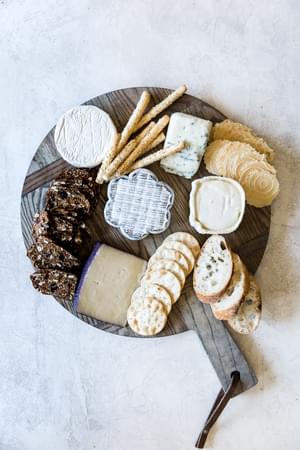 A balanced cheese board pairing a variety of cheese types with complementary crackers and toppings
Credit: themodernproper.com
A balanced cheese board pairing a variety of cheese types with complementary crackers and toppings
Credit: themodernproper.com
 Marinated cheese varieties make a flavorful, unique pairing for neutral crackers
Credit: www.tasteofhome.com
Marinated cheese varieties make a flavorful, unique pairing for neutral crackers
Credit: www.tasteofhome.com
Matching Crackers to Your Cheese Selection
The right cracker acts as a supporting player for your cheese, enhancing its flavor without overpowering it, and providing a sturdy base for toppings. When selecting crackers, match their flavor intensity, texture, and sturdiness to the cheese you’re serving.
Neutral and Plain Crackers
Plain water crackers, rice crackers, and plain crispbreads have a mild, slightly salty flavor and a crisp, light texture that won’t compete with delicate or bold cheeses. They’re the best choice for strong blue cheeses, aged cheddar, and brie, as they let the cheese’s flavor take center stage. They also work well for cheese tastings, where you want to sample multiple cheese varieties without flavor carryover from the cracker.
Whole-Grain and Seeded Crackers
Whole-grain, seeded, and rye crackers have a nutty, earthy flavor and a hearty, crunchy texture that pairs well with semi-soft and hard cheeses. The seeds and grains add extra crunch and a subtle flavor boost that complements nutty, aged cheeses like Gruyère, aged Gouda, and Pecorino Romano. They also work well with smoked cheeses, as their earthy notes balance the smoky, woody flavor.
Sweet and Flavored Crackers
Crackers infused with honey, cinnamon, rosemary, or black pepper add an extra layer of flavor that pairs well with mild, creamy cheeses. Honey crackers pair beautifully with ricotta, mascarpone, or goat cheese for a sweet-savory bite, while black pepper crackers complement creamy brie or camembert for a savory, spicy contrast. A common mistake is pairing strongly flavored crackers (like garlic or intensely spicy) with delicate fresh cheeses — the cracker will overpower the cheese’s subtle flavor.
Gluten-Free Cracker Options
For gluten-free guests, opt for sturdy rice crackers, nut-based crackers (made from almonds or cashews), or gluten-free crispbreads. These pair just as well with all cheese types as traditional wheat crackers, and many have a nutty, rich flavor that complements aged cheeses especially well. A pro tip: avoid thin, crumbly gluten-free crackers for soft or spreadable cheeses, as they will tear easily when spreading.
Common Cheese and Cracker Pairing Mistakes to Avoid
Even experienced snack hosts make these common errors that ruin an otherwise great pairing:
- Serving cheese cold: Cold cheese has muted flavors and a firm, unappealing texture. Always pull cheese out of the fridge 30–60 minutes before serving, per FDA food safety guidance, to avoid bacterial growth while it sits out.
- Overpowering mild cheese with flavored crackers: A delicate fresh mozzarella or goat cheese will be lost alongside a garlic or heavily spiced cracker. Pair mild cheeses with neutral or lightly flavored crackers to let their subtle notes shine.
- Using thin, fragile crackers for soft, spreadable cheese: Thin water crackers will break when spreading soft brie or cream cheese. Opt for sturdy, thick crackers or crispbreads for spreadable cheeses to avoid messy, broken bites.
- Ignoring texture balance: Pairing a soft, creamy cheese with a soft, chewy cracker creates a monotonous, unappealing texture. Always mix textures: pair soft cheeses with crunchy crackers, and hard, crumbly cheeses with thin, crisp crackers for a more satisfying bite.
- Skipping the rind: Many soft-ripened cheeses like brie and camembert have edible, flavorful rinds that add earthy, complex notes. Don’t cut the rind off before serving — the whole cheese, rind and all, is meant to be eaten.
Serving and Storage Tips for Perfect Pairings
Proper serving and storage will keep your cheese fresh and flavorful for longer:
- Serving temperature: Keep cheese at 60–70°F (15–21°C) for optimal flavor. Avoid serving cheese directly from the fridge, as cold temperatures mute its flavor and make hard cheeses difficult to slice.
- Portion sizes: Plan for 1–2 ounces of cheese per person for a snack, and 3–5 ounces per person for a full cheese board. Cut hard cheeses into thin slices or wedges, and leave soft cheeses in their rinds for easy serving. For uniform, easy-to-serve cheese portions, follow our guide to prepping uniform cheese portions.
- Storage: Store leftover cheese tightly wrapped in wax paper or plastic wrap in the fridge for up to 2 weeks. Avoid wrapping cheese tightly in plastic alone, as it can trap moisture and cause mold growth. For longer storage, hard cheeses can be frozen for up to 6 months, though their texture may become slightly crumbly when thawed. For more guidance on storing dairy products safely, refer to USDA dairy storage recommendations.
- Cleanup: After serving, you can easily wipe down your cheese board and serving tools with a durable kitchen cleaning brush to remove any sticky cheese residue. For prepping fresh garnishes like apple slices or grapes, a reliable kitchen cleaning brush set makes quick work of washing produce before arranging it on your board. Clean serving utensils after use with a dish washing brush with handle to avoid cross-contamination with other foods, and use a professional-grade kitchen cleaning brush for scrubbing wooden boards without damaging the surface.
Frequently Asked Questions
What types of cheese pair best with crackers?
The best cheese for crackers depends on your flavor preference and the cracker type. For neutral pairings, opt for mild soft cheeses like brie, fresh goat cheese, or mozzarella, which pair well with plain water crackers or crispbreads. For bold, savory bites, choose aged cheddar, Pecorino Romano, or Gouda, which stand up to hearty whole-grain or seeded crackers. Blue cheeses like Gorgonzola or Stilton pair best with neutral, sturdy crackers to balance their intense, tangy flavor.
Which cheese is best for a cracker appetizer?
For quick, crowd-pleasing cracker appetizers, spreadable soft cheeses are the best choice. Cream cheese, whipped goat cheese, and brie spread easily on crackers without crumbling, and can be topped with everything from jam and nuts to cured meats and veggies for a customizable bite. For a no-fuss option, pre-sliced Havarti or cheddar paired with plain crackers is also a reliable choice for gatherings.
How do I choose cheese for different cracker types?
Match the cracker’s flavor and texture to the cheese’s intensity and moisture content:
- For thin, delicate crackers: opt for soft, spreadable cheeses like cream cheese or goat cheese that won’t break the cracker.
- For thick, crunchy whole-grain crackers: pair with hard, aged cheeses like cheddar or Parmesan that can stand up to the cracker’s hearty texture.
- For sweet crackers (honey, cinnamon): pair with mild, creamy cheeses like ricotta or mascarpone for a balanced sweet-savory bite.
- For spicy or herbed crackers: pair with mild, creamy cheeses like mozzarella or Monterey Jack to cut through the cracker’s heat.
Can spicy cheeses be paired with crackers?
Absolutely! Spicy cheeses like Pepper Jack, habanero cheddar, or spicy goat cheese pair excellently with crackers, especially mild, neutral crackers that balance their heat. For an extra contrast, pair spicy cheese with sweet honey crackers or fruit toppings to cut through the spice and create a complex, balanced bite.
Should I serve cheese with the rind?
Yes, for soft-ripened cheeses like brie and camembert, the edible white rind is a key part of the flavor, adding earthy, mushroomy notes that complement the creamy interior. The rind is fully safe to eat, though if you find the texture unappealing, you can slice it off before serving. For hard cheeses, the rind is typically waxed or inedible, so it should be removed before serving.
Conclusion
Cheese and crackers are a simple, endlessly customizable snack that works for every occasion, from casual weeknight bites to elegant gatherings. By understanding how different cheese types’ flavor, texture, and moisture content interact with cracker varieties, you can create pairings that amplify the best qualities of both components, rather than letting one overpower the other. Experiment with new cheese varieties, cracker flavors, and toppings to find your perfect combination — the possibilities are endless.
For more tips on building the perfect charcuterie board, prepping uniform cheese portions, and hosting memorable gatherings, explore our food and entertaining blog for seasonal recipes and expert guidance.

I’m Abby Lu, a passionate home cook who loves simplifying everyday meals. At PlugChef.com, I share product reviews and cooking guides to help you find the best tools for your kitchen.
Related posts:
 How to Make a Fruit Basket for a Gift: Easy DIY Guide
 Do You Need a Basket? Essential Guide for Air Fryers
 How to Adjust Syrup Dispenser Pressure: Expert Tips
 Appliance Play Food Kitchen Toys: Ignite Imaginative Play
 How Long Do Beauty Blenders Last: Expert Tips Unveiled
 Philips Kitchen Appliances Compact Pasta And Noodle Maker: Effortless Homemade Pasta

