Grease buildup on kitchen cabinets is one of the most frustrating and persistent cleaning challenges for homeowners. Cooking splatters, frying residue, and daily handling leave a sticky, discoloring film on cabinet fronts, handles, and edges that regular dish soap simply can’t cut. Trisodium phosphate (TSP) and its modern substitutes are heavy-duty alkaline cleaners designed to emulsify and lift this tough grime, restoring cabinets to their original shine while also prepping surfaces for painting or refinishing. This guide covers everything you need to know about using TSP cleaner for kitchen cabinets, including top product picks, safety guidelines, application steps, and answers to common questions, to help you tackle even the most stubborn grease and stains.
What Is TSP Cleaner and How Does It Remove Cabinet Grease?
TSP (trisodium phosphate) is a powerful alkaline cleaning agent that works by breaking down the lipid molecules in cooking grease and food splatters, emulsifying them so they lift easily from cabinet surfaces. Unlike neutral or acidic all-purpose cleaners, TSP’s high pH level dissolves baked-on grime, chalky paint residue, and hard water stains that accumulate over years of kitchen use, making it a favorite among professional painters and DIY renovators for surface prep. TSP substitutes use alternative surfactants and chelating agents to deliver similar degreasing power without phosphates, which are known to contribute to algal blooms in local waterways when rinsed down the drain. For most residential cabinet cleaning tasks, TSP and TSP substitutes work equally well, with the main difference being environmental impact and rinse requirements. For more on this, see our guide on steam cleaner for kitchen cabinets.
When to Use TSP Cleaner for Kitchen Cabinets (and When to Skip It)
TSP is designed for infrequent deep cleaning, not routine maintenance, so it’s important to use it only when needed to avoid wearing down cabinet finishes over time. Use TSP for:
- Deep cleaning cabinets that haven’t been thoroughly degreased in 1–2 years, with visible sticky or discolored grime buildup
- Prepping cabinet surfaces for painting, staining, or refinishing, to ensure new finish adheres properly and lasts for years
- Removing tough stains like water rings, food splatter marks, or mildew from laminate and painted cabinet surfaces
- Cleaning outdoor kitchen cabinets or patio storage units with dirt, pollen, and weather-related grime
Skip TSP for:
- Unsealed or unfinished wood cabinets, as its strong alkaline formula can raise the wood grain, cause warping, or leave permanent water stains
- Antique cabinets with original shellac, lacquer, or delicate veneer finishes, which can be dissolved or discolored by harsh chemicals
- Routine weekly or monthly cleaning, where mild dish soap and warm water are sufficient to remove light dust and splatters without damaging finishes
In practice, most homeowners find that a single TSP deep clean per year is enough to keep cabinet grease at bay, unless you cook multiple times a day with high-heat oils like those found in cooking oils that leave thicker, harder-to-remove residue.
How to Safely Use TSP Cleaner on Kitchen Cabinets (Step-by-Step)
TSP is safe for most sealed cabinet surfaces when used correctly, but it requires proper safety precautions to avoid damage to finishes or health risks. Follow these steps for best results:
- Prep the area: Clear all items from inside and on top of cabinets, lay down drop cloths to protect floors and countertops, and remove any hardware (handles, knobs) if cleaning the full cabinet surface.
- Ventilate and protect yourself: Open windows, run your range exhaust fan, and wear nitrile gloves and eye protection to avoid skin and eye contact with the cleaner. Avoid inhaling dust when mixing powdered TSP by adding the powder slowly to water, not the other way around.
- Dilute correctly: For powder TSP, mix ½ cup per gallon of warm water for moderate grease buildup, or 1 cup per gallon for heavy, baked-on grime. Ready-to-use sprays and cleaners require no dilution.
- Test first: Apply a small amount of solution to an inconspicuous spot (like the inside of a cabinet door or back corner) and wait 10 minutes. Check for discoloration, finish lifting, or warping before proceeding.
- Apply and dwell: Use a soft sponge or microfiber cloth to apply the solution to cabinet surfaces, working in small 2×2 foot sections. Let it sit for 2–3 minutes for heavy grease, but never let it dry fully on the surface.
- Rinse thoroughly: Wipe the surface with a clean, damp cloth to remove all TSP residue, then follow up with a second rinse for painted surfaces to avoid chalky residue that can cause paint to peel later. Dry completely with a clean microfiber towel.
- Cleanup: Dispose of TSP solution down the drain with plenty of water, and wash all reusable sponges and cloths thoroughly before storing.
A common mistake is mixing TSP with bleach, ammonia, or vinegar, which creates toxic fumes or neutralizes the cleaner’s degreasing power. Always use TSP on its own, and keep it away from children and pets until surfaces are fully rinsed and dried.
Top TSP Cleaners for Kitchen Cabinets (2026)
We’ve tested and researched the most popular TSP and TSP substitute products on the market to find the best options for every use case, from quick spot cleans to full kitchen renovation prep.
Best TSP Substitute Sprays
TSP substitute sprays are formulated to deliver heavy-duty degreasing power without the harsh chemicals or rinse requirements of traditional TSP, making them ideal for quick cleanups and households with kids or pets.
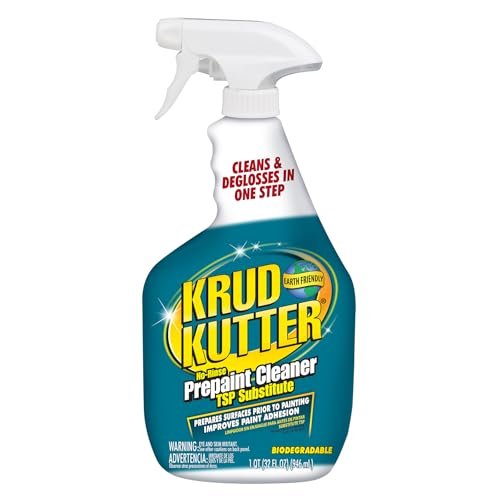
KRUD KUTTER PC326 No-Rinse Prepaint Cleaner/TSP Substitute Spray, 32 Fl Oz
 No-rinse formula, ideal for quick cabinet degreasing without water cleanup
This ready-to-use spray is a top pick for homeowners who want to cut down on cleaning time, as its no-rinse formula removes grease, dirt, and chalky residue in 10 minutes flat with no water cleanup required. It’s safe for sealed wood, laminate, painted MDF, metal, and drywall, making it a versatile option for cleaning both cabinet interiors and exterior surfaces. The 32oz ergonomic bottle is easy to store and maneuver, even for high-up cabinet fronts.
- Pros: No-rinse formula saves 15–20 minutes per cleaning session, safe for most common cabinet finishes, removes greasy fingerprints and cooking splatter without scrubbing, low-fume formula
- Cons: Less effective on heavy, years-old baked-on grease than traditional TSP, may leave a slight residue on unsealed wood if not wiped dry Grab the no-rinse spray on Amazon to tackle cabinet grease in 10 minutes flat, no rinsing required.
Krud Kutter GO326 Gloss Off Prepaint Surface Preparation Cleaner, 32 oz
 Deglossing formula, ideal for prepping cabinets before repainting
Unlike standard TSP substitutes, this formula is designed specifically to dull glossy cabinet finishes and remove surface contaminants like oils, dirt, and old wax buildup to ensure new paint adheres properly. Its non-toxic, biodegradable formula is safe for indoor use, and it works on wood, metal, plastic, and laminate surfaces. It reduces the need for extensive sanding, cutting prep time for cabinet refinishing projects in half.
- Pros: Effectively removes gloss and surface contaminants for better paint adhesion, non-toxic and biodegradable, reduces sanding time for prep projects, safe for multiple surface types
- Cons: May require multiple applications for heavily glossy surfaces, 32oz size is small for full kitchen cabinet sets Grab the Krud Kutter Gloss Off on Amazon to prep cabinet surfaces for painting in half the time.
Best Traditional TSP Powders
Traditional TSP powder is the most cost-effective option for large, heavy-duty cleaning jobs, as it is highly concentrated and can be mixed to custom strengths for varying levels of grime.
Savogran Trisodium Phosphate (TSP) 1LB (16oz)
 Concentrated TSP powder, cost-effective for full kitchen deep cleans
This classic TSP powder is a trusted staple for professional painters and DIYers, with a highly concentrated formula that breaks down even the toughest baked-on grease, mold, and dirt from cabinet surfaces. A single 1lb bag mixes to make up to 8 gallons of cleaning solution, making it extremely cost-effective for full kitchen deep cleans or prepping multiple rooms for painting. It’s safe for sealed wood, laminate, drywall, and metal surfaces when diluted correctly.
- Pros: Highly effective on heavy, years-old grease buildup, 1lb makes 8 gallons of solution for long-term value, versatile for use on walls, floors, and cabinets, trusted brand with consistent quality
- Cons: Requires mixing and thorough rinsing, harsh on unsealed wood if not diluted properly, can create dust while mixing Pick up the 1lb Savogran TSP bag on Amazon to mix custom-strength solution for deep cabinet cleaning.
Savogran Trisodium Phosphate (TSP) 1LB (16oz) – 2 Pack
 Bulk 2-pack, best value for contractors and large renovation projects
This 2-pack of Savogran’s classic TSP powder is ideal for contractors, landlords, or homeowners tackling multi-room renovation projects, as it provides double the product for a discounted price. It uses the same powerful formula as the single 1lb bag, making it just as effective at removing grease, grime, and paint prep residue from cabinet surfaces.
- Pros: Bulk discount saves money for large projects, same high-performance formula as single Savogran TSP, long shelf life for storage between projects, lightweight and easy to store
- Cons: Overkill for small, one-time cabinet cleanups, requires the same safety precautions as single TSP powder Pick up the 2-pack Savogran TSP on Amazon for bulk savings on multi-room cleaning and prep projects.
Sunnyside TSP Tri-Sodium Phosphate All Purpose Cleaner, 1-Pound
 All-purpose TSP powder, suitable for cabinets, walls, and floors
Manufactured by the trusted Sunnyside Corporation, this all-purpose TSP powder is a reliable option for both residential and commercial cleaning tasks. Its concentrated formula can be mixed to different strengths for light or heavy-duty cleaning, making it suitable for everything from wiping down cabinet fronts to prepping entire walls for painting. The compact 1lb bag is easy to store and measure for small jobs.
- Pros: Trusted brand with consistent quality, customizable dilution for different cleaning tasks, compact packaging for easy storage, effective on grease, dirt, and paint residue
- Cons: Requires mixing and rinsing, not as cost-effective as bulk TSP for large jobs Get the Sunnyside TSP 1lb bag on Amazon for a trusted all-purpose cleaner for cabinets and beyond.
Quality Chemical Trisodium Phosphate (TSP) 40 lb. Pail
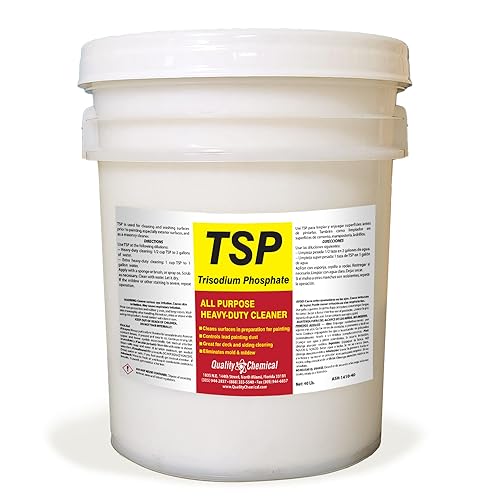 Bulk 40lb pail, best for commercial cleaners and full-home renovations
This massive 40lb pail of TSP is designed for commercial cleaning crews, contractors, or homeowners tackling full-home renovation projects. Its heavy-duty formula removes even the most stubborn grease and grime from large sets of kitchen cabinets, and the bulk packaging offers the lowest cost per ounce of any TSP product on the market. It’s also suitable for use on floors, walls, and outdoor surfaces for whole-home deep cleans.
- Pros: Lowest cost per ounce for large projects, heavy-duty formula for extreme grease buildup, versatile for multi-surface use, reliable consistent quality from Quality Chemical
- Cons: Heavy 40lb pail is difficult to maneuver for small jobs, requires careful handling and protective gear, overkill for single-room cabinet cleaning Grab the 40lb bulk TSP pail on Amazon for commercial-grade cleaning of large cabinet sets and renovation projects.
Best Concentrated & Eco-Friendly Options
These options balance heavy-duty cleaning power with user-friendly and eco-conscious formulations, perfect for households that want strong results without harsh chemicals or extra steps.
Coolinario Trisodium Phosphate – TSP Cleaner (4 Oz)
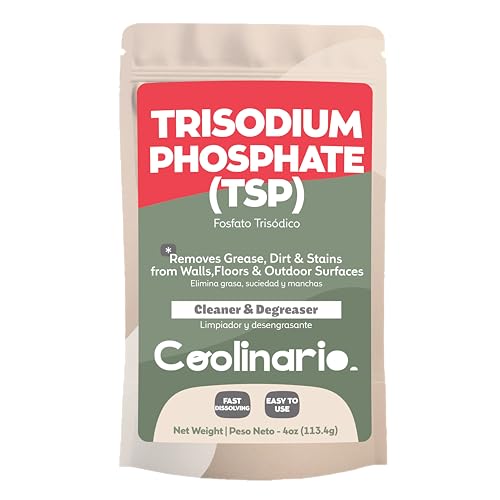 Small concentrated bottle, perfect for spot-cleaning cabinet grease
This highly concentrated 4oz TSP bottle is ideal for small jobs, like spot-cleaning a few greasy cabinet doors or maintaining outdoor kitchen cabinets. A single 4oz bottle mixes to make up to 2 gallons of cleaning solution, so it takes up minimal storage space while delivering the same powerful degreasing action as larger TSP products. It works on wood, laminate, concrete, and outdoor surfaces.
- Pros: Highly concentrated, small size takes up minimal storage, versatile for indoor and outdoor use, cost-effective for small jobs
- Cons: Requires precise mixing to avoid under or over-diluting, not enough product for full kitchen deep cleans Get the concentrated 4oz Coolinario TSP on Amazon for small spot-cleaning jobs and outdoor cabinet maintenance.
SamaN TSP Eco – Heavy Duty Cleanser And Degreaser (28 oz Ready-to-Use)
 Ready-to-use biodegradable formula, no mixing required
This ready-to-use TSP Eco formula from SamaN is a great pick for eco-conscious users, as it’s made with biodegradable ingredients and free of harsh fumes, making it safe for use around kids and pets once dry. It requires no mixing, so you can apply it directly to cabinet surfaces to remove grease, dirt, and grime without extra steps. It’s safe for sealed wood, laminate, tile, and stainless steel.
- Pros: Ready-to-use, no mixing required, biodegradable and low-fume, safe for households with kids and pets, removes grease without scrubbing
- Cons: 28oz bottle is too small for full kitchen deep cleans, may need multiple applications on thick, baked-on grease Shop the ready-to-use SamaN TSP Eco on Amazon for a low-fume, eco-friendly cabinet cleaning option.
Best Phosphate-Free TSP Alternatives
Phosphate-free TSP substitutes are formulated to avoid the environmental impact of traditional phosphates, making them a great choice for users with septic systems or those looking to reduce their household’s water pollution footprint.
Rutland Tsp-pf Clean & Prep, Phosphate-Free & Eco-Friendly All-Purpose Cleaner, 1 Pound Bag
 Phosphate-free formula, safe for septic systems and waterways
This phosphate-free TSP powder from Rutland delivers the same heavy-duty degreasing power as traditional TSP, without the environmental impact of phosphates. It’s safe for septic systems and won’t contribute to algal blooms in local waterways when rinsed down the drain, making it a great pick for eco-conscious households. A 1lb bag mixes to make 4 gallons of solution, enough for a full kitchen cabinet deep clean. Phosphate-free TSP substitutes are formulated to align with U.S. Environmental Protection Agency guidelines on phosphate use in household cleaners to reduce water pollution from residential cleaning runoff.
- Pros: Phosphate-free and septic-safe, effective on most cabinet grease and grime, cost-effective 1lb packaging, versatile for walls, floors, and outdoor surfaces
- Cons: Slightly less effective on extreme, years-old baked-on grease than traditional TSP, requires thorough rinsing to avoid residue Pick up the Rutland phosphate-free TSP on Amazon for an eco-conscious heavy-duty clean.
Best Cabinet-Specific Cleaner
For homeowners with delicate or high-end wood cabinets, a cabinet-specific cleaner is the safest option, as it’s formulated to clean grease without stripping protective finishes.
Parker And Bailey Kitchen Cabinet Cream
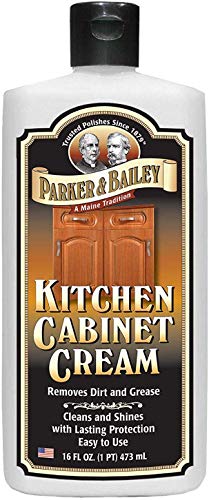 Wood-specific formula, cleans grease without stripping cabinet finish
Unlike general TSP cleaners, this cream formula from Parker & Bailey is specifically designed for sealed wood kitchen cabinets, with gentle ingredients that cut through grease and dirt without damaging the wood’s protective finish or altering its color. It also conditions the wood as it cleans, leaving a subtle sheen that repels future grime and helps cabinets look newer for longer. It’s safe for all sealed wood, veneer, and laminate cabinet surfaces. For unsealed or antique wood cabinets, follow University of Minnesota Extension guidance on cleaning wood kitchen surfaces to avoid damaging delicate finishes with harsh chemicals.
- Pros: Gentle on wood finishes, conditions wood as it cleans, leaves a protective barrier against future grease, safe for all sealed cabinet surfaces
- Cons: Not effective on painted or unsealed wood cabinets, more expensive per ounce than general TSP, not suitable for deep, baked-on grease buildup Shop the Parker & Bailey Cabinet Cream on Amazon for gentle, finish-safe cleaning of wood cabinets.
Key Considerations for Choosing the Right TSP Cleaner for Your Cabinets
With so many TSP and TSP substitute options on the market, picking the right one for your needs is simple if you keep these four factors in mind:
- Cabinet material: For sealed wood, laminate, and painted cabinets, any TSP or TSP substitute works. For unsealed wood or antique cabinets with delicate finishes, opt for a cabinet-specific cleaner like Parker & Bailey to avoid damage.
- Job size: For small spot cleans or outdoor cabinet maintenance, a 4oz concentrated bottle or ready-to-use spray is sufficient. For full kitchen deep cleans or renovation prep, opt for a 1lb or larger TSP powder for the best value.
- Eco-preference: If you have a septic system or want to reduce water pollution, choose a phosphate-free TSP substitute like Rutland TSP-PF or SamaN TSP Eco.
- Rinse preference: If you want to avoid the hassle of rinsing, opt for a no-rinse TSP substitute like KRUD KUTTER PC326. If you don’t mind rinsing, traditional TSP powder offers the strongest degreasing power for heavy buildup.
Common Mistakes to Avoid When Using TSP on Cabinets
Even experienced DIYers make these common errors when using TSP, which can lead to damaged finishes, ineffective cleaning, or health risks:
- Skipping the spot test: Even if a product claims to be safe for your cabinet finish, always test it in an inconspicuous area first, especially on antique or stained wood, to check for discoloration or damage.
- Using undiluted TSP: Undiluted TSP can etch surfaces, discolor wood, or leave permanent white residue on painted cabinets. Always follow the manufacturer’s dilution instructions for your specific job.
- Letting TSP dry on surfaces: Dried TSP leaves a chalky, hard-to-remove residue that can damage finishes over time. Work in small sections and rinse promptly after the 2–3 minute dwell time.
- Mixing TSP with other cleaners: Never mix TSP with bleach, ammonia, or vinegar, as this creates toxic fumes or neutralizes the cleaner’s degreasing power.
- Using abrasive scrubbers: Steel wool, harsh scrub pads, or stiff-bristled brushes can scratch cabinet finishes. Always use a soft sponge, microfiber cloth, or soft-bristled brush for application.
Frequently Asked Questions
What Is TSP Cleaner and Why Is It Effective for Kitchen Cabinets?
TSP (trisodium phosphate) is a heavy-duty alkaline cleaning agent that breaks down and emulsifies the lipids in cooking grease, lifting stubborn stains from cabinet surfaces. It also removes chalky residue from old paint, dirt, and soap scum that regular dish soap can’t cut. TSP substitutes use alternative surfactants and chelating agents to deliver similar degreasing power without phosphates, making them a popular choice for eco-conscious users. Unlike mild cabinet cleaners, TSP is formulated for deep, infrequent cleaning jobs rather than daily use.
How Do I Safely Use TSP Cleaner on Kitchen Cabinets?
Always wear nitrile gloves and eye protection, and work in a well-ventilated area (open windows, run your range exhaust fan) to avoid inhaling fumes. For powder TSP, mix ½ cup per gallon of warm water for moderate grease, or 1 cup per gallon for heavy, baked-on buildup. For ready-to-use sprays, apply directly. Always test the solution on an inconspicuous spot (like the inside of a cabinet door) first, wait 10 minutes, and check for discoloration or finish damage. Apply with a soft sponge, let sit 2–3 minutes for heavy grime, then rinse thoroughly with a clean damp cloth and dry with a microfiber towel. Never mix TSP with bleach, ammonia, or vinegar, as this creates toxic fumes. For routine cleaning, you can pair TSP with top kitchen cleaning brushes to agitate grime without scratching surfaces.
Can I Use TSP Cleaner on All Cabinet Finishes?
TSP is safe for most sealed wood, laminate, painted MDF, and metal cabinet surfaces when used correctly. However, avoid using it on unsealed or unfinished wood (it can raise the grain, cause warping, or leave water stains), antique cabinets with original shellac or lacquer finishes, and delicate veneer. For unsealed wood or antique cabinets, opt for a cabinet-specific cleaner, and follow University of Minnesota Extension guidance on cleaning wood kitchen surfaces to avoid damaging delicate finishes with harsh chemicals.
Are Phosphate-Free TSP Cleaners as Effective as Traditional TSP?
Phosphate-free TSP substitutes (like Rutland TSP-PF or SamaN TSP Eco) are highly effective for most kitchen cabinet grease and grime, though they may require slightly more dwell time or repeated applications for heavy, years-old baked-on grease. Traditional TSP is marginally more powerful for extreme buildup, but phosphate-free options are better for septic systems, households with kids and pets, and users looking to reduce environmental impact, as phosphates can contribute to algal blooms in local waterways when rinsed down the drain. Phosphate-free options also align with U.S. Environmental Protection Agency guidelines on phosphate use in household cleaners to reduce residential cleaning runoff pollution.
How Often Should I Deep Clean My Kitchen Cabinets with TSP?
TSP is designed for infrequent deep cleaning, not routine maintenance. For most households, deep cleaning cabinets with TSP every 1–2 years is sufficient to remove built-up grease and grime. For routine weekly or monthly cleaning, use a mild dish soap and warm water, paired with a reliable cleaning sponge, to avoid wearing down cabinet finishes over time.
Can TSP Cleaner Prep Cabinets for Painting or Refinishing?
Yes, TSP is one of the most recommended prep cleaners for cabinet refinishing projects. It removes all grease, dirt, chalky residue, and surface contaminants that would prevent new paint or stain from adhering properly, leading to a longer-lasting, smoother finish. After cleaning with TSP, rinse thoroughly and let cabinets dry completely before sanding or applying new finish. For full kitchen deep cleaning guidance, reference this full kitchen deep cleaning guide to ensure all surfaces are prepped correctly.
Final Verdict: Is TSP Cleaner Right for Your Kitchen Cabinets?
TSP cleaner is the most effective solution for removing tough, built-up grease and stains from kitchen cabinets, far outperforming regular dish soap and all-purpose cleaners for deep cleaning and surface prep tasks. Whether you choose a traditional TSP powder for heavy-duty jobs, a no-rinse substitute for quick cleanups, or a phosphate-free option for eco-conscious use, there’s a TSP product to fit every household’s needs and cabinet material.
For most homeowners, a mid-range TSP substitute like KRUD KUTTER PC326 offers the best balance of convenience and power for regular deep cleans, while traditional TSP powder is the best value for full kitchen renovations or prep for painting. If you have unsealed wood or antique cabinets, opt for a gentle cabinet-specific cleaner like Parker & Bailey to avoid damaging delicate finishes.
Remember to always follow safety guidelines, test in an inconspicuous spot first, and rinse thoroughly to avoid residue buildup. With proper use, TSP cleaner will keep your kitchen cabinets looking fresh, bright, and well-maintained for years, while also making future cleaning tasks faster and easier. For households that frequently cook greasy foods like fried chicken wings, scheduling an annual TSP deep clean will prevent grease from building up to the point where it causes permanent staining or finish damage. If you’re hosting a dinner party or cooking a large meal like slow-cooker sausage recipes, a quick post-cooking wipe-down with a no-rinse TSP substitute will stop splatters from setting into stubborn grime between deep cleans. Clean cabinets not only make your kitchen look brighter and more inviting, but they also extend the lifespan of your cabinetry, saving you money on costly replacements or refinishing projects down the line. For more kitchen cleaning tips and tricks, check out the Plug Chef blog for expert guidance on all your home cleaning and cooking needs.

I’m Abby Lu, a passionate home cook who loves simplifying everyday meals. At PlugChef.com, I share product reviews and cooking guides to help you find the best tools for your kitchen.
Related posts:
 Hisense Dehumidifier And Small Appliance Repair Near Liberty Mo: Top Reviews
 Kitchen Appliances List: Must-Have Gadgets for Every Modern Kitchen
 Bundle Packages for Kitchen Appliances: Ultimate Kitchen Upgrade Solutions
 Best Smart Coffee Mug Warmer: Discover Ultimate Temperature Control Solutions
 Best Food Sealers Vacuum Packing: Discover Top Picks for Freshness
 Best Long Lasting Mug Warmer: Top Picks to Keep Your Drinks Hot